
Can u cook rice in microwave? Absolutely — it’s quick, easy, and requires minimal effort. With the right technique and ingredients, you can make fluffy, flavorful rice without a traditional stove or rice cooker.
Have you ever been in a rush, hungry, and realized you forgot to soak or pre-cook your rice? Or maybe you’re just looking for a quick meal fix and don’t want to wait for the stovetop? If so, you’re probably wondering: can u cook rice in microwave? The short answer is yes — and not only is it possible, it’s one of the most convenient ways to prepare rice when you’re short on time. Whether you’re making a side dish, a base for stir-fries, or even a quick breakfast bowl, microwave rice delivers surprisingly good results with minimal cleanup.
Microwaves aren’t just for reheating leftovers or melting cheese (though they do that too). They’ve evolved into versatile kitchen tools capable of handling everything from scrambled eggs to steamed veggies — and yes, even perfectly cooked grains like rice. While traditional methods using pots and stoves have their charm, microwaving rice saves time, uses less energy, and reduces the risk of burning or uneven cooking. In this guide, we’ll walk you through everything you need to know about making great-tasting rice in your microwave. You’ll learn the science behind it, the best techniques, and even some creative twists to take your microwave rice game to the next level.
Key Takeaways
- Yes, you can cook rice in a microwave: It’s one of the fastest methods, taking only 10–15 minutes depending on the type of rice.
- Use the right ratio: A general rule is 1 cup of rice to 2 cups of water, but adjust based on grain variety and desired texture.
- Covering is essential: Always use a microwave-safe lid or plastic wrap to trap steam and ensure even cooking.
- Let it rest after cooking: Resting allows moisture to distribute evenly, preventing mushy or undercooked grains.
- Experiment with flavors: Add salt, butter, herbs, or broth to elevate your microwave rice beyond plain white rice.
- Safety first: Use heat-resistant containers and be cautious when removing lids to avoid steam burns.
Quick Answers to Common Questions
Can you cook any type of rice in the microwave?
Yes, most types including white, brown, jasmine, basmati, and even instant rice can be cooked in the microwave. Brown rice takes longer and needs more water, while instant rice requires careful timing to avoid overcooking.
How much water do I need for microwave rice?
A general rule is 1 cup of rice to 2 cups of water. Adjust slightly based on your preferred texture — more water yields softer rice, less makes it firmer and more separate.
Do I need to rinse the rice before microwaving?
Yes! Rinsing removes excess surface starch, which helps prevent sticky or clumpy grains. Rinse until the water runs clear.
Why does my microwave rice come out mushy?
Mushiness usually results from too much water, overcooking, or not letting the rice rest after cooking. Check your water ratio and always allow a 3–5 minute standing period.
Is microwave rice safe to eat?
Absolutely. As long as you use a microwave-safe container and follow proper cooking guidelines, microwave rice is completely safe and nutritious.
📑 Table of Contents
The Basics: Can U Cook Rice in Microwave?
So let’s start with the big question: can u cook rice in microwave? The answer is a resounding yes — and millions of home cooks around the world already swear by this method. Unlike boiling rice on the stove, which can take up to 40 minutes, microwaving cuts that time down dramatically. Depending on the type of rice and quantity, you can have steaming hot, fluffy grains ready in under 15 minutes. Plus, because the container traps heat and moisture, there’s less chance of drying out or overcooking.
The process itself is simple: combine rinsed rice, water (or broth), and any desired seasonings in a microwave-safe dish. Cover it tightly, zap it in timed intervals (usually 3–5 minutes at a time), then let it sit. That’s it! No stirring, no watching the pot constantly — just set it and forget it (almost). Of course, getting the details right makes all the difference between mushy, gluey rice and light, separated grains.
Choosing the Right Rice for Microwave Cooking
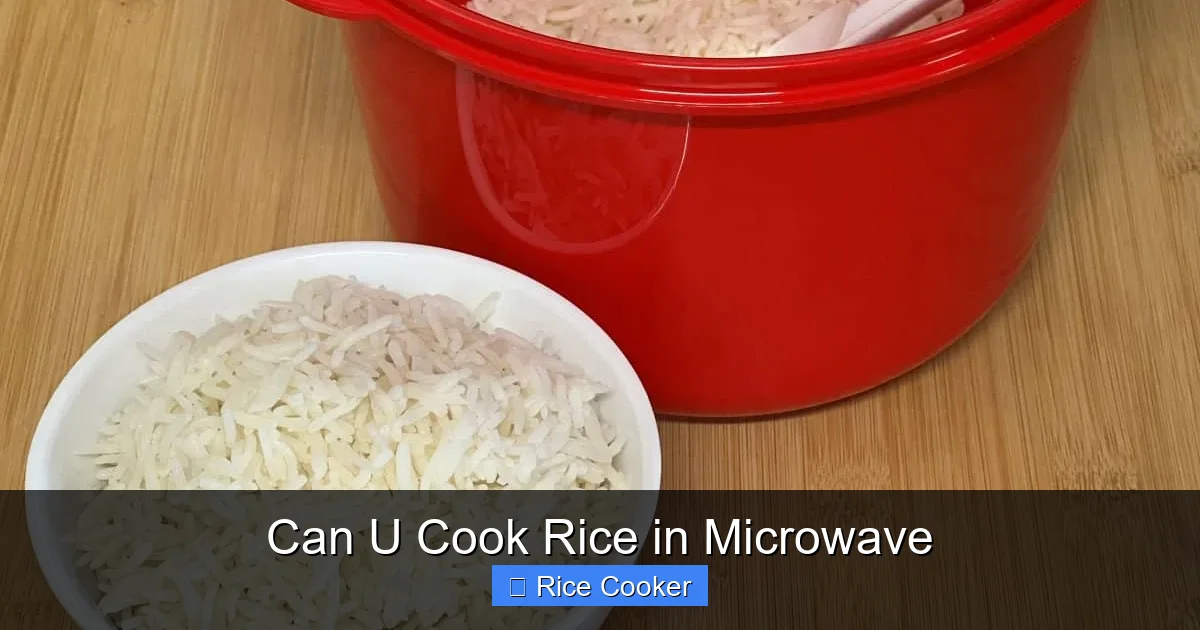
Visual guide about Can U Cook Rice in Microwave
Image source: ovenspot.com
Not all rice types are created equal when it comes to microwave cooking. Some work better than others due to differences in starch content, grain length, and absorption rates. Here’s a quick breakdown of popular varieties and how they perform:
White Rice
White rice — especially long-grain varieties like jasmine or basmati — cooks well in the microwave. It tends to stay separate and fluffy, making it ideal for dishes where individual grains matter, like fried rice or pilafs. Just remember to rinse it beforehand to remove excess starch, which helps prevent clumping.
Brown Rice
Brown rice takes longer and requires more water, but it’s absolutely doable in the microwave. Because it has a tougher outer bran layer, it needs extra time and moisture to soften properly. Many people find that adding a splash of oil or butter during cooking helps keep it tender and moist.
Instant Rice
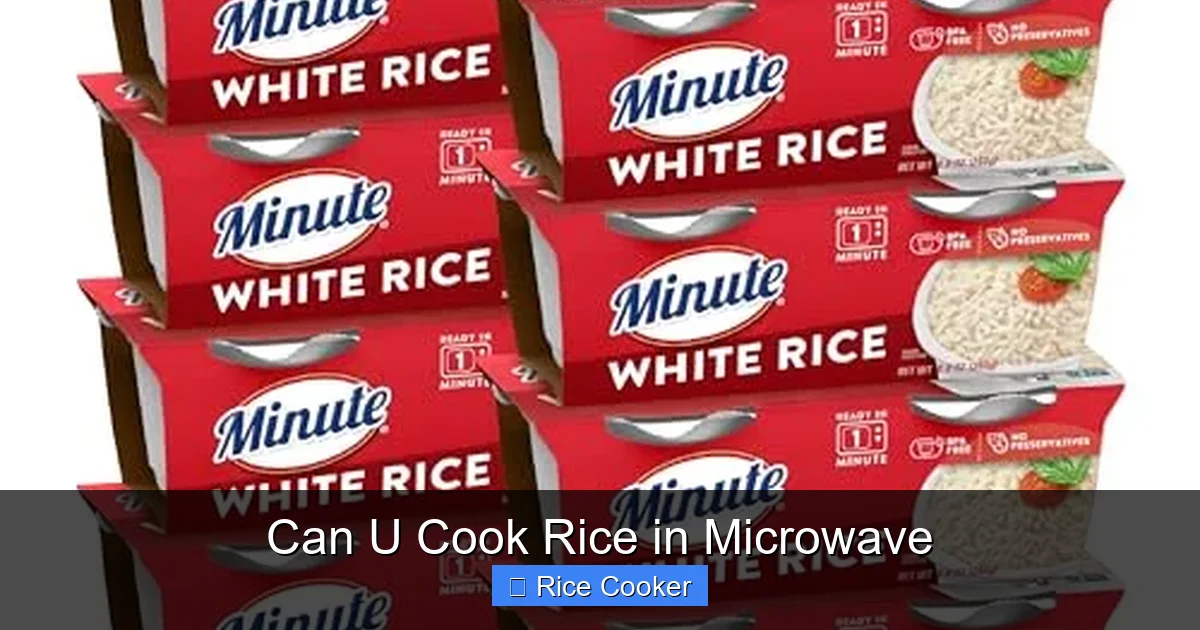
If you’re using instant rice (like Minute Rice), follow the package instructions closely. These are pre-cooked and dehydrated, so they absorb liquid quickly but may become overly soft if overheated. A shorter cooking time is key here.
Specialty Rices
Rices like black, red, or wild varieties can also be made in the microwave, though they often require adjustments in water ratios and cooking times. For example, wild rice typically needs twice as much liquid and longer intervals between microwave bursts.
No matter what kind you choose, consistency matters. Stick to one type per batch unless you’re experienced enough to balance multiple rices simultaneously.
Step-by-Step Guide: How to Cook Perfect Microwave Rice
Visual guide about Can U Cook Rice in Microwave
Image source: m.media-amazon.com
Ready to try it yourself? Follow these easy steps for foolproof results every time:
Step 1: Measure Your Ingredients
Start with a clean, microwave-safe bowl or dish. For most standard recipes, use a 1:2 ratio — one part uncooked rice to two parts water (or broth). So for one cup of rice, you’ll need two cups of liquid. If you prefer softer rice, go up to a 1:2.5 ratio. For firmer grains, stick closer to 1:1.8.
Step 2: Rinse the Rice
Place your rice in a fine-mesh strainer and rinse under cold running water until the water runs clear. This removes surface starch, reducing stickiness and improving texture.
Step 3: Combine and Season
Transfer the rinsed rice to your microwave-safe container. Pour in the measured liquid, add a pinch of salt, and optionally toss in a pat of butter or a sprig of fresh herb for flavor. Stir gently to combine.
Step 4: Cover Properly
Use a microwave-safe lid, vented plastic wrap, or even a folded-up paper towel to cover the dish. Make sure there’s a small opening for steam to escape — this prevents pressure buildup and ensures even heating.
Step 5: Microwave in Intervals
Cook on high power in 3- to 5-minute intervals. After each burst, carefully lift the lid (watch for hot steam!) and fluff the rice with a fork. Repeat until the rice is tender and all liquid is absorbed. Total time usually ranges from 8 to 15 minutes.
Step 6: Let It Rest
Once done, leave the covered dish sitting for 3–5 minutes. This resting period lets residual heat finish cooking the center of the grains and redistributes moisture evenly.
Step 7: Fluff and Serve
Gently fluff the rice with a fork before serving. Add extra seasoning if needed — a squeeze of lime, dash of soy sauce, or sprinkle of sesame seeds can transform a basic bowl into something special.
Tips for Avoiding Common Mistakes
Even with the right technique, things can go wrong. Here are some frequent pitfalls and how to avoid them:
– Mushy Rice: Overcooking or too much liquid causes mushiness. Stick to recommended water ratios and don’t skip the resting step.
– Sticky Grains: Not rinsing the rice thoroughly leads to clumping. Always wash before cooking.
– Uneven Texture: Using too large a container or overcrowding prevents even heating. Opt for shallow, wide bowls rather than deep pots.
– Burning Risk: Low-power microwaves or old magnets can cause hotspots. Rotate the dish halfway through if yours lacks a turntable.
– Steam Burns: Always open lids away from your face and use oven mitts when handling hot containers.
Flavoring and Serving Your Microwave Rice
Plain white rice is fine, but why stop there? Microwave cooking makes it easy to infuse flavors directly into the grains. Try swapping water for chicken or vegetable broth for extra depth. Add garlic powder, onion flakes, or even a bay leaf while cooking for aromatic notes. For Asian-inspired dishes, mix in soy sauce, ginger, or coconut milk. Indian-style basmati rice can benefit from saffron threads steeped in warm milk before adding.
When serving, consider pairing your rice with grilled meats, curries, salads, or hearty soups. Top it with roasted vegetables, fried eggs, or a drizzle of olive oil for added richness. Leftovers reheat beautifully — just add a splash of water and cover again.
Energy Efficiency and Time-Saving Benefits
One of the biggest advantages of microwave cooking is efficiency. Compared to boiling on the stove, microwaving uses significantly less electricity and heats food faster. Since you’re not keeping a burner on all night like with traditional simmering, your energy bill stays lower. Plus, cleanup is easier — fewer pans mean fewer dishes!
For busy families, students, or anyone living alone, microwave rice is a lifesaver. It fits seamlessly into hectic schedules, requires no constant attention, and delivers consistent results. And contrary to old myths, modern microwaves are designed to handle dry-heat cooking tasks like this with precision.
Creative Uses Beyond Basic White Rice
Don’t limit yourself to plain boiled rice. Microwave cooking opens doors to culinary creativity:
– Rice Pudding: Mix cooked rice with milk, sugar, cinnamon, and raisins. Microwave in short bursts until thickened.
– Casseroles: Layer rice with cheese, beans, and salsa; microwave until bubbly.
– Burgers & Patties: Use leftover rice as a binder in veggie burgers or meatloaf.
– Bowl Builders: Top with tahini, chickpeas, spinach, and feta for a quick lunch.
– Desserts: Combine rice with condensed milk and fruit for an instant rice-based dessert.
These ideas show that microwave rice isn’t just for sides — it’s a versatile ingredient in its own right.
Frequently Asked Questions
How long does it take to cook rice in the microwave?
It typically takes 8 to 15 minutes, depending on the type of rice and amount. White rice usually cooks faster than brown rice, and larger batches may need more time.
Can I cook brown rice in the microwave?
Yes, brown rice can be cooked in the microwave, but it requires more water and longer cooking times than white rice. A ratio of 1:2.5 (rice to water) and 10–15 minutes is common.
What kind of container should I use?
Always use a microwave-safe glass or ceramic dish with a lid. Avoid metal containers and non-microwave-safe plastics that may warp or release harmful chemicals.
Should I stir the rice while cooking?
Not usually. Stirring isn’t necessary during microwave cooking since the goal is to let steam do the work. However, you should fluff the rice with a fork between intervals.
Can I make microwave rice ahead of time?
Yes, you can store cooked rice in the refrigerator for up to 4 days or freeze it for longer storage. Reheat with a splash of water and cover again to retain moisture.
Does microwave rice taste different than stovetop rice?
Some people notice a slight difference in texture or aroma, but with proper technique, microwave rice can be just as delicious. Adding flavorings like broth, herbs, or butter helps bridge any gap.