
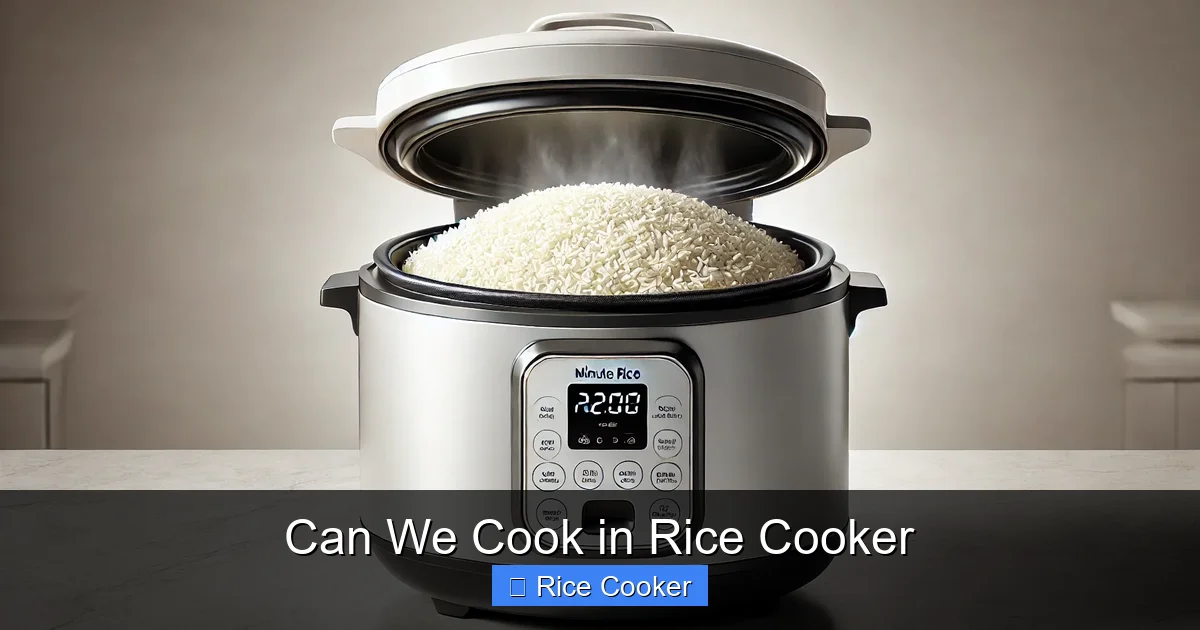
Can we cook in a rice cooker? Absolutely! While most people use rice cookers for basic rice, these handy appliances can prepare a wide variety of dishes—from breakfast porridge and soups to cakes and even eggs. With the right techniques and accessories, your rice cooker becomes a multi-functional kitchen tool that saves time and energy.
Key Takeaways
- Rice cookers are versatile: Beyond cooking rice, they can make oatmeal, soups, stews, steamed vegetables, and even desserts.
- Temperature control matters: Understanding settings like “warm,” “slow cook,” or “steam” helps you cook different foods properly.
- Use the right ingredients: Avoid high-fat or overly sticky foods unless your model supports them; stick to water-based or semi-liquid meals.
- Accessories expand functionality: Steamer baskets, non-stick pots, and recipe guides unlock more cooking possibilities.
- Safety first: Always follow manufacturer instructions, clean thoroughly, and avoid overfilling to prevent malfunctions.
- Energy efficient: Rice cookers use less electricity than ovens or stovetops, making them eco-friendly choices.
- Experiment is encouraged: Try new recipes weekly—your rice cooker can become your go-to appliance for quick, healthy meals.
📑 Table of Contents
- Introduction: More Than Just White Rice
- Understanding Your Rice Cooker: Types & Functions
- What Can Actually Be Cooked in a Rice Cooker?
- Practical Tips for Successful Cooking
- Common Mistakes People Make (And How to Fix Them)
- Creative Recipes to Try Today
- Is Cooking in a Rice Cooker Safe?
- Energy Efficiency & Environmental Impact
- Conclusion: Your Rice Cooker Is a Hidden Gem
Introduction: More Than Just White Rice
Have you ever looked at your rice cooker and thought, “It’s only good for rice, right?” Think again. While it’s true that rice cookers were originally designed to perfectly cook grains, today’s models—especially smart and multi-function ones—can do so much more. From fluffy oatmeal in the morning to tender chicken stew by dinner, the humble rice cooker has evolved into a kitchen essential that does double, triple, even quadruple duty.
You might be surprised to learn that cooking in a rice cooker isn’t limited to just grains. In fact, many home cooks now use their rice cookers as a one-pot solution for entire meals. Whether you’re meal-prepping for the week or whipping up something quick after work, this compact device offers convenience, consistency, and surprisingly delicious results. And the best part? It’s usually hands-off—just add ingredients, press a button, and let science do the rest.
In this guide, we’ll explore everything you need to know about cooking in a rice cooker beyond rice. You’ll discover practical recipes, safety tips, common mistakes to avoid, and creative ways to maximize your appliance’s potential. So grab your measuring cup and get ready—your rice cooker is about to become your new favorite kitchen companion.
Understanding Your Rice Cooker: Types & Functions
Before diving into recipes, it’s important to understand what kind of rice cooker you have and how it works. There are several types on the market, each with unique features that influence what you can cook.
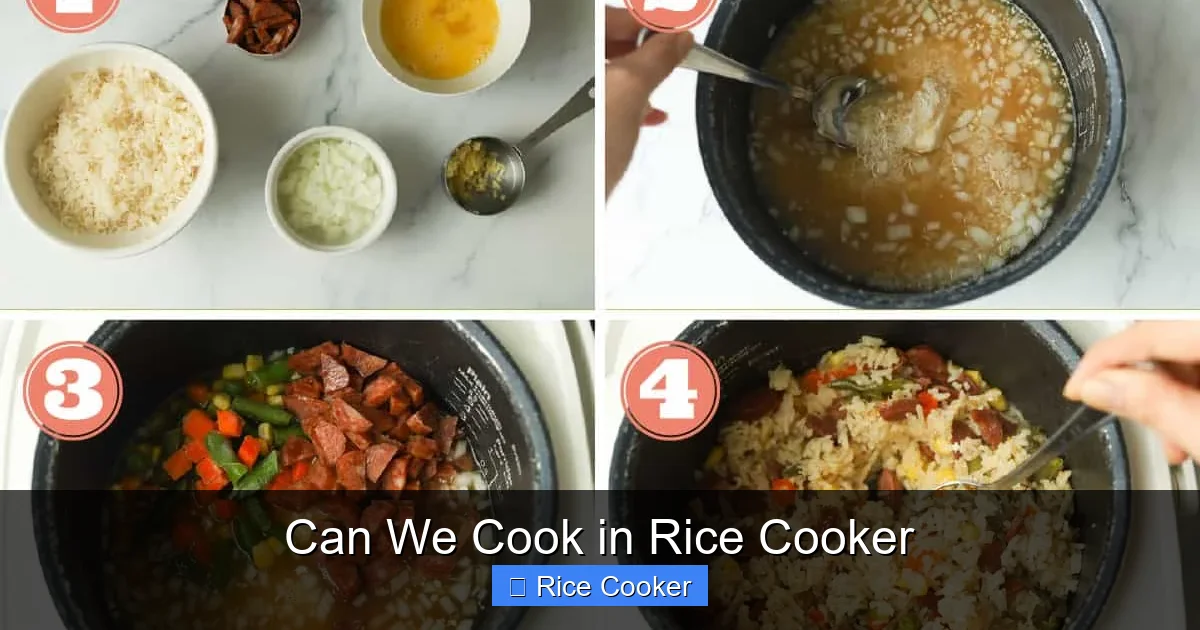
Visual guide about Can We Cook in Rice Cooker
Image source: apeachyplate.com
Basic vs. Advanced Models
The simplest rice cookers—often called “basic” models—have two main functions: cook and warm. They’re great for white rice, brown rice, and maybe even some steamed veggies using the included tray. However, they lack advanced settings like slow cooking or pressure cooking.
On the other hand, newer models come with multiple functions such as:
- Sterilize: Uses steam heat to clean utensils or sanitize baby bottles.
- Slow cook: Mimics a slow cooker for braised meats or soups.
- Steam: Cooks food using only vapor without direct contact with liquid.
- Cake/muffin mode: Bakes delicate treats without needing an oven.
- Keep warm: Maintains temperature for hours without overcooking.
Knowing which type you own will help you decide what recipes are safe and effective. For example, if your rice cooker doesn’t have a “slow cook” setting, attempting a long-cooking stew might not yield the best texture.
How Heat Circulation Works
Most rice cookers rely on conduction heating—meaning the bottom element transfers heat directly to the pot. This method ensures even cooking but limits airflow. That’s why foods that require browning (like searing meat) won’t caramelize well. Instead, focus on moist-heat methods: boiling, steaming, simmering, and braising.
Modern induction rice cookers offer faster, more precise heating, but even traditional electric models can produce excellent results when used correctly. The key is understanding how moisture and heat interact inside the sealed environment.
What Can Actually Be Cooked in a Rice Cooker?
Contrary to popular belief, a rice cooker isn’t just for plain boiled rice. With a little creativity, you can prepare entire meals—breakfast, lunch, dinner, and dessert—all in one appliance.
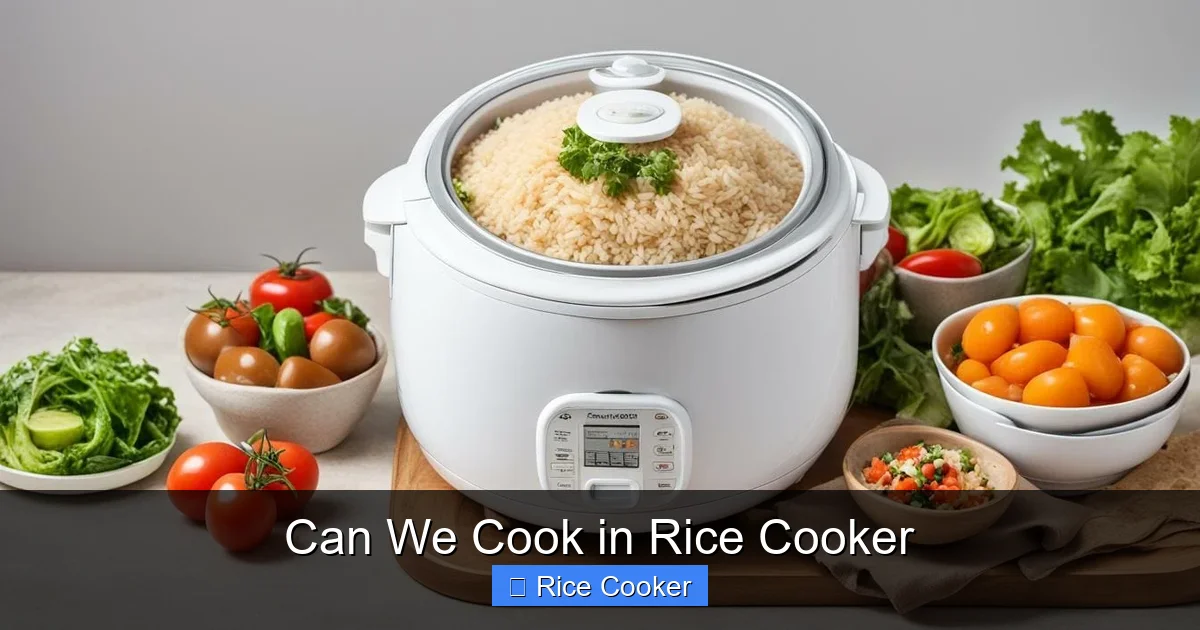
Visual guide about Can We Cook in Rice Cooker
Image source: ricearray.org
BREAKFAST IDEAS
Start your day right with nutritious, no-stir breakfasts that cook while you sleep or commute.
- Steel-cut oats: Use a 1:3 ratio of oats to water, plus a pinch of salt and optional fruit. Cook on the “porridge” setting if available.
- Overnight chia pudding: Mix chia seeds with milk and sweetener, then let sit overnight. In the morning, microwave briefly before serving.
- Scrambled eggs: Whisk eggs with cheese and milk, pour into the inner pot, and cover with the lid. Cook on low heat until set.
LUNCH & DINNER MEALS
One-pot meals are perfect for busy weekdays. Here’s how to adapt classic dishes for your rice cooker.
- Chicken and rice casserole: Brown chicken thighs, mix with rice, broth, and veggies. Cook until tender.
- Vegetable curry: Simmer coconut milk, spices, and chopped vegetables with basmati rice for a fragrant, complete meal.
- Beef stroganoff: Slow-cook ground beef with mushrooms, onions, sour cream, and egg noodles.
DESSERTS & SNACKS
Yes—you can bake in a rice cooker! Just remember, there’s no rising agent like yeast, so cakes stay dense but moist.
- Banana bread: Mash bananas with flour, sugar, eggs, and baking soda. Pour batter into greased pan and insert into inner pot. Cover with foil and cook on “cake” mode.
- Mug cake upgrade: Make individual chocolate cakes using ramekins placed inside the cooker bowl.
Practical Tips for Successful Cooking
Even the best recipes can fail if you don’t respect your rice cooker’s limitations. Follow these tips to avoid frustration.
Measure Liquids Accurately
Rice cookers depend on precise ratios. Too much liquid leads to mushy food; too little causes dryness. Stick to recommended measurements, especially for grains. A general rule: 1 cup rice + 1.5 cups water for white rice; adjust slightly higher for brown rice or legumes.
Avoid High-Fat Dishes Unless Supported
Greasy stews or fried foods clog the vent and interfere with pressure release mechanisms (if applicable). If your model has a “slow cook” function, you may add oils, but keep fat content moderate. For richer sauces, finish them on the stove after cooking.
Use the Right Cookware
Always use the non-stick inner pot that came with your machine. Don’t substitute metal spoons or abrasive scrubbers—they scratch the surface and can flake off into food.
Clean Immediately After Use
Food residue hardens quickly and affects future batches. Rinse the inner pot while still warm, wipe the exterior, and store the steamer tray separately if needed. Some models are dishwasher-safe—check your manual!
Preheat for Better Results
While most rice cookers don’t require preheating, adding hot liquids or pre-warmed ingredients can reduce overall cooking time and improve texture consistency.
Common Mistakes People Make (And How to Fix Them)
New users often run into issues because they expect a rice cooker to behave like a stovetop or oven. Here’s what to watch out for—and how to fix it.
Mistake #1: Overfilling the Pot
Each rice cooker has a maximum fill line. Exceeding it risks overflow during cooking, especially with bubbling soups or expanding grains. Always measure carefully and leave room for expansion.
Mistake #2: Using Sticky Ingredients Without Prep
Molasses, honey, or mashed potatoes tend to clump and stick. To prevent this, lightly grease the pot or add a thin layer of water before mixing sticky components.
Mistake #3: Ignoring Ventilation
Some models release steam through vents. If you block these (e.g., by placing a towel over the lid), pressure builds dangerously. Keep the area clear and never seal the cooker completely unless designed for pressure cooking.
Mistake #4: Skipping the Warm Setting
Leaving food on “cook” mode after done ruins texture. Switch to “warm” immediately to preserve tenderness and prevent drying. Most modern units auto-switch, but older models need manual intervention.
Mistake #5: Not Stirring (When Needed)
Unlike stovetop cooking, you shouldn’t open the lid frequently. But for certain recipes—like risotto or creamy sauces—a gentle stir halfway through helps distribute heat evenly.
Creative Recipes to Try Today
Ready to test-drive your rice cooker’s versatility? These tried-and-tested recipes prove you don’t need an oven or slow cooker to make restaurant-quality meals at home.
Recipe 1: Creamy Mushroom Risotto
Time: 40 mins | Serves: 2
- 1 tbsp olive oil
- 1 small onion, diced
- 8 oz mushrooms, sliced
- 1 cup Arborio rice
- 3 cups vegetable broth
- Salt, pepper, parsley
Heat oil in inner pot. Sauté onion and mushrooms until soft. Add rice and toast for 2 minutes. Gradually add hot broth, stirring occasionally. Cook until rice is creamy and al dente. Season and serve.
Recipe 2: Honey Garlic Chicken
Time: 35 mins | Serves: 3
- 1 lb chicken thighs
- ¼ cup soy sauce
- 2 tbsp honey
- 2 cloves garlic, minced
- 1 tsp ginger
Mix all ingredients except chicken. Place chicken in inner pot, pour marinade over. Cook on “slow cook” for 30–35 minutes. Serve over rice or quinoa.
Recipe 3: Black Bean & Sweet Potato Stew
Time: 45 mins | Vegan option
- 1 sweet potato, cubed
- 1 can black beans
- 1 diced tomato
- 1 onion, chopped
- 2 cups water
- Spices: cumin, paprika
Combine all ingredients in rice cooker. Cook on “stew” or “slow cook” until sweet potato is fork-tender. Blend partially for creamier texture if desired.
Is Cooking in a Rice Cooker Safe?
Absolutely—when used properly. Rice cookers are built with safety features like automatic shut-off, thermal fuses, and cool-touch exteriors. As long as you follow instructions, avoid modifications, and maintain cleanliness, your appliance will operate safely for years.
However, always check for recalls or defects. Never immerse electrical parts in water, and unplug before cleaning. Also, ensure children stay away from hot surfaces during and immediately after use.
For added peace of mind, consider models with child lock features or digital timers that alert you when cooking begins or ends.
Energy Efficiency & Environmental Impact
Rice cookers consume significantly less energy than conventional ovens or stovetops. According to the U.S. Department of Energy, electric rice cookers use about 0.5 kWh per hour—far less than baking or frying. Plus, their ability to cook entire meals in one pot reduces overall fuel usage.
Using a rice cooker also cuts down on washing multiple pans, saving water. And since many recipes call for fewer ingredients (no pre-browning or deglazing), you waste less food and resources.
If sustainability matters to you, opt for stainless steel or ceramic-coated pots instead of disposable aluminum trays. Many brands now offer eco-friendly packaging and recyclable components too.
Conclusion: Your Rice Cooker Is a Hidden Gem
So, can we cook in a rice cooker? The answer is a resounding yes—and not just for rice. With a little knowledge and experimentation, your rice cooker transforms into a versatile, energy-efficient kitchen workhorse capable of preparing everything from hearty stews to decadent desserts.
Don’t be afraid to think outside the box. Whether you’re cooking solo or feeding a family, the rice cooker offers simplicity, consistency, and speed. Swap out the usual takeout order, try a new grain, or invite friends over for a potluck—your rice cooker can handle it all.
Remember: the key is understanding your appliance, respecting its limits, and embracing creativity. Start small—try making oatmeal one morning or a vegetable curry tonight—then gradually expand your repertoire. Before long, you’ll wonder how you ever lived without your trusty rice cooker doing so much more than just cooking rice.
Frequently Asked Questions
Can I cook pasta in a rice cooker?
Yes, but not directly in the inner pot. Use the steamer basket with boiling water underneath. Cook pasta just before it’s al dente, then drain and rinse. Avoid adding oil to prevent sticking.
Can I cook soup in a rice cooker?
Absolutely! Use the “slow cook” or “stew” setting. Add all ingredients except dairy, which should be stirred in after cooking. Ensure the lid fits snugly to retain heat and steam.
Is it okay to leave food in the rice cooker overnight?
No. Even on “warm” mode, prolonged storage promotes bacterial growth. Transfer leftovers to airtight containers within two hours of cooking and refrigerate promptly.
Can I cook frozen food directly in a rice cooker?
It’s possible but not ideal. Frozen items increase cooking time and may lead to uneven heating. Thaw partially or use the “sterilize” function first to kill surface bacteria.
Do I need special ingredients for cooking in a rice cooker?
Not really—just fresh, quality ingredients and proper ratios. Avoid highly acidic mixtures (like tomato sauce with aluminum pots) unless your model specifies compatibility.
Can I cook meat in a rice cooker?
Yes! Chicken, pork, beef, and fish all work well. Sear meat first (optional), then add liquid and seasonings. Cook on “slow cook” until tender and internal temperature reaches safe levels.