
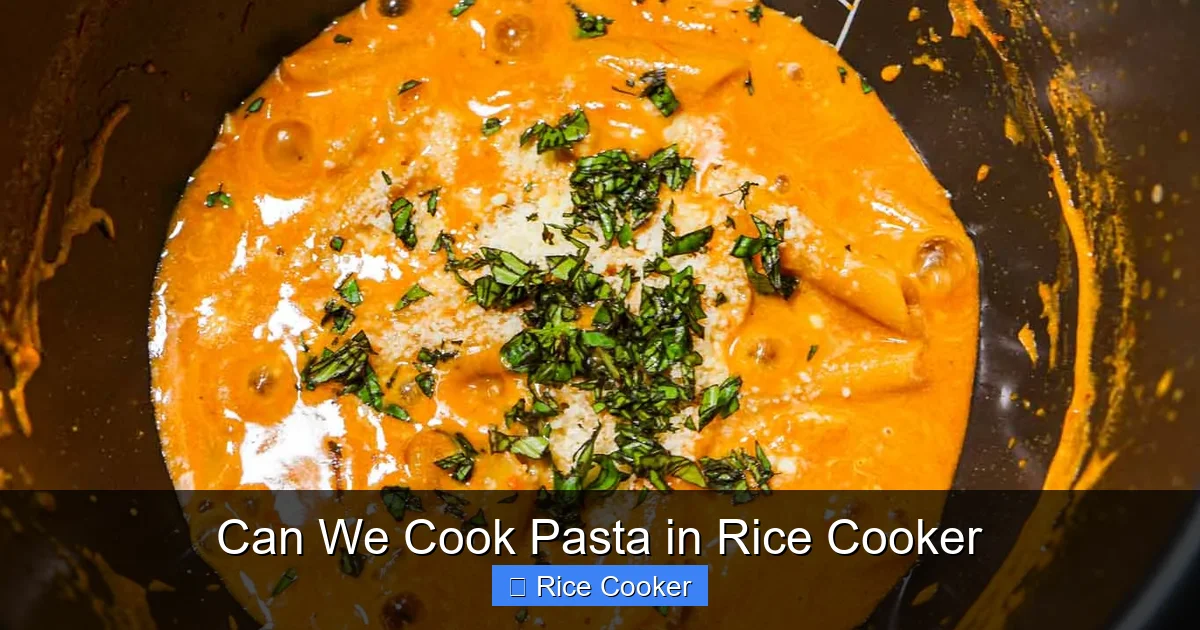
Yes, you can absolutely cook pasta in a rice cooker, and it’s easier than you think! With the right method, your rice cooker can produce perfectly al dente or soft pasta—no pot needed. Whether you’re short on time or just want to try something new, this kitchen trick saves water, energy, and cleanup.
Key Takeaways
- Pasta cooks quickly in a rice cooker: Most types of pasta take 8–12 minutes, depending on the shape and size.
- Water ratio matters: Use about 4–5 cups of water per pound of pasta for best results.
- Salt and oil are optional: Add salt for flavor; avoid oil to prevent sticking.
- Pre-soak helps: Soaking dried pasta overnight can reduce cooking time significantly.
- Cooked pasta keeps longer: Store in an airtight container in the fridge for up to 3 days.
- Not all pasta works the same: Short shapes like penne or elbows work better than long noodles.
- Cleanup is easier: No boiling over, fewer dishes, and less splatter.
📑 Table of Contents
- Can We Cook Pasta in Rice Cooker? The Ultimate Guide to Effortless Cooking
- Why People Are Switching to the Rice Cooker for Pasta
- The Science Behind Cooking Pasta in a Rice Cooker
- Types of Pasta That Work Best in a Rice Cooker
- Step-by-Step Guide: How to Cook Pasta in a Rice Cooker
- Pro Tips for Perfect Pasta Every Time
- Common Mistakes and How to Avoid Them
- Benefits of Cooking Pasta in a Rice Cooker
- Creative Ways to Use Your Cooked Pasta
- Frequently Asked Questions About Cooking Pasta in a Rice Cooker
- Final Thoughts: Is Cooking Pasta in a Rice Cooker Worth It?
Can We Cook Pasta in Rice Cooker? The Ultimate Guide to Effortless Cooking
Imagine this: It’s 6 p.m., you’re hungry, and the only thing in your pantry is a box of pasta and your trusty rice cooker. You don’t feel like busting out the big pot, but you still want a warm, comforting meal. Enter: cooking pasta in a rice cooker. That’s right—your humble kitchen appliance can do more than just make fluffy rice. With a few simple adjustments, you can turn that rice cooker into a pasta-making powerhouse.
In this comprehensive guide, we’ll walk you through everything you need to know about cooking pasta in a rice cooker. From understanding why it works to mastering the technique, we’ve got you covered. Whether you’re a college student, a busy parent, or just someone who loves kitchen hacks, this method could change the way you prepare pasta forever. Let’s dive in!
Why People Are Switching to the Rice Cooker for Pasta
Before we get into the nitty-gritty, let’s talk about why so many people are making the switch. First, convenience. Rice cookers are designed for one-pot meals—just add ingredients and press a button. Second, efficiency. They use less water than traditional stovetop cooking, which means less evaporation and more flavor retention. And third, cleanup. No more dealing with bubbling pots, stuck-on starch, or overflowing pasta water.
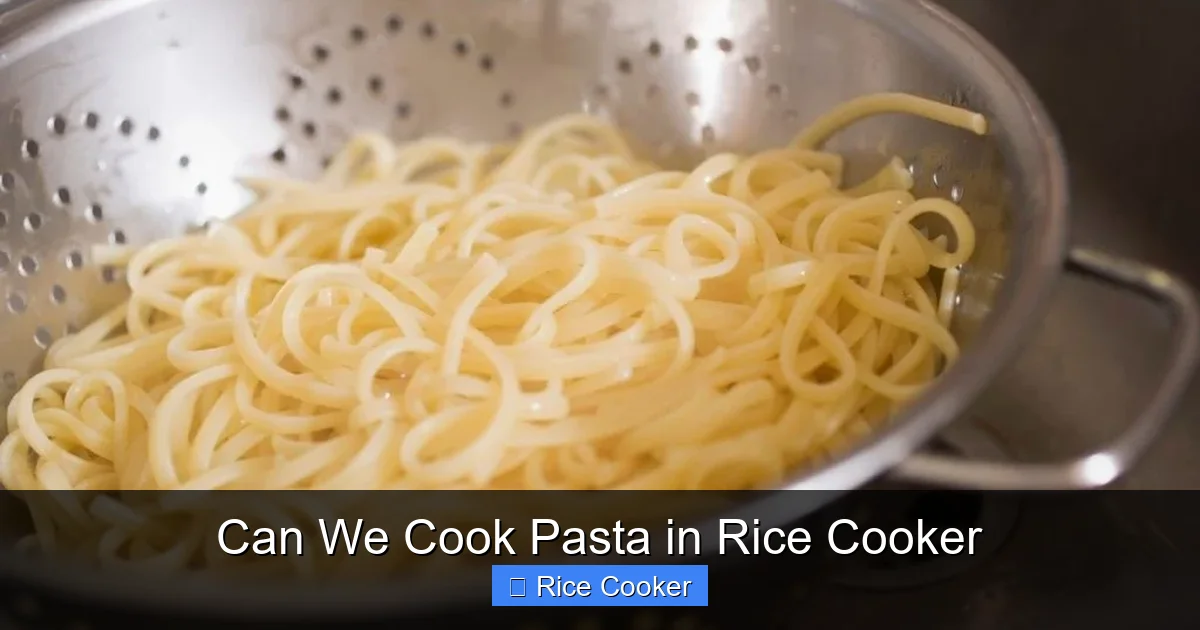
Visual guide about Can We Cook Pasta in Rice Cooker
Image source: recipemarker.com
But here’s the kicker: cooking pasta in a rice cooker isn’t just a gimmick—it’s actually backed by food science. The closed environment traps heat evenly, allowing the pasta to cook uniformly without scorching. Plus, modern rice cookers have settings like “pasta” or “cook” mode that adjust timing and temperature automatically. Even if yours doesn’t, manual control gives you full customization.
The Science Behind Cooking Pasta in a Rice Cooker
So, how does it work? When you cook pasta traditionally, you boil water, add salt, then toss in the pasta. As the water boils, the starch in the pasta dissolves, creating that classic cloudy bath. In a rice cooker, you skip the rolling boil and instead rely on sustained, gentle heat. This method mimics the “simmer” stage of stovetop cooking but with even distribution.
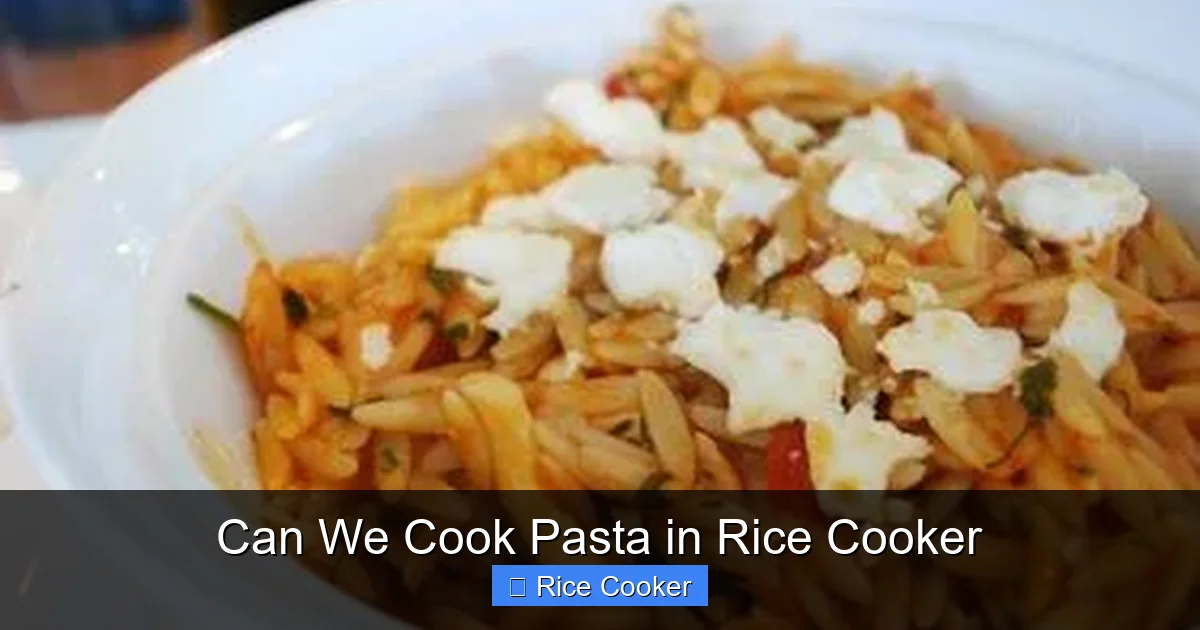
Visual guide about Can We Cook Pasta in Rice Cooker
Image source: ricecookerjunkie.com
Heat Transfer and Moisture Control
Rice cookers are sealed environments with built-in heating elements and often steam vents. When you add water and pasta, the heat builds slowly and consistently. Unlike a pot where hot spots can cause uneven cooking, the rice cooker distributes warmth evenly. This prevents dry patches and ensures every strand of pasta cooks at the same rate.
Moisture is another key factor. Because the lid is closed (or partially closed), steam circulates inside, keeping the pasta moist and preventing it from drying out. This is especially helpful for longer cooking times or delicate shapes like fusilli or rotini.
Starch Gelatinization Explained
Pasta cooks when the starches inside gelatinize—that is, they absorb water and swell, turning solid. This process happens between 130°F and 150°F (54°C to 65°C). A rice cooker maintains this ideal temperature range, especially during the “warm” setting after cooking finishes. This explains why your pasta stays tender and never gets mushy—even if you leave it in the pot too long.
Types of Pasta That Work Best in a Rice Cooker
Not all pasta shapes are created equal when it comes to rice cooker cooking. Some handle the method better than others. Here’s a breakdown of the best options:
Short and Medium Shapes
These include penne, elbow macaroni, rotini, farfalle (bow ties), and rigatoni. Their compact size allows them to move freely in the water, ensuring even cooking. They also drain well and hold sauce beautifully.
Dried vs. Fresh Pasta
Dried pasta is ideal because it’s firm and holds its shape during cooking. Fresh pasta, while delicious, tends to break apart more easily in the confined space. If you must use fresh, cut it into shorter pieces first.
Gluten-Free and Specialty Pastas
Yes, you can cook gluten-free pasta in a rice cooker! Just be aware that some brands may require a bit more water or longer cooking time. Brown rice pasta, chickpea pasta, and quinoa-based noodles all work well with slight adjustments.
Avoid These Types
Long noodles like spaghetti, linguine, or fettuccine are tricky. They tangle easily and don’t distribute heat evenly. Ravioli or tortellini might burst due to internal pressure. Stick to shapes that can float and move freely.
Step-by-Step Guide: How to Cook Pasta in a Rice Cooker
Ready to give it a try? Follow these simple steps for foolproof results every time.
What You’ll Need
- 1 pound (450g) dried pasta (short or medium shapes)
- 4–5 cups (950–1200ml) water per pound of pasta
- Salt (optional, but recommended)
- Measuring cup or scale
- Tongs or fork for stirring
- Airtight container for storage (if not eating immediately)
Step 1: Measure Water and Salt
For every pound of pasta, use 4 to 5 cups of water. Too little water leads to clumping; too much makes the pasta weak. Add 1–2 teaspoons of salt to the water—this enhances flavor without overpowering the dish.
Step 2: Add Pasta and Close Lid
Place the pasta directly into the rice cooker bowl. Pour in the salted water, ensuring the pasta is fully submerged. Close the lid tightly—this traps heat and steam for consistent cooking.
Step 3: Select the Right Setting
If your rice cooker has a “Pasta” or “Cook” mode, use it. Otherwise, set it to “Normal” or “White Rice.” Avoid “Quick Cook” as it may not reach the right temperature. Most rice cookers will automatically cycle through cooking and warming phases.
Step 4: Stir Occasionally
About halfway through cooking (after 6–8 minutes), lift the lid and gently stir with a fork or tongs. This prevents sticking and ensures even cooking. Reseal the lid immediately after stirring.
Step 5: Test for Doneness
After 10–12 minutes, taste a piece. It should be tender but still have a slight bite (al dente). If it’s undercooked, close the lid and continue for 2–3 more minutes. Overcooked pasta becomes mushy.
Step 6: Drain Excess Water
Once done, open the lid and drain any remaining water using a fine-mesh strainer or by tilting the cooker. Be careful—the water may still be hot!
Pro Tips for Perfect Pasta Every Time
Want to take your rice cooker pasta game to the next level? Try these expert tips.
Soak Dried Pasta Overnight
This revolutionary trick reduces cooking time dramatically. Soak pasta in cold water overnight, then drain before adding to the rice cooker. It can cut cooking time from 12 minutes to just 5–7. Just make sure to rinse thoroughly afterward to remove excess starch.
Use a Pasta Basket (Optional)
If your rice cooker came with a steaming basket, use it! Place the pasta in the basket, submerge it in water below, and cook. This keeps the pasta above the water line slightly, reducing risk of overcooking. Great for larger batches.
Add Sauce During the Last Minute
For saucy dishes like marinara or pesto, reserve 1/2 cup of pasta water before draining. After cooking, add the sauce back into the rice cooker with a splash of pasta water to create a creamy emulsion.
Cool Quickly to Prevent Sticking
To stop the cooking process immediately, transfer cooked pasta to a bowl of cold water or rinse briefly under cool tap. This is especially useful for salads or cold pasta dishes.
Don’t Forget the Oil (But Maybe Skip It)
Some people swear by adding a splash of olive oil to prevent sticking. However, most experts recommend against it—oil can interfere with sauce adhesion and isn’t necessary in a rice cooker due to constant stirring and steam circulation.
Common Mistakes and How to Avoid Them
Even experienced home cooks make mistakes. Here’s how to sidestep the most common pitfalls.
Mistake 1: Using Too Little Water
Underwatering causes pasta to stick together and become gummy. Always follow the 4–5 cups per pound rule. If you notice clumps, add a splash of hot water and stir gently.
Mistake 2: Not Stirring
Skipping the stir halfway through leads to uneven texture. Make it part of your routine—set a timer and check at the 6-minute mark.
Mistake 3: Opening the Lid Too Often
Each time you open the lid, heat escapes, slowing down cooking. Only open when absolutely necessary, like for stirring or testing.
Mistake 4: Using Long Noodles
As mentioned earlier, long strands tangle and don’t cook evenly. Cut them into 2-inch pieces if you must use them.
Mistake 5: Forgetting to Drain
Leaving excess water on pasta dilutes flavor and affects sauces. Always drain thoroughly unless you’re using the water for sauce.
Benefits of Cooking Pasta in a Rice Cooker
Beyond convenience, there are several compelling reasons to adopt this method.
Energy Efficiency
Rice cookers use less electricity than stovetops. According to energy studies, they consume about 20% less power for similar cooking tasks. Plus, they stay warm automatically, saving additional energy.
Consistent Results
Unlike stovetop cooking, where timing varies based on flame intensity, rice cookers offer precision. Your pasta will always come out within minutes of the target time.
Less Mess
No more bubbling over, splattered countertops, or sticky pots. The enclosed design contains everything inside the bowl.
Great for Batch Cooking
Make a large batch of pasta for meal prep, then store portions in the fridge. Reheat quickly in the microwave or with a splash of water.
Creative Ways to Use Your Cooked Pasta
Once you’ve mastered the basics, the possibilities are endless.
Pasta Salad
Cook pasta, cool it quickly, toss with chopped veggies, cheese, and vinaigrette. Refrigerate for 1 hour before serving. Perfect for picnics or lunches.
Baked Pasta Dishes
Layer cooked pasta with sauce, cheese, and toppings. Bake in the oven until golden brown. Lasagna and baked ziti work great this way.
One-Pot Meals
Add beans, tomatoes, spinach, or protein directly to the rice cooker after pasta is done. Let it simmer for 5 minutes for a complete meal.
Breakfast Pasta
Try savory versions with eggs, sausage, and kale. Cook pasta, scramble eggs, mix together, and enjoy a carb-heavy breakfast.
Frequently Asked Questions About Cooking Pasta in a Rice Cooker
How much water do I need for pasta in a rice cooker?
Use 4 to 5 cups of water for every pound of pasta. This ensures enough liquid for even cooking without making the pasta too soft.
Can I cook fresh pasta in a rice cooker?
Yes, but it’s best to cut it into smaller pieces first. Fresh pasta is softer and more likely to break, so handle it gently during stirring.
Do I need to pre-cook or toast the pasta?
No. Unlike grains such as barley or farro, regular pasta doesn’t require pre-toasting. Just add it directly to boiling water.
Can I cook gluten-free pasta in a rice cooker?
Absolutely. Most gluten-free pastas work well, though some may need a few extra minutes. Check package instructions for best results.
How do I prevent pasta from sticking?
Stir halfway through cooking, use adequate water, and avoid adding oil. The rice cooker’s steam and heat distribution naturally reduce sticking.
Can I cook multiple types of pasta at once?
Only if they have similar cooking times. For example, elbow macaroni and penne cook around the same time. Mixing quick-cooking (like orzo) with long-cooking (like rigatoni) may lead to inconsistency.
Final Thoughts: Is Cooking Pasta in a Rice Cooker Worth It?
After exploring every angle—science, technique, benefits, and troubleshooting—it’s clear that cooking pasta in a rice cooker is not just possible, but practical and delicious. It’s a smart, efficient method that saves time, energy, and effort. Whether you’re whipping up dinner for two or meal-prepping for the week, this approach fits seamlessly into any lifestyle.
Of course, traditional methods have their charm—the sizzle of garlic in olive oil, the aroma of simmering sauce. But sometimes, simplicity wins. With a rice cooker, you get consistent results, minimal cleanup, and maximum comfort. Give it a try tonight. Boil some water, grab your favorite pasta, and let your rice cooker do the rest.
You might just discover your new go-to kitchen hack.
Frequently Asked Questions
How much water do I need for pasta in a rice cooker?
Use 4 to 5 cups of water for every pound of pasta. This ensures enough liquid for even cooking without making the pasta too soft.
Can I cook fresh pasta in a rice cooker?
Yes, but it’s best to cut it into smaller pieces first. Fresh pasta is softer and more likely to break, so handle it gently during stirring.
Do I need to pre-cook or toast the pasta?
No. Unlike grains such as barley or farro, regular pasta doesn’t require pre-toasting. Just add it directly to boiling water.
Can I cook gluten-free pasta in a rice cooker?
Absolutely. Most gluten-free pastas work well, though some may need a few extra minutes. Check package instructions for best results.
How do I prevent pasta from sticking?
Stir halfway through cooking, use adequate water, and avoid adding oil. The rice cooker’s steam and heat distribution naturally reduce sticking.
Can I cook multiple types of pasta at once?
Only if they have similar cooking times. For example, elbow macaroni and penne cook around the same time. Mixing quick-cooking (like orzo) with long-cooking (like rigatoni) may lead to inconsistency.