
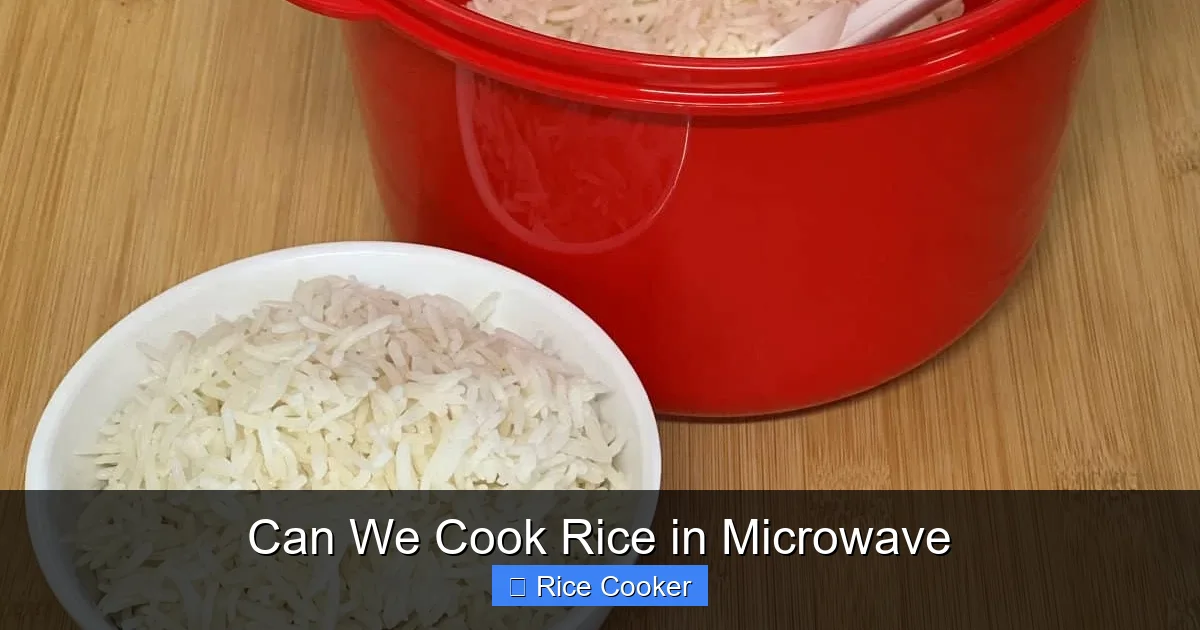
Can we cook rice in microwave? Absolutely—microwaves are fast, easy, and require minimal cleanup. With the right water ratio and timing, you’ll get fluffy, evenly cooked rice every time.
Key Takeaways
- Yes, microwaves can cook rice effectively using the right water-to-rice ratio and cooking technique.
- It saves time and energy compared to stovetop or rice cooker methods, especially for small batches.
- Different rice types need different settings, so adjust water levels and power accordingly.
- Proper resting is essential—let the rice stand covered after cooking to finish steaming.
- A microwave-safe container with venting prevents pressure buildup and ensures even cooking.
- Cleanup is simple since most methods require only one dish.
- Microwave cooking works best for short-grain and jasmine rice, though long-grain can also be done with care.
📑 Table of Contents
- Can We Cook Rice in Microwave? A Simple Guide to Perfect Microwave Rice Every Time
- The Basics: Can We Cook Rice in Microwave Safely?
- Step-by-Step Guide: How to Cook Rice in the Microwave
- Troubleshooting Common Microwave Rice Problems
- Advanced Tips for Perfect Microwave Rice
- When Not to Use the Microwave for Rice
- Environmental and Health Considerations
- Frequently Asked Questions About Cooking Rice in the Microwave
Can We Cook Rice in Microwave? A Simple Guide to Perfect Microwave Rice Every Time
Have you ever stood at your stove, watching a pot of rice boil over, only to realize you forgot the lid? Or maybe you’re craving a quick side dish but don’t have time to wait for a rice cooker to warm up. If that sounds familiar, you’re not alone. Many home cooks wonder: can we cook rice in microwave? The answer is a resounding yes—and it might just become your new favorite way to make rice.
Cooking rice in the microwave isn’t just possible; it’s practical, efficient, and surprisingly reliable. With just a few simple steps, you can prepare fluffy, tender grains in under 10 minutes. Whether you’re making sushi rice, a quick side for dinner, or just testing out a new kitchen trick, the microwave offers speed without sacrificing quality. Plus, it reduces the risk of burning or uneven cooking that can happen on the stovetop. In this article, we’ll walk you through everything you need to know—from choosing the right rice and container to mastering timing and texture. Let’s dive in!
The Basics: Can We Cook Rice in Microwave Safely?
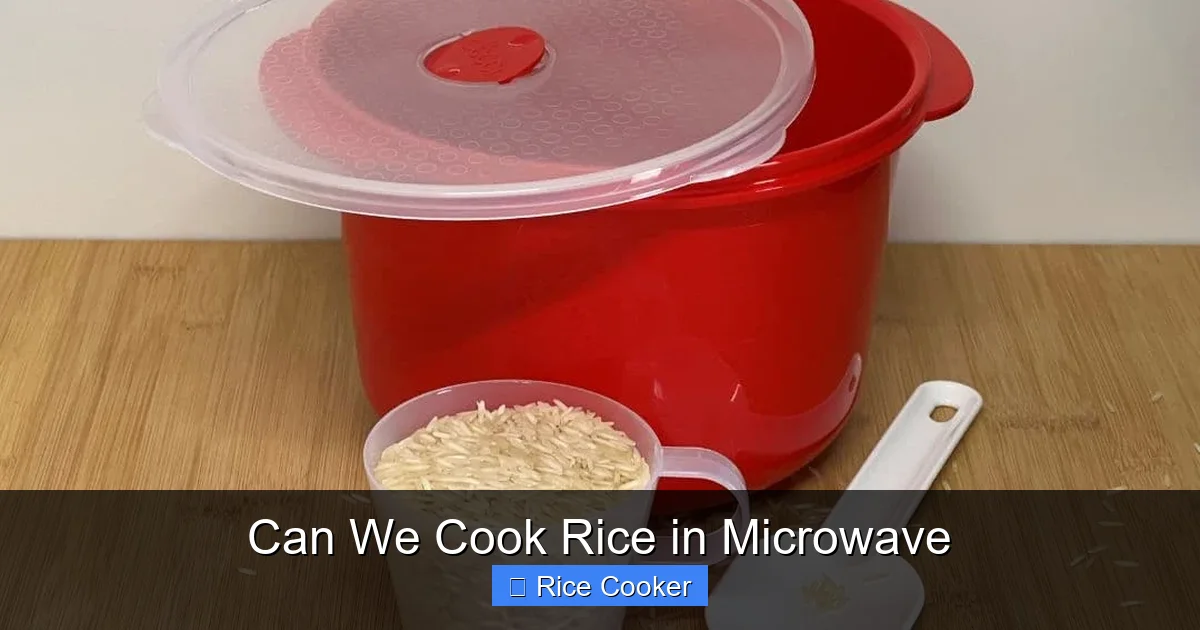
Before we get into the how-to, let’s address the big question: can we cook rice in microwave safely? The short answer is yes—as long as you follow proper food safety and cooking guidelines. Microwaves distribute heat differently than stovetops, which means they can actually produce more uniform cooking when used correctly. However, because rice expands during cooking, it’s crucial to use a microwave-safe container with enough room and proper ventilation to prevent steam buildup.
Visual guide about Can We Cook Rice in Microwave
Image source: ovenspot.com
Why Use a Microwave for Cooking Rice?
Microwaving rice has several advantages:
- Speed: Most rice types cook in 5–10 minutes, depending on quantity.
- Convenience: No stirring, no monitoring, no risk of scorching.
- Energy efficiency: Uses less electricity than heating a stovetop.
- Minimal cleanup: Just one bowl or dish needed.
That said, microwaving isn’t always ideal for large batches or specific rice varieties. But for everyday needs—like reheating leftover rice or making a quick meal—it’s a game-changer.
What Kind of Rice Works Best?
Not all rice types behave the same in the microwave. Here’s a quick breakdown:
- Jasmine and short-grain rice: These work excellently. Their starchy texture holds up well and becomes sticky and tender when cooked properly.
- Basmati and long-grain rice: These can be tricky due to their tendency to dry out or clump. They require careful water ratios and may benefit from a brief rest before fluffing.
- Brown rice: Takes longer than white rice but is doable. Expect about twice the cooking time (around 20–25 minutes).
- Instant or pre-cooked rice: These are already partially processed and usually only need reheating.
For beginners, we recommend starting with jasmine or short-grain rice—they’re forgiving and deliver great results consistently.
Step-by-Step Guide: How to Cook Rice in the Microwave
Ready to try it yourself? Follow these simple steps for foolproof microwave rice:
Visual guide about Can We Cook Rice in Microwave
Image source: weknowrice.com
Step 1: Choose the Right Container
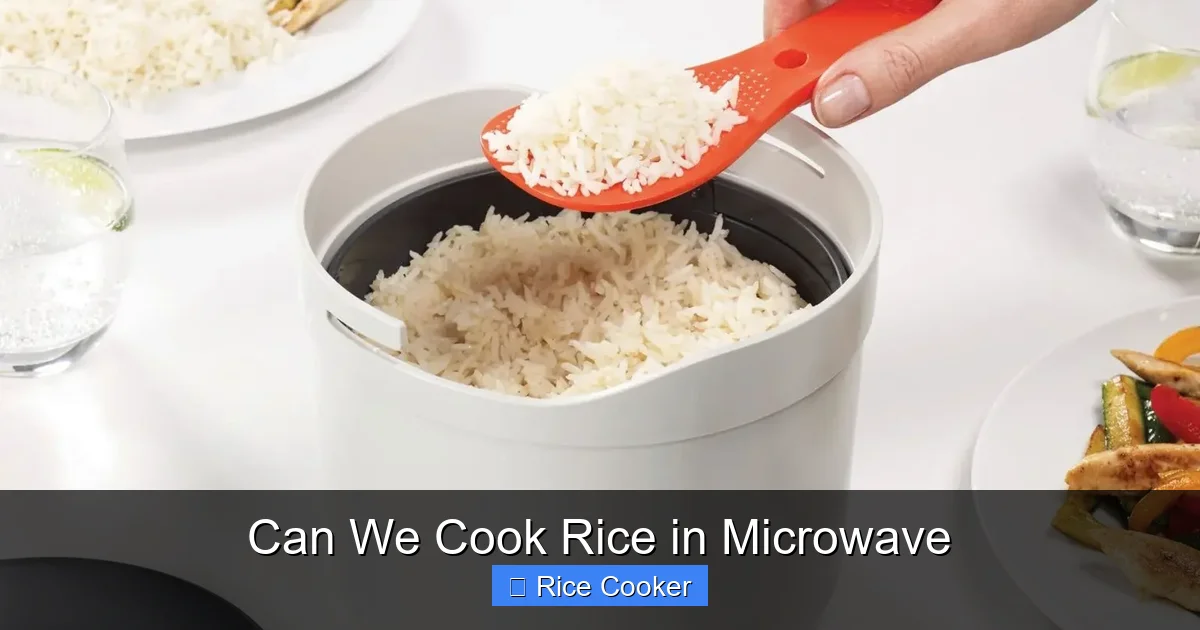
Use a microwave-safe glass or ceramic bowl with a capacity at least 2–3 times larger than your rice. Why? Rice expands as it absorbs water, so you need extra room to avoid overflow. Cover the bowl loosely with plastic wrap or a microwave-safe lid—but leave a small vent hole to allow steam to escape.
Step 2: Measure Water and Rice Accurately
The key to fluffy rice is the right water-to-ratio. For most white rice, use 1 part rice to 1.5 parts water. Jasmine and short-grain rice typically need 1:1.5, while brown rice requires more—about 1:2.5. Too much water leads to mushy rice; too little causes dry, hard grains.
Example:
– 1 cup rice → 1.5 cups water
– ½ cup rice → ¾ cup water
Step 3: Add Rice and Water to the Bowl
Rinse your rice briefly under cold water to remove excess starch (optional but recommended for fluffier results). Place it in the bowl, add water, stir gently, and cover.
Step 4: Cook on High Power
Microwave on high for 10–15 minutes, depending on amount and rice type. Start with the lower end of the range (e.g., 10 minutes for ½ cup rice) and check halfway through. You’ll know it’s done when the water is absorbed and the rice looks plump and tender.
Step 5: Rest and Fluff
Let the rice sit covered for 2–3 minutes after cooking. This allows residual heat to finish steaming the grains evenly. Then fluff with a fork before serving.
💡 Tip: For even better results, add a pinch of salt and a drop of oil to the water before cooking. This enhances flavor and prevents sticking.
Troubleshooting Common Microwave Rice Problems
Even experienced cooks run into issues now and then. Here’s how to fix the most common problems:
Rice Is Too Dry or Hard
This usually happens when there’s not enough water. Next time, increase the water slightly—try adding an extra ¼ cup. Also, ensure you’re using the correct rice type and don’t overcook, as prolonged microwaving dries out the grains.
Rice Is Mushy or Sticky
Too much water or overcooking causes this. Use less water next time and reduce cooking time by 1–2 minutes. Stirring the rice mid-way (if safe for your container) can also help break up clumps.
Water Doesn’t Absorb Fully
If some liquid remains after cooking, it may mean the microwave didn’t generate enough heat. Try covering the bowl tighter or adding another minute of cooking. Alternatively, transfer the rice to a plate and microwave uncovered for 1 minute to evaporate excess moisture.
Rice Burns or Gets Uneven Spots
This often occurs if the bowl doesn’t have proper airflow or if you’re using low-quality rice. Always leave a vent hole in the cover, and consider rotating the bowl halfway through cooking (if possible).
Advanced Tips for Perfect Microwave Rice
Once you’ve mastered the basics, here are some pro-level tricks to elevate your microwave rice game:
Use a Lid That Allows Steam Release
Airtight lids trap too much steam, leading to soggy rice. Instead, use a microwave-safe plate with a small corner lifted or a piece of parchment paper secured with a rubber band. This lets excess vapor escape while keeping moisture inside.
Pre-Soak Short-Grain Rice
For extra tenderness, soak jasmine or short-grain rice in water for 15–30 minutes before cooking. Drain thoroughly and proceed as usual. Soaking helps the grains absorb water evenly and reduces cooking time.
Add Flavor Infusions
Instead of plain water, try infusing your cooking liquid with aromatics. For example:
– Add a bay leaf and garlic clove for savory rice.
– Stir in a splash of coconut milk for fragrant jasmine rice.
– Use vegetable broth instead of water for added depth.
Double-Check Your Rice Quantity
Microwaves work best with smaller portions—typically up to 1 cup of uncooked rice. Larger amounts may cook unevenly. If you need more, divide into two bowls and cook separately.
Reheat Leftovers Properly
To reheat cooked rice, place it in a microwave-safe dish, sprinkle with a tablespoon of water, cover, and heat in 30-second intervals until warm. Stir between bursts to avoid hot spots.
When Not to Use the Microwave for Rice
While convenient, microwaving isn’t always the best choice. Consider alternatives in these cases:
- Large quantities: A rice cooker handles 2+ cups of rice more evenly.
- Specialty rice blends: Some pre-mixed rices are designed for stovetop or rice cooker use.
- Texture-sensitive dishes: Sushi rice benefits from precise temperature control, which a rice cooker provides better than a microwave.
Still, for everyday meals, the microwave remains a solid option.
Environmental and Health Considerations
Some people worry about microwaving food in general, but cooking rice in a microwave is both safe and eco-friendly. Modern microwaves are energy-efficient, and using them reduces the need for gas or electric burners. As for health, there’s no evidence that microwaved rice loses nutrients faster than boiled or steamed rice—especially since both methods involve similar temperature profiles.
Just ensure your container is BPA-free and microwave-safe to avoid chemical leaching.
Frequently Asked Questions About Cooking Rice in the Microwave
Can I cook brown rice in the microwave?
Yes, brown rice can be cooked in the microwave, but it takes longer—typically 20–25 minutes. Use a 1:2.5 water-to-rice ratio and check frequently to prevent drying out.
Do I need to rinse the rice before microwaving?
It’s optional but recommended. Rinsing removes surface starch, which helps achieve fluffier results, especially with short-grain varieties.
Can I cook rice directly in its packaging?
No. Never microwave rice in sealed plastic or metal containers—this poses a serious explosion risk due to steam buildup. Always transfer to a microwave-safe dish.
How do I store leftover microwave-cooked rice?
Cool completely, then refrigerate in an airtight container for up to 4 days. Reheat with a splash of water to restore moisture.
Is microwave rice as good as rice cooker rice?
For small batches and everyday use, microwave rice is nearly indistinguishable in texture and taste. Rice cookers excel at consistency for large quantities, but microwaving is perfectly adequate for most home cooks.
Can I cook frozen rice in the microwave?
Absolutely. Add a little extra water (about 1–2 tablespoons per cup), cover, and cook in 2-minute intervals, stirring between each, until heated through.
Frequently Asked Questions
Can I cook brown rice in the microwave?
Yes, brown rice can be cooked in the microwave, but it takes longer—typically 20–25 minutes. Use a 1:2.5 water-to-rice ratio and check frequently to prevent drying out.
Do I need to rinse the rice before microwaving?
It’s optional but recommended. Rinsing removes surface starch, which helps achieve fluffier results, especially with short-grain varieties.
Can I cook rice directly in its packaging?
No. Never microwave rice in sealed plastic or metal containers—this poses a serious explosion risk due to steam buildup. Always transfer to a microwave-safe dish.
How do I store leftover microwave-cooked rice?
Cool completely, then refrigerate in an airtight container for up to 4 days. Reheat with a splash of water to restore moisture.
Is microwave rice as good as rice cooker rice?
For small batches and everyday use, microwave rice is nearly indistinguishable in texture and taste. Rice cookers excel at consistency for large quantities, but microwaving is perfectly adequate for most home cooks.
Can I cook frozen rice in the microwave?
Absolutely. Add a little extra water (about 1–2 tablespoons per cup), cover, and cook in 2-minute intervals, stirring between each, until heated through.