
Can we reheat rice in rice cooker? Absolutely—yes! A rice cooker is not just for cooking; it’s also great for reheating leftover rice safely and evenly. With the right technique, you can restore your rice to its original texture without drying it out or risking foodborne illness. Whether you’re reheating a small portion or a full batch, using your rice cooker helps maintain moisture and prevents burning. Just remember to add a splash of water, cover the pot, and stir occasionally. This simple method makes meal prep and cleanup easier too.
Key Takeaways
- Yes, reheating rice in a rice cooker is safe and effective. The appliance’s controlled heat and steam help prevent uneven heating and drying.
- Always add liquid when reheating. Rice dries out quickly; adding 1–2 tablespoons of water per cup ensures it stays moist.
- Use the “Warm” or “Keep Warm” setting carefully. While convenient, prolonged use on warm mode can lead to bacterial growth if not monitored.
- Stir halfway through reheating for even results. This prevents clumping and hot spots that can burn the bottom layer.
- Store rice properly before reheating. Cool rice quickly and refrigerate within 2 hours to minimize bacterial growth.
- Reheat only what you plan to eat soon. Repeated reheating increases food safety risks.
- Clean your rice cooker thoroughly after each use. Residual food particles can affect future cooking and reheating quality.
[FEATURED_IMAGE_PLACEHOLDER]
Key Takeaways
- Understanding can we reheat rice in rice cooker: Provides essential knowledge
📑 Table of Contents
- Can We Reheat Rice in Rice Cooker? The Ultimate Guide
- Why Use a Rice Cooker to Reheat Rice?
- Step-by-Step: How to Reheat Rice in a Rice Cooker Safely
- Food Safety First: Avoiding Common Mistakes
- Tips for Perfectly Fluffy Reheated Rice
- Comparing Reheating Methods: Rice Cooker vs. Microwave vs. Stovetop
- Common Myths About Reheating Rice
- How Long Does Rice Stay Safe in the Fridge?
- What Types of Rice Are Best for Reheating?
- Creative Ways to Use Reheated Rice
- Maintaining Your Rice Cooker for Optimal Performance
- Conclusion: Yes, You Should Reheat Rice in Your Rice Cooker
Can We Reheat Rice in Rice Cooker? The Ultimate Guide
If you’ve ever had leftover rice after dinner, you know how tempting it is to just pop it in the rice cooker and hit the “cook” button again. But before you do, let’s talk about whether that’s actually a good idea—and if so, how to do it right.
Many people assume that since a rice cooker is designed to cook rice, it must also be the perfect tool for reheating. And they’re not entirely wrong. In fact, using a rice cooker to reheat rice is one of the most efficient and safest methods available at home. The secret lies in understanding how the appliance works and applying a few simple techniques to preserve flavor, texture, and food safety.
In this comprehensive guide, we’ll walk you through everything you need to know about reheating rice in a rice cooker. From why it’s a smart choice to step-by-step instructions, food safety tips, and expert advice—you’ll never look at your rice cooker the same way again.
Why Use a Rice Cooker to Reheat Rice?
Before diving into the “how,” let’s explore the “why.” Why would anyone choose a rice cooker over a microwave or stovetop for reheating rice? There are several compelling reasons.
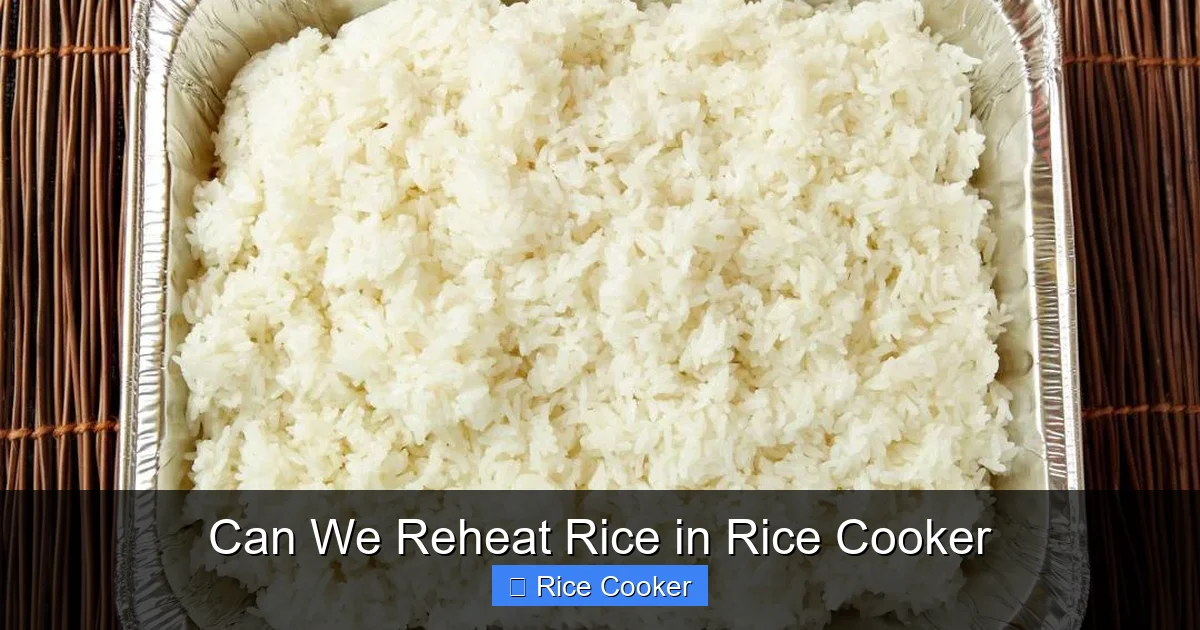
Visual guide about Can We Reheat Rice in Rice Cooker
Image source: ovenspot.com
Even Heat Distribution
Rice cookers are engineered to distribute heat evenly across the entire pot. Unlike microwaves, which can create cold spots and overheat certain areas, or stovetops that may burn the bottom layer, rice cookers gently circulate steam and heat throughout the grain. This results in uniformly warmed rice without scorching.
Moisture Retention
One of the biggest challenges when reheating rice is keeping it from turning into a dry, crumbly mess. Rice cookers excel at maintaining humidity thanks to their sealed environment and built-in steam regulation. When you add a little water and cover the pot, the steam softens the grains while preventing evaporation.
Convenience and Simplicity
Let’s face it—nobody wants to scrub a hot pan or monitor a pot on the stove. With a rice cooker, reheating is as easy as pressing a button. Most models have a “Reheat” or “Warm” setting specifically designed for this purpose. Plus, cleanup is minimal since the inner pot is typically non-stick and dishwasher-safe.
Preserves Texture
Microwaving rice often leads to uneven textures—some parts fluffy, others mushy. A rice cooker gently reheats each grain, helping restore that springy, tender bite you enjoyed the first time around.
Step-by-Step: How to Reheat Rice in a Rice Cooker Safely
Now that you know why it’s a great idea, here’s exactly how to do it. Follow these steps for perfectly reheated rice every time.
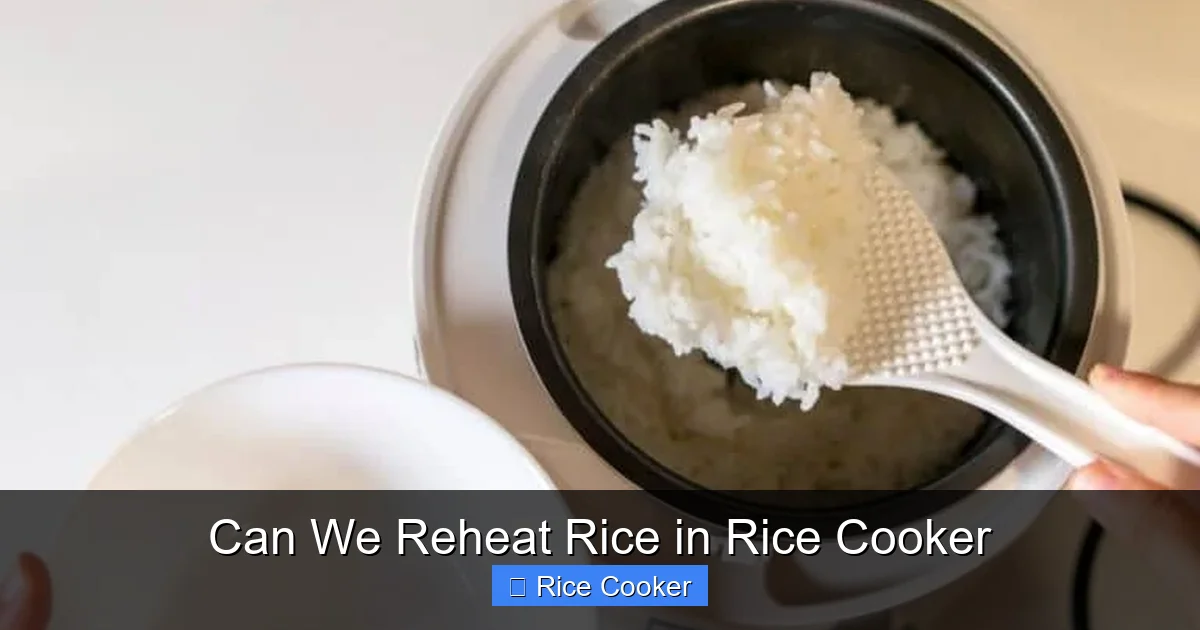
Visual guide about Can We Reheat Rice in Rice Cooker
Image source: ovenspot.com
Step 1: Transfer Leftover Rice Properly
Start by taking your leftover rice out of the refrigerator. If it’s been sitting for more than 24 hours, consider discarding it—rice older than that poses a higher risk of Bacillus cereus contamination. For short-term storage (within 1–2 days), transfer the rice to the inner pot of your rice cooker. Avoid using metal utensils that could scratch the non-stick surface.
Step 2: Add Moisture Gradually
This is crucial. Dry rice will never come back to life. Add 1–2 tablespoons of water per cup of rice. Too much water will make it soggy; too little will leave it hard and chewy. Stir gently to distribute the liquid evenly.
Step 3: Cover and Select the Right Setting
Close the lid securely. On most rice cookers, select either the “Cook” or “Reheat” function. Avoid using the “Keep Warm” setting for longer than 20 minutes, as prolonged exposure to warm temperatures encourages bacterial growth.
Step 4: Stir Midway Through
Once the rice cooker finishes its cycle (usually 5–10 minutes), open the lid and fluff the rice with a fork. Give it a quick stir to redistribute any condensed steam and ensure even consistency. This also helps release excess moisture if needed.
Step 5: Serve Immediately or Return to Warm
For best results, serve the rice right away. If you’re waiting for others to finish eating, you can place it back in the “Keep Warm” mode—but only for up to 30 minutes total. Always check the temperature before serving.
Food Safety First: Avoiding Common Mistakes
Reheating rice isn’t just about taste—it’s about health. Improper handling can lead to food poisoning, especially from bacteria like Bacillus cereus, which produces toxins that survive normal cooking and reheating.
Cool Rice Quickly After Cooking
Never leave cooked rice at room temperature for more than two hours. Bacteria multiply rapidly between 40°F and 140°F (the “danger zone”). To cool rice fast, spread it out in shallow containers and place it in the fridge within 90 minutes.
Refrigerate Promptly
Store cooled rice in airtight containers in the refrigerator at 40°F or below. Label the container with the date—rice should be eaten within 5–7 days.
Avoid Repeated Reheating
Each time you reheat rice, you increase the chance of bacterial survival. Only reheat once, and only reheat what you plan to eat immediately afterward.
Check for Signs of Spoilage
Before reheating, inspect your rice. If it smells off, has an unusual texture, or shows mold, discard it. Even if it looks fine, when in doubt, throw it out.
Tips for Perfectly Fluffy Reheated Rice
Want your reheated rice to taste like it just came fresh from the cooker? Try these pro tips.
Fluff Before Adding Water
Gently break up clumps with a fork before adding moisture. This ensures even absorption and prevents pockets of dry rice.
Use a Lid or Tented Cover
If your rice cooker doesn’t seal perfectly, loosely tuck a clean kitchen towel over the opening to trap steam without trapping condensation.
Adjust for Quantity
Smaller batches reheat faster and more evenly. If you have a large quantity, divide it into portions to avoid overloading the pot.
Season Lightly
Add a pinch of salt, a drizzle of oil, or a splash of soy sauce during reheating to revive flavor lost during refrigeration.
Experiment with Add-Ins
Mix in peas, carrots, herbs, or shredded chicken to transform plain rice into a complete meal.
Comparing Reheating Methods: Rice Cooker vs. Microwave vs. Stovetop
You might wonder: “If I can use a rice cooker, why bother with other methods?” Let’s compare the three most common approaches.
| Method | Pros | Cons |
|---|---|---|
| Rice Cooker | Even heating, moisture retention, hands-off, safe | Slight learning curve, limited capacity for very large batches |
| Microwave | Fast, convenient, energy-efficient | Uneven heating, tendency to dry out, requires stirring |
| Stovetop | Good control over heat, useful for sauces | Risk of burning, requires monitoring, harder to clean |
While microwaves are great for speed, they often fail to deliver consistent results. Stovetops require constant attention and are prone to scorching. The rice cooker strikes the perfect balance between convenience, safety, and quality.
Common Myths About Reheating Rice
There are plenty of myths floating around about reheating rice. Let’s debunk a few.
Myth #1: “You Can’t Reheat Rice More Than Once”
False. You *can* reheat rice multiple times, but each time increases the risk of bacterial contamination. It’s safer to reheat once and eat promptly.
Myth #2: “Boiling Water Is the Best Way to Reheat”
Not necessarily. While boiling works, it can overcook the outer layers while leaving the inside cold. Gentle steam reheating (like in a rice cooker) preserves better texture.
Myth #3: “All Rice Cookers Have a Reheat Function”
Most modern models do, but older or basic ones may only have “Cook” and “Keep Warm.” In that case, simply use the “Cook” setting with added water—it won’t harm the machine.
Myth #4: “Leftover Rice Is Always Unsafe”
Nope! As long as it’s stored correctly and reheated properly, leftover rice is completely safe and nutritious. It’s a staple of many cultures worldwide.
How Long Does Rice Stay Safe in the Fridge?
Proper storage extends the shelf life of rice significantly. Here’s a quick reference:
- Cooled rice: Refrigerate within 2 hours of cooking
- Shelf life in fridge: Up to 5–7 days
- Freezing option: Yes! Store in freezer-safe bags for up to 6 months. Thaw overnight in the fridge before reheating.
Freezing is ideal if you’re making extra rice for meal prep. Just portion it into single servings to avoid repeated thawing and reheating.
What Types of Rice Are Best for Reheating?
Not all rice is created equal when it comes to reheating. Short-grain varieties like sushi rice and jasmine tend to hold together well. Long-grain types like basmati or American rice can become slightly crumbly but still reheat nicely with proper care.
Avoid reheating instant or quick-cook rice—these are already partially cooked and may become mushy upon reheating. Stick to regular long-grain, medium-grain, or short-grain rice for best results.
Creative Ways to Use Reheated Rice
Don’t let your reheated rice go to waste! Turn it into something new.
Rice Pudding
Simmer reheated rice with milk, sugar, cinnamon, and raisins for a comforting dessert.
Fried Rice
Sauté rice with eggs, vegetables, soy sauce, and your favorite protein. A classic for a reason!
Risotto
Add broth gradually to reheated Arborio rice until creamy. Top with parmesan and herbs.
Rice Balls or Arancini
Form rice into balls, coat in egg and breadcrumbs, then fry or bake for a fun snack.
Maintaining Your Rice Cooker for Optimal Performance
To ensure your rice cooker delivers reliable reheating results, keep it clean and well-maintained.
Clean the Inner Pot After Each Use
Remove any stuck-on bits with warm, soapy water. Never use abrasive scrubbers on non-stick surfaces.
Check the Heating Element Regularly
Ensure the bottom plate is free of debris. A clogged element affects heat distribution.
Replace Worn Parts
If the lid gasket becomes brittle or the cord frays, replace it promptly. Safety first!
Avoid Overfilling
Fill no more than two-thirds full to allow steam circulation during reheating.
Conclusion: Yes, You Should Reheat Rice in Your Rice Cooker
So, can we reheat rice in a rice cooker? The answer is a resounding yes—and it’s one of the smartest, safest, and tastiest ways to enjoy leftovers. With just a bit of water, gentle heat, and a little care, your rice can return to its former glory without sacrificing texture or flavor.
Whether you’re a busy parent, a college student, or someone who loves meal prepping, mastering this simple technique saves time, reduces waste, and enhances your culinary experience. Plus, it turns an ordinary appliance into a versatile kitchen hero.
Remember: food safety comes first. Cool rice quickly, store it properly, and reheat only once. But when done right, reheating rice in your rice cooker is not just possible—it’s preferable.
Next time you reach for the leftover container, don’t hesitate. Grab your rice cooker, follow these steps, and enjoy perfectly reheated rice—fluffy, warm, and ready to eat.
Frequently Asked Questions
Is it safe to reheat rice in a rice cooker?
Yes, it’s safe as long as the rice was stored properly and reheated within a day or two. Always add water and reheat fully to kill any surviving bacteria.
How much water should I add when reheating rice?
Add 1–2 tablespoons of water per cup of rice. Adjust based on how dry your leftovers are—just enough to create steam without soaking the grains.
Can I reuse the same rice cooker pot for both cooking and reheating?
Absolutely. Most rice cookers are designed for continuous use. Just ensure the pot is clean and dry before starting a new batch.
Why does my reheated rice turn out sticky?
Too much water or over-reheating can cause stickiness. Next time, reduce the water slightly and avoid returning it to keep-warm mode for long periods.
How long can I keep rice in the fridge before reheating?
Up to 5–7 days. Beyond that, the risk of bacterial growth increases significantly, even if stored correctly.
Can I freeze rice to reheat later?
Yes! Freeze in portion-sized bags for up to 6 months. Thaw overnight in the fridge before reheating in the rice cooker.