

Adding butter to rice after cooking is not only possible but often recommended. It melts into the grains, creating a richer, more aromatic dish without affecting cooking time. Whether you’re making plain white rice or a savory side, a pat of butter can transform your meal with minimal effort.
Key Takeaways
- Yes, it’s safe: Adding butter after cooking won’t ruin your rice or make it inedible—it just adds richness and flavor.
- Timing matters: For best results, add butter when the rice is still warm so it melts evenly.
- Texture improves: Butter coats each grain, giving rice a silkier, more luxurious mouthfeel.
- Flavor boost: The fat in butter helps carry and enhance other seasonings like salt, herbs, or garlic.
- Use quality butter: Higher-fat butter (like European-style) melts better and adds more depth than low-fat versions.
- Balance is key: Don’t overdo it—too much butter can make rice greasy; a tablespoon per cup is ideal.
- Great for all types: Works well with white, brown, jasmine, basmati, and even leftover rice.
📑 Table of Contents
- Can You Add Butter to Rice After Cooking? Yes – And Here’s Why It’s Worth It
- Why People Ask This Question
- The Science Behind Butter and Starchy Grains
- When Is the Best Time to Add Butter?
- How Much Butter Should You Use?
- What Kind of Butter Works Best?
- How to Add Butter to Rice Without Making It Greasy
- Creative Ways to Use Butter in Rice Dishes
- Common Mistakes and How to Fix Them
- Does Adding Butter Change Nutritional Value?
- Reheating Rice With Butter
- Final Thoughts: Should You Always Add Butter?
Can You Add Butter to Rice After Cooking? Yes – And Here’s Why It’s Worth It
Have you ever made a perfect pot of rice, only to realize it’s a little dry or lacks that comforting richness you expected? If so, you’re not alone. Many home cooks reach for the same tried-and-true methods—rinsing grains, using the right water ratio, letting steam finish the job—but often overlook one simple ingredient that can elevate the entire dish: butter.
The question isn’t whether you *can* add butter to rice after cooking—it’s why you haven’t been doing it already. The answer is yes, absolutely. In fact, adding a small amount of butter at the end of the cooking process is a classic technique used in many cuisines around the world. From creamy risotto to fluffy pilafs, butter plays a starring role—and it doesn’t matter if you’re using an electric rice cooker or a stovetop pot. This simple step transforms ordinary rice into something truly special.
In this comprehensive guide, we’ll walk through everything you need to know about adding butter to rice after cooking. We’ll cover the science behind it, the best timing, how much to use, what kinds of butter work best, and even creative ways to incorporate it into different rice recipes. Whether you’re a beginner or a seasoned cook looking to refine your technique, you’ll find practical tips and real-world examples to help you get it right every time.
Why People Ask This Question
You might wonder: Is adding butter to cooked rice really necessary? Can’t you just stir it in cold? Won’t it just sit on top and separate?
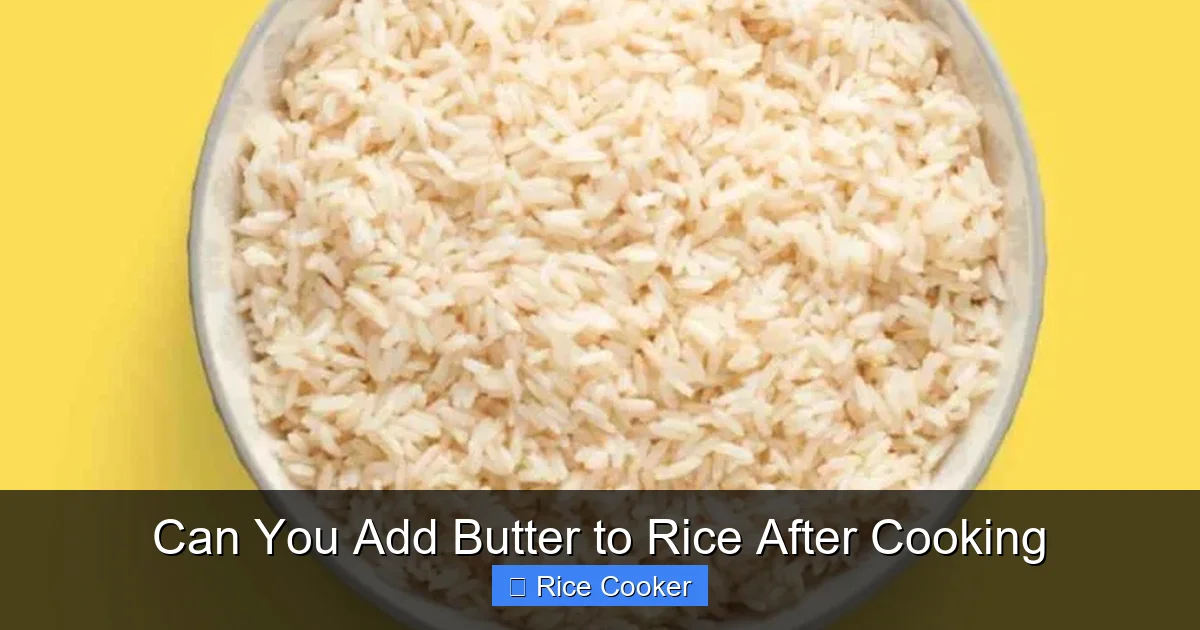
Visual guide about Can You Add Butter to Rice After Cooking
Image source: powerupcook.com
These are valid concerns, and they reflect a common misunderstanding about how fats interact with starchy foods like rice. Unlike oil, which sits on the surface, butter contains milk solids and moisture, both of which dissolve into the rice grains when warmed slightly. That’s why adding butter to warm rice allows it to melt gently and distribute evenly—without clumping or greasing up the pan.
Another myth worth debunking? That butter ruins rice. On the contrary, butter adds layers of flavor, improves mouthfeel, and can even help prevent rice from drying out further by sealing in moisture. It’s not about replacing traditional methods—it’s about enhancing them.
The Science Behind Butter and Starchy Grains
How Fat Interacts With Cooked Rice
Cooked rice is mostly starch molecules suspended in water. When heated properly, these starches absorb liquid and expand, creating soft, tender grains. But once cooled, the starch retrogrades—meaning it recrystallizes and becomes firmer. That’s why refrigerated rice can feel chewy or gummy.
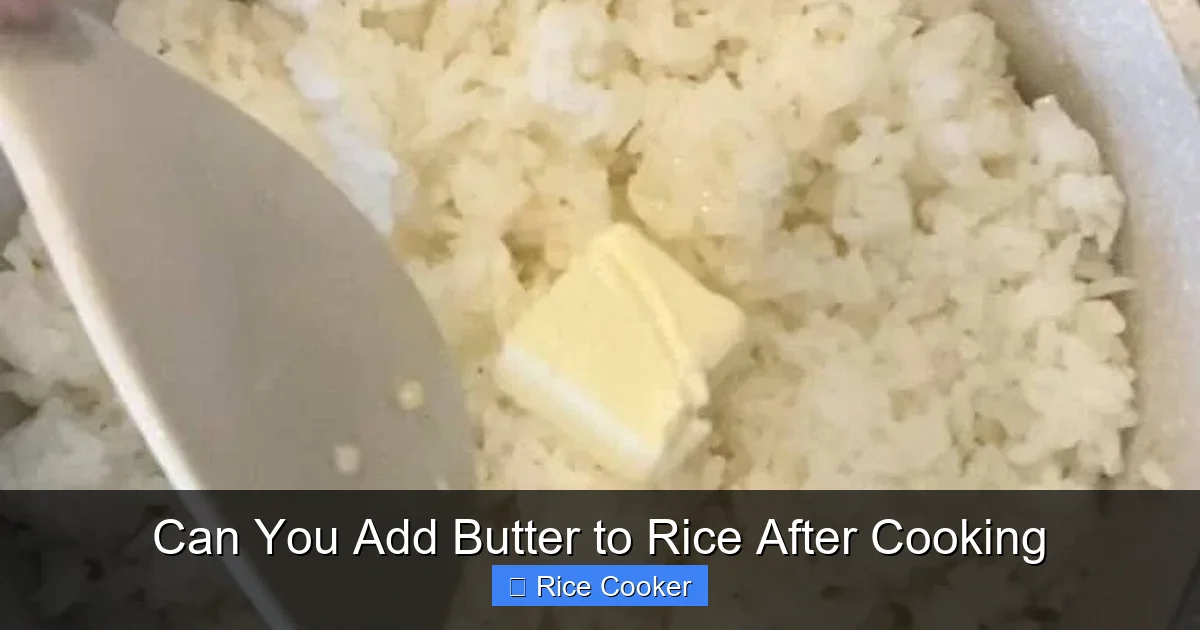
Visual guide about Can You Add Butter to Rice After Cooking
Image source: simplelivingrecipes.com
Butter, however, introduces healthy fats that coat each grain. These fats don’t just sit on top; they penetrate slightly due to residual heat and create a smooth, glossy finish. This coating prevents individual grains from sticking together and gives rice a more appealing appearance and texture.
The Role of Milk Solids
Unlike pure fat (like oil), butter contains about 15–20% milk solids. These contribute to browning, aroma, and complexity. When melted into warm rice, they release subtle nutty notes and enhance overall flavor. This is especially noticeable in long-grain varieties like basmati or jasmine, where the floral undertones pair beautifully with dairy fat.
Moisture Retention
One overlooked benefit of adding butter late in the process is its ability to seal in moisture. A small amount of butter acts almost like a natural sealant, preventing excess evaporation and keeping rice moist longer—even after sitting on the counter or being reheated.
When Is the Best Time to Add Butter?
Timing is crucial. Adding butter to rice immediately after turning off the heat—while it’s still warm—is ideal. At this point, the residual heat will gently melt the butter without overcooking or drying out the grains.
Step-by-Step Timing Guide
- Pause after cooking: Turn off your rice cooker or remove the pot from heat. Let it rest for 5 minutes to allow steam to redistribute moisture evenly.
- Add butter while warm: Stir in softened or room-temperature butter. Avoid adding cold butter directly to hot rice—it may seize or create uneven melting.
- Let it rest again: Cover the pot and let it sit for another minute or two. This allows the butter to fully integrate.
If you’re reheating leftover rice, you can still add a small amount of butter at this stage—just warm the rice slightly first (in the microwave or on the stove) to help the butter blend in.
How Much Butter Should You Use?
Too little butter won’t make a noticeable difference. Too much, and your rice could become overly rich or greasy. As a general rule:
- For 1 cup of uncooked white rice: 1 teaspoon to 1 tablespoon of butter
- For 1 cup of brown rice or whole grains: 1 tablespoon, as denser grains benefit from extra richness
- For large batches (6+ cups): Adjust proportionally—never exceed 2 tablespoons per cup
Start with less and taste. You can always add more, but you can’t take it back!
What Kind of Butter Works Best?
Not all butters are created equal when it comes to cooking. Here’s what to look for:
Salted vs. Unsalted Butter
Most experts recommend unsalted butter for precise seasoning control. If you use salted butter, reduce added salt accordingly. However, if you enjoy a hint of saltiness in your rice (especially in dishes like butter chicken or pilaf), salted butter works fine.
European-Style Butter
This has a higher fat content (82–84%) compared to standard American butter (80%). The extra fat means it melts more smoothly and imparts richer flavor. Great for gourmet or special-occasion rice dishes.
Clarified Butter (Ghee)
For a nutty, deeply flavored option, try using ghee instead of regular butter. It burns at a higher temperature and has a lower water content, reducing the risk of sogginess. Popular in Indian and Middle Eastern cuisines.
Vegan Alternatives
Prefer plant-based options? Coconut oil, olive oil, or vegan butter blends can substitute. Note that coconut oil will impart a slight tropical flavor—great for desserts but less ideal for savory dishes.
How to Add Butter to Rice Without Making It Greasy
Greasy rice usually results from one of three mistakes:
- Using too much butter
- Adding cold butter directly to hot rice
- Not stirring thoroughly
To avoid these pitfalls:
- Use softened butter: Cut butter into small pieces and let it come to room temperature before adding.
- Stir constantly: Use a wooden spoon or spatula to mix gently but firmly for 30–60 seconds until fully incorporated.
- Don’t pile it on: Spread butter evenly across the top, then fold it through the rice.
If you notice butter pooling at the bottom after stirring, simply press it into the grains with the back of your spoon.
Creative Ways to Use Butter in Rice Dishes
Butter isn’t just for plain boiled rice. It shines in a variety of global-inspired dishes:
Buttered Pilaf
Aromatic spices, sautéed onions, and golden raisins all come together with a final drizzle of butter for a festive side dish. Perfect with roasted meats or holiday meals.
Risotto
Traditional Italian risotto relies heavily on butter (along with Parmesan cheese) to create its signature creamy texture. Stir in a generous knob at the end for richness and shine.
Fried Rice
After frying rice with soy sauce and vegetables, toss in a pat of butter just before serving. The fat balances the saltiness and adds silkiness.
Dessert Rice Pudding
While rice pudding is traditionally made with milk and sugar, finishing it with a knob of butter enhances creaminess and prevents curdling.
Mexican Arroz Rojo
Tomato-braised rice gets a buttery lift at the end, cutting through the acidity and adding depth.
Common Mistakes and How to Fix Them
Mistake: Adding Butter Cold
Fix: Always soften butter ahead of time. Or melt it gently in a saucepan before adding to rice.
Mistake: Overcooking After Adding Butter
Fix: Once butter is added, avoid prolonged heat. Let the rice rest covered instead.
Mistake: Using Low-Fat Butter
Fix: Opt for full-fat butter for best flavor and texture. Low-fat versions lack body and tend to break down.
Mistake: Not Seasoning Properly
Fix: Salt and butter go hand-in-hand. Taste and adjust seasoning after adding butter, since fat mutes some flavors initially.
Does Adding Butter Change Nutritional Value?
Yes—and no. Adding butter increases calories and saturated fat slightly, but the change is modest. One tablespoon of butter adds about 100 calories and 7 grams of fat to a typical serving of rice. If you’re watching your intake, consider using half the amount or substituting with olive oil (which offers heart-healthy monounsaturated fats).
On the flip side, butter provides fat-soluble vitamins (A, D, E, K) and contributes to satiety—helping you feel fuller longer. So while it’s not “healthy” in a calorie-free sense, it does offer nutritional benefits when consumed mindfully.
Reheating Rice With Butter
Leftovers lose moisture quickly. Reheating with a bit of butter restores softness:
- Place rice in a microwave-safe bowl.
- Sprinkle ½ teaspoon butter per cup.
- Cover and microwave on high for 1–2 minutes, stirring halfway.
- Let stand 1 minute before serving.
Alternatively, reheat on the stove with a splash of water and a pat of butter—this method gives better control over texture.
Final Thoughts: Should You Always Add Butter?
No—but it’s worth trying. Plain rice serves its purpose, but adding butter turns it into a more satisfying, restaurant-quality dish. It’s especially useful when hosting guests, preparing holiday sides, or simply treating yourself to something extra special.
Remember: This isn’t about rigid rules. Experiment with amounts, types of butter, and complementary ingredients like lemon zest, chives, or smoked paprika. The beauty of cooking is flexibility, and butter is a versatile ally.
So next time you cook rice—whether with a rice cooker, pot, or Instant Pot—consider ending with a gentle swirl of butter. Your taste buds (and dinner guests) will thank you.
Frequently Asked Questions
Is it okay to put butter in rice after cooking?
Absolutely. Adding butter to warm rice melts evenly and enhances flavor and texture without altering the cooking process. It’s a common technique in many global cuisines.
Will butter make rice greasy?
Only if used excessively or added improperly. Use 1 teaspoon to 1 tablespoon per cup of rice, and stir thoroughly while warm to avoid greasiness.
Can I add cold butter to hot rice?
It’s not ideal. Cold butter may seize or create uneven distribution. Softened or melted butter works best for smooth integration.
Does butter affect the texture of rice?
Yes—it coats each grain, creating a silkier, glossier finish that prevents sticking and improves mouthfeel.
Can I use margarine instead of butter?
Margarine can be used, but it often contains water and additives that may affect texture and flavor. Stick to real butter for best results.
How do I add butter to rice without a spoon?
You can sprinkle small bits of butter over the rice and let the residual heat melt them gradually. Then toss with your hands or a fork to distribute evenly.