
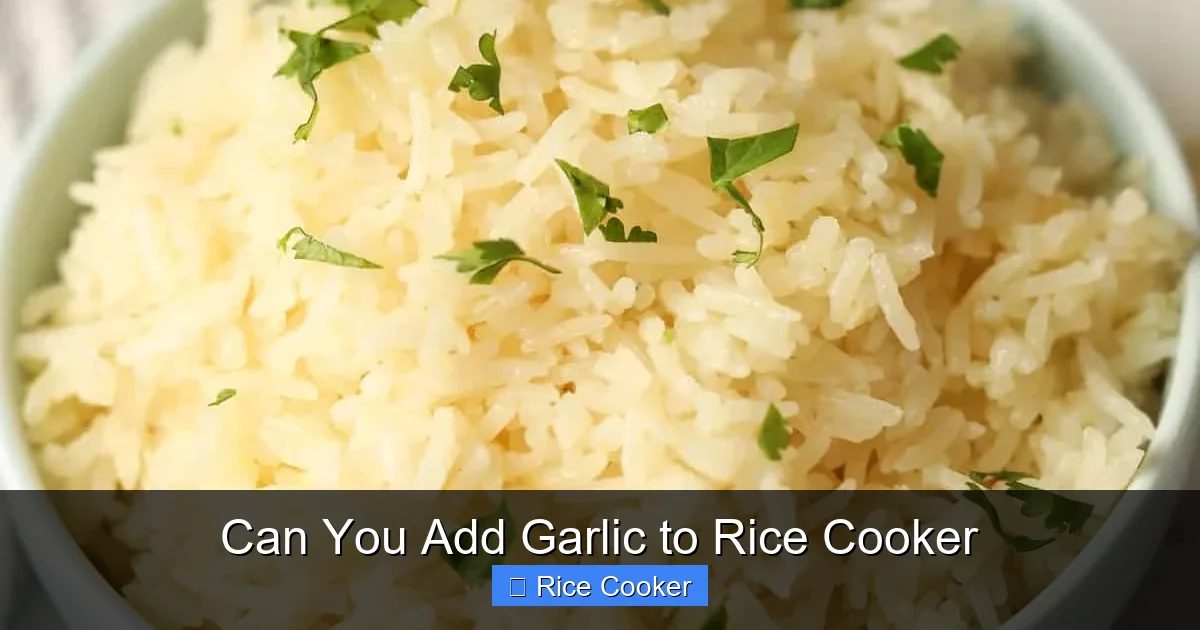
Adding garlic to your rice cooker is not only possible—it’s easy and delicious! This simple technique enhances the flavor of your rice while boosting its nutritional value. Whether you’re cooking plain white rice or experimenting with grains like quinoa or brown rice, garlic adds depth and aroma without extra effort.
Can You Add Garlic to Rice Cooker?
Imagine this: you’re in the kitchen after a long day, craving something warm, comforting, and ready in under 30 minutes. You reach for your trusty rice cooker—because who doesn’t love a quick, hands-off meal? Now, what if I told you could make that bowl of rice even better? Just by adding a few cloves of garlic.
Yes, you heard that right. You can absolutely add garlic to your rice cooker, and it might just become your new go-to trick for flavorful, aromatic rice. Whether you’re making dinner for one or feeding a hungry family, garlic-infused rice is simple, nutritious, and surprisingly versatile. In this article, we’ll walk you through everything you need to know—from how to do it safely to creative ways to use garlic rice in your meals.
Why Garlic Makes Rice Better
Garlic has been used for centuries not just as a seasoning but as a natural remedy. Its pungent aroma and bold flavor come from sulfur-containing compounds like allicin, which also offer health benefits like supporting the immune system and reducing inflammation. But beyond its health perks, garlic transforms plain rice into something extraordinary.
When you add garlic to your rice cooker, the heat gently releases its oils, blending them into every grain. The result? A fragrant, golden-brown rice with a subtle chewiness and deep umami flavor. It’s no longer just “rice”—it’s a complete side dish or even a main course when paired with proteins and veggies.
And here’s the best part: you don’t need to be a chef to do it. Unlike stovetop garlic rice, where timing and heat control are tricky, your rice cooker handles it all automatically. No stirring, no risk of burning, and no guesswork.
How to Safely Add Garlic to Your Rice Cooker
Before you start tossing garlic into the pot, let’s talk safety. Raw garlic can be strong, and if overdone, it may turn bitter or burnt—especially in a sealed environment like a rice cooker. But with a few smart tips, you can avoid disaster and get perfect results every time.
Choose Fresh Cloves Over Powdered Garlic
Fresh garlic is always better than powdered versions. Pre-minced garlic often contains preservatives and loses potency during processing. Plus, whole cloves release flavor more evenly as they cook slowly with the rice.
Peel and Slice Thinly
Don’t smash or chop garlic too finely. Large pieces can burn before the rice is done. Instead, slice cloves thinly or slightly crush them so they soften gradually.
Use the Right Amount
Start small. Two to three cloves per cup of rice is enough for most tastes. Too much garlic can overwhelm the dish. If you’re unsure, begin with one clove and adjust next time.
Add Garlic Early in the Process
Place garlic at the bottom of the inner pot along with water and rice. This allows it to infuse flavor throughout the cooking cycle without direct contact with high heat at the start.
Don’t Skip the Water Ratio
Remember—garlic needs moisture to cook properly. Always follow your rice cooker’s standard water-to-rice ratio. Adding garlic won’t change that, but skipping water will ruin both garlic and rice.
Types of Rice That Work Best With Garlic
Not all rice is created equal when it comes to absorbing garlic flavor. Some grains soak up the essence better than others. Here’s a breakdown:
White Rice (Short-Grain)
This is the classic choice. Short-grain white rice, like sushi rice or Arborio, has a starchy surface that loves to absorb liquids—including garlic-infused water. The result is soft, sticky, and deeply flavored rice perfect for rolls, stir-fries, or creamy risottos.
Brown Rice
While brown rice takes longer to cook, it still benefits from garlic. Its nuttier profile pairs beautifully with garlic’s sharpness. Just double-check your water ratio—brown rice needs more liquid than white.
Jasmine and Basmati
These long-grain varieties have a delicate fragrance that complements garlic well. Jasmine rice becomes fluffy and slightly floral when cooked with garlic, while basmati gains a clean, aromatic lift. Both are great for biryanis or pilafs.
Quinoa and Other Grains
Yes! Quinoa, barley, and even wild rice can be cooked with garlic. These grains hold their shape nicely and develop a satisfying bite. Try garlic-quinoa as a base for bowls or salads.
Popular Garlic Rice Recipes You Can Make in a Rice Cooker
Now that you know the basics, let’s get cooking. Here are five delicious ways to use garlic in your rice cooker—no recipe cards required.
Classic Garlic White Rice
Ingredients:
– 1 cup white rice
– 1–2 cloves garlic, thinly sliced
– 1¼ cups water
– Pinch of salt
Instructions:
1. Rinse rice until water runs clear.
2. Add rice, garlic, water, and salt to the rice cooker.
3. Cook according to manual (usually 20–25 minutes).
4. Let sit for 5 minutes after cooking before fluffing.
Serve with grilled chicken or steamed broccoli for a complete meal.
Garlic Herb Rice
Boost your rice with fresh herbs. Add chopped parsley, thyme, or rosemary along with the garlic. The combo creates a Mediterranean-inspired side that’s perfect with roasted vegetables or fish.
Garlic Lemon Rice
For brightness, squeeze half a lemon into the water before cooking. The citrus cuts through garlic’s intensity, creating a zesty, balanced flavor. Great with shrimp or salmon.
Garlic Butter Rice
After cooking, stir in 1 tablespoon of melted butter and an optional pinch of black pepper. This simple upgrade turns plain garlic rice into a luxurious comfort food.
Garlic Tomato Rice
Add diced tomatoes (fresh or canned) along with the garlic. Cook until tomatoes break down into a sauce. This creates a rustic, tangy rice that’s ideal with Italian dishes or tacos.
Tips for Perfect Garlic Rice Every Time
Even the simplest recipes benefit from a little finesse. Follow these pro tips to ensure success:
Let It Rest After Cooking
Most rice cookers have a “warm” setting, but resist using it too long. Instead, turn off the cooker after the cycle ends and let the rice rest for 5–10 minutes. This helps distribute moisture and flavor evenly.
Fluff Gently
Use a fork—not a spoon—to fluff the rice. Spooning pushes air out and can break delicate grains.
Store Leftovers Properly
Garlic rice keeps well in the fridge for up to 4 days. Reheat with a splash of water to restore moisture.
Experiment with Toppings
Sprinkle Parmesan, toasted pine nuts, or fried shallots on top for texture and richness.
Common Mistakes to Avoid
Overloading with Garlic
It’s tempting to add a dozen cloves for maximum flavor, but remember—less is more. Start with two per cup and taste as you go.
Using Old or Sprouted Garlic
Old garlic loses potency and can taste papery or bland. Choose firm, plump cloves with tight skins.
Skipping the Rinse
Rinsing removes excess starch, preventing mushy rice. Always rinse short- and medium-grain rice before cooking.
Ignoring the Manual
Every rice cooker is different. Check your model’s guidelines for cooking times and ratios—especially if you’re mixing grains or using unconventional ingredients.
Health Benefits of Garlic-Rice Combos
Beyond taste, garlic adds real nutritional value to your meals. Allicin, the active compound in garlic, has antioxidant and antimicrobial properties. Studies suggest it may help lower blood pressure, improve cholesterol levels, and support gut health.
When combined with rice—a good source of energy—this duo makes for a balanced, satisfying meal. Pair it with lean protein and colorful vegetables, and you’ve got a nutritious, filling option that’s easy to prepare.
Garlic rice is also naturally low-fat and gluten-free (if using certified gluten-free rice), making it suitable for many dietary needs.
Creative Ways to Use Garlic Rice in Meals
Garlic rice isn’t just a side dish. Think outside the box and use it as a base for bowls, wraps, or even desserts (yes, really).
Breakfast Burrito Bowl
Cook garlic rice with black beans, corn, avocado, and salsa. Top with scrambled eggs for a hearty breakfast.
Sushi or Sashimi Plate
Serve garlic-infused sushi rice alongside raw fish for a gourmet twist. The garlic enhances the seafood without overpowering it.
Stuffed Bell Peppers
Fill bell peppers with garlic rice, ground turkey, and cheese. Bake until tender—delicious and impressive.
Pilaf or Biryani Base
Layer garlic rice with spices, meat, and caramelized onions for a festive main course.
Salad Topper
Mix cooled garlic rice into grain salads with cucumbers, cherry tomatoes, and feta for added crunch and flavor.
Troubleshooting Common Issues
Burnt Garlic
If your garlic turns black or bitter, it likely overcooked. Next time, reduce heat by placing a tea towel between the lid and body, or remove garlic halfway through cooking.
Weak Flavor
Garlic may not infuse strongly if added too late or if the rice cooker lacks proper circulation. Always add garlic at the beginning.
Grainy Texture
This usually means insufficient rinsing or incorrect water ratio. Stick to manufacturer guidelines.
Mushy Rice
Overcooking causes mushiness. Don’t open the lid mid-cycle, and avoid pressing down on grains with a spoon.
Can You Use Garlic Powder Instead?
Technically yes, but it’s not recommended. Garlic powder lacks the complexity of fresh garlic and may contain added fillers. If you must use it, use ½ teaspoon per cup of rice and reduce overall salt.
Final Thoughts: Why Garlic Rice Deserves a Spot in Your Kitchen
Adding garlic to your rice cooker isn’t just a shortcut—it’s a flavor revolution. It takes minimal effort, uses common ingredients, and delivers big rewards in taste and nutrition. Whether you’re a busy parent, a college student, or someone who loves experimenting in the kitchen, garlic rice is a game-changer.
The beauty of this method lies in its simplicity. No fancy equipment, no advanced techniques—just rice, garlic, water, and a little patience. And once you try it, you’ll wonder why you waited so long.
So go ahead: grab those cloves, fire up your rice cooker, and transform ordinary grains into something extraordinary. Your taste buds—and your dinner guests—will thank you.
Key Takeaways
- Flavor Boost: Garlic infuses rice with rich, savory notes that elevate even the simplest dishes.
- Nutritional Benefits: Garlic contains antioxidants and compounds like allicin that support immune health and heart function.
- Easy Preparation: No special skills needed—just chop, add, and let your rice cooker do the work.
- Versatile Use: Works with white rice, brown rice, jasmine, basmati, and other grains.
- Time-Saving: Cook garlic and rice together for a one-pot meal that saves cleanup and prep time.
- Customizable: Adjust garlic quantity based on taste preference—from mild to bold.
- Safety Tips: Avoid burning by using fresh cloves instead of pre-minced garlic or oil-heavy methods.
Frequently Asked Questions
Can I add frozen garlic to my rice cooker?
No, frozen garlic should never be used directly. Thaw and peel it first, then slice or crush it before adding to the rice cooker. Frozen garlic can release excess water and disrupt the cooking process.
Does garlic change the color of rice?
Yes, garlic can give rice a slight yellowish tint due to the natural pigments in the cloves. This is normal and doesn’t affect taste or safety. The color deepens with more garlic or longer cooking times.
Is garlic rice good for weight loss?
Garlic rice can be part of a healthy diet when portion-controlled and paired with vegetables or lean proteins. Garlic supports metabolism and digestion, but the rice itself provides carbohydrates for energy.
Can I use roasted garlic instead?
Absolutely! Roasted garlic is sweeter and milder. Use 1–2 tablespoons of mashed roasted garlic per cup of rice. Add it during the last 5 minutes of cooking to preserve its creamy texture.
Will garlic make my breath smell?
Garlic consumed in normal amounts may temporarily affect breath, but this varies by individual. Drinking milk or chewing parsley afterward can help minimize odor.
How do I store garlic rice leftovers?
Store in an airtight container in the refrigerator for up to 4 days. Reheat with a splash of water or broth to restore moisture. Avoid microwaving without covering to prevent drying.