
Adding extra water to rice during cooking is possible—but timing matters. If you notice the rice is too dry halfway through, adding a small amount of hot water may help. However, overdoing it can lead to mushy or soggy results. The key is knowing when, how much, and how to adjust without ruining your dish.
Key Takeaways
- It’s okay to add water during cooking, but only if the rice isn’t fully cooked yet and still needs moisture.
- Use hot (not boiling) water to avoid shocking the grains and disrupting steam pressure in your rice cooker.
- Never add more than 1/4 cup extra water at a time unless you’re making a large batch—excess liquid causes stickiness.
- White rice tolerates minor adjustments better than long-grain jasmine or basmati, which are more sensitive to moisture changes.
- Always check doneness before adding water: if the top layer feels dry or cracked, it might need a little help.
- Stirring after adding water can help distribute heat evenly and prevent clumping—but be gentle with delicate grains like sushi rice.
- For best results, start with the right initial water ratio to minimize the need for mid-cook adjustments.
📑 Table of Contents
- Can You Add More Water to Rice While Cooking?
- Understanding Rice Hydration Basics
- When Is It Safe to Add More Water?
- How to Safely Add Water Mid-Cook
- Common Mistakes and How to Avoid Them
- Rice Types and Their Sensitivity to Water Adjustments
- Expert Tips for Perfect Rice Every Time
- Conclusion: Yes, But Do It Right
Can You Add More Water to Rice While Cooking?
We’ve all been there—you’re in the middle of dinner prep, your rice cooker is humming along, and suddenly you realize your rice looks drier than expected. Maybe it’s been sitting for a few minutes, or perhaps the lid slipped open briefly. Your heart sinks: *Can I add more water now?* The good news is yes—you can add more water to rice while cooking, but doing so correctly makes all the difference between fluffy, tender grains and a sticky, soupy mess. Understanding when, how, and how much to add ensures your rice turns out perfectly every time.
Rice cookers are designed to automate the cooking process, maintaining consistent temperature and steam. But even these smart appliances aren’t immune to human error—like opening the lid too often or using the wrong water-to-rice ratio. When you catch yourself thinking, “I should’ve added more water,” know that you’re not alone. Millions of home cooks face this dilemma daily. The secret lies not just in adding water, but in understanding the science behind rice hydration and how each grain type reacts under pressure.
Understanding Rice Hydration Basics
Before we dive into whether you can add more water mid-cook, let’s talk about why water is essential in the first place. Rice absorbs water during cooking, transforming from hard, dry seeds into soft, edible grains. Different types of rice require different amounts of water based on their starch content, shape, and origin. For example, short-grain Japanese rice holds onto more water and becomes creamy, while long-grain basmati releases excess moisture, resulting in separated, fluffy grains.
Visual guide about Can You Add More Water to Rice While Cooking
Image source: metrocookingdallas.com
The Role of Starch and Absorption
Rice contains two main types of starch: amylose and amylopectin. Amylose, found in long-grain varieties, tends to absorb water and then release it back into the environment, creating air pockets that separate the grains. This is why jasmine or basmati rice stays light and non-sticky when cooked properly. On the other hand, short-grain rice has higher amylopectin, which retains water tightly, leading to a softer, stickier texture—ideal for sushi or risotto-style dishes.
When you add water during cooking, you’re essentially altering the balance of starch gelatinization. Too little water early on means the outer layers of the grain may not soften fully, while too much can drown the starches, causing them to break down and merge together. That’s why starting with the correct water ratio is crucial. Most recipes call for a 1:2 ratio (one part rice to two parts water), but this varies slightly depending on the brand, altitude, and even humidity levels.
Why Timing Matters in Adding Water
If you’re wondering whether you can add more water to rice while cooking, the answer depends heavily on when you do it. Adding water during the initial soak phase (before the heating cycle begins) is standard and expected. But once the rice has started absorbing water and the internal temperature rises, adding cold water can shock the grains, lowering the overall temperature and potentially leaving some uncooked centers. Hot water is gentler because it maintains the steady environment the rice cooker works to preserve.
Additionally, most modern rice cookers have a “keep warm” function that kicks in after cooking. If you wait until the keep-warm stage to add water, you’ll likely end up with mushy rice because the grains have already absorbed as much liquid as they can handle. So, if you notice dryness early—say, during the last 5–7 minutes of cooking—it’s usually safe and effective to add a small amount of hot water.
When Is It Safe to Add More Water?
Not every situation calls for intervention, but recognizing the signs of undercooked or dry rice helps you decide whether to add more water. Here’s what to look for:
Visual guide about Can You Add More Water to Rice While Cooking
Image source: cookingclassy.com
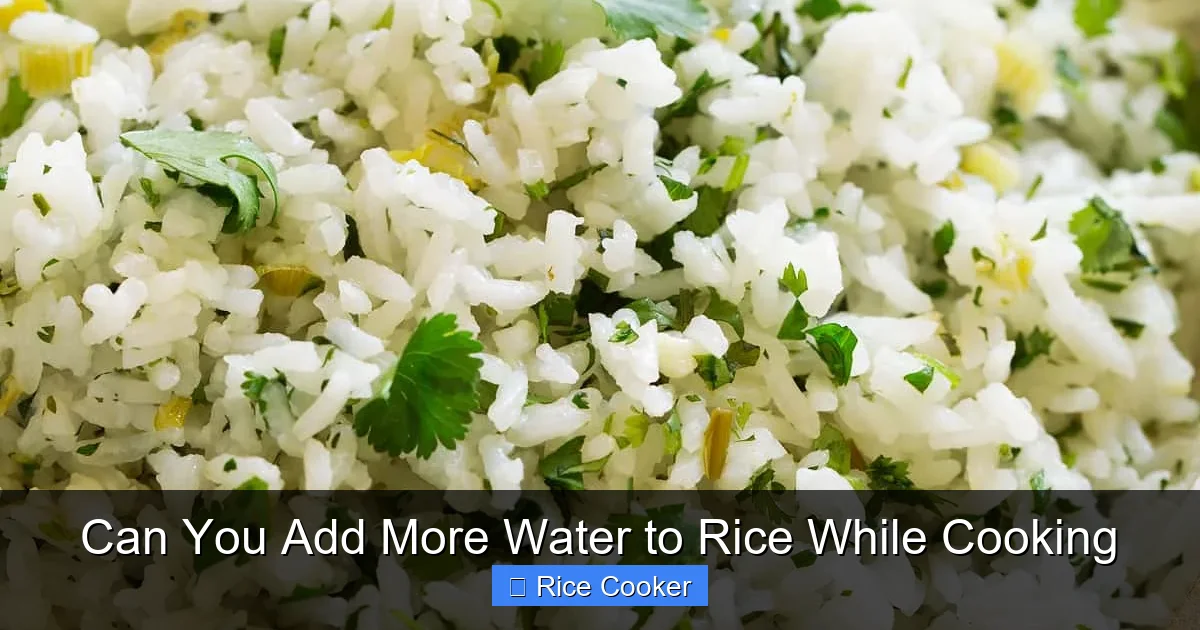
- Dry-looking surface: If the top layer appears cracked or dusty, the rice hasn’t absorbed enough moisture.
- Undercooked kernels: Gently press a grain—if it feels hard or chalky inside, it needs more time and liquid.
- Lack of steam: A healthy rice cooker should produce visible steam from the vent. If there’s little to no steam near the end, the rice may be too dry.
In these cases, adding a splash of hot water can revive the cooking process. However, if the rice looks wet or gummy, adding more water will only make things worse. Trust your eyes and your sense of touch—rice should feel moist but not slimy.
Signs You Should Avoid Adding Water
There are times when adding water is counterproductive:
- The rice is already sticky: If the grains are clinging together, adding water will dilute flavors and create a soupy consistency.
- You’re near the end of the cycle: Most rice cookers automatically switch to “keep warm” after 18–25 minutes. At this point, adding water won’t penetrate the grains effectively.
- Using high-starch rice like sushi or glutinous rice: These varieties are meant to be soft and clingy; extra water will ruin their intended texture.
How to Safely Add Water Mid-Cook
If you’ve determined that your rice needs more moisture, here’s how to do it safely and effectively:
Step-by-Step Guide
- Check the rice’s progress: Open the lid only when necessary. Use a spoon or fork to test one or two grains for doneness.
- Heat water separately: Boil or microwave water for 30 seconds to ensure it’s hot—not boiling—when poured in.
- Add sparingly: Start with 1–2 tablespoons. Stir gently with a wooden spoon to distribute the water evenly.
- Cover immediately: Close the lid to trap steam and maintain temperature. Wait 2–3 minutes before checking again.
- Repeat if needed: Only add water again if the rice still seems dry. Never exceed ¼ cup total unless cooking 2+ cups of rice.
This method works best for white rice varieties like jasmine, basmati, or American short-grain. Brown rice, however, requires longer soaking and more water initially, so mid-cook additions are less common and risk making it mushy.
Alternative Techniques
If you prefer not to interrupt the cooking cycle, consider these preventive strategies:
- Pre-soak rice: Let rinsed rice sit in warm water for 30 minutes before cooking. This reduces the chance of dryness later.
- Use a rice cooker with adjustable settings: Some models allow you to extend cooking time or increase steam output.
- Cover with damp paper towels: Place a towel soaked in water over the rice during the last 5 minutes to boost ambient moisture.
Common Mistakes and How to Avoid Them
Even experienced cooks occasionally run into issues. Here are the most frequent pitfalls and how to fix them:
Mistake #1: Using Cold Water
Pouring ice-cold water into a nearly finished pot can lower the internal temperature too rapidly, preventing proper gelatinization. Always use lukewarm or hot water to maintain consistency.
Mistake #2: Overfilling the Cooker
Most rice cookers max out at 6–10 cups of cooked rice. Exceeding this leads to uneven cooking and makes mid-cycle additions messy and impractical.
Mistake #3: Stirring Too Much
While stirring helps distribute water, excessive agitation breaks apart fragile grains like sushi rice, turning it into paste.
Mistake #4: Ignoring Altitude
At higher elevations, water boils at a lower temperature, so rice takes longer to cook. You may need to increase initial water by 1–2 tablespoons per cup, or add water midway.
Rice Types and Their Sensitivity to Water Adjustments
Different rice varieties respond differently to added water. Understanding these nuances helps you adapt your technique:
White Rice (Jasmine, Basmati, Long-Grain)
These are generally forgiving. Jasmine rice, popular in Thai cuisine, benefits from slight moisture boosts due to its aromatic oils. Basmati rice, prized for its separation, can tolerate minor adjustments if done carefully.
Brown Rice
Brown rice has a bran layer that slows absorption. It typically needs 1:2.25 water ratio. Adding water mid-cook risks overcooking the exterior while leaving the center underdone.
Sushi Rice
Designed to be sticky and compact, sushi rice should never have extra water added unless you’re intentionally making a softer version. Even then, do so cautiously.
Glutinous or Sticky Rice
This rice is almost entirely starch and loves water. However, since it’s usually steamed rather than boiled, adding water directly may not work. Instead, increase initial liquid slightly.
Expert Tips for Perfect Rice Every Time
To minimize the need for mid-cook water additions, follow these pro tips:
- Measure accurately: Use a dry measuring cup for rice and a liquid measuring cup for water.
- Don’t rinse too long: Rinsing removes surface starch, which helps prevent sticking. But over-rinsing wastes flavorful nutrients.
- Let the cooker rest: After switching to “keep warm,” let rice sit for 5–10 minutes. Steam continues cooking it gently.
- Use filtered water: Impurities in tap water can affect taste and texture, especially in delicate varieties.
- Calibrate your cooker: If yours consistently undercooks, try adding ½ tablespoon extra water per cup.
Remember, rice cookers are tools—not magic machines. They rely on precise inputs to deliver predictable outputs. By respecting the process and knowing when to intervene, you’ll save time, reduce waste, and enjoy restaurant-quality rice at home.
Conclusion: Yes, But Do It Right
So, can you add more water to rice while cooking? Absolutely—but only under the right conditions. The ability to adjust moisture mid-process gives home cooks flexibility, especially when dealing with variable altitudes, humidity, or personal preference. However, prevention is always better than correction. Starting with the correct water ratio, choosing the right rice type, and avoiding unnecessary lid openings go a long way toward preventing dry rice in the first place.
When you do need to add water, act quickly, use hot liquid sparingly, and cover immediately. With practice, you’ll develop an intuition for when your rice needs help and how to give it just enough to reach perfection. Whether you’re preparing a simple side dish or a complex stir-fry base, mastering rice hydration ensures every meal starts strong.
Frequently Asked Questions
Can I add water to rice after it’s finished cooking?
No, adding water after cooking will make rice soggy or dilute its flavor. Once the rice cooker switches to “keep warm,” the grains have absorbed all available moisture and further liquid won’t be absorbed properly.
Does adding water during cooking affect the final texture?
Yes, adding water mid-cook can change the texture depending on the rice type. White rice may become softer, while long-grain varieties like basmati could turn mushy if too much water is added.
Is it better to add cold or hot water to rice while cooking?
Hot water is preferred because it doesn’t shock the grains or lower the cooking temperature significantly. Cold water can disrupt the steaming process and lead to uneven results.
How much water should I add if my rice is too dry?
Start with 1–2 tablespoons of hot water. Stir gently and check after 2–3 minutes. Repeat only if needed, but avoid exceeding ¼ cup total unless cooking a large quantity.
Can I add milk instead of water to rice while cooking?
It’s not recommended to add dairy mid-cook as it can curdle or burn. Save milk or broth for recipes like risotto or creamy rice dishes where full immersion is intended from the start.
Will adding water make rice stickier?
Yes, if you add too much water or stir vigorously, rice can become sticky—especially with short-grain varieties. Use minimal liquid and gentle motions to maintain separation.