
Can you add more water to a rice cooker? Yes, but only if you’re adjusting the ratio correctly and timing it right. Adding extra water can help when cooking larger batches or fixing undercooked rice, but doing it wrong may lead to mushy or uneven results. With the right technique, you can rescue your rice or even improve texture—just know when and how to do it safely.
Key Takeaways
- Yes, you can add more water to a rice cooker, but only after the cooking cycle has started or completed—never before.
- Adding extra water changes the rice-to-water ratio, which affects texture, doneness, and cooking time.
- It’s possible to fix undercooked rice by adding a small amount of water and continuing to cook on the “warm” or “keep warm” setting.
- Too much water leads to soggy or mushy rice, especially in electric rice cookers with fixed timers.
- Always use clean, cold water when adding more to avoid introducing bacteria or altering mineral content.
- Some rice cookers have a “reheat” or “add water” function—check your manual before pouring more liquid.
- For best results, measure carefully and consider the type of rice (e.g., jasmine, basmati, brown) when adjusting water levels.
📑 Table of Contents
- Can You Add More Water to a Rice Cooker? Here’s What You Need to Know
- Understanding How Rice Cookers Work
- When Can You Safely Add More Water?
- Risks of Adding Too Much Water
- How to Measure and Adjust Water Ratios
- Special Cases: Cooking Different Types of Rice
- Cleaning and Maintenance Tips
- Alternative Solutions to Adding Water
- Final Thoughts: Should You Add More Water?
Can You Add More Water to a Rice Cooker? Here’s What You Need to Know
If you’ve ever opened your rice cooker to find perfectly fluffy rice, only to realize you forgot to rinse it first, or worse—you accidentally used too little water—you might be wondering: Can you add more water to a rice cooker? It’s a question many home cooks ask, especially when they’re in a hurry or trying to salvage a failed batch.
The short answer is yes—but with important caveats. While rice cookers are designed to automate the process, they aren’t always flexible when it comes to last-minute adjustments. Adding more water isn’t just about pouring in extra liquid; it involves understanding how water absorption works, how different types of rice behave, and the limitations of your specific appliance. In this guide, we’ll walk you through everything you need to know about adding more water to your rice cooker, including when it’s safe, when it’s risky, and how to do it without turning your dinner into a sticky mess.
Rice cookers have revolutionized how we prepare one of the world’s most essential grains. From simple white rice to complex dishes like risotto or congee, these appliances make cooking consistent and hands-off. But even the best technology has limits. When life throws you a curveball—like spilling water while filling, misreading the recipe, or needing to cook extra servings—you need to know how to adapt. That’s where this article comes in: practical, science-backed advice that helps you make smart decisions in the kitchen.
Understanding How Rice Cookers Work
Before we dive into whether you can add more water, it’s important to understand what happens inside your rice cooker during the cooking cycle. Most modern electric rice cookers operate using a thermostat-controlled system. They heat the inner pot until it reaches a certain temperature, then automatically switch to “keep warm” mode once the rice is fully cooked and steam has evaporated excess moisture.
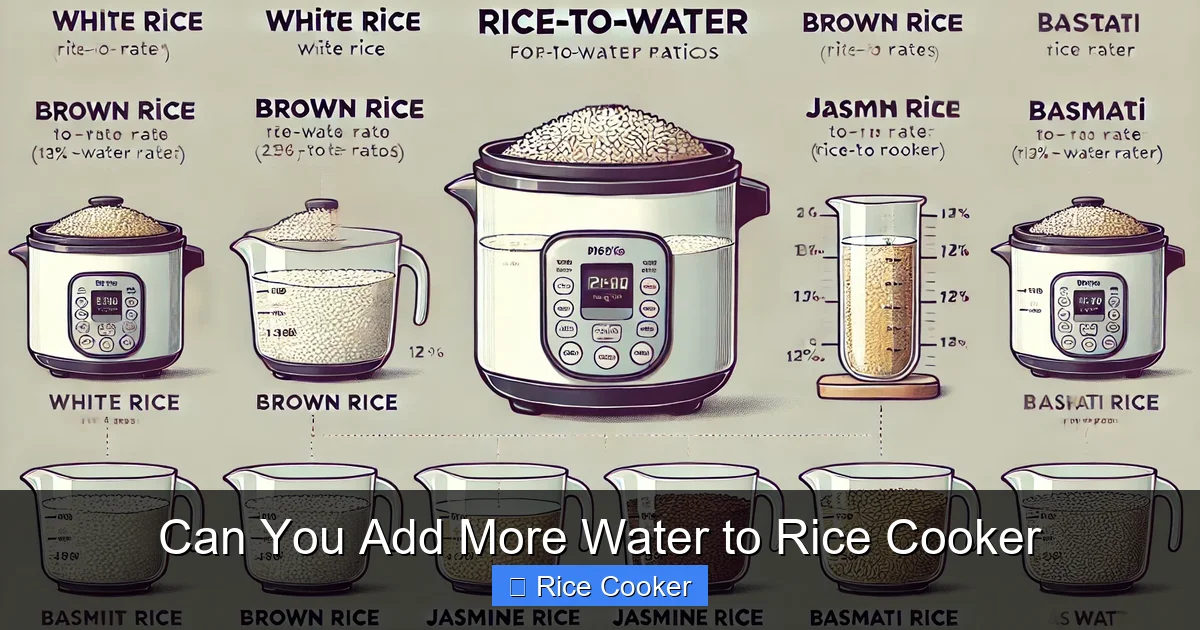
Visual guide about Can You Add More Water to Rice Cooker
Image source: expertreviewsbestricecooker.com
This means the cooker doesn’t continuously monitor or adjust water levels. If you start with too little water, the rice may not cook evenly or could burn at the bottom. If you start with too much, the result might be soupy rice. The ideal scenario is starting with the correct water-to-rice ratio—usually between 1.5 to 2 cups of water per cup of uncooked rice, depending on the variety.
The Role of Steam and Evaporation
One key factor in rice cooking is evaporation. As the rice heats up, steam builds up inside the cooker. Some of this steam escapes through vents or condenses back into water droplets that drip onto the rice. This natural evaporation helps reduce excess moisture, which is why overwatered rice often still turns out acceptable—though perhaps softer than desired.
However, if you add more water mid-cooking, you’re essentially resetting this balance. The cooker won’t recognize the change, so it continues its programmed cycle. This can lead to inconsistent texture—some grains remain dry while others become gummy.
Types of Rice Cookers and Their Limitations
Not all rice cookers are created equal. Basic models rely solely on temperature sensing, while advanced ones include fuzzy logic, pressure cooking, or induction heating. Simple rice cookers typically lack features like “add water” buttons or sensors that detect liquid levels.
In contrast, high-end models may have special functions for reheating rice or adding water after cooking begins. Always consult your user manual before attempting any modifications. Ignoring manufacturer guidelines could void your warranty or damage your appliance.
When Can You Safely Add More Water?
So, when is it okay to add more water to your rice cooker? The safest time is after the initial cooking cycle has started. For example, if you notice the rice looks dry halfway through cooking, you can carefully open the lid (if allowed by your model), add a small amount of water, stir gently, and close it again. However, many rice cookers don’t allow you to open the lid during operation due to safety mechanisms.
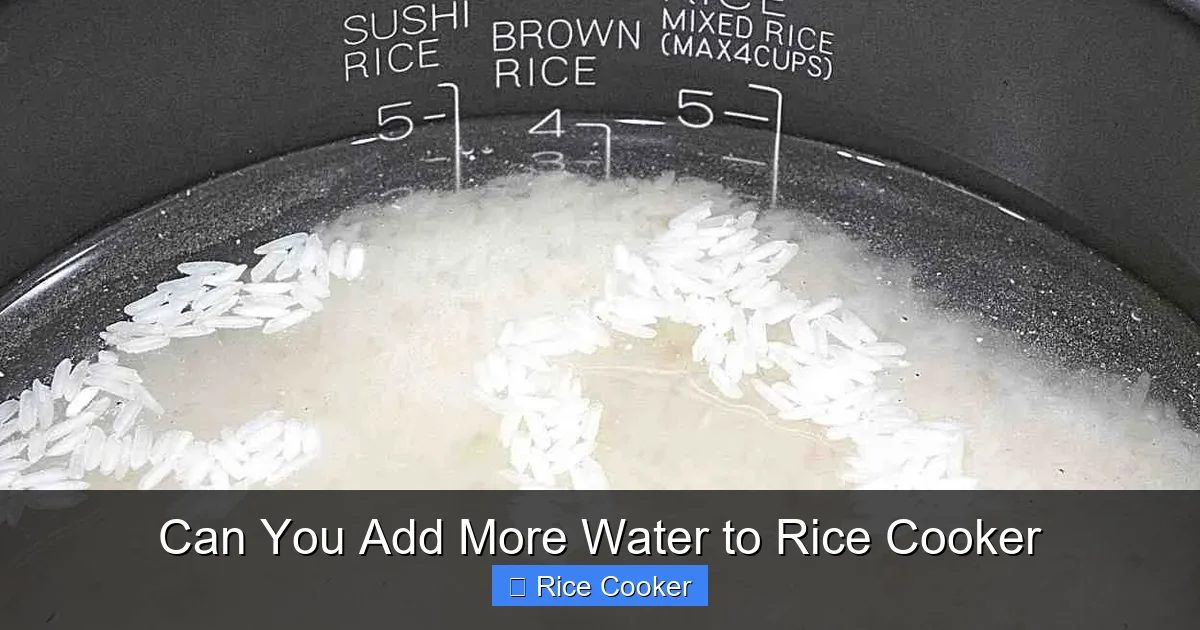
Visual guide about Can You Add More Water to Rice Cooker
Image source: powerupcook.com
Another scenario is reserving rice**. If you’ve already cooked rice but it came out too dry, you can add a splash of water and let it sit covered for 10–15 minutes. Then, place it back in the cooker on the “warm” setting for 5–10 minutes. This allows the rice to absorb the added moisture without overcooking.
Adding Water During the Cooking Cycle
Most rice cookers are sealed during operation, so opening the lid isn’t recommended—especially not while hot. Doing so can release steam, cool the internal environment, and disrupt the cooking process. If your model does allow brief opening, wait until the cooker switches to “keep warm” mode before adding water.
Here’s a quick tip: Use a measuring cup to add just ¼ to ½ cup of water per cup of rice. Overdoing it defeats the purpose—rice cookers aren’t meant to handle large fluctuations in liquid volume.
Fixing Undercooked Rice
If your rice is undercooked after the cycle ends, you can fix it by adding water and letting it sit. Place the inner pot back into the cooker, cover it tightly, and turn it to “warm” or “reheat.” Wait 10–15 minutes. The residual heat will help the rice absorb the extra moisture and finish cooking evenly.
Avoid using the “cook” button again unless necessary—repeated heating can cause the rice to dry out or develop a tough crust at the bottom.
Risks of Adding Too Much Water
While adding a little extra water is usually fine, pouring in too much can ruin your dish. Here’s why:
- Mushy Texture: Excess water prevents proper starch gelatinization, leading to soft, glue-like rice.
- Inconsistent Cooking: Some grains may absorb too much water and become soggy, while others stay firm.
- Bacterial Growth: Warm, moist environments are ideal for bacterial growth. Leaving rice sitting with added water for too long increases food safety risks.
- Diluted Flavor: Extra water can wash away seasonings and diminish the overall taste.
To avoid these issues, always measure carefully and err on the side of slightly less water rather than more. You can always add more later, but removing excess water afterward is nearly impossible without specialized equipment.
How to Measure and Adjust Water Ratios
Getting the water ratio right from the start saves you headaches. Here’s a general guide:
| Rice Type | Water Ratio (per 1 cup rice) |
|---|---|
| White Rice (short-grain) | 1.5 cups |
| Jasmine Rice | 1.5 cups |
| Basmati Rice | 1.75–2 cups |
| Brown Rice | 2–2.5 cups |
| Sushi Rice | 1.1 cups |
These ratios assume standard room temperature water. If your rice cooker has a “high altitude” setting, adjust upward by 1–2 tablespoons per cup of water.
Tips for Measuring Accurately
- Use a clear measuring cup and fill to the brim—don’t pack the rice down.
- Check the water level against the markings on the inner pot if available.
- For sticky rice varieties (like sushi or glutinous), reduce water slightly and rinse thoroughly before cooking.
Special Cases: Cooking Different Types of Rice
Different rice types require different approaches when adding water. Let’s explore a few common scenarios.
Cooking Brown Rice
Brown rice takes longer to cook and absorbs more water. If you add extra water mid-cycle, be patient—it may take longer to reach the right texture. Consider using the “brown rice” preset if your cooker has one.
Making Congee or Porridge
Congee requires a thick, porridge-like consistency. You’ll need significantly more water than usual—sometimes 4–6 cups per cup of rice. In this case, you can safely add water gradually during stirring, as long as you’re actively monitoring the texture.
Rescuing Burnt Rice
If rice burns at the bottom, adding water won’t fix it. Instead, discard the burnt portion and start over. Burned rice tastes bitter and poses health risks.
Cleaning and Maintenance Tips
After adding water—even if only a little—make sure to clean your rice cooker promptly. Residual moisture can encourage mold or mineral buildup in the inner pot or heating element. Rinse the inner pot with warm soapy water, wipe the exterior, and store it with the lid off to air-dry.
Regular maintenance extends the life of your rice cooker and ensures consistent performance. Descale monthly if you live in an area with hard water.
Alternative Solutions to Adding Water
If you’re hesitant to add water directly, consider these alternatives:
- Steam Method: Place a small bowl of water in the cooker alongside the rice. The steam helps soften dry grains without direct contact.
- Microwave:** If your rice cooker isn’t working, transfer the rice to a microwave-safe dish, add water, cover, and heat in 30-second intervals.
- Stovetop Reheating:** Bring a saucepan of water to a simmer, add rice, cover, and steam for 5–10 minutes.
Final Thoughts: Should You Add More Water?
Ultimately, whether you should add more water to your rice cooker depends on your situation. If you’re cooking ahead or fixing minor mistakes, a small addition is usually harmless. But if you frequently struggle with dry or undercooked rice, it might be better to double-check your measurements next time.
Remember: rice cookers are tools, not magic wands. They simplify cooking but still require attention to detail. By understanding their limits and capabilities, you can use them to their fullest potential—and avoid common pitfalls like mushy or uneven rice.
With practice, you’ll develop an intuitive sense of how much water your rice needs. And if you ever do need to add more, now you know exactly how to do it safely and effectively.
Frequently Asked Questions
Can I add water while my rice cooker is running?
It’s generally not recommended to open your rice cooker during cooking, as it releases steam and disrupts the process. However, if your model allows brief opening and the cooker has switched to “keep warm,” you can add a small amount of water. Always prioritize safety and follow your manual’s instructions.
What happens if you put too much water in a rice cooker?
Pouring too much water results in mushy, soggy rice because the grains absorb excess liquid and fail to firm up properly. The cooker’s automatic shutoff won’t compensate for the imbalance, leaving you with unappetizing, soupy rice.
How do you fix undercooked rice in a rice cooker?
Place the inner pot back in the cooker, add ¼ to ½ cup of water per cup of rice, cover tightly, and set the timer to “warm” or “reheat.” Let it sit for 10–15 minutes. The residual heat will help the rice absorb the water and finish cooking evenly.
Is it safe to leave rice with added water sitting overnight?
No, leaving cooked rice with added water at room temperature increases the risk of bacterial growth, such as Bacillus cereus. If you must store leftover rice, refrigerate it within two hours and reheat thoroughly before eating.
Can you add cold water to hot rice in a rice cooker?
Yes, you can add cold water, but it may temporarily lower the internal temperature. Since most rice cookers switch to “keep warm” after cooking, adding cold water won’t harm the appliance—just ensure the rice is covered and given time to reabsorb the liquid.
Do all rice cookers allow adding water during cooking?
No. Basic models are sealed during operation and don’t permit opening. Advanced models may have special functions like “add water” or “reheat,” but you should always check your user manual first. Never force open a sealed cooker while hot.