
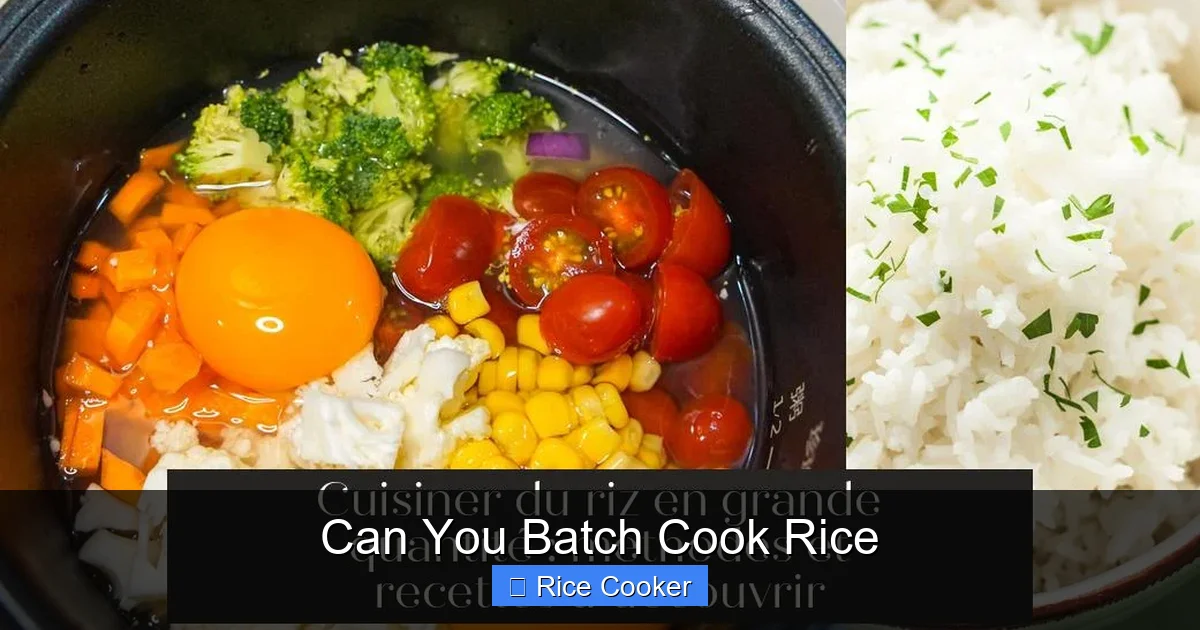
Batch cooking rice is a game-changer for busy households and meal prep lovers. It saves time, cuts down on energy use, and ensures you always have ready-to-eat grains for meals, snacks, or leftovers. Whether you’re using a rice cooker, stovetop, or oven, mastering this technique means less daily effort and more flavorful, consistent results every time.
Have you ever looked at your calendar and thought, “I don’t have time to cook rice every day”? Whether you’re meal prepping for the week, feeding a family, or just trying to simplify your routine, batch cooking rice might be the answer. Not only does it save time, but it also helps reduce food waste and ensures you always have a reliable base for meals like stir-fries, grain bowls, fried rice, or even porridge.
In this guide, we’ll walk through everything you need to know about batch cooking rice—whether you’re using a rice cooker, stovetop, or oven. From choosing the right type of rice to storing and reheating it properly, we’ve got you covered. Plus, we’ll share pro tips to make your rice taste amazing every single time.
Key Takeaways
- Batch cooking rice is efficient: Prepare large quantities at once to save time during busy weekdays.
- It reduces food waste: Store extra rice properly to extend its freshness and avoid spoilage.
- Consistency is key: Use the right water ratio and cook method to ensure every batch turns out fluffy and perfect.
- Freezing works great: Cooked rice freezes well and can be reheated quickly for future meals.
- Perfect for meal prep: Batch-cooked rice pairs well with stir-fries, bowls, salads, and casseroles.
- Energy-efficient option: A one-time cook session uses less total energy than multiple small batches.
- Customizable flavors: Add herbs, spices, or broth during cooking for infused, delicious rice every time.
📑 Table of Contents
- Why Batch Cooking Rice Makes Sense
- Choosing the Right Rice for Batch Cooking
- Best Methods for Batch Cooking Rice
- Perfect Water Ratios for Consistent Results
- How to Store Batch-Cooked Rice Safely
- Reheating Batch-Cooked Rice Like a Pro
- Flavoring Your Batch-Cooked Rice
- Meal Prep Ideas Using Batch-Cooked Rice
- Common Questions About Batch Cooking Rice
Why Batch Cooking Rice Makes Sense
Let’s face it: cooking rice doesn’t take long, but doing it repeatedly throughout the week adds up. Imagine spending 10 minutes cooking rice on Monday and then repeating that process on Tuesday, Thursday, and Saturday. That’s nearly an hour of repetitive kitchen work—time you could spend on other things.
Batch cooking flips that script. By preparing a big pot (or several pots) of rice in one go, you set yourself up for success. You’ll have hot, ready-to-eat rice waiting whenever you need it. And the best part? The flavor and texture remain consistent across days when stored properly.
Plus, batch cooking aligns with sustainable living. Instead of tossing leftover rice because it’s gone cold or soggy, you can freeze it for later use. This reduces food waste and helps stretch your ingredients further.
Choosing the Right Rice for Batch Cooking
Not all rice is created equal when it comes to batch cooking. Some types hold up better over time, while others lose their texture quickly. Here’s what to consider:
White Rice vs. Brown Rice
White rice—like jasmine, basmati, or long-grain American white rice—is ideal for batch cooking. It cooks faster, stays fluffy, and doesn’t become mushy when reheated. Brown rice takes longer to cook and can turn gummy if overcooked or stored improperly. However, if you love brown rice, you can still batch cook it by adjusting your method slightly.
Cooking Time Matters
Rice that takes 30+ minutes to cook (like some specialty or organic varieties) may not be worth the extra effort for large batches unless you’re using a pressure cooker or Instant Pot. For everyday efficiency, stick to quick-cooking rices.
Grain Size and Texture
Long-grain rices tend to stay separate and dry, making them perfect for reheating. Short-grain or sticky rices (like sushi rice) are better suited for immediate consumption since they clump together over time.
Best Methods for Batch Cooking Rice
There are several ways to batch cook rice, each with pros and cons depending on your kitchen setup and time constraints.
Using a Rice Cooker
If you own a rice cooker, you’re already halfway there. Most modern models have a “cook and hold” function that keeps rice warm without drying it out. Here’s how to do it right:
– Measure your rice carefully. A standard ratio is 1 cup uncooked rice to 2 cups water.
– Rinse the rice under cool water until the water runs clear. This removes excess starch and prevents gunkiness.
– Add water, close the lid, and select the appropriate setting (usually “white rice” or “batch mode” if available).
– Once done, switch to “warm” and keep it there for up to 8 hours.
Pro tip: Avoid opening the lid frequently—steam escapes and affects temperature.
Stovetop Method
For those without a rice cooker, the stovetop works just as well—especially on the back burner where heat is steady.
– Bring water to a boil first, then add rinsed rice.
– Reduce heat to low, cover tightly, and simmer for 15–18 minutes (white rice). Don’t lift the lid!
– Turn off the heat and let it sit for 5 minutes before fluffing with a fork.
This method gives you full control over quantity, so you can make as much as needed in one go.
Oven-Baked Rice
This method is great for hands-off cooking and large quantities. Preheat your oven to 375°F (190°C). Transfer your rinsed rice and boiling water to a baking dish or Dutch oven with a tight-fitting lid. Cover and bake for 40–45 minutes. Let stand for 10 minutes before serving.
Perfect Water Ratios for Consistent Results
Getting the water-to-rice ratio right is crucial for fluffy, non-sticky rice—especially when cooking in bulk.
The classic rule is 1:2—one cup of uncooked rice to two cups of water. But this can vary slightly based on rice type and desired texture.
– Basmati or jasmine rice often benefits from slightly less water (1:1.5) to maintain separation.
– Brown rice needs more water (1:2.5) due to its bran layer absorbing moisture slowly.
– Sushi rice requires precise ratios (1:1.2) to achieve the right stickiness.
Always rinse your rice before measuring. Starchy residue leads to clumpy batches, which are hard to fix after cooking.
How to Store Batch-Cooked Rice Safely
Once your rice is cooked, proper storage is essential to maintain quality and safety.
Refrigeration (Up to 5 Days)
Let hot rice cool slightly (but don’t leave it sitting for more than 2 hours), then divide into shallow containers for faster cooling. Refrigerate immediately. Shallow containers help prevent bacterial growth.
Freezing (Up to 6 Months)
Freezing is the best way to preserve batch-cooked rice long-term. Portion it into freezer-safe bags or airtight containers. Label with the date—this helps track freshness. Frozen rice stays usable for up to six months.
When thawing, transfer from the freezer to the fridge overnight. Reheat thoroughly in the microwave or on the stove with a splash of water to restore moisture.
Avoid Common Mistakes
– Don’t store rice in deep containers—it cools too slowly and breeds bacteria.
– Never reheat rice more than once. Each cycle increases risk of contamination.
– Skip adding salt or oil during storage; they can alter texture upon reheating.
Reheating Batch-Cooked Rice Like a Pro
Cold, stiff rice isn’t appetizing—but you can bring it back to life with the right technique.
Microwave Method (Quick & Easy)
Place rice in a microwave-safe bowl, add a tablespoon of water per cup, cover loosely with a damp paper towel (not plastic wrap—it traps steam too much). Microwave on high for 1–2 minutes, stir, then check. Repeat as needed until heated through.
Stovetop Revival
Bring a skillet over medium heat. Add a bit of butter or oil, sprinkle in some water or broth, and gently warm the rice, stirring occasionally. Cover to trap steam and soften grains.
Oven Reheating
Spread rice on a baking sheet, drizzle with water, cover with foil, and warm at 300°F (150°C) for 10–15 minutes. Stir halfway through.
Flavoring Your Batch-Cooked Rice
Plain white rice gets boring fast. But you don’t need to cook separate batches for variety—just infuse flavor into your main batch.
Add Broth Instead of Water
Use chicken, vegetable, or mushroom broth instead of plain water. It adds depth and makes reheated rice taste freshly made.
Infuse with Aromatics
Toss in garlic cloves, bay leaves, ginger slices, or onion halves while cooking. Remove them before serving, or let them steep for richer flavor.
Try Herbs and Spices
– Lemon zest + black pepper for Mediterranean vibes
– Cumin + coriander for Indian-inspired rice
– Soy sauce + sesame oil for Asian fusion
These seasonings penetrate the grains evenly during cooking, so each bite tastes intentional.
Meal Prep Ideas Using Batch-Cooked Rice
Batch-cooked rice is incredibly versatile. Here are some creative ways to use it:
– Fried Rice: Sauté with scrambled eggs, peas, carrots, soy sauce, and green onions.
– Bowls: Top with grilled chicken, roasted veggies, avocado, and tahini dressing.
– Salads: Mix with chickpeas, cucumber, feta, and lemon vinaigrette.
– Soup Base: Add to miso soup or lentil stew for extra body and nutrition.
– Breakfast Porridge: Warm with milk, cinnamon, and fruit for a comforting start to the day.
Having pre-cooked rice on hand means you can throw together balanced meals in minutes—no last-minute cooking stress.
Common Questions About Batch Cooking Rice
Even experienced cooks run into issues now and then. Here’s how to troubleshoot:
Why is my batch-cooked rice too dry?
This usually happens when too little water was used or the rice cooled too long before serving. To fix it, reheat with added liquid (water, broth, or milk) and cover to steam.
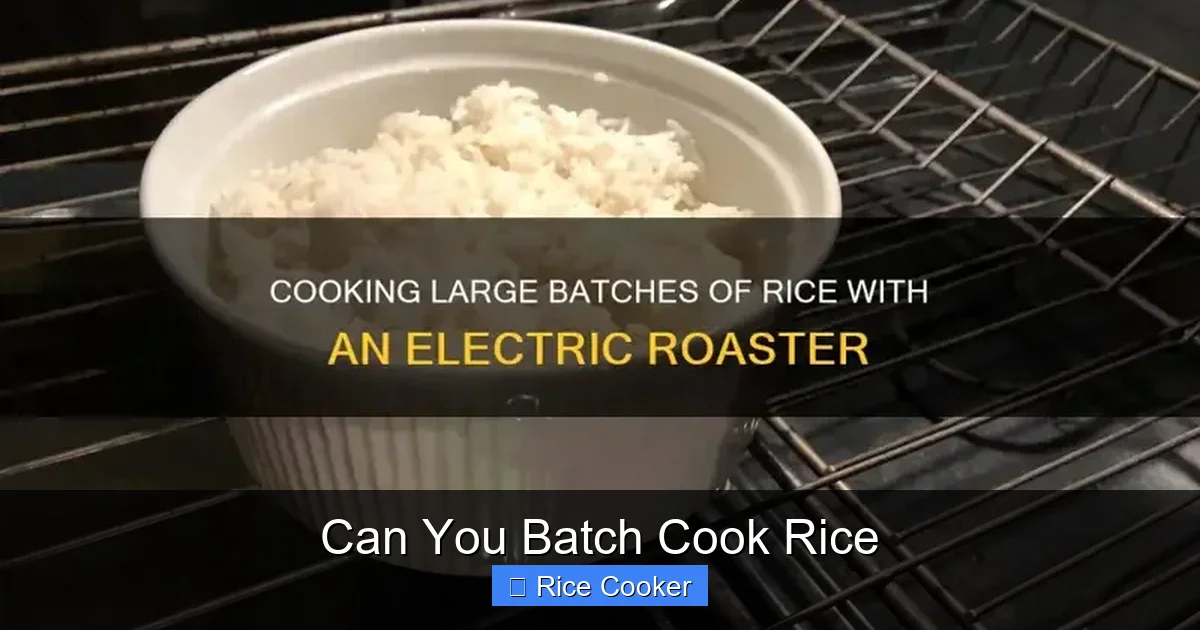
Visual guide about Can You Batch Cook Rice
Image source: shungrill.com
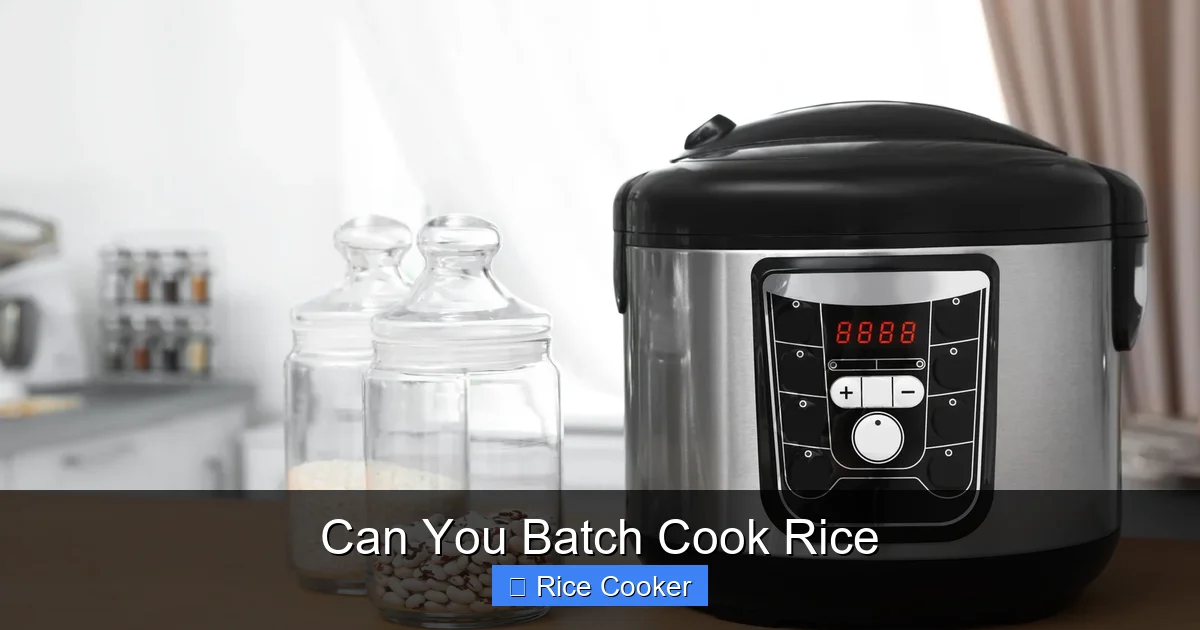
Visual guide about Can You Batch Cook Rice
Image source: tastingtable.com
Can I mix different types of rice in one batch?
Technically yes, but different cooking times mean uneven results. It’s safer to cook similar rices together—like two kinds of white rice—or stick to one variety per batch.
Does batch cooking affect nutritional value?
Nope! Nutrients remain intact whether you cook rice once or multiple times. Just avoid over-processing during reheating.
Is it safe to eat cold rice?
Yes—if stored properly in the refrigerator within 2 hours of cooking. Cold rice poses no greater risk than any other cooked grain when handled safely.
How do I prevent mushy rice when freezing?
Don’t overcook initially. Slightly underdone rice freezes better and reabsorbs moisture during reheating without turning gluey.
Can I cook rice ahead for dinner parties?
Absolutely! Cook it the night before, refrigerate, and reheat gently. For events, keep it warm in a chafing dish or slow cooker on low.
Frequently Asked Questions
Can I batch cook rice in advance for the whole week?
Yes, you can safely cook and store rice for up to 5 days in the fridge or 6 months in the freezer. Just ensure proper cooling and portioning to maintain quality.
Does batch cooking rice save money?
Absolutely. Buying rice in bulk is cheaper per pound, and cooking once reduces energy use compared to multiple small batches.
What’s the best container for storing cooked rice?
Glass or BPA-free plastic containers with tight lids work best. Avoid metal containers, which can react with acidic foods.
Can I add salt or butter to rice while batch cooking?
Yes, but add them after rinsing and before cooking. Too much salt can draw out moisture and affect texture.
Will my rice cooker handle large batches?
Most standard rice cookers hold 10–12 cups of uncooked rice. Larger models or multi-pot setups are better for bigger families or events.
How do I know when my rice is fully cooked?
All water should be absorbed, and grains should be tender with a slight chewiness. If still firm, cook 2–3 more minutes covered.