
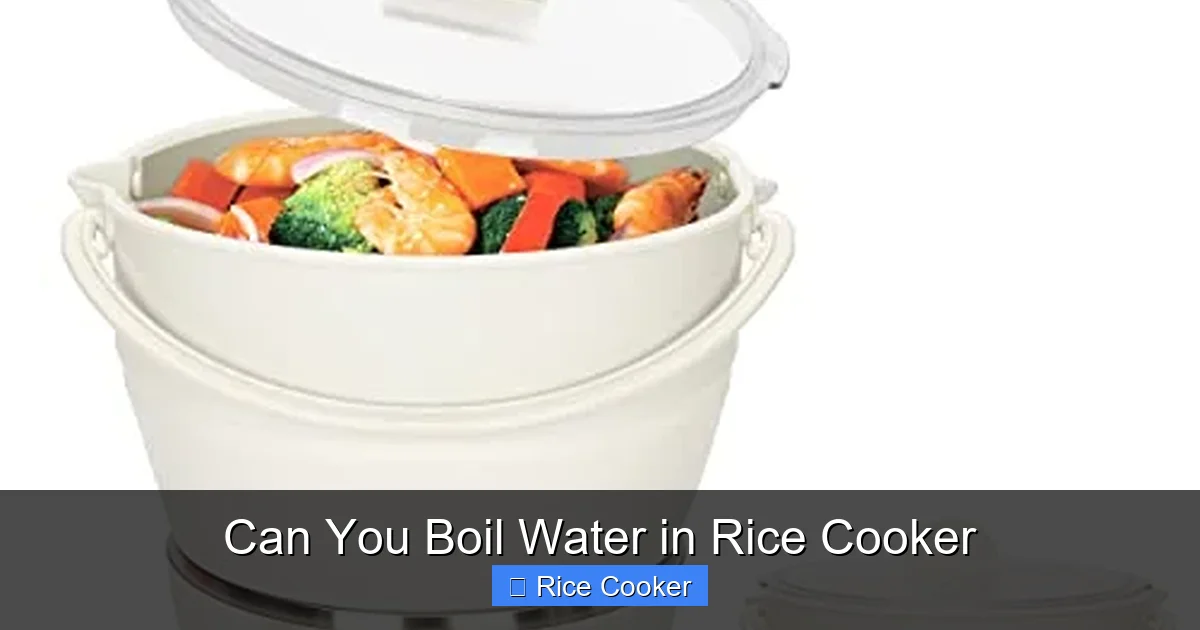
You absolutely can boil water in a rice cooker—it’s one of the most useful tricks for quick meals and convenience. Unlike stovetop boiling, rice cookers use automatic shut-off to prevent dry boiling, making them safer and more energy-efficient. With just a few simple steps, you can boil water for pasta, tea, or even sterilize baby bottles.
Key Takeaways
- Yes, it’s possible: A rice cooker can boil water safely and efficiently using its heating plate.
- Saves time and energy: Boiling water in a rice cooker uses less electricity than a stovetop kettle.
- Safer than stovetops: Automatic shut-off prevents overheating and dry-boiling accidents.
- Versatile uses: Beyond boiling, rice cookers help cook eggs, steam veggies, and make soups.
- Clean-up is easy: Most models have non-stick inner pots that are dishwasher-safe.
- Not all rice cookers are equal: Check if your model has a “keep warm” function before attempting to boil.
- Best practices matter: Use only clean, cold water and avoid overfilling to ensure consistent results.
📑 Table of Contents
- Can You Boil Water in a Rice Cooker? Yes — And Here’s How!
- How Does a Rice Cooker Work?
- Is It Safe to Boil Water in a Rice Cooker?
- Step-by-Step Guide: Boiling Water in Your Rice Cooker
- Creative Ways to Use Boiled Water from Your Rice Cooker
- Energy Efficiency Compared to Other Methods
- Common Mistakes to Avoid When Boiling Water in a Rice Cooker
- Maintenance Tips to Keep Your Rice Cooker in Top Shape
- Conclusion: Why Every Kitchen Needs This Trick
Can You Boil Water in a Rice Cooker? Yes — And Here’s How!
Have you ever found yourself in the middle of making instant noodles, only to realize your kettle is out of commission? Or maybe you’re prepping for a cozy cup of tea after a long day and want something faster than waiting for the stove? If so, your trusty rice cooker might be the unsung hero you didn’t know you needed. That’s right—your humble rice cooker isn’t just for fluffy white rice anymore. In fact, boiling water in a rice cooker is not only possible but surprisingly convenient, efficient, and safe when done correctly.
Rice cookers are designed with precision in mind. From the moment you add water and rice, they monitor temperature, adjust heat, and automatically switch to “keep warm” mode once cooking completes. This same technology makes them ideal for boiling water without constant supervision. Whether you’re cooking pasta, rehydrating oats, or even sterilizing baby bottles, your rice cooker can handle it—no stove required. In this guide, we’ll walk you through everything you need to know about boiling water in a rice cooker: safety tips, step-by-step instructions, creative uses, and why this little kitchen gadget deserves more credit than it gets.
How Does a Rice Cooker Work?
Before diving into the fun part (boiling water!), let’s quickly break down what makes a rice cooker tick. At its core, a rice cooker consists of three main components: an inner pot (usually made of non-stick aluminum or stainless steel), a heating element at the base, and a thermostat or sensor that detects when the water has evaporated and the rice is ready.
Visual guide about Can You Boil Water in Rice Cooker
Image source: kitchenncooking.com
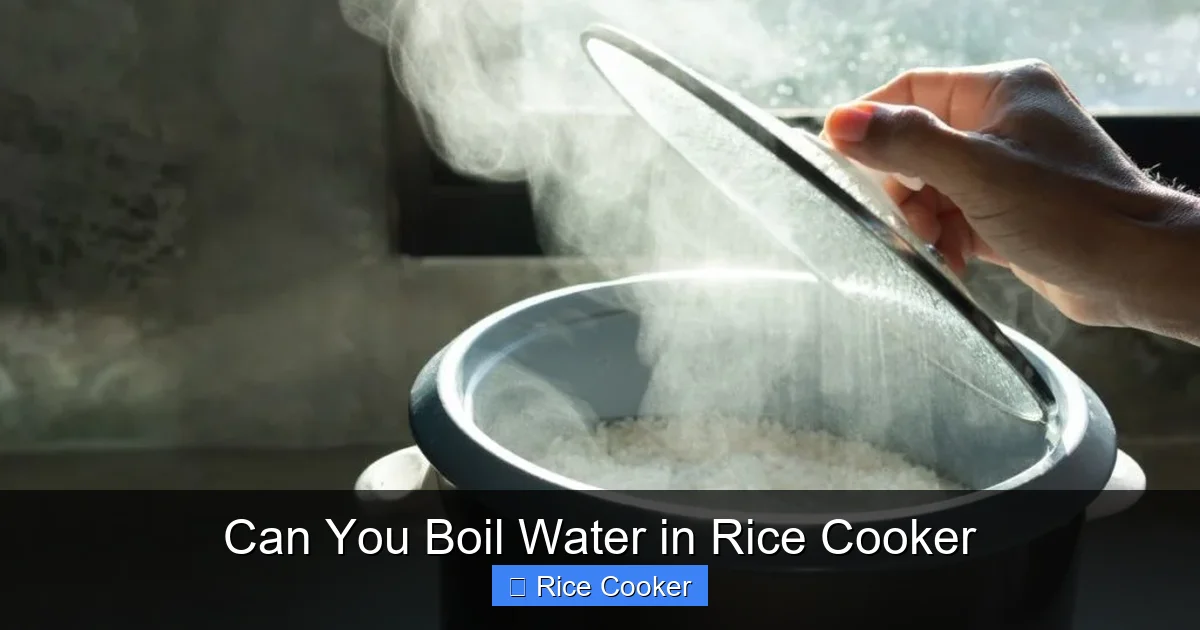
When you press the “cook” button, the heating element turns on and begins warming the water inside the pot. As the water heats up, it eventually reaches boiling point and starts evaporating. Once most of the water has turned into steam, the temperature inside the pot rises above 100°C (212°F). The built-in sensor detects this change and automatically switches the cooker off—or sometimes into a “warm” mode. This cycle repeats briefly until the internal temperature drops back down, triggering another short burst of heat. It’s like a tiny, self-regulating oven!
This entire process happens quietly and efficiently—often finishing long before you’d finish setting up on the stovetop. And because the heating element is fully submerged when boiling water (unlike electric kettles that rely on exposed coils), there’s less risk of scorching or mineral buildup. Plus, since most modern rice cookers come with insulated lids, some heat retention helps keep the water hot even after it stops actively boiling.
Is It Safe to Boil Water in a Rice Cooker?
This is probably the first question on everyone’s mind: Is it really safe to boil water in a rice cooker? The short answer? Yes—but with caveats.
Visual guide about Can You Boil Water in Rice Cooker
Image source: luxuryjayaoptima.com
Most consumer-grade rice cookers are engineered to handle boiling water without issue. Their heating elements and insulation are rated for repeated exposure to high temperatures. However, there are a few safety considerations to keep in mind. First, never leave your rice cooker unattended while boiling water—even though it has auto-shutoff features, power surges or mechanical failures could still pose risks. Second, avoid using metal utensils that might scratch the non-stick coating; stick to silicone or wooden spoons instead.
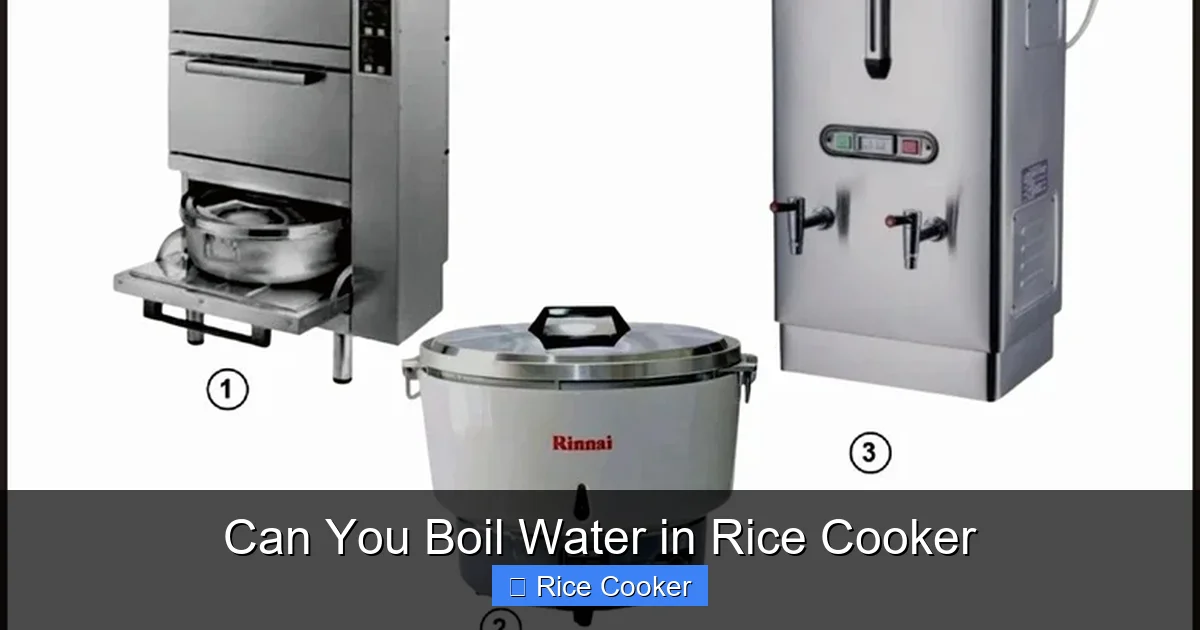
Another important note: not all rice cookers are created equal. Older models without proper thermal sensors may continue heating indefinitely if the water runs low, potentially damaging the unit or creating fire hazards. Always check your manual to confirm whether your specific model supports direct boiling without supervision. Modern digital rice cookers with advanced microprocessors are far more reliable in this regard than their analog predecessors.
Lastly, consider the capacity. Overfilling your rice cooker beyond its recommended limit (usually marked by a max line) can cause overflow during boiling, which may damage the lid or trigger safety mechanisms unnecessarily. Stick to filling no more than two-thirds full when boiling water for best results.
Step-by-Step Guide: Boiling Water in Your Rice Cooker
Ready to give it a try? Follow these simple steps to safely boil water in your rice cooker:
Gather Your Supplies
- A clean rice cooker (preferably with a removable inner pot)
- Filtered or tap water (cold is fine)
- A measuring cup or mug
- A timer (optional but helpful)
Prepare the Inner Pot
Remove the inner pot from your rice cooker and wash it thoroughly if it hasn’t been used recently. Dry completely before adding water. Place it back inside the outer casing, ensuring it sits evenly on the heating plate.
Add Water
Pour your desired amount of cold water into the inner pot. Remember—don’t exceed the maximum fill line unless you’re specifically cooking rice. For plain boiling, two-thirds full is usually sufficient.
Close the Lid & Power On
Securely close the lid and plug in your rice cooker. Press the “Cook” button (or select “Normal” or “White Rice” mode if available). The heating element will activate immediately.
Monitor Progress
Within 5–10 minutes, you should hear the water begin to bubble and see steam escaping from the vent. Continue monitoring until rolling boils occur. Total time typically ranges from 8–15 minutes depending on volume and starting water temperature.
Turn Off & Use Carefully
Once boiling is achieved, unplug the unit (for extra safety) and carefully lift the lid away from your face to avoid steam burns. Pour or ladle the hot water into your container of choice.
Pro Tip: If your rice cooker has a “Keep Warm” function, you can leave the water in place afterward—it will maintain temperature without further boiling. Just remember to reheat later if needed.
Creative Ways to Use Boiled Water from Your Rice Cooker
Boiling water in a rice cooker opens up a world of culinary possibilities beyond just making tea. Here are some clever ways to put that hot liquid to work:
Cooking Pasta & Grains
Skip the large pot! Add pasta or quinoa directly into the boiled water along with a pinch of salt. Stir occasionally and drain after al dente time (check package instructions). The result? Less cleanup and perfectly cooked grains every time.
Steaming Eggs
Place a small heatproof bowl filled with beaten eggs into the boiling water-filled rice cooker (make sure it doesn’t touch the bottom). Cover and steam for 10–12 minutes for soft-set custard-like eggs, or 15+ minutes for firmer omelet-style consistency.
Rehydrating Dried Foods
Dried mushrooms, beans, or lentils can be soaked directly in the boiled water using your rice cooker. Just add ingredients, cover, and let sit for several hours—no stove needed!
Making Instant Oatmeal or Hot Cereal
Pour rolled oats into the inner pot, add boiling water, stir, and let sit for 2–3 minutes. Top with nuts, fruit, or honey for a nutritious breakfast—all in under 10 minutes total.
Sterilizing Baby Bottles
Submerge clean baby bottles and nipples in the boiling water for at least 5 minutes. Let cool slightly before handling. Always test temperature before feeding.
Brewing Tea or Instant Coffee
For those mornings when you’re craving a quick espresso but lack an espresso machine, pour boiling water over instant coffee granules. It won’t match fresh-brewed flavor, but it’s faster than waiting for a kettle!
Energy Efficiency Compared to Other Methods
One of the biggest advantages of using a rice cooker to boil water is its energy efficiency. Electric kettles, while fast, consume significant power—especially if you’re only boiling small amounts. Rice cookers, on the other hand, use much less electricity because they heat smaller volumes and often operate in cycles rather than continuously.
According to energy studies, boiling 1 liter of water in a standard 700-watt rice cooker takes roughly 0.2 kWh of electricity. In comparison, a 1500-watt electric kettle uses about 0.4 kWh for the same task—nearly double the cost. Even gas stoves aren’t much better unless you already have open flame access.
Additionally, rice cookers don’t lose heat through open flames or exposed heating elements like kettles do. Much of the heat stays contained within the insulated body, reducing wasted energy. And since they shut off automatically, there’s no chance of leaving them running all night like some people accidentally do with kettles left plugged in.
Common Mistakes to Avoid When Boiling Water in a Rice Cooker
Even though boiling water in a rice cooker is straightforward, a few common mistakes can lead to disappointing results or potential hazards:
- Using too much water: Overfilling increases boil-over risk and extends boiling time unnecessarily.
- Neglecting to clean the inner pot: Residue from previous rice dishes can affect taste and hygiene.
- Using metal utensils: Scratches weaken non-stick surfaces and harbor bacteria.
- Leaving it unattended: While auto-shutoff exists, human oversight ensures peace of mind.
- Assuming all models work the same: Analog vs. digital controls behave differently—always consult your manual.
If your rice cooker starts smoking or emitting strange odors during boiling, turn it off immediately and inspect for damage. Persistent issues warrant professional repair or replacement.
Maintenance Tips to Keep Your Rice Cooker in Top Shape
To ensure your rice cooker remains functional for boiling water and cooking alike, follow these maintenance best practices:
- Clean after each use: Rinse the inner pot immediately and wipe the exterior with a damp cloth.
- Check the sealing ring: Replace if cracked or deformed to prevent steam leaks.
- Descale regularly: Hard water leaves mineral deposits; soak the inner pot in vinegar solution monthly.
- Avoid submerging the base: Never wash the outer housing or heating plate under running water.
- Store properly: Keep the lid slightly ajar to allow airflow and prevent mold.
With proper care, your rice cooker can last for years—and become your go-to tool for countless kitchen tasks beyond rice.
Conclusion: Why Every Kitchen Needs This Trick
In a world where convenience meets sustainability, knowing how to boil water in a rice cooker is more valuable than you might think. Not only does it save time and reduce energy consumption, but it also unlocks new ways to prepare meals, drinks, and even household essentials. From instant oatmeal to sterilized baby bottles, this simple hack proves that sometimes the smallest appliances hold the biggest surprises.
So next time you reach for the kettle or flick on the stove, pause and consider: Is your rice cooker sitting idle? With just a splash of water and a push of a button, you could be boiling, steaming, or warming up in minutes flat. Embrace the versatility, experiment with recipes, and let your rice cooker earn its rightful place as a multi-tool in your kitchen arsenal.
Frequently Asked Questions
Can I boil water in any type of rice cooker?
Most modern rice cookers can safely boil water, especially those with digital controls and thermal sensors. However, older analog models may lack proper safety mechanisms. Always check your user manual or manufacturer guidelines before attempting to boil water in an unfamiliar model.
How long does it take to boil water in a rice cooker?
It typically takes between 8 to 15 minutes to bring 1–2 cups of water to a rolling boil, depending on the starting temperature and volume. Cold water from the tap usually requires the longest time, while preheated water boils faster.
Do I need to use the “keep warm” function after boiling?
No, you don’t have to. After boiling, you can either remove the water immediately or leave it in the cooker if you plan to use it soon. The “keep warm” feature simply maintains temperature without further boiling, which is optional.
Can I boil oil or other liquids in my rice cooker?
It’s not recommended. Rice cookers are designed for aqueous foods and may not handle oils or greasy substances well. They can also damage the non-stick coating or create unpleasant smells. Stick to water-based boiling tasks.
Will boiling water in my rice cooker affect its ability to cook rice?
Occasional use won’t harm your rice cooker’s performance. However, frequent boiling of plain water may increase wear on the inner pot and heating element over time. Balance both uses for longevity.
Is boiling water in a rice cooker more expensive than using a kettle?
No, it’s generally cheaper. Due to lower wattage and intermittent operation, rice cookers use significantly less electricity per boil compared to electric kettles—making them an economical choice for regular use.