
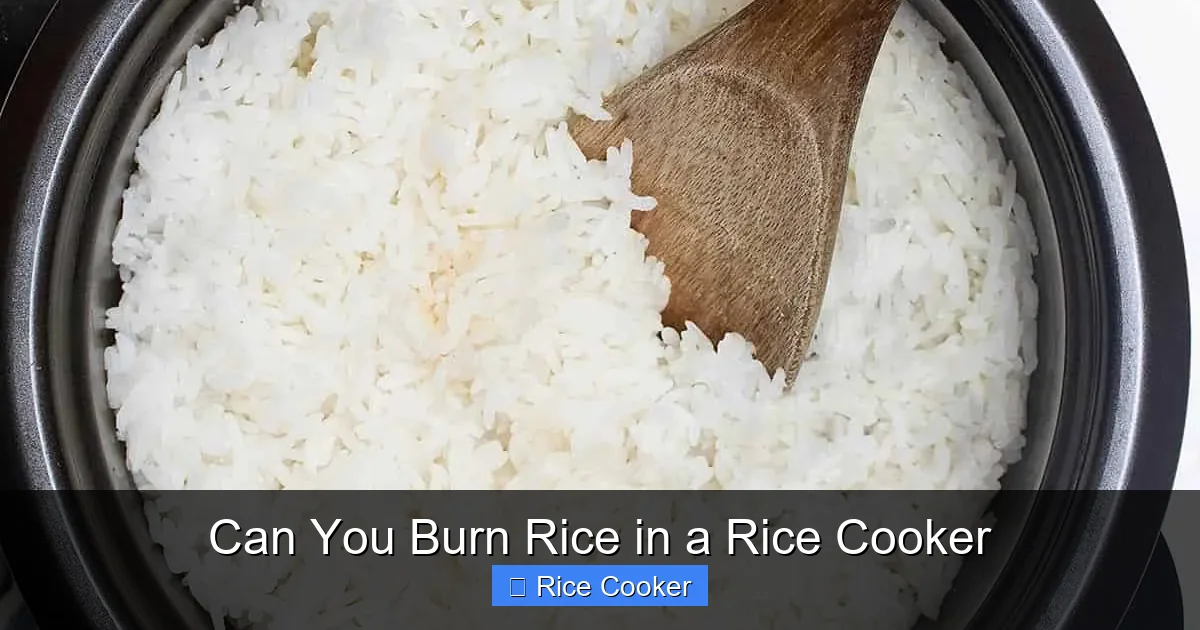
Can you burn rice in a rice cooker? Absolutely — but only if you don’t know how to use one properly. Most rice cookers are designed to cook rice perfectly, not burn it, but certain conditions can lead to scorching or sticking. With the right water ratio, heat control, and timing, you can avoid disaster and enjoy fluffy, delicious rice every time.
Key Takeaways
- Rice cookers can burn rice under specific conditions. This usually happens when water levels are too low, heat is too high, or the inner pot isn’t clean.
- Proper water measurement is crucial. Too little water causes dry, burnt grains; too much leads to mushy rice.
- Cleaning the inner pot prevents residue buildup. Sticky carbonized bits from old rice increase burning risk.
- Some models lack advanced sensors. Older rice cookers may overcook or unevenly heat, increasing burn chances.
- Pre-soaking rice reduces cooking time and prevents burning. It helps distribute heat evenly across grains.
- Using the right rice type matters. Long-grain white rice behaves differently than sticky sushi or short-grain varieties.
- Modern smart rice cookers offer better protection. Features like fuzzy logic and auto-shutoff reduce burn risks significantly.
📑 Table of Contents
- Can You Burn Rice in a Rice Cooker? The Truth Behind That Burnt Mess
- How Rice Cookers Work: Understanding the Basics
- Common Causes of Burning in Rice Cookers
- Can All Rice Cookers Burn Rice? Model Differences Matter
- How to Prevent Burning: Practical Tips and Techniques
- Troubleshooting Burnt Rice: What to Do When It Happens
- Choosing the Right Rice Cooker to Avoid Burning
- Conclusion: Master Your Rice Cooker, Avoid the Burn
Can You Burn Rice in a Rice Cooker? The Truth Behind That Burnt Mess
Have you ever opened your rice cooker only to be greeted by a blackened, charred bottom and a smoky smell? If so, you’re not alone. While rice cookers are celebrated for their ability to produce perfectly cooked, fluffy rice with minimal effort, they can still burn — especially if you’re new to using them or haven’t adjusted to your model’s quirks.
The short answer: yes, you can burn rice in a rice cooker. But the longer story involves understanding how these appliances work, what causes burning, and how to prevent it. Unlike stovetop cooking where you’re actively monitoring and stirring, rice cookers are supposed to be hands-off devices. So why does burning happen at all? And more importantly, how do you stop it?
In this complete guide, we’ll explore everything about burning rice in a rice cooker — from common causes and prevention tips to troubleshooting burnt batches and choosing the right appliance for your kitchen. Whether you’re dealing with a burnt mess right now or want to avoid it altogether, this article will give you all the knowledge you need.
How Rice Cookers Work: Understanding the Basics
Before diving into burning issues, it’s helpful to understand how a rice cooker functions. At its core, a rice cooker is a sealed container with an internal heating element and a thermostat or sensor that monitors temperature changes during the cooking process.
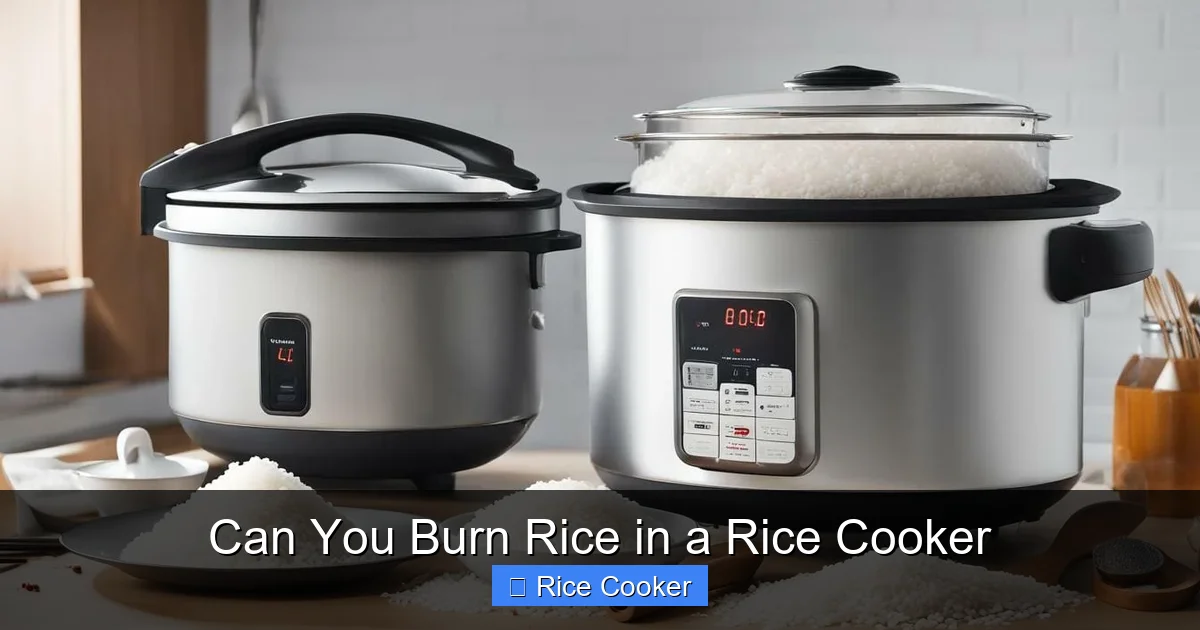
Visual guide about Can You Burn Rice in a Rice Cooker
Image source: ricearray.org
The Cooking Cycle Explained
Most basic rice cookers follow a simple cycle: preheat, boil, simmer, and warm. Here’s what happens step-by-step:
- Preheat phase: The unit heats up quickly to bring water to a boil.
- Boiling phase: Water evaporates rapidly as steam, allowing rice grains to absorb moisture.
- Simmer phase: Temperature drops slightly, and the cooker switches to low heat to finish steaming without boiling over.
- Warm phase: Once fully cooked, the cooker maintains a gentle warmth (around 60–70°C / 140–158°F) to keep rice ready-to-eat.
This automated process is designed to mimic traditional steaming methods but with precision timing and temperature control. However, not all rice cookers are created equal. Some have advanced features like fuzzy logic (adjusting power based on rice type), delay timers, and multiple cooking modes.
Why Most Rice Cookers Won’t Burn Rice (Usually)
Modern rice cookers are engineered with safety mechanisms to prevent burning. For example:
- Auto shut-off: Turns off once rice is done.
- Temperature sensors: Detect when the inner pot reaches optimal cooking temp and adjust accordingly.
- Non-stick coatings: Reduce adhesion and make cleanup easier.
That said, even with these safeguards, burning can occur — especially if the machine is overloaded, the pot is damaged, or user error plays a role. Let’s look at real-world scenarios where burning becomes likely.
Common Causes of Burning in Rice Cookers
If your rice cooker has produced burnt rice, you’re probably wondering what went wrong. While there could be multiple factors, most cases fall into a few key categories.
Visual guide about Can You Burn Rice in a Rice Cooker
Image source: stretchrecipes.com
Insufficient Water Levels
One of the most frequent causes of burnt rice is using too little water. Rice needs enough liquid to swell and cook through. Without sufficient water, the bottom layer dries out, turns hard, and eventually carbonizes due to prolonged high heat.
For example, if you’re making jasmine rice and only add half the recommended water, the lower grains will stick and burn before the top layers are fully cooked. This creates uneven results and a burnt crust at the bottom.
Dirty or Damaged Inner Pot
Over time, the non-stick coating on your inner pot can wear down, or food residue may build up. When old rice or starch accumulates near the bottom, it can caramelize and form a sticky, burnt layer that’s nearly impossible to clean — and future batches are more likely to burn again.
Even a thin film of grease or oil from previous cooking sessions can contribute to uneven heating and burning. Always wash your inner pot thoroughly after each use, and inspect it regularly for scratches or damage.
Incorrect Rice-to-Water Ratio
Different types of rice require different water amounts. Using the wrong ratio throws off the entire cooking process. For instance:
- White long-grain rice: Typically 1:1.5 (rice to water).
- Brown rice: Needs more water — often 1:2 or higher — because it takes longer to soften.
- Sushi rice: Requires less water and precise timing to achieve stickiness without gummy texture.
Mismatched ratios can result in either undercooked, dry rice or mushy, overdone grains. In borderline cases, the cooker may compensate by increasing heat, leading to scorching.
Power Surges or Voltage Fluctuations
In areas with unstable electricity, your rice cooker might receive inconsistent power. A sudden surge can spike the internal temperature beyond safe limits, causing rapid drying and burning. Similarly, if voltage drops during cooking, the machine may struggle to maintain steady heat, resulting in uneven results.
Overfilling the Cooker
While rice cookers have capacity markings, exceeding them — even slightly — disrupts airflow and heat distribution. The center grains get trapped between hotter outer edges and cooler centers, creating hotspots that promote burning.
Always measure rice accurately and rinse it gently before adding to the pot. Rinsing removes excess starch, which also helps prevent clumping and burning.
Can All Rice Cookers Burn Rice? Model Differences Matter
Not all rice cookers behave the same way. Newer models with advanced technology are far less prone to burning than older, basic units. Let’s compare different types:
Basic Rice Cookers vs. Smart Models
Basic rice cookers rely solely on temperature switches — they turn on at a set point (usually around 100°C / 212°F) and off at another (around 60°C / 140°F). There’s no feedback loop to adjust cooking dynamically. If the water evaporates too quickly or the rice sticks, there’s nothing to stop burning once the pot gets too hot.
Smart or “fuzzy logic” rice cookers, on the other hand, use microchips to analyze rice type, quantity, and moisture levels. They adjust heating patterns throughout the cycle, reducing burn risks significantly. These models often include features like:
- Multiple preset programs (white rice, brown rice, porridge, etc.)
- Steam release valves
- Delayed start timers
- Keep-warm functions with humidity control
If you frequently experience burning, upgrading to a smarter model might solve your problem — though it’s worth trying fixes first.
Electric Pressure Cookers vs. Traditional Rice Cookers
Some hybrid devices combine pressure cooking with rice-making capabilities. While excellent for speed and flavor, they operate under higher temperatures and pressures. If misused, they can scorch rice faster than standard cookers. Always consult your manual for recommended settings.
How to Prevent Burning: Practical Tips and Techniques
Prevention is always better than cleanup. Here’s how to ensure your rice cooker never produces burnt results again.
Measure Water Accurately Every Time
Use a measuring cup specifically for rice (many kits include one). Fill to the appropriate line based on your rice variety. If you’re unsure, err on the side of slightly more water — it’s easier to drain excess than to add more later.
Rinse Your Rice Thoroughly
Swirl 1 cup of rice in cold water 3–4 times until the water runs clear. This removes surface starch that can cause clumping and burning. It also improves texture and reduces stickiness.
Pre-Soak for Better Results
Soaking rice for 20–30 minutes before cooking helps hydrate the grains evenly. This shortens cooking time and reduces the chance of overheating the bottom layer. Just drain well before adding to the pot.
Clean the Inner Pot Regularly
After each use, wash the inner pot with warm, soapy water. Avoid abrasive scrubbers that can damage the non-stick surface. For stubborn burnt spots, soak the pot in hot water with dish soap for 15 minutes before scrubbing gently.
Avoid Opening the Lid During Cooking
Every time you lift the lid, you release valuable steam — about 2–3 tablespoons per opening. This extends cooking time and can throw off temperature balance, increasing burn risk.
Use the Right Amount of Rice
Follow the manufacturer’s guidelines for maximum capacity. Overfilling not only risks burning but can also jam the mechanism or void your warranty.
Check the Heating Element
Occasionally wipe down the base where the heating plate connects. Dust or debris here can create hotspots. Also, ensure the inner pot sits flush and isn’t warped.
Troubleshooting Burnt Rice: What to Do When It Happens
Despite best efforts, burnt rice occasionally occurs — usually due to forgotten steps or equipment issues. Don’t panic! Here’s how to handle it.
Assess the Damage First
Is it just a thin black crust, or is the entire batch ruined? Sometimes only the bottom layer burns while the rest remains edible. In such cases, scoop out the burnt parts and serve the rest. But if large chunks are carbonized, discard the whole batch — eating burnt rice offers no nutritional benefit and may taste bitter.
Deep Clean the Inner Pot
For light scorching, fill the pot with equal parts baking soda and water. Boil for 5 minutes, then let sit overnight. Scrub gently with a soft sponge. For heavy buildup, mix hydrogen peroxide and dish soap, apply, wait 30 minutes, then wipe clean.
Reset the Machine
Unplug your rice cooker for 5–10 minutes. This resets internal circuits and clears any error codes. Plug back in and test with fresh ingredients.
Test With a Small Batch
Before cooking a full meal, try a half-cup test. Adjust water or timing based on results. This saves time and ingredients.
Choosing the Right Rice Cooker to Avoid Burning
If you’ve had repeated burning issues, consider whether your current model is up to the task. Here’s what to look for:
Look for Fuzzy Logic Technology
This feature analyzes rice characteristics and adjusts power automatically. Brands like Zojirushi, Panasonic, and Tiger offer reliable options with this tech.
Opt for Multiple Cooking Programs
Programs for brown rice, sushi, porridge, and even yogurt give you flexibility and reduce guesswork.
Ensure Good Reviews About Consistency
Read customer feedback focusing on “burn-free” performance. Many reviewers mention early burning problems with cheap models.
Consider Size Appropriately
A 3-cup model works for singles; a 10-cup suits families. Oversizing leads to uneven cooking; undersizing risks overloading.
Check Warranty and Support
Reliable brands offer longer warranties and responsive service — useful if hardware fails.
Conclusion: Master Your Rice Cooker, Avoid the Burn
Yes, you can burn rice in a rice cooker — but it shouldn’t be a regular occurrence. With proper technique, cleanliness, and awareness of your appliance’s limitations, you can enjoy perfect rice every time. Remember: water ratios matter most, cleaning is non-negotiable, and modern machines are built to prevent disasters when used correctly.
Whether you’re cooking plain white rice, experimenting with brown or wild blends, or preparing sushi-grade sticky rice, the principles remain the same. Listen to your machine, treat it well, and it will reward you with consistent, delicious results.
Next time you open your rice cooker, expect golden, fluffy grains — not a charred surprise. Your taste buds (and dinner guests) will thank you.
Frequently Asked Questions
Can you really burn rice in a rice cooker?
Yes, it’s possible — especially with low water levels, dirty pots, or outdated models. However, modern rice cookers have safeguards to minimize this risk.
Why does my rice cooker burn the rice every time?
Common reasons include insufficient water, buildup of residue in the inner pot, incorrect rice-to-water ratios, or overfilling. Cleaning and recalibrating usage habits usually solves the issue.
Is it safe to eat burnt rice from a rice cooker?
It’s not recommended. Burnt rice can develop harmful compounds and tastes bitter. It’s best discarded and avoided in future batches.
Do newer rice cookers prevent burning better?
Absolutely. Models with fuzzy logic, multiple presets, and advanced sensors adjust heat and timing dynamically, greatly reducing burn risks compared to basic units.
How much water should I use to avoid burning?
Follow package guidelines: typically 1.5 cups water per 1 cup uncooked white rice. Adjust slightly higher for brown rice or lower for sushi rice.
What’s the best way to clean a burnt rice cooker pot?
Soak in warm soapy water with baking soda or hydrogen peroxide. For severe cases, boil the solution inside the pot before scrubbing gently with a soft sponge.