

Can you cook barley in a rice cooker? Absolutely! Barley is one of the easiest grains to prepare using a rice cooker, delivering tender, evenly cooked results with minimal effort. With just water and a few simple steps, you can enjoy nutritious, hearty meals that are perfect for soups, salads, or side dishes. Whether you’re new to cooking barley or looking to simplify your routine, a rice cooker makes the process foolproof.
Key Takeaways
- Barley cooks well in a rice cooker: Yes, barley works beautifully in most standard rice cookers, especially those with a “grain” or “manual” setting.
- Water ratio matters: Use about 2.5 cups of water per 1 cup of barley to achieve the right texture — slightly chewy but not mushy.
- Rinse before cooking: Rinsing removes excess starch and prevents gummy results, especially for pearled barley.
- Cooking time varies: Pearled barley takes 35–45 minutes; hulled barley may take up to 60 minutes due to its denser structure.
- Flavor boost options: Add herbs, garlic, or broth instead of plain water for extra taste without extra effort.
- Storage and reheating: Cooked barley keeps in the fridge for up to 5 days and reheats nicely on the stovetop or microwave.
- Health benefits: Barley is rich in fiber, vitamins, and minerals, making it a great addition to any balanced diet.
Key Takeaways
- Understanding can you cook barley in a rice cooker: Provides essential knowledge
Quick Answers to Common Questions
Can I cook quick-cooking barley in a rice cooker?
It’s possible, but not ideal. Quick-cooking barley is already pre-steamed and can turn mushy in a rice cooker. If you must use it, reduce the water to 2 cups per 1 cup barley and check frequently after 10 minutes.
Do I need to soak barley before cooking?
Soaking isn’t necessary, but it can reduce cooking time — especially for hulled barley. Soak for 1–2 hours or overnight, then proceed as usual. This helps the grain soften faster and cook more evenly.
Can I cook barley with broth instead of water?
Absolutely! Using broth adds rich flavor without extra effort. Just replace the water with equal amounts of vegetable, chicken, or beef broth. You can also add herbs or garlic during cooking.
How do I store cooked barley?
Store cooled barley in an airtight container in the refrigerator for up to 5 days. It freezes well too — portion into bags and thaw as needed. Reheat gently with a splash of water to restore moisture.
Is barley gluten-free?
No, barley contains gluten and is not safe for people with celiac disease or gluten sensitivity. However, it’s often tolerated by those with mild gluten issues, unlike wheat or rye. Always consult a doctor before consuming.
📑 Table of Contents
- Introduction: The Surprising Versatility of Your Rice Cooker
- Understanding Barley: Types, Nutritional Benefits, and Why It Belongs in Your Rice Cooker
- Can You Actually Cook Barley in a Rice Cooker? The Science Behind It
- Step-by-Step Guide: How to Cook Barley in a Rice Cooker
- Tips for Perfect Barley Every Time
- Creative Ways to Use Cooked Barley in Your Meals
- Troubleshooting Common Barley Cooking Issues
- Comparing Barley to Other Grains in a Rice Cooker
- Environmental and Cost Benefits of Cooking Barley in a Rice Cooker
Introduction: The Surprising Versatility of Your Rice Cooker
You probably know your rice cooker as the go-to appliance for fluffy white rice, sticky sushi rice, or even steamed veggies. But did you know it can do so much more? One grain that often gets overlooked — yet thrives in a rice cooker — is barley. Whether you’re meal-prepping for the week or craving a warm, comforting bowl of whole grain goodness, cooking barley in a rice cooker is not only possible, but it’s also incredibly easy.
Unlike traditional stovetop methods that require constant stirring and monitoring, a rice cooker automates the process. It heats water evenly, maintains consistent temperatures, and shuts off when done — all while you go about your day. This means no burnt bottoms, no sticking, and no guesswork. Plus, because barley expands and softens during cooking, it benefits greatly from the sealed, pressurized environment a rice cooker provides.
In this article, we’ll walk you through everything you need to know about cooking barley in a rice cooker — from choosing the right type of barley to adjusting water ratios, flavor enhancements, and even creative recipe ideas. By the end, you’ll be confident that yes, you can cook barley in a rice cooker, and you might never look back at your old pot again.
Understanding Barley: Types, Nutritional Benefits, and Why It Belongs in Your Rice Cooker
Before diving into the how-to, let’s talk about what barley actually is — and why it deserves a spot in your kitchen rotation. Barley is an ancient grain that’s been a staple in diets around the world for thousands of years. It comes in different varieties, each suited for different uses and cooking times.

Visual guide about Can You Cook Barley in a Rice Cooker
Image source: pastureandpearl.com
The Three Main Types of Barley
There are three primary types of barley: hulled, pearled (or partially pearled), and quick-cooking. Here’s a quick breakdown:
- Hulled barley: This is the least processed form, with the bran and germ intact. It has a chewy texture and nutty flavor, but it takes the longest to cook — usually 45–60 minutes.
- Pearled barley: The most common type found in grocery stores, pearled barley has the outer husk removed and some bran polished away. It cooks faster — typically 35–45 minutes — and still retains good texture and nutrients.
- Quick-cooking barley: This is pre-steamed and then dried. It’s the fastest option (about 10 minutes), but it tends to become mushy if overcooked, which can be tricky in a rice cooker.
For rice cooker use, pearled barley is ideal because it balances speed, texture, and ease. Hulled barley is also fine if you have time, but quick-cooking barley should be avoided unless your rice cooker has a specific “quick-cook” setting.
Nutritional Powerhouse
Barley isn’t just versatile — it’s nutritious too. It’s packed with fiber (especially beta-glucan, known to support heart health), protein, B vitamins, selenium, magnesium, and manganese. A single cup of cooked pearled barley contains about 23 grams of carbohydrates, 3.5 grams of fiber, and 4 grams of protein. That makes it a satisfying, energy-boosting grain perfect for breakfast, lunch, or dinner.
Because a rice cooker preserves moisture and doesn’t require added fats, you get the full nutritional benefit of barley without extra calories or oils — another reason it’s such a great fit for this appliance.
Can You Actually Cook Barley in a Rice Cooker? The Science Behind It
If you’ve ever tried boiling barley on the stove, you know it can be a bit finicky. It tends to absorb a lot of water, sometimes stick to the pan, and rarely turns out uniformly cooked. So why does it work so well in a rice cooker?
Visual guide about Can You Cook Barley in a Rice Cooker
Image source: aredspatula.com
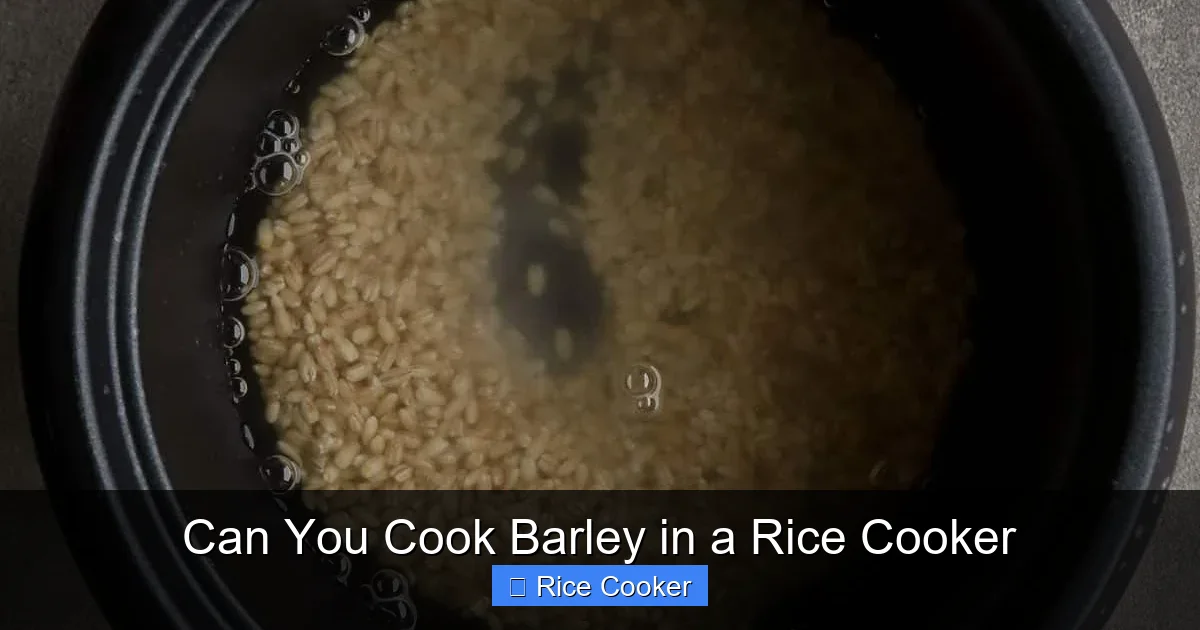
A rice cooker creates a closed, steam-filled environment that promotes even heat distribution and consistent cooking. Unlike a pot, where the top stays cool and the bottom gets hot, the rice cooker heats the entire cooking chamber uniformly. This helps barley grains expand evenly and cook through without clumping.
Additionally, most modern rice cookers come with multiple settings — like “white rice,” “brown rice,” “mixed grain,” or even “porridge.” While barley isn’t always listed, these settings mimic the conditions needed for cooking barley: steady heat and controlled moisture release. In fact, many people report better results cooking barley in a rice cooker than on the stove — less mess, fewer chances of burning, and hands-off convenience.
Step-by-Step Guide: How to Cook Barley in a Rice Cooker
Ready to give it a try? Follow these simple steps, and you’ll have perfectly cooked barley every time.
What You’ll Need
- 1 cup pearled or hulled barley (rinsed)
- 2.5 to 3 cups water (adjust based on desired texture)
- Pinch of salt (optional)
- Clean rice cooker bowl
- Measuring cup
Step 1: Rinse the Barley
Start by rinsing 1 cup of barley under cold running water using a fine-mesh strainer. This removes surface starch and prevents the grains from becoming overly sticky. Skipping this step can lead to a gummy texture, especially with pearled barley.
Step 2: Add Water and Barley
Add the rinsed barley and water to the inner pot of your rice cooker. For most rice cookers, a ratio of 2.5 parts water to 1 part barley works well. If you prefer softer barley, go up to 3 cups. For chewier barley (like in barley risotto), stay closer to 2.5 cups.
Step 3: Select the Right Setting
Most rice cookers don’t have a “barley” setting, but that’s okay. Use the closest available mode:
- “White rice”: Best for pearled barley.
- “Mixed grain” or “Multigrain”: Great for hulled barley or when combining with other grains.
- “Porridge” or “Oatmeal”: Works well if you’re making a thicker, creamier dish.
Press start and let the machine do the work. Total cooking time will be between 40 and 60 minutes, depending on the barley type and setting.
Step 4: Let It Rest
Once the cycle ends, let the barley sit, covered, for 5–10 minutes. This allows residual heat to finish cooking any uncooked bits and helps the grains firm up slightly — similar to letting rice rest after cooking.
Step 5: Fluff and Serve
Use a fork to gently fluff the barley. It should be tender with a slight chew, not mushy. At this point, you can season with butter, herbs, lemon juice, or spices to taste.
Tips for Perfect Barley Every Time
Even though rice cookers are forgiving, a few small tweaks can make your barley truly shine.
Use the Right Water Ratio
The golden rule is 2.5 to 3 cups of water per 1 cup of barley. Too little water leads to dry, hard grains. Too much results in a soupy consistency. Start with 2.5 and add more if needed next time.
Don’t Overfill
Leave at least 1 inch of space between the liquid level and the top of the inner pot. Overfilling can cause overflow or uneven cooking.
Enhance the Flavor
Swap water for vegetable or chicken broth to add depth. You can also toss in a bay leaf, sprig of thyme, or a crushed garlic clove while cooking. Remove solids before serving for cleaner bites.
Try Different Barley Varieties
Experiment with hulled barley for a more rustic, nutrient-dense option, or quick-cooking barley if you’re short on time — just reduce water slightly and monitor closely.
Store Leftovers Properly
Let cooled barley air-dry before storing. Keep it in an airtight container in the fridge for up to 5 days. Reheat gently on the stovetop with a splash of water or broth to revive moisture.
Creative Ways to Use Cooked Barley in Your Meals
Cooked barley is incredibly versatile. Once you master the basics, the possibilities are endless.
Breakfast Bowls
Warm up cooked barley with milk or plant-based milk, top with fresh berries, nuts, and a drizzle of honey. It’s a fiber-rich alternative to oatmeal that keeps you full longer.
Salad Staple
Use cooled barley as a base for Mediterranean salads: mix with cucumber, tomatoes, feta, olives, and a lemon-tahini dressing. It holds up well and absorbs flavors beautifully.
Soup Thickener
Stir cooked barley into soups like minestrone or lentil soup. It adds body, texture, and sustenance without requiring extra thickeners.
Stuffed Bell Peppers
Combine barley with ground turkey, onions, herbs, and tomatoes, then stuff into halved peppers and bake. A complete, wholesome meal in one dish.
Vegan Burgers
Mash cooked barley with mashed beans, breadcrumbs, and spices to form patties. Pan-fry until crispy on the outside and tender inside.
Dessert Alternative
Mix barley with coconut milk, cinnamon, dates, and chopped nuts for a warm, spiced pudding — a surprising but delicious dessert with digestive benefits.
Troubleshooting Common Barley Cooking Issues
Even with the best tools, things don’t always go as planned. Here’s how to fix common problems.
Gummy or Sticky Barley
This usually happens when barley isn’t rinsed or too much water is used. Always rinse first, and measure water carefully. Also, avoid pressing down on the cooked barley — it releases more starch and becomes tackier.
Undercooked or Hard Grains
If some kernels remain firm, drain excess liquid and return the pot to the cooker for another 10-minute cycle on “warm” or “hold.” Hulled barley is especially prone to this — consider soaking it overnight to shorten cooking time.
Overflow or Mess
Overfilling causes spillage. Stick to the recommended water ratio and leave space in the pot. Using a lid slightly ajar can help vent steam if needed.
Too Much Liquid
Drain the barley after cooking and press out excess water with a spoon. Or, spread it on a baking sheet to dry slightly before using.
Burnt Bottom or Uneven Cooking
This suggests the rice cooker isn’t heating evenly. Clean the heating element regularly and ensure the inner pot is properly seated. Some models perform better with a thin layer of oil or nonstick spray to prevent sticking.
Comparing Barley to Other Grains in a Rice Cooker
While barley is excellent, it’s helpful to compare it to other grains you might cook in the same appliance.
| Grain | Water Ratio | Cooking Time | Best Rice Cooker Setting |
|---|---|---|---|
| Pearled Barley | 2.5:1 | 35–45 min | White rice |
| Hulled Barley | 3:1 | 45–60 min | Mixed grain |
| Brown Rice | 2:1 | 45–60 min | Brown rice |
| Quinoa | 2:1 | 15–20 min | White rice |
| Millet | 2:1 | 20–25 min | White rice |
As you can see, barley requires more water and time than quinoa or millet but less than hulled barley. Its texture lies somewhere between brown rice and oats — hearty but not dense.
Environmental and Cost Benefits of Cooking Barley in a Rice Cooker
Beyond taste and nutrition, there are practical advantages to choosing barley and using a rice cooker.
Energy Efficiency: Rice cookers use less electricity than stovetops, especially for long cooking times. Since barley often needs 45+ minutes, a rice cooker is more efficient and leaves room free.
Cost-Effective: Barley is significantly cheaper than many superfoods like quinoa or farro. A pound of pearled barley costs just a few dollars and yields about 16 cups of cooked grain — enough for weeks of meals.
Less Waste: Because barley absorbs exactly the amount of water it needs and doesn’t require oil or butter, there’s no extra fat or cleanup. Plus, leftover barley stores well, reducing food waste.
Sustainability: Barley is a hardy crop that grows in diverse climates with minimal inputs. Choosing it supports sustainable agriculture compared to resource-intensive grains.
Frequently Asked Questions
What kind of rice cooker works best for barley?
Any standard rice cooker with a “white rice” or “mixed grain” setting works well. Look for models with a nonstick inner pot and adjustable timers for more control over the cooking process.
How long does it take to cook barley in a rice cooker?
Pearled barley takes 35–45 minutes, while hulled barley may take 45–60 minutes. Quick-cooking barley is faster but riskier in a rice cooker. Always check the manufacturer’s guidelines for your model.
Can I cook barley in a pressure cooker or Instant Pot?
Yes! Pressure cookers are excellent for barley. Use the same water ratio and cook for 12–15 minutes on high pressure, then natural release for 10 minutes. It’s faster and yields tender results.
Why is my barley too sticky?
Sticky barley usually results from not rinsing or using too much water. Always rinse barley before cooking, and measure water precisely. Also, avoid pressing or mashing the cooked grain, as this releases more starch.
Can I cook barley with other grains in the rice cooker?
Yes, you can combine barley with rice, quinoa, or millet. Mix equal parts and adjust water upward by ¼ cup per additional grain. Use the “mixed grain” setting if available.
Is cooked barley good for digestion?
Yes, barley is high in soluble fiber, which supports gut health and regular bowel movements. The beta-glucan in barley also acts as a prebiotic, feeding beneficial gut bacteria.