

Yes, you can absolutely cook beans in a rice cooker, and it’s one of the easiest ways to prepare them without constant monitoring. With the right ratio of water, soaking method, and cooking time, your rice cooker can produce tender, evenly cooked beans—whether you’re making chili, soups, or side dishes. This method saves time, energy, and effort while delivering consistent results.
Key Takeaways
- Cooking beans in a rice cooker is simple and effective: It requires no constant attention and delivers perfectly cooked beans every time.
- Soaking is optional but recommended: While you can cook dry beans directly, soaking reduces cooking time and improves texture.
- Water-to-bean ratio matters: Use about 3 cups of water per cup of dry beans to ensure they cook through without drying out.
- Seasoning can be added during or after cooking: Add salt, herbs, or spices at the end to prevent toughness; some prefer adding them mid-cook.
- Different beans need different times: Black beans take 1–1.5 hours, while chickpeas may require up to 2 hours—check the package for guidance.
- Cooling and storing is easy: Let cooled beans sit in their liquid for better flavor absorption, then store in the fridge for up to a week.
- Versatile uses: Cooked beans work in tacos, salads, dips like hummus, stews, and more—great for meal prep and batch cooking.
Key Takeaways
- Understanding can you cook beans in a rice cooker: Provides essential knowledge
Quick Answers to Common Questions
Can I cook beans in a rice cooker without soaking them?
Yes, you can cook beans in a rice cooker without soaking, though it will take longer—usually 1.5 to 2 hours. Just make sure to use extra water and check for doneness regularly.
How much water do I need for cooking beans in a rice cooker?
Use about 3 cups of water for every 1 cup of dry beans. This ensures they cook evenly without drying out or boiling over.
Should I add salt to the beans while cooking?
It’s best to add salt after the beans are fully cooked. Adding it too early can make them tough. You can flavor the water with garlic, onion, or bay leaves if desired.
Can I cook different types of beans together in one batch?
No, it’s not ideal. Different beans have varying cooking times—some may become mushy while others stay hard. Cook each type separately for the best texture.
How long does it take to cook black beans in a rice cooker?
Black beans typically take 60 to 90 minutes to cook fully in a rice cooker. If unsoaked, add 15–30 minutes to the total time.
📑 Table of Contents
Can You Cook Beans in a Rice Cooker?
If you’re looking for an easy, hands-off way to prepare beans, your rice cooker might just be the unsung hero of your kitchen. Whether you’re meal prepping for the week, making a hearty chili, or whipping up a batch of hummus, cooking beans in a rice cooker offers convenience, consistency, and minimal cleanup. In this comprehensive guide, we’ll walk you through everything you need to know—from choosing the right beans to mastering the perfect water ratio, timing, and seasoning techniques.
You might be wondering: Is it really possible to get tender, flavorful beans using just one appliance? The answer is yes—and not only that, but many home cooks swear by this method because it frees up your stove and stove-top pots for other dishes. Plus, rice cookers maintain a steady temperature, which helps beans cook evenly without burning or sticking. So whether you’re a seasoned cook or just starting out, read on to learn how to turn your ordinary rice cooker into a bean-making powerhouse.
Why Use a Rice Cooker for Beans?
Rice cookers are designed to automate the cooking process, and beans are no exception. Unlike boiling beans on the stovetop—which requires watching the pot, stirring occasionally, and risking boil-overs—the rice cooker handles all the hard work for you. Once you add the beans, water, and seasonings (if desired), you simply press a button and let the machine do its thing. No more babysitting!
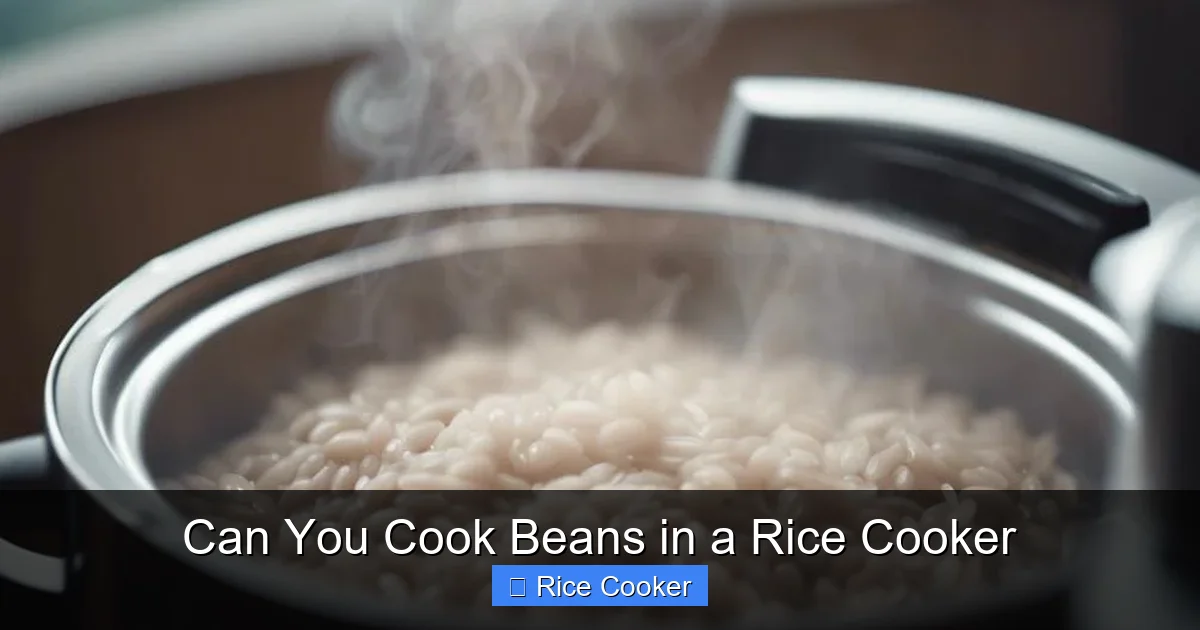
Visual guide about Can You Cook Beans in a Rice Cooker
Image source: ricearray.org
Another advantage is energy efficiency. A rice cooker uses less electricity than a stove burner, especially if you’re cooking large batches. And since beans expand when cooked, using a rice cooker with a larger inner pot gives you plenty of room to avoid overflow. Many modern models also come with delay timers and keep-warm functions, making it ideal for busy schedules.
The Science Behind Cooking Beans
Before diving into the steps, it’s helpful to understand why beans need time to cook. Unlike grains such as rice or quinoa, beans contain complex sugars and starches that break down only under prolonged heat and moisture. This process softens the bean’s skin and makes nutrients more digestible. Without enough time or water, beans stay hard and difficult to chew.
Soaking beans before cooking helps jumpstart this process. It rehydrates them, reducing active cooking time and improving texture. However, if you’re short on time, you can skip soaking—just allow extra time in the rice cooker.
Choosing the Right Beans
Not all beans behave the same in a rice cooker. Some cook faster, others hold their shape better, and some require longer soaking times. Here’s a quick breakdown of popular options:

Visual guide about Can You Cook Beans in a Rice Cooker
Image source: i.pinimg.com
Dry Beans vs. Canned Beans
While canned beans are convenient, they’re already cooked and often high in sodium. If you’re aiming for control over texture and salt content, dry beans are the way to go. They absorb flavors better and yield creamier results when properly cooked.
Common Types and Their Needs
- Black Beans: Quickest to cook—about 60–90 minutes. Great for Mexican dishes, soups, and black bean burgers.
- Pinto Beans:
- Kidney Beans: Require longer cooking—up to 2 hours—to break down naturally occurring toxins. Always soak thoroughly.
- Chickpeas (Garbanzo Beans): Dense and starchy; cook 90–120 minutes. Ideal for hummus, stews, or salads.
- Navy Beans:
- Lima Beans:
Tips for Selecting Quality Dry Beans
When buying dry beans, look for uniform color and avoid those with cracks, splits, or dark spots. Rinsing them under cold water removes debris and any loose skins. If you notice tiny holes (signs of weevil infestation), discard that batch—it won’t taste good.
Step-by-Step Guide: How to Cook Beans in a Rice Cooker
Ready to try it? Follow these simple steps for foolproof results every time.
Step 1: Measure Your Ingredients
For every 1 cup of dry beans, use approximately 3 cups of water. This ratio ensures beans have enough moisture to soften without becoming mushy. For example, if you’re cooking 2 cups of dried black beans, measure out 6 cups of water.
Step 2: Soak (Optional but Recommended)
To reduce cooking time and improve digestibility, soak beans overnight in cool water (or use the quick-soak method: bring to a boil for 2 minutes, then remove from heat and let sit for 1 hour). Drain and rinse before adding to the rice cooker.
Step 3: Add Beans and Water to the Rice Cooker
Place the soaked (or unsoaked) beans into the inner pot. Pour in the measured water. Avoid filling beyond two-thirds full to prevent overflow during expansion.
Step 4: Season Wisely
Most experts recommend adding salt, garlic, onion, or bay leaves after the beans finish cooking. Adding salt too early can toughen the beans by drawing out moisture prematurely. However, if you love bold flavors, you can add aromatics like onion or garlic at the beginning—just remove them before serving unless you enjoy chewing on them.
Step 5: Start Cooking
Close the lid, plug in the rice cooker, and select the “Cook” or “Normal” setting. Do not open the lid during cooking—this disrupts steam buildup and extends cooking time.
Step 6: Check for Doneness
Once the cycle completes, let the beans rest for 10–15 minutes. Then test one bean: it should mash easily between your fingers. If still firm, close the lid and cook for another 15–30 minutes on “Keep Warm” or repeat a full cycle.
Step 7: Cool and Store
After cooking, drain excess liquid if needed, or leave beans submerged in their broth for storage. Transfer to airtight containers and refrigerate for up to 5 days or freeze for up to 3 months. Beans continue to thicken as they cool, so adjust consistency later when reheating.
Troubleshooting Common Issues
Even with the best intentions, things don’t always go smoothly. Here’s how to fix common problems:
Beans Are Too Hard
This usually means insufficient soaking or not enough cooking time. Try soaking longer next time, and always verify doneness with a taste test. Overnight soaking makes a big difference.
Beans Are Mushy or Sticky
Too much water or overcooking causes this. Stick to the 3:1 water-to-bean ratio, and avoid opening the lid frequently. If beans start to break apart, reduce cooking time slightly next batch.
Overflow During Cooking
Beans expand as they cook. Fill the pot no more than halfway, and consider using a rice cooker with a wider base. Adding a tablespoon of oil or vinegar to the water can also help reduce foaming.
Off-Flavors or Bitter Taste
This can happen if beans were stored improperly or contaminated. Always inspect beans before buying. Also, avoid using metal utensils in the inner pot—they can react with acidic ingredients and create bitterness.
Creative Ways to Use Cooked Beans
Cooked beans aren’t just for basic recipes—they’re incredibly versatile. Here are some delicious ideas:
Meal Prep Powerhouses
Cook a large batch at the start of the week and portion into containers. Use in salads, grain bowls, wraps, or as a base for veggie burgers. Refrigerated beans last up to 5 days; frozen, up to 3 months.
Breakfast Options
Add mashed black beans to scrambled eggs or omelets. Top avocado toast with seasoned pinto beans for protein-rich fuel. Blend chickpeas into morning smoothies for creaminess.
Soups and Stews
Stir cooked beans into chili, lentil soup, or minestrone. They add body, fiber, and flavor without extra fat. For creamy textures, blend half the beans before returning them to the pot.
Dips and Spreads
Make classic hummus with chickpeas, or try black bean dip with cumin and lime. Both pair beautifully with tortilla chips or veggie sticks.
Baked Goods
Incorporate mashed beans into brownie or muffin batter. Navy beans or black beans lend moistness and nutrition—perfect for health-conscious bakers.
Health Benefits of Eating Beans
Beyond being easy to cook, beans offer impressive nutritional perks:
- High in Fiber: Supports digestion and keeps you feeling full longer.
- Rich in Protein: Especially important for plant-based diets—combine with grains for complete amino acids.
- Low Glycemic Index: Helps stabilize blood sugar levels.
- Packed with Vitamins: Especially folate, iron, magnesium, and potassium.
- Heart-Healthy: Studies show regular bean consumption lowers LDL (“bad”) cholesterol.
One caveat: some people experience gas or bloating from beans. Soaking and cooking thoroughly, along with gradual increases in intake, can minimize discomfort.
Frequently Asked Questions
Can I cook beans without soaking them first?
Yes, you can cook beans without soaking, but it will take longer—typically 1.5 to 2 hours depending on the type. Unsoaked beans absorb water slowly, so ensure you use extra time and monitor doneness carefully.
Do I need to add oil to prevent sticking?
Not necessarily. Most rice cookers have non-stick inner pots, and adding a little oil isn’t harmful—but it’s not required. If you notice sticking, stir once halfway through cooking (if safe for your model).
What happens if I forget to soak my beans?
Nothing disastrous! Just increase cooking time by 20–30%. The rice cooker will still get the job done. You might want to soak them anyway next time for better texture.
Can I cook multiple types of beans together?
It’s not recommended. Different beans cook at different rates—some may be overcooked while others remain hard. Cook each variety separately for best results.
How do I reheat leftover cooked beans?
Simply add beans to a saucepan with a splash of water or broth. Heat over medium-low, stirring occasionally, until warmed through. Avoid microwaving dry beans—add liquid first to prevent drying out.
Frequently Asked Questions
Can you cook beans in a rice cooker?
Yes, you can cook beans in a rice cooker. It’s an easy, hands-off method that produces tender, evenly cooked beans with minimal effort. Just add beans, water, and seasonings, then let the machine do the work.
Do you need to soak beans before cooking them in a rice cooker?
Soaking is optional but highly recommended. It reduces cooking time and improves texture. If you skip soaking, plan for 1.5 to 2 hours of cooking time instead of the usual 60–90 minutes.
What is the best water-to-bean ratio for cooking beans in a rice cooker?
The ideal ratio is about 3 cups of water for every 1 cup of dry beans. This prevents dryness while allowing beans to expand and soften properly during cooking.
Can you overcook beans in a rice cooker?
Yes, overcooking can lead to mushy beans. Once the rice cooker finishes its cycle, test a few beans. If they’re soft enough to mash easily, they’re done. If not, cook for an additional 15–30 minutes.
Are cooked beans from a rice cooker safe to eat the next day?
Absolutely. Store cooled beans in an airtight container in the refrigerator for up to 5 days. They can also be frozen for up to 3 months. Always reheat thoroughly before eating.
Can you use canned beans in a rice cooker?
Technically yes, but there’s no benefit. Canned beans are already cooked and often high in sodium. The rice cooker is meant for raw ingredients, so using dried beans yields better control over texture and flavor.