
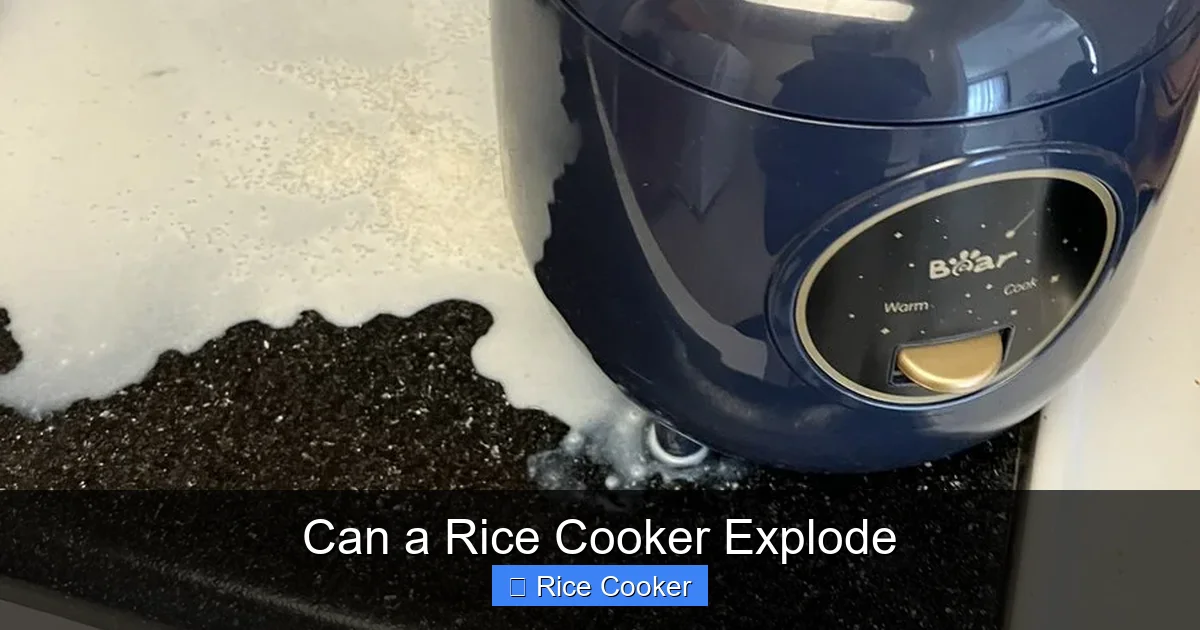
Can a rice cooker explode? While rare, yes, it is possible under certain conditions. Most modern rice cookers are designed with safety features to prevent explosions, but faulty parts, overheating, or improper use can lead to dangerous situations. Understanding the risks and knowing how to maintain your appliance can keep your kitchen safe.
Key Takeaways
- Rare but Possible: Rice cooker explosions are uncommon but have occurred due to manufacturing defects, misuse, or electrical faults.
- Safety Features Exist: Modern rice cookers include pressure release valves, thermal fuses, and automatic shut-offs to prevent accidents.
- Causes Include Overfilling: Adding too much water or rice can block steam vents and cause pressure buildup, increasing explosion risk.
- Faulty Parts Matter: Worn-out inner pots, damaged heating elements, or cracked lids can compromise safety and lead to malfunctions.
- Proper Maintenance Is Key: Regular cleaning, timely repairs, and using manufacturer-approved parts reduce the chance of an incident.
- Know the Warning Signs: Unusual noises, smoke, or steam leaks before cooking may indicate a problem that needs immediate attention.
- Stay Informed: Reading manuals, avoiding modifications, and replacing old models help maintain a safe cooking environment.
📑 Table of Contents
- Can a Rice Cooker Explode? What You Need to Know for Kitchen Safety
- Understanding How Rice Cookers Work
- Can a Rice Cooker Actually Explode?
- What Causes a Rice Cooker to Explode?
- Signs Your Rice Cooker Might Be at Risk
- How to Prevent Rice Cooker Explosions
- What to Do If Your Rice Cooker Starts Leaking or Overheats
- Myths vs. Facts About Rice Cooker Safety
- Choosing a Safe Rice Cooker: What to Look For
- Conclusion: Stay Safe, Enjoy Your Rice
Can a Rice Cooker Explode? What You Need to Know for Kitchen Safety
Imagine this: you’re in the middle of preparing dinner, rice simmering gently in your trusty rice cooker. The kitchen smells warm and comforting, and you’re looking forward to a perfectly cooked meal. Then—suddenly—a loud bang, a burst of steam, and a mess on your counter. If you’ve ever wondered, “Can a rice cooker explode?” you’re not alone. It’s a question many home cooks ask, especially after hearing stories online or seeing alarming news reports.
While rice cooker explosions are extremely rare, they do happen—and when they do, they can be startling and even dangerous. The good news? Most incidents are preventable with proper knowledge, maintenance, and caution. In this comprehensive guide, we’ll explore everything you need to know about rice cooker safety, the science behind potential explosions, and practical steps to keep your kitchen accident-free. Whether you’re a rice cooker newbie or a seasoned user, understanding the risks helps you make smarter choices—and enjoy your meals without worry.
Understanding How Rice Cookers Work
Before diving into explosion risks, let’s take a moment to understand how rice cookers function. At its core, a rice cooker is a sealed electric appliance designed to automate the process of boiling and steaming rice. Inside, there’s an inner pot (usually made of non-stick aluminum or stainless steel), a heating element at the bottom, and a control system that monitors temperature.
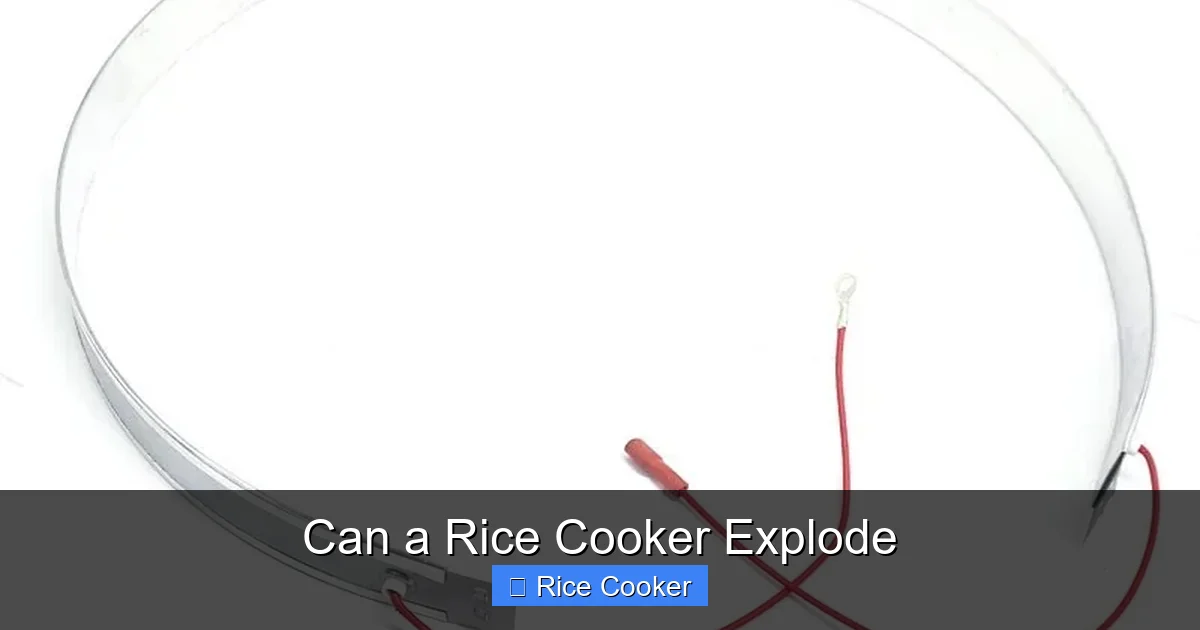
Visual guide about Can a Rice Cooker Explode
Image source: chefglobal.es
The Science of Cooking Rice
When you add rice and water to the inner pot and turn it on, the heating element warms the bottom of the pot. As water heats up, it turns into steam. This steam rises and creates pressure inside the sealed environment—especially in pressure cooker-style rice cookers. The control system detects when the water has evaporated and automatically switches from “cooking” mode to “warm” mode, keeping the rice at the perfect serving temperature.
Types of Rice Cookers and Their Safety Mechanisms
There are several types of rice cookers on the market, each with different safety features:
- Basic Electric Rice Cookers: These are simple, affordable models with a single heating element and basic temperature controls. They rely on a thermostat to detect when the rice is done.
- Pressure Rice Cookers: These cook rice faster by building internal pressure. They include pressure release valves and safety locks to prevent over-pressurization.
- Induction Heating Rice Cookers: High-end models that use electromagnetic coils to heat the base precisely. They often come with advanced sensors and fail-safes.
All modern rice cookers are built with multiple layers of protection—but no machine is completely immune to failure. That’s why awareness matters.
Can a Rice Cooker Actually Explode?
So, back to the big question: Can a rice cooker explode? The short answer is yes—but only under very specific and unlikely circumstances. Let’s break down what would actually cause such an event.
What Happens During a Rice Cooker Explosion?
A rice cooker explosion typically involves a sudden release of high-pressure steam and sometimes hot liquid or debris. This happens when the internal pressure exceeds the appliance’s structural limits. Imagine a sealed container with too much heat and not enough ventilation—like shaking a soda bottle and opening it. The result? A messy, potentially dangerous burst.
Real-Life Incidents: Have Rice Cookers Really Exploded?
Yes—there have been documented cases. For example, in 2018, a consumer safety report revealed a batch of rice cookers recalled due to faulty pressure valves that failed to release steam properly. Another case involved a user who overfilled the rice cooker with water, blocking the vent and causing a rupture. These incidents underscore the importance of proper usage and quality control.
How Common Are Rice Cooker Explosions?
Statistically speaking, rice cooker explosions are exceedingly rare. According to the U.S. Consumer Product Safety Commission (CPSC), there are fewer than 5 reported incidents per year in the United States involving rice cookers. Compare that to thousands of annual appliance-related injuries from microwaves, toasters, or even blenders. The key takeaway? While possible, the risk is low—especially if you follow safety guidelines.
What Causes a Rice Cooker to Explode?
If explosions are rare, why do they happen? Let’s look at the most common causes.
1. Overfilling the Inner Pot
This is one of the top reasons for malfunctions. Rice expands as it cooks—sometimes doubling in volume. If you don’t leave room for expansion, the rice can overflow, clog the vent, and trap steam. This leads to pressure buildup and, eventually, a potential rupture.
Tip: Always follow the recommended water-to-rice ratio (typically 1:1.5 to 1:2). For long-grain rice, use slightly more water than short-grain.
2. Clogged Steam Vents or Pressure Release Valves
Dust, food particles, or mineral deposits can block the tiny holes that allow steam to escape. In pressure cookers, a blocked valve means no steam can vent—so pressure keeps rising. Even in non-pressure models, clogged vents can cause overheating.
3. Faulty or Worn-Out Components
Over time, parts like thermostats, heating elements, or seals can degrade. A broken thermostat might keep the cooker running even after the rice is done, leading to scorching or overheating. In pressure models, a cracked lid seal can fail to contain steam safely.
4. Using Damaged or Counterfeit Accessories
Substitute inner pots or lids from unknown brands may not meet safety standards. A poorly fitted lid, for instance, won’t seal properly, creating weak spots where pressure can build unpredictably.
5. Electrical Malfunctions
Though less common, power surges or internal wiring issues can cause the heating element to overheat uncontrollably. Without proper regulation, this can lead to fire or explosion risks.
6. Modifying the Appliance
Some DIY enthusiasts try to upgrade their rice cookers with third-party parts or alter settings. This voids warranties and removes critical safety protections. Never drill holes, remove sensors, or bypass timers.
Signs Your Rice Cooker Might Be at Risk
Being proactive is the best defense. Here are warning signs that your rice cooker may be unsafe:
- Unusual Smells: Burnt plastic, ozone, or burning electronics mean something’s wrong.
- Excessive Smoke or Steam: Especially during the cooking cycle, this indicates overheating.
- Loud Popping or Hissing Sounds: Could signal a pressure valve failure or seal breach.
- Leaking Around the Lid or Base: Cracks or gaps compromise the seal.
- Frequent Burner or Warm Mode Activations: Suggests thermostat issues.
If you notice any of these, stop using the cooker immediately and inspect or replace it.
How to Prevent Rice Cooker Explosions
The good news? Most rice cooker problems are avoidable with smart habits and regular care. Here’s how to keep your appliance—and your kitchen—safe.
Follow Manufacturer Instructions
Every rice cooker model is different. Read the manual before first use. Pay attention to water levels, cooking times, and recommended rice types. Don’t assume all rice cookers work the same way.
Clean the Steam Vent and Lid Weekly
Use a soft brush or toothpick to clear out the small vent holes. For stubborn grime, soak the lid in warm soapy water. Never immerse the main unit in water unless specified as dishwasher-safe (which is rare).
Replace Worn Parts Promptly
If your inner pot scratches deeply, the lid doesn’t seal, or the handle feels loose, get a replacement. Use only genuine manufacturer parts. Search your model number on the brand’s official website.
Avoid Overloading
Cook only what you need. A standard 6-cup rice cooker works best for 4–6 people. Leftovers? Make extra next time—or freeze portions.
Store Properly When Not in Use
Keep the cooker in a dry place. Don’t stack heavy items on top of it. Cover it loosely to avoid dust accumulation.
Unplug When Not in Use
This prevents accidental activation and reduces fire risk during power fluctuations.
Consider Upgrading if Old or Damaged
If your rice cooker is over 7 years old or has had multiple repairs, consider replacing it. Newer models have better safety tech, like auto-shutoff and surge protection.
What to Do If Your Rice Cooker Starts Leaking or Overheats
Even with precautions, things can go wrong. Here’s what to do in an emergency:
- Turn Off and Unplug Immediately: Safety first. Don’t touch the appliance while it’s still powered.
- Let It Cool: Wait 30–60 minutes before inspecting. Hot surfaces can cause burns.
- Inspect for Damage: Check the lid, seals, and heating element for cracks or warping.
- Do Not Attempt Repairs Yourself: Unless qualified, leave electrical fixes to professionals.
- Contact Customer Support: Report the issue. Some manufacturers offer free replacements for defective units.
In severe cases—like smoke or fire—evacuate the area, call emergency services, and never open a hot, pressurized appliance.
Myths vs. Facts About Rice Cooker Safety
Let’s clear up some common misconceptions.
Myth: All Rice Cookers Are Dangerous
Fact: Most modern rice cookers are rigorously tested for safety. Millions are used daily worldwide without incident. The risk comes from misuse, not the appliance itself.
Myth: You Can Cook Anything in a Rice Cooker
Fact: While versatile, rice cookers aren’t designed for every task. Avoid frying meats or boiling liquids at high temperatures, as this can damage the inner pot or trigger safety mechanisms incorrectly.
Myth: Rice Cookers Explode Like Pressure Canners
Fact: Standard rice cookers don’t build dangerous pressure like stovetop pressure cookers. Only specialized models do. Even then, they have multiple failsafes.
Myth: Cheap Rice Cookers Are More Likely to Explode
Fact: Price isn’t always the issue. A well-maintained cheap model is safer than a neglected premium one. Quality control matters more than cost.
Choosing a Safe Rice Cooker: What to Look For
If you’re buying a new rice cooker, here’s what to prioritize:
- UL or ETL Certification: Ensures compliance with safety standards.
- Multiple Safety Features: Auto shut-off, thermal fuse, pressure relief.
- Sturdy Build Quality: Thick inner pot, secure lid latch.
- Positive Reviews on Safety: Look for comments about reliability and durability.
- Warranty and Support: Brands with good customer service are easier to trust.
Top-rated brands include Zojirushi, Panasonic, Instant Pot, and Cuckoo—all known for safety engineering.
Conclusion: Stay Safe, Enjoy Your Rice
To wrap it up: Can a rice cooker explode? Yes—but it’s incredibly rare and almost always preventable. The vast majority of rice cooker users enjoy safe, trouble-free meals every day. By understanding how your appliance works, recognizing warning signs, and following basic maintenance tips, you can significantly reduce any risk.
Remember, a rice cooker is meant to make your life easier—not harder. Treat it with respect, use it correctly, and address issues promptly. And if you ever feel unsure? When in doubt, unplug it.
Your kitchen should be a place of comfort and creativity—not anxiety. With the right knowledge, you can cook rice (and other dishes) with confidence, knowing you’ve taken every step to protect yourself and your loved ones.
Frequently Asked Questions
Can a rice cooker explode if left unattended?
Yes, but only under specific conditions. Leaving a rice cooker on for too long without supervision can cause overheating, especially if the thermostat fails. However, most modern models automatically switch to warm mode and have timers to prevent this. Still, it’s safest to check on it occasionally.
Are pressure rice cookers more likely to explode?
Not necessarily. Pressure rice cookers are engineered with multiple safety features—like pressure release valves and locking lids—to prevent explosions. The risk increases only if those components are damaged or misused, such as overfilling or blocking vents.
What should I do if my rice cooker starts smoking?
Immediately unplug it and let it cool completely. Smoke usually indicates overheating or burnt food. Once cooled, inspect the inner pot and clean any residue. If the smell persists or smoke returns, stop using the unit and contact the manufacturer.
Is it safe to use a rice cooker with a cracked lid?
No. A cracked lid compromises the seal, allowing steam to escape unevenly or pressure to build unpredictably. This increases the risk of malfunction or explosion, especially in pressure models. Replace the lid with a genuine part as soon as possible.
Can a rice cooker catch fire?
It’s rare but possible if electrical components fail or if flammable materials ignite near the heating element. Always unplug the unit during cleaning and avoid placing paper towels or cloths on top. If you notice sparks or burning smells, disconnect it immediately and seek professional help.
How often should I clean my rice cooker?
Clean the inner pot and lid after each use to prevent buildup of starch and residue. Deep clean the exterior and vent holes once a month. Avoid submerging the main unit unless it’s dishwasher-safe—most aren’t. Regular cleaning ensures optimal performance and safety.