
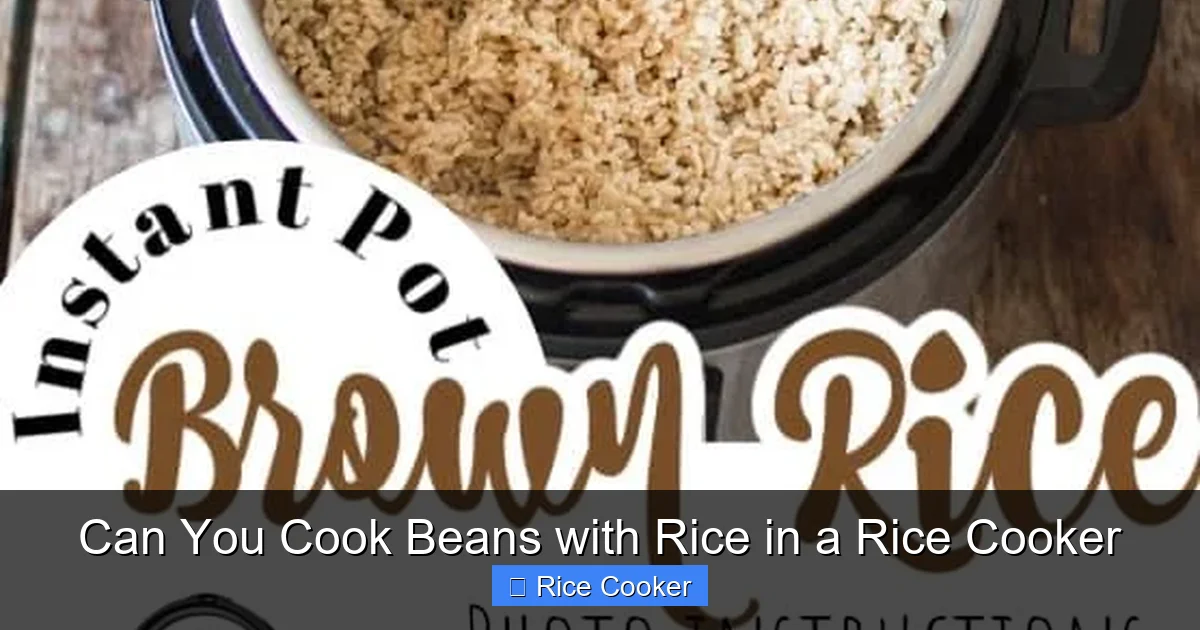
You absolutely can cook beans with rice in a rice cooker—it’s simple, hands-off, and tastes great! This combo gives you a balanced, protein-rich meal with minimal effort. Whether you’re using dried or canned beans, the rice cooker does all the work while keeping flavors intact and textures just right.
Have you ever stared into your kitchen cupboard, wondering what to make for dinner, only to find you’ve got rice and some beans? Don’t panic—you’re not alone. In fact, this humble duo might just be the start of something deliciously satisfying. And guess what? You probably already have the tool to bring it all together: your rice cooker.
Cooking beans with rice in a rice cooker isn’t just possible—it’s one of the easiest ways to make a complete, healthy meal with almost zero effort. No stovetop monitoring, no babysitting pots on the burner. Just add ingredients, press a button, and let science (and steam) do the rest. Whether you’re meal prepping for the week, feeding a family, or just craving something warm and comforting, this method delivers. Plus, combining beans and rice creates a complete protein, making it a smart choice for vegetarians and busy eaters alike.
In this article, we’ll walk through everything you need to know—from choosing the right beans to adjusting cooking times and seasoning like a pro. By the end, you’ll feel confident tossing those ingredients into your rice cooker and walking away with a flavorful, nutritious dish that tastes like you cooked it yourself.
Key Takeaways
- Yes, it’s possible: A rice cooker can cook both beans and rice together, though timing and liquid ratios matter.
- Types of beans work best: Dried pinto, black, kidney, or chickpeas are ideal; avoid very small or delicate beans like lentils.
- Pre-soaking helps: Soak dried beans overnight to reduce cooking time and improve texture.
- Use the right water ratio: Typically 2:1 water-to-rice ratio plus extra for beans—start with more liquid than usual.
- Canned beans save time: Add canned beans during the last 15–20 minutes to avoid mushiness.
- Seasoning adds flavor: Add spices, garlic, or herbs at the beginning for deeper taste without overcooking.
- Texture control is key: Monitor doneness by tasting—beans should be tender but not falling apart.
📑 Table of Contents
- The Science Behind Cooking Beans and Rice Together
- Choosing the Right Beans for Your Rice Cooker Meal
- Step-by-Step Guide: How to Cook Beans and Rice in a Rice Cooker
- Flavor Boosting: Seasoning and Variations
- Health Benefits of Beans and Rice
- Tips for Perfect Texture Every Time
- Common Mistakes to Avoid
- Can You Cook Different Types of Rice with Beans?
- Making It a Full Meal: Pairing Ideas
- Cleaning and Maintenance Tips
The Science Behind Cooking Beans and Rice Together
Before we get into recipes and tips, let’s talk about why this combination works so well—and how your rice cooker makes it possible.
Rice and beans are famously known as a “complementary protein” because they provide all nine essential amino acids when eaten together. That means you get a complete protein source without needing meat. But beyond nutrition, their textures and cooking behaviors actually complement each other perfectly.
Rice absorbs liquid steadily and cooks evenly, swelling up into soft grains. Beans, especially dried ones, take longer to soften but also absorb flavor beautifully. When cooked together, the rice stays fluffy while the beans become tender yet firm—a balance that’s hard to beat.
Now, here’s where the rice cooker shines. Most modern rice cookers use a heating element and thermostat to maintain precise temperatures during different phases of cooking: warming, simmering, and steaming. This allows them to manage two ingredients with different needs—rice wants consistent heat, while beans benefit from longer soaking and gradual softening.
However, because beans need more water and longer time than rice, simply adding them together can lead to undercooked beans or mushy rice if not handled properly. That’s why understanding the basics of ratios and timing is crucial.
Choosing the Right Beans for Your Rice Cooker Meal
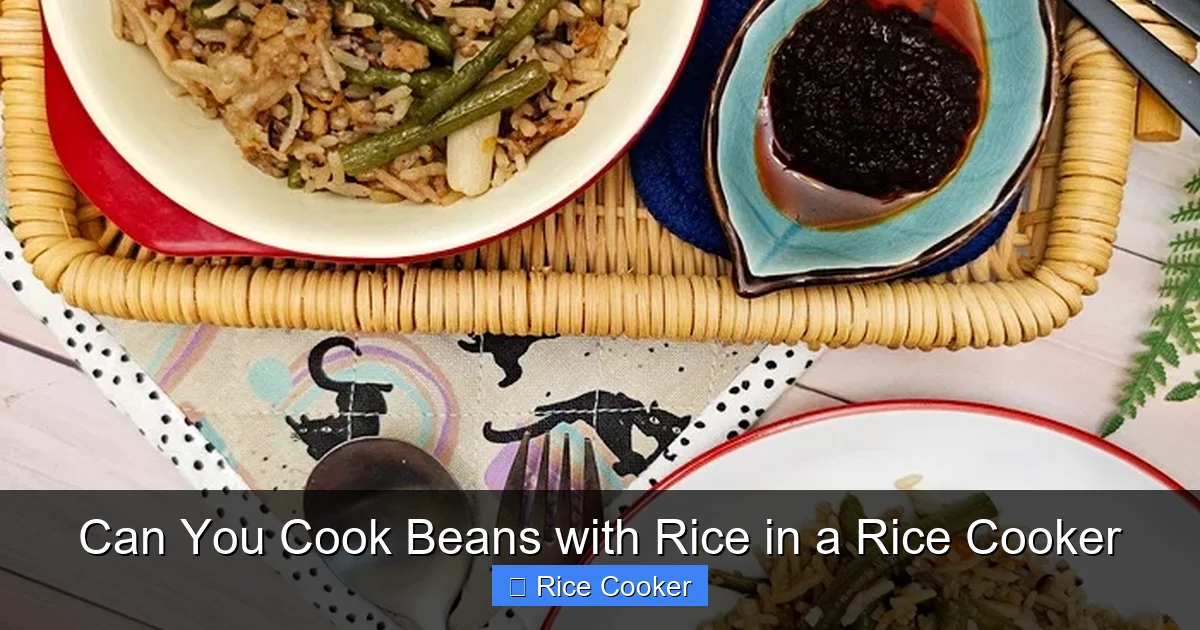
Visual guide about Can You Cook Beans with Rice in a Rice Cooker
Image source: choiyen.com
Not all beans are created equal—especially when you’re cooking them alongside rice.
Dried vs. Canned Beans
If you’re using dried beans, plan ahead. They need to be soaked (usually overnight) to reduce cooking time and prevent digestive discomfort. Soaked beans also cook more evenly and develop better texture. Common varieties like pinto, black, kidney, or navy beans work great in rice cooker combos.
On the other hand, canned beans are a game-changer for convenience. Since they’re already cooked, you can add them toward the end of the cooking cycle—typically during the last 15–20 minutes. This prevents them from becoming too soft or falling apart. Just drain and rinse them first to remove excess sodium.
Bean Size Matters
Smaller beans like lentils or split peas cook faster and may turn to mush in a rice cooker—not ideal with rice. Larger beans like black or kidney beans hold their shape better and pair well with rice’s texture.
Pre-Soaking Tips
If you forgot to soak your beans, don’t worry! You can do a quick soak: cover dried beans with hot water (boiling), let sit for 1 hour, then proceed. Alternatively, use the “pressure cook” setting if your rice cooker has one—many models now include multi-function settings that speed up bean cooking.
Step-by-Step Guide: How to Cook Beans and Rice in a Rice Cooker
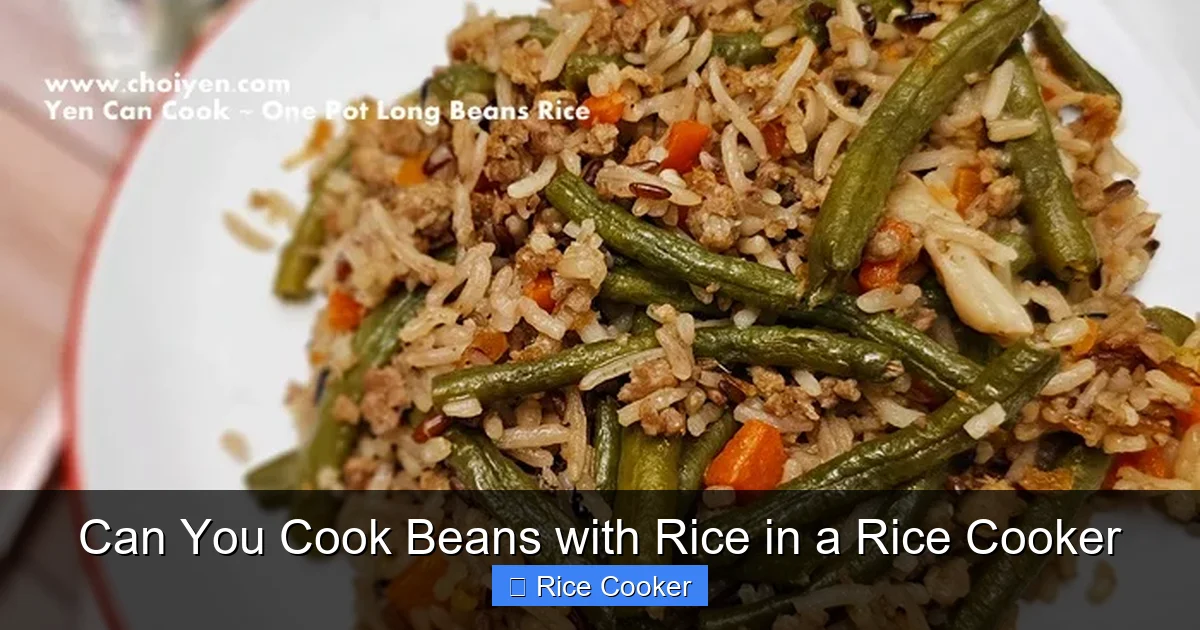
Visual guide about Can You Cook Beans with Rice in a Rice Cooker
Image source: choiyen.com
Ready to try it? Follow these steps for foolproof results every time.
Ingredients You’ll Need
- 1 cup long-grain rice (white or brown)
- 1 cup dried beans (or 1–1½ cups canned beans, drained)
- 2½ to 3 cups water (adjust based on rice type)
- Optional: salt, garlic, onion, bay leaf, cumin, chili powder, or vegetable broth for flavor
Preparation Steps
- Rinse the rice: Place rice in a strainer and rinse under cold water until the water runs clear. This removes surface starch and prevents clumping.
- Add beans: If using dried beans, add them directly to the inner pot along with the rinsed rice.
- Add liquid: Pour in water. For white rice, use 2½ cups total. For brown rice, increase to 3 cups since it requires more moisture. Beans will absorb extra liquid, so err on the side of slightly more water.
- Season (optional): Toss in a pinch of salt, a crushed garlic clove, or a sprig of fresh thyme for extra flavor.
- Close and cook: Secure the lid, select the “White Rice” or “Normal” setting (avoid “Quick Cook” for beans), and press start.
For Canned Beans
If you’re using canned beans, skip adding them initially. Cook the rice and dried beans together first. Once the rice cooker switches to “warm” mode (after about 20–25 minutes), gently stir in the drained canned beans. Let them heat through for another 10–15 minutes before serving.
Troubleshooting Common Issues
- Mushy rice? You used too much water or didn’t rinse the rice. Next time, reduce water slightly and always rinse.
- Undercooked beans? They need more time. Switch to “Keep Warm” after the cycle ends and let them sit for 10–15 more minutes.
- Too much liquid left? Drain excess gently with a fine mesh sieve before serving.
Flavor Boosting: Seasoning and Variations
Plain beans and rice can be tasty—but they don’t have to be boring.
Classic Southwestern Style
Add diced onions, minced garlic, cumin, chili powder, and a bay leaf at the start. Serve with a squeeze of lime, shredded cheese, and avocado. Perfect for taco nights!
Mexican-Style Arroz con Frijoles
Use tomato sauce or diced tomatoes instead of plain water. Add oregano, cilantro, and a pinch of smoked paprika. Top with fried eggs or grilled chicken for a hearty meal.
Indian-Inspired Dal Chawal
Swap beans for red lentils (dal). Cook with turmeric, ginger, green chilies, and coconut milk for a creamy, aromatic dish. Serve with naan or roti.
Vegetable Medley Addition
Toss in chopped carrots, bell peppers, or spinach during the last 5 minutes of cooking. The steam will wilt greens nicely without overcooking.
Remember: Add strong-flavored ingredients early so they infuse the dish. Mild additions like herbs or lemon juice go in near the end to preserve freshness.
Health Benefits of Beans and Rice
Beyond being easy to make, this combo packs serious nutritional punch.
Complete Protein Source
As mentioned earlier, rice provides lysine (an amino acid lacking in most grains), while beans supply methionine. Together, they form a complete protein—ideal for plant-based diets.
High Fiber Content
Beans are rich in soluble and insoluble fiber, which supports digestion, stabilizes blood sugar, and keeps you full longer. Brown rice offers even more fiber than white rice, boosting satiety and gut health.
Rich in Vitamins and Minerals
Black beans deliver iron and magnesium; kidney beans offer folate and potassium; rice contributes B vitamins like niacin and thiamine. This synergy supports energy metabolism and heart health.
Low Glycemic Impact
Because of the fiber and protein combo, meals stay stable on the glycemic index. This helps prevent blood sugar spikes—great news for diabetics or anyone managing weight.
Eco-Friendly Choice
Plant-based proteins like beans and rice have a lower carbon footprint than meat. Choosing this combo reduces environmental impact without sacrificing flavor or satisfaction.
Tips for Perfect Texture Every Time
Even with a rice cooker, getting the texture right takes practice—but these tips will help.
Measure Accurately
Use measuring cups for both rice and beans. Too many beans = dense texture. Too little water = gummy rice.
Don’t Overmix After Cooking
Once done, let the mixture rest for 5–10 minutes with the lid off. Stirring too soon can break up beans or mash rice.
Test Doneness
After the cycle ends, taste a bean and a grain of rice. Adjust next batch accordingly—some rice cookers run fast, others slow.
Brown Rice Requires Patience
Brown rice takes longer to cook and uses more water. Expect a longer cycle—up to 45–60 minutes. Some advanced models have a “brown rice” setting that adjusts timing automatically.
Use a Timer
If your rice cooker doesn’t auto-switch to “warm,” set a timer to check on beans after the main cycle finishes. You may need to keep them warm for a bit longer.
Layer Ingredients Strategically
Place denser items (like beans) at the bottom, rice on top. This ensures even heat distribution and prevents burning.
Common Mistakes to Avoid
Even experienced cooks slip up sometimes. Here’s what to watch out for.
Skipping the Soak
Unsoaked dried beans can take hours to soften—even in a rice cooker. Always soak overnight or use a quick soak method.
Using the Wrong Water Ratio
Beans expand as they cook and absorb liquid. Starting with too little water leads to dry, chalky beans.
Adding Salt Too Early
Salt can toughen beans by drawing out moisture. Add it halfway through cooking or at the very end.
Ignoring the “Warm” Phase
Many people assume the job’s done when the light turns “warm.” But beans often need more time. Use that phase wisely to finish cooking.
Overcrowding the Pot
Don’t fill the rice cooker beyond two-thirds capacity. Steam needs room to circulate, or food won’t cook evenly.
Not Rinsing Rice
Untrashed rice leaves behind excess starch, leading to sticky clumps—especially problematic when mixed with beans.
By avoiding these pitfalls, you’ll consistently end up with fluffy rice and tender, flavorful beans.
Can You Cook Different Types of Rice with Beans?
Absolutely! While white rice is most common, other grains work beautifully too.
Brown Rice + Beans
Brown rice takes longer and needs more water. Expect a longer cook time—around 45–60 minutes. The nutty flavor pairs wonderfully with earthy beans like black or pinto.
Wild Rice + Black Beans
Wild rice has a chewy texture and deep flavor. Combine it with black beans for a gourmet twist. Note: wild rice usually needs pre-cooking or a longer soak.
Sushi Rice + Kidney Beans
Stickier rice types like sushi rice can work, but they tend to clump more. Rinse thoroughly and use less water to avoid mushiness.
Instant Rice or Rice Mixes
These are convenient but may not hold up as well with beans. Stick to long-grain varieties for best results.
Always adjust water and cooking time based on the rice type. Your rice cooker manual usually lists specific guidelines.
Making It a Full Meal: Pairing Ideas
Cooking beans and rice is just the base. Elevate it with sides, sauces, or proteins.
Toppings & Sides
- Fried or scrambled eggs
- Sautéed kale or sautéed mushrooms
- Cornbread or tortillas on the side
- Pickled red onions or jalapeños
- Fresh cilantro or parsley
Sauces & Dressings
- Avocado crema
- Lime-cilantro yogurt sauce
- Hot sauce or chipotle mayo
- Tomato salsa or pico de gallo
Proteins to Add
- Grilled chicken or steak (serve on top)
- Shrimp or tofu (add during last few minutes)
- Bacon bits (for smoky flavor)
These additions turn a simple bowl into a restaurant-quality plate—all starting from one pot.
Cleaning and Maintenance Tips
After enjoying your meal, clean up quickly to keep your rice cooker in top shape.
Immediate Cleaning
Let the inner pot cool, then wash it with warm, soapy water. Avoid abrasive scrubbers—they can damage non-stick coating.
Dealing with Sticky Residue
If rice or beans stick, fill the pot with warm water and a drop of dish soap. Soak for 10–15 minutes, then wipe clean with a sponge.
Check the Heating Plate
Wipe the outer surface with a damp cloth. Never submerge the base or immerse it in water.
Store Properly
Keep the lid on and store in a dry place. Replace worn rubber seals periodically to maintain steam efficiency.
Regular care extends the life of your appliance and ensures reliable performance for years.
Frequently Asked Questions
Can I cook any type of beans with rice in a rice cooker?
Most large beans like pinto, black, or kidney work well. Smaller beans like lentils may turn to mush. Always soak dried beans first to ensure even cooking.
Do I need to soak dried beans before cooking with rice?
Yes, soaking reduces cooking time and improves texture. Soak overnight or do a quick soak by covering beans with boiling water for 1 hour.
How much water should I use when cooking beans and rice together?
Use about 2½–3 cups of water per cup of rice. Add extra because beans absorb moisture. Adjust based on rice type—brown rice needs more water.
Can I add canned beans during the cooking process?
Yes! Add drained canned beans during the last 15–20 minutes to prevent them from getting too soft. Don’t add them at the very beginning.
Why is my rice mushy when I cook beans and rice together?
Too much water or unrinsed rice causes mushiness. Always rinse rice and measure liquids carefully. Also, avoid stirring too soon after cooking.
Can I make this recipe vegan or gluten-free?
Absolutely! Use vegetable broth instead of water, and choose certified gluten-free rice. Most beans are naturally vegan and gluten-free.