
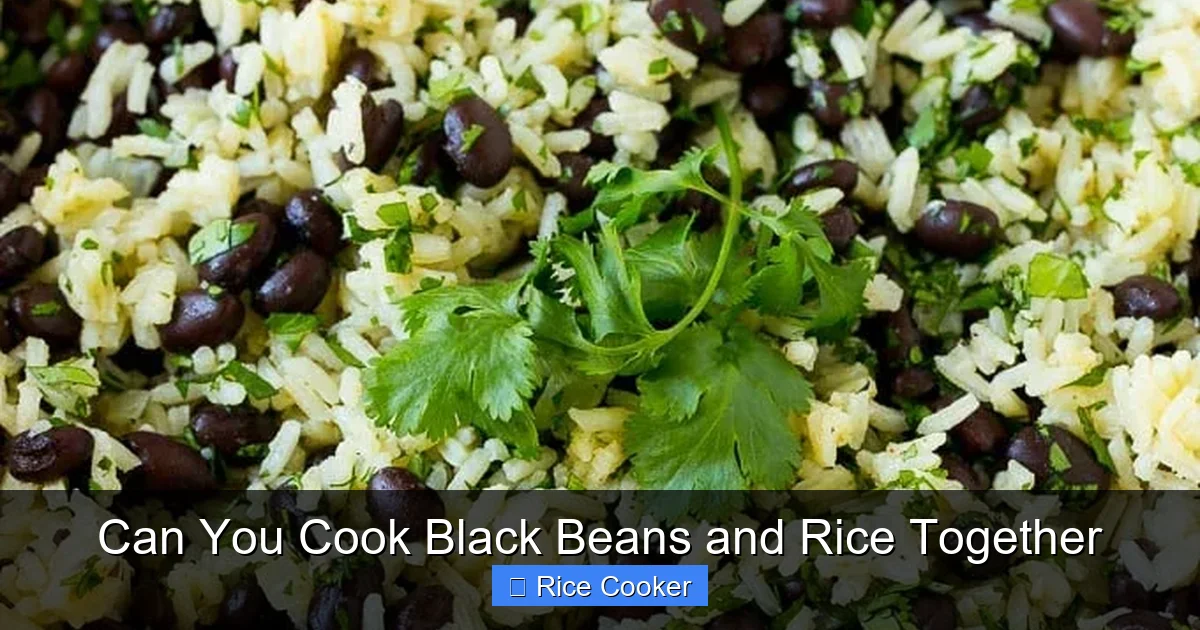
Can you cook black beans and rice together? Absolutely! Combining these two staples creates a complete, protein-rich meal with minimal effort. Using a rice cooker makes the process foolproof—just add ingredients, press start, and enjoy hands-off cooking.
Key Takeaways
- Yes, it’s possible: Black beans and rice can be cooked together in a rice cooker without compromising texture or flavor.
- One-pot convenience: Cooking both together saves time, reduces cleanup, and creates a balanced meal.
- Proper ratios matter: Use about 1:1.5 ratio of dry rice to dry beans (by volume) for best results.
- Add flavor early: Sauté aromatics like onions, garlic, and spices before adding liquid to deepen taste.
- Soak beans first: While not mandatory, soaking reduces cooking time and improves digestibility.
- Season wisely: Add salt after beans are mostly tender to prevent toughness; use broth instead of water for richness.
- Texture control: Adjust liquid levels slightly higher than standard rice recipes since beans absorb extra moisture.
📑 Table of Contents
- Can You Cook Black Beans and Rice Together? The Ultimate One-Pot Solution
- The Science Behind Cooking Beans and Rice Together
- Step-by-Step Guide: How to Cook Black Beans and Rice Together
- Tips for Perfect Black Beans and Rice Every Time
- Common Mistakes to Avoid
- Health Benefits of Black Beans and Rice
- Variations and Creative Twists
- Equipment Matters: Choosing the Right Rice Cooker
- Final Thoughts: Why This Meal Works So Well
Can You Cook Black Beans and Rice Together? The Ultimate One-Pot Solution
Picture this: It’s a busy Tuesday evening, and you’re juggling work emails while your kids beg for dinner. You open the pantry and see a half-empty bag of dried black beans and some leftover white rice. Instead of reaching for takeout, you wonder—can you cook black beans and rice together? The answer is a resounding yes, and not only is it possible, but it might just become your new go-to weeknight hack.
Cooking black beans and rice together isn’t just practical—it’s delicious. When done right, you get fluffy rice and tender beans simmered in a savory broth that’s rich with herbs and spices. And if you have a rice cooker, the process becomes almost magical. No stirring, no watching the pot—just set it and forget it. Plus, this combo packs a serious nutritional punch: plant-based protein, fiber, complex carbs, and essential minerals all in one hearty bowl.
In this guide, we’ll walk through everything you need to know about cooking black beans and rice together—whether you’re using a traditional stove method or your trusty rice cooker. From ingredient prep to flavor boosters, we’ve got you covered so you can whip up restaurant-quality meals at home with zero stress.
The Science Behind Cooking Beans and Rice Together
Before jumping into recipes, let’s talk science. Why does combining black beans and rice even work? It comes down to starch interaction and absorption rates.
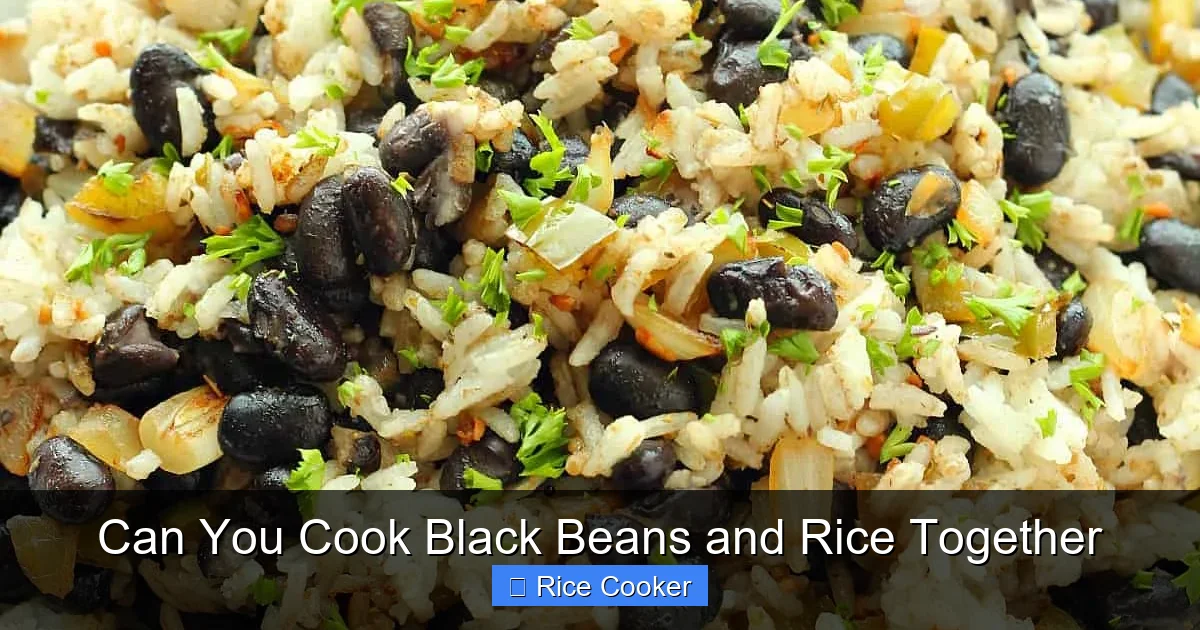
Visual guide about Can You Cook Black Beans and Rice Together
Image source: crunchycreamysweet.com
Rice contains amylose and amylopectin—two types of starches that gelatinize when heated in liquid. As the grains swell, they release starch into the cooking water, thickening the mixture slightly. Black beans, on the other hand, absorb liquid steadily over time. When cooked together, the rice helps regulate the beans’ cooking pace by providing consistent heat distribution, while the beans contribute protein and fiber that complement the rice’s carbohydrates.
But here’s the catch: beans and rice have different optimal cooking temperatures and times. Rice typically needs about 18–20 minutes at boiling point, while dried black beans require 45–60 minutes of simmering. So how do you bridge that gap? That’s where smart layering and timing come in—especially when using a rice cooker.
Why Rice Cookers Are Ideal for This Dish
A rice cooker handles this dual-cooking challenge beautifully. Unlike stovetop methods that demand constant attention, a rice cooker maintains steady heat and automatically switches to “warm” mode once cooking completes. Many modern models even feature programmable timers or delay-start functions, letting you prepare ingredients ahead of time.
Additionally, rice cooker inner pots are designed to distribute heat evenly, preventing scorching or uneven textures. The sealed environment also locks in flavors and aromas—perfect for simmering beans slowly without losing steam.
Step-by-Step Guide: How to Cook Black Beans and Rice Together
Ready to try it yourself? Follow these simple steps for foolproof results every time.
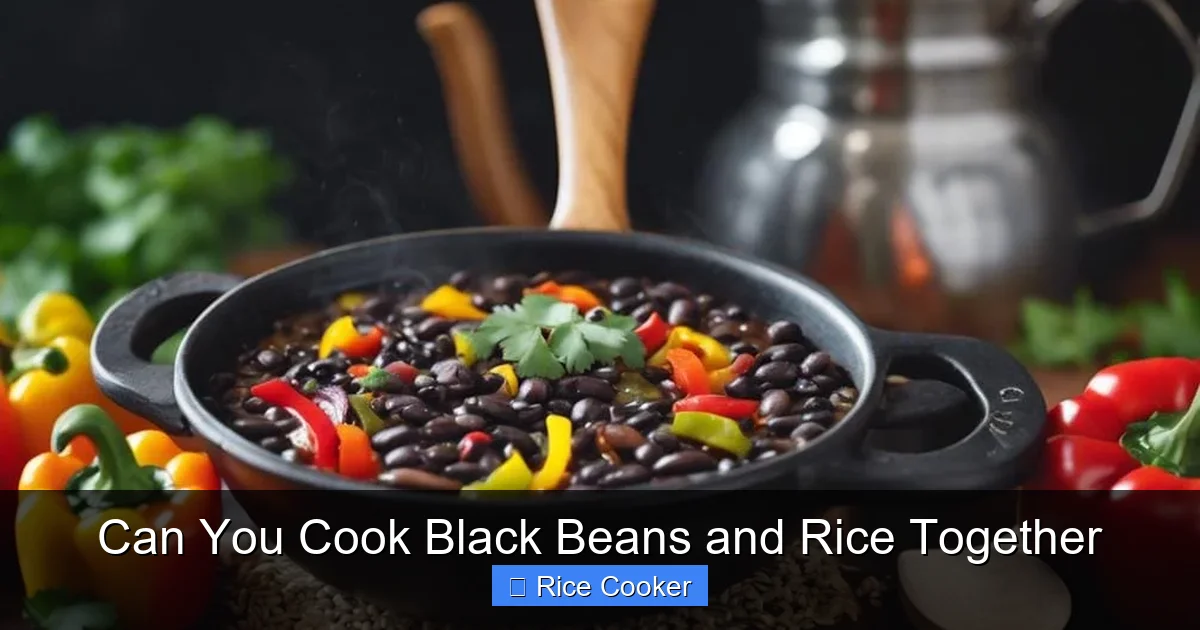
Visual guide about Can You Cook Black Beans and Rice Together
Image source: ricearray.org
Gather Your Ingredients
Start with these basics:
- 1 cup dried black beans (or 3 cups canned, drained)
- 1 cup long-grain white rice (like basmati or jasmine)
- 3 cups water or vegetable broth
- 1 small onion, diced
- 2 cloves garlic, minced
- 1 teaspoon ground cumin
- 1 teaspoon smoked paprika
- Salt and pepper to taste
- Optional: bay leaf, chopped cilantro, lime wedges
If using dried beans, soak them overnight or use the quick-soak method: boil for 2 minutes, then remove from heat and let sit for 1 hour.
Prepare the Rice Cooker
Most rice cookers have a standard setting labeled “white rice” or “basic.” However, since beans take longer to cook, you’ll want to adjust your technique slightly. Start by sautéing your aromatics directly in the inner pot if your model has a stir-fry function—otherwise, cook them separately in a pan and transfer to the cooker before adding liquids.
Add Ingredients in Layers
Here’s the secret to success: add ingredients in stages to ensure even cooking.
- First, toss in the diced onion and sauté until translucent (about 3–4 minutes on medium-high).
- Add garlic, cumin, and paprika; cook another minute until fragrant.
- Stir in the rice and toast lightly for 1–2 minutes to enhance its nutty flavor.
- Add soaked (or quick-soaked) black beans, then pour in water or broth. If using canned beans, add them at the very end—after the rice has cooked—to preserve their shape.
- For extra depth, throw in a bay leaf or two.
Close the lid and select the standard rice cycle. Most rice cookers will take around 40–50 minutes total. Avoid opening the lid during cooking—this releases steam and disrupts temperature stability.
Let It Rest
Once the cycle finishes, let the mixture rest for 10 minutes with the lid closed. This allows residual heat to finish softening any stubborn beans and lets the rice absorb remaining liquid evenly.
Fluff and Season
After resting, gently fluff the mixture with a fork. Taste and adjust seasoning—add more salt if needed, though avoid salting too early when using dried beans. Finish with fresh cilantro, a squeeze of lime, or a drizzle of olive oil for brightness.
Tips for Perfect Black Beans and Rice Every Time
Even with the right method, small tweaks can elevate your dish from good to great. Here are pro-level tips to keep in mind.
Use Broth Instead of Water
Water gives neutral flavor, but broth adds richness and complexity. Vegetable, chicken, or even beer-based broths work wonderfully. Just ensure it’s low-sodium if you plan to add extra salt later.
Don’t Skip the Acid
Add a splash of vinegar or lime juice at the end. Acids help balance the earthiness of black beans and brighten the overall flavor profile.
Experiment with Grains
While white rice is classic, consider swapping in brown rice (though it requires longer cooking), quinoa, or even cauliflower rice for a low-carb twist. Each grain brings unique textures and nutritional benefits.
Boost Protein Content
For a more complete protein, add cooked shrimp, shredded chicken, or crumbled chorizo. These additions complement the beans’ amino acids without overwhelming the dish.
Avoid Overcrowding
Never exceed the recommended fill line in your rice cooker. Too much food leads to uneven heating and undercooked spots. Stick to the 1:1.5 bean-to-rice ratio by volume.
Store Leftovers Properly
Cool completely before refrigerating in an airtight container. Reheat gently on the stove with a splash of broth or water to restore moisture. Best consumed within 3–4 days.
Common Mistakes to Avoid
New to cooking beans and rice together? Watch out for these frequent errors.
Salt Too Early
Adding salt before beans reach tenderness causes them to toughen. Always wait until they’re nearly done.
Insufficient Soaking
Dried beans that aren’t properly prepped can remain hard no matter how long you cook them. Always soak unless using canned versions.
Ignoring Texture Differences
Rice cooks fast; beans don’t. If you add both at once without adjusting timing, your rice may turn mushy while beans stay firm. Layering solves this.
Overfilling the Cooker
This isn’t just bad for this recipe—it’s unsafe. Rice cookers have strict capacity limits for fire prevention.
Skipping Aromatics
Bland = boring. Onions, garlic, and spices form the flavor base. Don’t skip them!
Health Benefits of Black Beans and Rice
Beyond being tasty, this duo delivers serious nutrition. Black beans are loaded with soluble fiber, which supports heart health and stabilizes blood sugar. They’re also a powerhouse of folate, iron, and antioxidants like anthocyanins—compounds linked to reduced inflammation.
Whole grains like brown rice offer sustained energy thanks to complex carbs and B vitamins. Together, they create a filling, balanced meal ideal for weight management, digestive wellness, and active lifestyles.
Studies suggest regularly eating legumes and whole grains reduces risk of type 2 diabetes, certain cancers, and cardiovascular disease. Plus, it’s budget-friendly—dried beans cost pennies per serving!
Variations and Creative Twists
Love the basics but crave variety? Try these fun adaptations.
Spicy Southwest Style
Add diced bell peppers, corn kernels, and a pinch of chili powder. Top with avocado slices and sour cream before serving.
Mediterranean Fusion
Replace cumin with oregano and thyme. Stir in sun-dried tomatoes and olives. Serve over arugula with feta crumbles.
Tex-Mex Fiesta Bowl
Sauté onions, garlic, and ground beef (or black beans for vegetarian). Mix in tomato sauce and diced green chiles. Garnish with shredded cheese and jalapeños.
Asian-Inspired Version
Use ginger, soy sauce, and sesame oil as seasonings. Add edamame and sliced mushrooms. Finish with toasted sesame seeds.
Equipment Matters: Choosing the Right Rice Cooker
Not all rice cookers are created equal. For cooking black beans and rice together, look for models with:
- Adjustable settings: Some allow custom timer or pressure modes.
- Non-stick coating: Makes cleanup easier and prevents sticking.
- Large capacity: At least 6 cups uncooked rice equivalent.
- Keep-warm function:: Keeps food hot without drying it out.
Popular brands like Zojirushi, Panasonic, and Instant Pot offer reliable options under $100. Read reviews focusing on multi-grain performance before buying.
Final Thoughts: Why This Meal Works So Well
Cooking black beans and rice together taps into centuries-old culinary traditions from Latin America, West Africa, and the Caribbean. It’s economical, sustainable, and deeply satisfying. With a rice cooker doing the heavy lifting, you’re free to focus on family, friends, or simply enjoying a quiet moment after dinner.
Whether you’re feeding a crowd or prepping lunches for the week, mastering this one-pot method puts nutritious, homemade comfort food within easy reach. And honestly? Once you taste how tender the beans become alongside perfectly fluffy rice, you’ll wonder why you ever ate them apart.
So next time hunger strikes and the pantry’s bare, remember: black beans and rice aren’t just leftovers—they’re a foundation for delicious, wholesome meals. All it takes is a little prep, the right technique, and maybe a dash of creativity. Now go make something amazing!
Frequently Asked Questions
Can you cook dried black beans and rice together in a rice cooker?
Yes, you can cook dried black beans and rice together in a rice cooker. Soak the beans beforehand to reduce cooking time and ensure even tenderness. Add them with rice and liquid, then run the standard cooking cycle. Allow extra time since beans take longer than rice alone.
How long does it take to cook black beans and rice together?
It typically takes 45–60 minutes for dried black beans and rice cooked together in a rice cooker. Soaked beans may finish faster. After cooking, let the mixture rest for 10 minutes before serving for optimal texture.
Should I add salt before or after cooking black beans and rice?
Add salt toward the end of cooking, after the beans are mostly tender. Adding salt too early can cause beans to become hard. Taste and adjust seasoning once the cycle finishes.
Can I substitute canned black beans for dried ones?
Yes, but use them differently. If using canned beans, add them in the last 10–15 minutes of cooking to prevent mushiness. Alternatively, rinse and drain canned beans and add them after the rice has finished cooking.
What type of rice works best with black beans?
Long-grain white rice like basmati or jasmine works best because it stays separate and fluffy. Brown rice is an option but requires longer cooking time and more liquid. Avoid short-grain rice as it tends to clump.
Do I need to soak black beans before cooking them with rice?
Soaking isn’t mandatory but highly recommended. Soaked beans cook faster, soften better, and are easier to digest. Use the quick-soak method if short on time: boil for 2 minutes, then let sit for 1 hour before draining.