
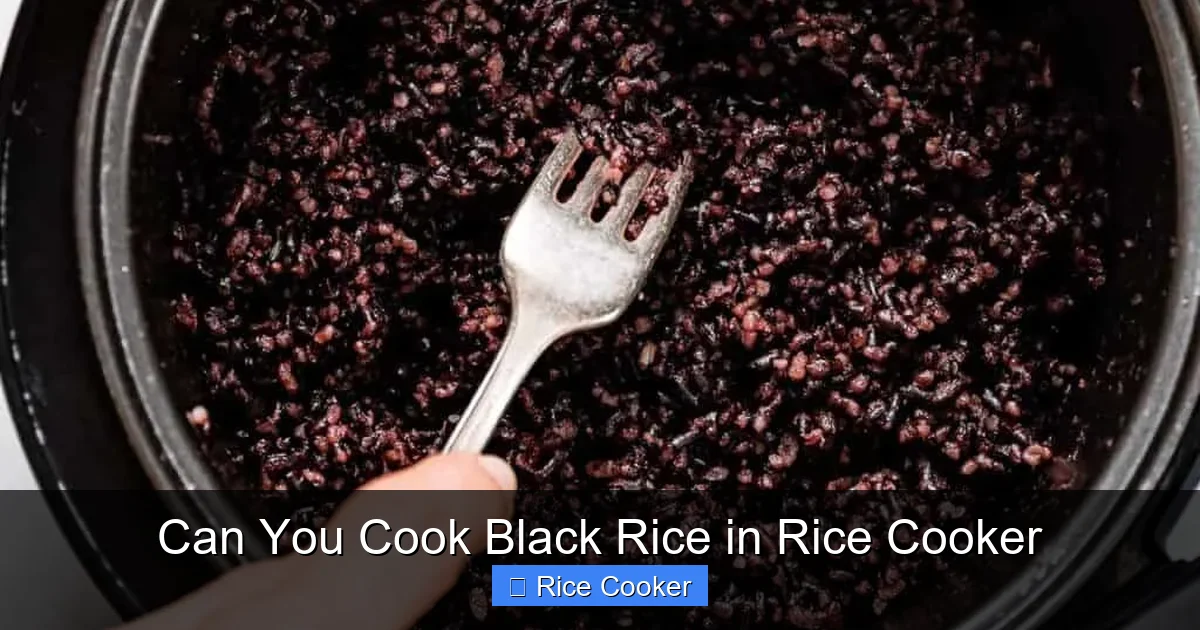
Can you cook black rice in a rice cooker? Absolutely! This ancient grain is not only delicious but also packed with nutrients, and cooking it in a rice cooker makes the process effortless. With the right water-to-rice ratio and a few simple steps, you’ll have tender, flavorful black rice ready in under 40 minutes—no constant stirring required.
Key Takeaways
- Black rice can be cooked in a rice cooker: It’s one of the most convenient ways to prepare this nutritious grain.
- Use a 2:1 water-to-rice ratio: For most rice cookers, two cups of water per cup of black rice works best.
- Rinse before cooking: Removing excess starch helps prevent gummy texture and improves taste.
- Soaking is optional but helpful: Soaking for 30 minutes can reduce cooking time and improve texture.
- Don’t open the lid during cooking: Resist the urge to peek—this affects steam pressure and timing.
- Let it rest after cooking: Resting for 5–10 minutes allows steam to redistribute, yielding fluffier rice.
- Black rice adds nutrition and color: Rich in antioxidants, fiber, and protein—ideal for healthy meals.
📑 Table of Contents
- Introduction: Why Black Rice Deserves Your Attention
- The Basics: What Is Black Rice?
- Step-by-Step Guide: Cooking Black Rice in a Rice Cooker
- Tips for Perfect Black Rice Every Time
- Common Mistakes and How to Fix Them
- Creative Ways to Use Cooked Black Rice
- Nutritional Benefits of Black Rice
- Frequently Asked Questions About Cooking Black Rice in a Rice Cooker
- Conclusion: Embrace the Power of Black Rice
Introduction: Why Black Rice Deserves Your Attention
Imagine a grain so dark it looks almost purple—like ink spilled over golden kernels. That’s black rice, and it’s been treasured for centuries in parts of Asia, especially in China and India. Known as forbidden rice during ancient times (because only royalty could eat it), today it’s gaining worldwide popularity for its bold flavor, chewy texture, and impressive health benefits. But here’s the real kicker: cooking black rice doesn’t have to be complicated or time-consuming. In fact, using your rice cooker might just be the easiest way to enjoy this superfood.
If you’ve ever tried cooking black rice on the stovetop, you may have run into issues—it can take over an hour, stick to the pot, or turn out mushy if you’re not careful. The good news? A rice cooker handles all that complexity for you. With consistent heat and automatic shut-off, your device takes the guesswork out of the equation. Whether you’re meal-prepping for the week, making a side dish for dinner, or experimenting with new recipes, learning how to cook black rice in a rice cooker opens up a world of flavor and convenience.
In this guide, we’ll walk you through everything you need to know—from choosing the right kind of black rice to mastering the perfect water ratio and timing. You’ll also discover pro tips for soaking, seasoning, and serving. By the end, you’ll feel confident turning your rice cooker into a black rice powerhouse. Let’s get started!
The Basics: What Is Black Rice?
A Nutrient-Packed Ancient Grain
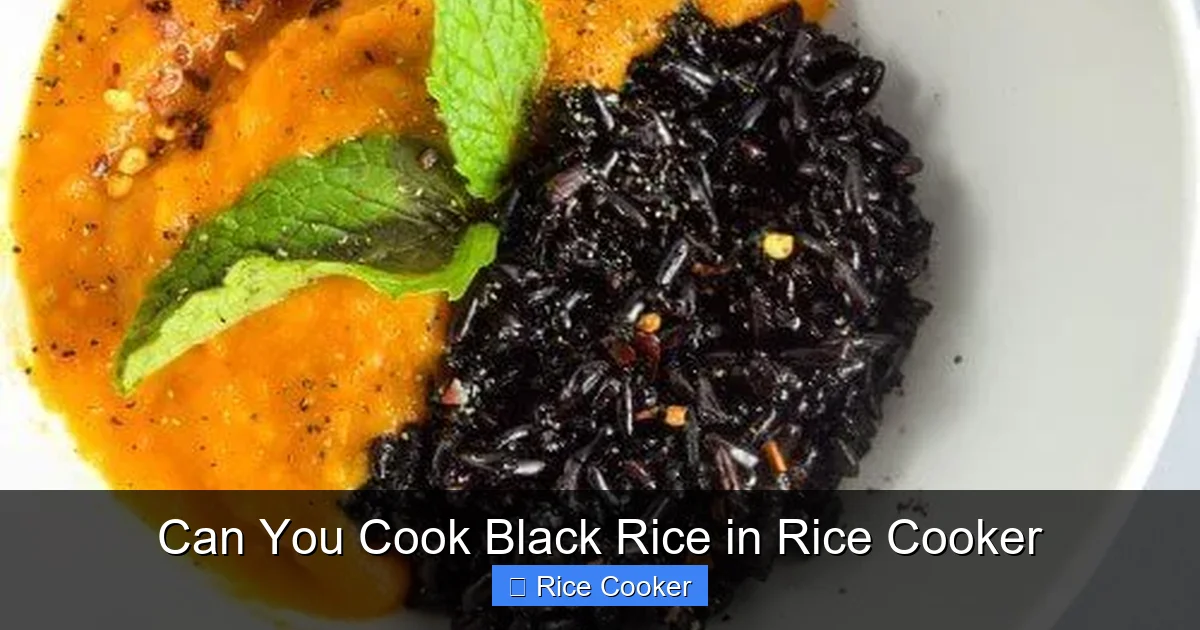
Black rice (scientifically known as Oryza sativa) isn’t just dark because it looks cool—it gets its deep hue from powerful antioxidants called anthocyanins, which give blueberries and red cabbage their vibrant colors too. These compounds help fight inflammation and support heart health. Plus, black rice is high in fiber, protein, iron, and B vitamins, making it a standout among whole grains.
Visual guide about Can You Cook Black Rice in Rice Cooker
Image source: yupitsvegan.com
Types of Black Rice
There are several varieties, but the most common ones you’ll find at grocery stores are:
- Indonesian black rice (Empukur): Often sold pre-cooked or used in desserts.
- Chinese black rice: Also called forbidden rice; has a firm texture and nutty flavor.
- African black rice (also called purple rice): Similar to Chinese black rice but slightly sweeter.
For rice cooker use, look for raw, uncooked black rice labeled as “Chinese black rice” or “forbidden rice.” Avoid instant or pre-cooked versions unless the package specifically says they’re suitable for reheating or quick prep.
Why Cook It in a Rice Cooker?
Rice cookers are designed to automate the boiling, steaming, and resting process. Unlike stovetop methods that require constant monitoring and stirring, a rice cooker does all the work quietly in the background. Once you add water and press “cook,” you can go about your day while your meal cooks perfectly. This consistency is key for delicate grains like black rice, which can easily become overcooked or clumpy.
Step-by-Step Guide: Cooking Black Rice in a Rice Cooker
What You’ll Need
- 1 cup raw black rice
- 2 cups water (or broth for extra flavor)
- Rice cooker with a measuring cup
- Fine-mesh strainer
- Optional: salt, butter, or oil
Step 1: Rinse the Rice Thoroughly
Before doing anything else, rinse your black rice under cold running water using a fine-mesh strainer. This removes surface starch that can make the rice slimy or gluey when cooked. Swirl the rice gently in the strainer and repeat until the water runs clear—usually 2–3 rinses do the trick.
Visual guide about Can You Cook Black Rice in Rice Cooker
Image source: foolproofliving.com
Step 2: Measure Water Accurately
Most rice cookers come with a built-in measuring cup that holds exactly ½ cup. For black rice, the standard ratio is 2 cups water per 1 cup rice. Some newer models even have settings like “brown rice” or “mixed grain” that automatically adjust time and temperature—great if yours has them!
Step 3: Add Ingredients to the Cooker
Place the rinsed rice into the inner pot. Pour in the measured water. If you want richer flavor, swap half the water for vegetable or chicken broth. A teaspoon of oil or a pat of butter can also enhance taste and prevent sticking.
Step 4: Start the Cooking Cycle
Close the lid securely and select the appropriate setting. On basic models, just press “White Rice” or “Regular.” On advanced units, choose “Brown Rice,” “Mixed Grain,” or even “Quick Cook” (though full cook time is usually better). Press start and resist the urge to lift the lid—peeking releases steam and delays cooking.
Step 5: Let It Rest
When the rice cooker switches to “warm” mode, don’t panic—that’s normal! Turn off the machine and let the rice sit for 5–10 minutes with the lid closed. This resting period allows residual steam to finish cooking the grains evenly and gives you that ideal fluffy texture.
Step 6: Fluff and Serve
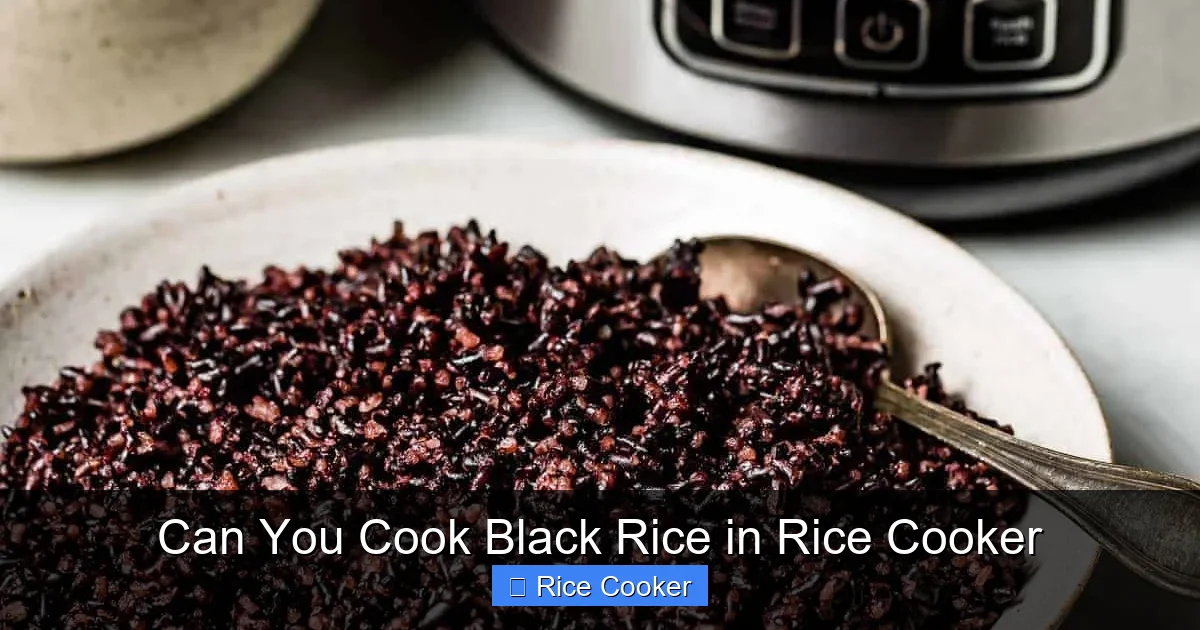
After resting, open the lid and gently fluff the rice with a fork. Be careful not to mash it. Now it’s ready to serve! Season with a pinch of salt, a drizzle of olive oil, or top with fresh herbs if desired.
Tips for Perfect Black Rice Every Time
Soak for Better Texture (Optional)
While not mandatory, soaking black rice for 30 minutes to 2 hours can soften the hull and reduce cooking time by about 10–15 minutes. Just drain well before adding to the rice cooker. This is especially helpful if you’re short on time or prefer softer grains.
Adjust Water Based on Altitude
If you live in high altitudes (above 3,000 feet), water boils at a lower temperature, which can affect cooking. Increase water slightly—try 2¼ cups per 1 cup rice—and monitor closely during the first few attempts.
Experiment with Flavors
Black rice pairs beautifully with savory dishes like stir-fries, curries, and grain bowls. Try adding garlic powder, smoked paprika, or a splash of soy sauce during cooking. For sweet versions, cook with coconut milk and a cinnamon stick for a dessert-like treat.
Store Leftovers Properly
Cool completely before refrigerating in an airtight container. Reheat with a splash of water or broth in the microwave or on the stove until warm. Leftovers stay fresh for up to 5 days.
Don’t Overfill Your Rice Cooker
Always follow the manufacturer’s maximum fill line. Overfilling blocks steam circulation and leads to uneven cooking. Stick to no more than 2–3 cups of dry rice at once unless your model specifies otherwise.
Clean the Inner Pot Promptly
Black rice can stain stainless steel pots if left overnight. Wash immediately with warm, soapy water. For stubborn residue, soak in vinegar solution (1 part vinegar to 3 parts water) before scrubbing.
Common Mistakes and How to Fix Them
Mushy or Gummy Rice
This usually happens when too much water is used or the rice isn’t rinsed. Always measure water carefully and rinse thoroughly. Also, avoid opening the lid mid-cycle—it disrupts the cooking process.
Rice Sticks to the Bottom
Sticking occurs when the bottom layer dries out or scorches. To prevent this, add a thin layer of oil or butter at the bottom, or place a clean paper towel underneath the rice before starting. Make sure the inner pot is clean and non-stick coated properly.
Undercooked Center
If some grains remain hard, it’s likely due to insufficient water or premature switching to “warm.” Next time, increase water slightly and let the rice rest longer after cooking. Consider reducing batch size if your cooker is small.
Tough or Chewy Texture
Overcooked black rice can become rubbery. Use less water next time—try 1¾ cups instead of 2—and stop cooking as soon as the cycle ends. Fluff gently to separate grains.
Unpleasant Smell or Taste
Old or low-quality rice may develop off-odors. Always buy from reputable brands and check expiration dates. Store in a cool, dry place in an airtight container to preserve freshness.
Creative Ways to Use Cooked Black Rice
Breakfast Bowls
Sauté diced apples and walnuts in maple syrup, then toss with warm black rice and a dollop of Greek yogurt. Top with honey and chia seeds for a nutrient-packed morning meal.
Mediterranean Salad
Mix cooked black rice with cherry tomatoes, cucumber, red onion, olives, feta cheese, and lemon-olive oil dressing. Add chickpeas for extra protein—perfect for lunch or light dinner.
Stuffed Bell Peppers
Fill halved bell peppers with a mixture of black rice, ground turkey, black beans, corn, and spices. Bake at 375°F (190°C) for 30–35 minutes until peppers are tender.
Vegan Buddha Bowl
Layer roasted sweet potatoes, avocado slices, steamed broccoli, tahini dressing, and crumbled tempeh over black rice. Sprinkle with sesame seeds and enjoy a colorful, filling plate.
Black Rice Pudding
Cook 1 cup black rice with 3 cups almond milk, ¼ cup maple syrup, 1 tsp vanilla, and a pinch of salt. Simmer until creamy, then chill and serve with fresh berries.
Sushi or Rice Salad
Cool cooked black rice and mix with rice vinegar, sugar, and salt. Roll into sushi with nori and vegetables, or chill and serve as a tangy, protein-rich salad.
Nutritional Benefits of Black Rice
Beyond its striking appearance, black rice is a nutritional superstar. One cup of cooked black rice provides:
- Calories: ~240
- Protein: 6 grams
- Fiber: 4 grams
- Iron: 10% of daily value
- Antioxidants: Over 400 mg anthocyanins
These antioxidants help combat oxidative stress, potentially lowering the risk of chronic diseases like heart disease and diabetes. The high fiber content supports digestive health and keeps you feeling full longer. Compared to white rice, black rice offers significantly more nutrients without added sugars or preservatives.
Frequently Asked Questions About Cooking Black Rice in a Rice Cooker
How long does it take to cook black rice in a rice cooker?
Most rice cookers will take about 30–40 minutes from start to finish, including rinsing and resting time. Once the cycle begins, active cooking usually lasts around 25–30 minutes.
Can I cook black rice in a slow cooker instead?
Yes, but it requires more attention. Use a 2:1 water-to-rice ratio, set the slow cooker to low heat, and cook for 1.5–2 hours, checking occasionally to prevent drying out. Cover tightly to retain moisture.
Do I need to soak black rice before cooking?
Not always, but soaking for 30 minutes can improve texture and reduce cooking time. It’s especially helpful if you want softer grains or plan to use the rice in soups or porridge.
Can I freeze cooked black rice?
Absolutely! Portion cooled rice into freezer-safe containers and store for up to 3 months. Thaw overnight in the fridge and reheat with a little water or broth to restore moisture.
Is black rice gluten-free?
Yes, pure black rice contains no gluten. However, always check labels if buying flavored or packaged varieties, as cross-contamination or added ingredients may contain gluten.
Why is my black rice still hard after cooking?
Hardness often results from using too little water or not rinsing thoroughly. Try increasing water by ¼ cup and ensure you’re using fresh, high-quality rice. Also, avoid lifting the lid during cooking.
Conclusion: Embrace the Power of Black Rice
Cooking black rice in a rice cooker isn’t just easy—it’s revolutionary. No more watching the clock, stirring constantly, or risking burnt batches. With this simple method, you gain access to a delicious, nutrient-dense grain that elevates any meal. From hearty salads to cozy puddings, black rice brings color, flavor, and health benefits to your table.
Remember: rinse well, measure accurately, and trust the process. Let your rice cooker do the heavy lifting while you focus on creativity and enjoyment. Whether you’re new to whole grains or a seasoned kitchen pro, black rice deserves a spot in your rotation. Give it a try—you might just fall in love with its rich taste and satisfying chew.
Ready to upgrade your meals? Head to your kitchen, grab some black rice, and fire up that rice cooker. Your taste buds (and your body) will thank you.
Frequently Asked Questions
How long does it take to cook black rice in a rice cooker?
Most rice cookers will take about 30–40 minutes from start to finish, including rinsing and resting time. Once the cycle begins, active cooking usually lasts around 25–30 minutes.
Can I cook black rice in a slow cooker instead?
Yes, but it requires more attention. Use a 2:1 water-to-rice ratio, set the slow cooker to low heat, and cook for 1.5–2 hours, checking occasionally to prevent drying out. Cover tightly to retain moisture.
Do I need to soak black rice before cooking?
Not always, but soaking for 30 minutes can improve texture and reduce cooking time. It’s especially helpful if you want softer grains or plan to use the rice in soups or porridge.
Can I freeze cooked black rice?
Absolutely! Portion cooled rice into freezer-safe containers and store for up to 3 months. Thaw overnight in the fridge and reheat with a little water or broth to restore moisture.
Is black rice gluten-free?
Yes, pure black rice contains no gluten. However, always check labels if buying flavored or packaged varieties, as cross-contamination or added ingredients may contain gluten.
Why is my black rice still hard after cooking?
Hardness often results from using too little water or not rinsing thoroughly. Try increasing water by ¼ cup and ensure you’re using fresh, high-quality rice. Also, avoid lifting the lid during cooking.