
You absolutely can cook boba in a rice cooker—it’s one of the easiest and most effective methods for making chewy tapioca pearls at home. With just water, sugar, and a few minutes of attention, your rice cooker does the heavy lifting, saving time and effort. Whether you’re a boba newbie or a seasoned milk tea lover, this method delivers consistent, delicious results every time.
Have you ever craved a glass of creamy, sweet boba milk tea but didn’t want to spend hours simmering tapioca pearls on the stovetop? Or maybe you’re short on time and just want a quick fix for your afternoon boba craving? Well, here’s some great news: you can cook boba in a rice cooker, and it’s faster, easier, and more hands-off than traditional methods. Whether you’ve got a high-end digital rice cooker or a basic white model, this kitchen appliance can become your new best friend for making restaurant-quality boba at home.
Cooking boba in a rice cooker isn’t just a clever hack—it’s a game-changer for anyone who loves bubble tea. The magic lies in the appliance’s ability to maintain a consistent temperature, gently coaxing the starchy tapioca pearls into that signature chewy texture without overcooking them. Plus, once the pearls are done, you can switch to the “warm” setting and let them sit perfectly until you’re ready to serve. No more babysitting the pot or worrying about burning the bottom!
In this complete guide, we’ll walk you through everything you need to know about cooking boba in a rice cooker—from choosing the right pearls and prepping them properly to mastering timing and flavor. We’ll also share pro tips, troubleshooting advice, and creative ideas to elevate your boba game. So grab your favorite mug, fire up that rice cooker, and let’s dive into the sweet, chewy world of homemade boba!
Key Takeaways
- Rice cookers are ideal for cooking boba because they maintain steady, controlled heat, which helps achieve perfect chewiness without burning.
- Cooking time varies by size and brand—smaller pearls take 10–15 minutes, while larger ones may need up to 30 minutes.
- Always boil boba before adding it to the rice cooker to prevent sticking and ensure even cooking.
- Add sugar during the final stage to caramelize the surface and enhance flavor and texture.
- Use the warm or keep-warm function afterward to store cooked boba until ready to serve.
- Experiment with flavors by infusing syrups or using colored tapioca for unique milk tea creations.
📑 Table of Contents
The Science Behind Cooking Boba
Before we get into the how-to, let’s talk about the why. Tapioca pearls are made from cassava root starch, which expands and softens when heated in liquid. As they absorb heat and moisture, the starches gelatinize, creating that satisfying chewiness we all love. Traditional stovetop methods require constant stirring and monitoring to prevent clumping and burning. But a rice cooker simplifies this process dramatically.
Rice cookers use a thermostat-controlled heating system that alternates between high and low temperatures to cook grains evenly. This same principle works wonders for boba. When you add boiling water and sugar to your pearls in the rice cooker, the appliance maintains a gentle, rolling boil without scorching the bottom. Once the water is absorbed and the pearls reach full tenderness, the machine automatically switches to warm mode—perfect for holding your boba until serving time.
One key advantage is energy efficiency. Unlike a stove burner that stays hot for hours, a rice cooker uses minimal power after the cooking cycle ends. And since most modern models have programmable timers and delay-start functions, you can prep your boba the night before and have fresh, warm pearls ready when you wake up.
Choosing the Right Rice Cooker for Boba
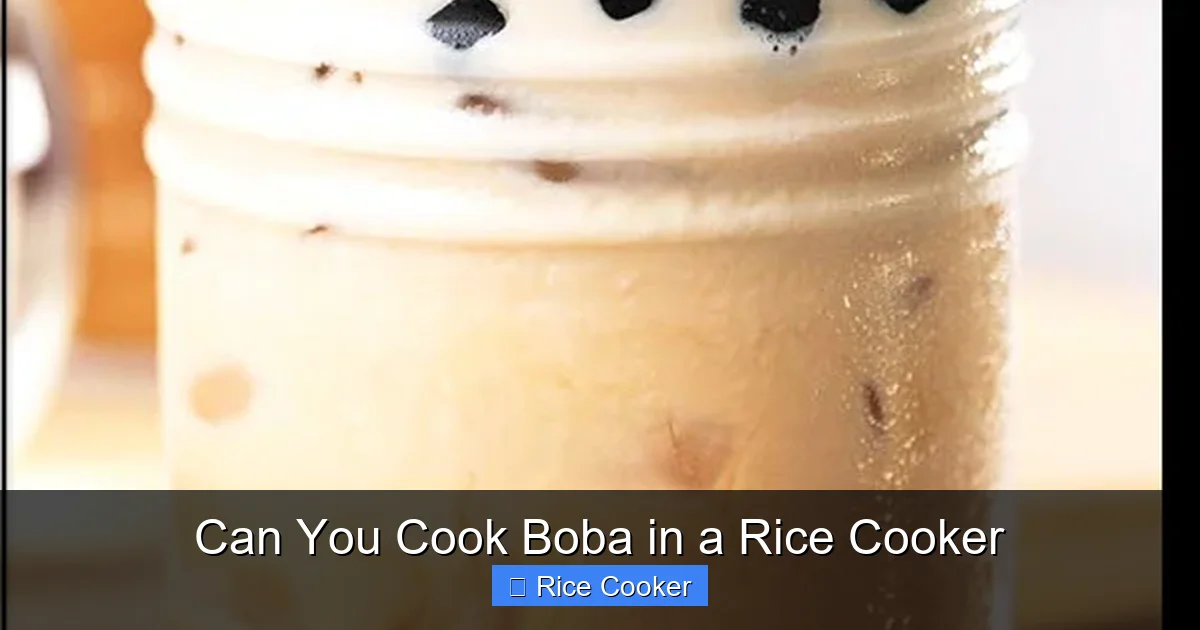
Visual guide about Can You Cook Boba in a Rice Cooker
Image source: asian-recipe.com
Not all rice cookers are created equal, especially when it comes to cooking boba. While any rice cooker can technically do the job, certain features will make the process smoother and more reliable.
Look for models with a large inner pot—at least 4 cups (about 1 liter) of capacity. This gives your boba room to move and prevents overcrowding. A non-stick coating is also helpful for easy cleanup, though be sure to avoid metal utensils that could scratch the surface.
If you’re serious about boba-making, consider investing in a fuzzy logic rice cooker. These smart appliances analyze cooking conditions and adjust heat levels automatically, which is especially useful if you’re cooking different sizes or brands of pearls. Some even come with dedicated settings for porridge or slow-cooked meals, giving you extra versatility.
For budget-conscious cooks, a basic electric rice cooker works just fine—especially if you follow the timing guidelines closely. Just remember to stir occasionally during the first few minutes to break up any clumps.
Recommended Rice Cooker Features
- Non-stick inner pot: Makes cleaning a breeze
- Keep-warm function: Holds boba at ideal serving temperature
- Large capacity (4+ cups): Prevents overcrowding and ensures even cooking
- Fuzzy logic technology: Automatically adjusts heat for consistent results
- Transparent lid: Lets you monitor progress without opening the lid (which causes heat loss)
Step-by-Step Guide: How to Cook Boba in a Rice Cooker
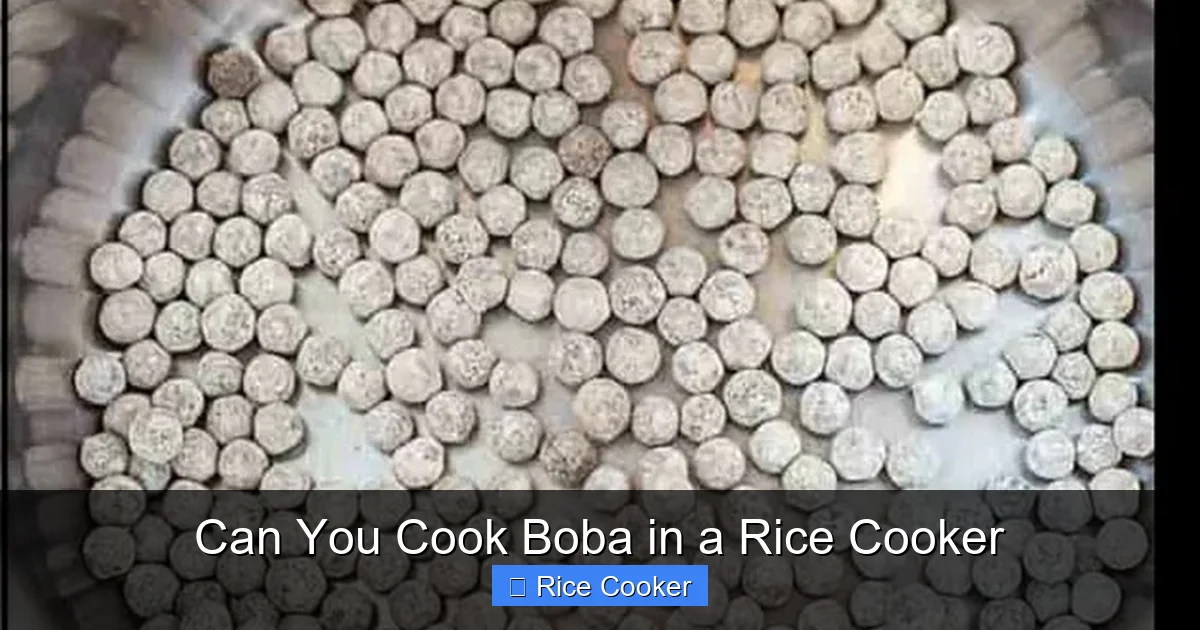
Visual guide about Can You Cook Boba in a Rice Cooker
Image source: asian-recipe.com
Ready to make your first batch? Follow these simple steps, and you’ll have perfect boba in under 30 minutes.
Step 1: Boil Water and Sugar
Start by bringing 4 cups (950 ml) of water to a rolling boil in a pot. Add ½ cup (100 g) of granulated sugar and stir until fully dissolved. This sweet syrup not only flavors the boba but also helps prevent sticking during cooking.
Step 2: Add the Tapioca Pearls
Once the sugar water is boiling, gently pour in your tapioca pearls. Stir immediately to prevent clumping. If using raw (unprepared) pearls, this is the moment to add them to the rice cooker bowl. Make sure the pearls are submerged—they should rise to the surface within a minute or two.
Step 3: Transfer to the Rice Cooker
Carefully pour the entire contents (pearls + syrup) into the inner pot of your rice cooker. Do not rinse the pearls—the syrup is essential for flavor and texture.
Step 4: Set the Timer
Close the lid and set your rice cooker to the “Cook” or “Manual” setting. The cooking time depends on pearl size:
- Small pearls (2–3 mm): 10–15 minutes
- Medium pearls (4–5 mm): 20–25 minutes
- Large pearls (6+ mm): 25–30 minutes
Avoid opening the lid during cooking—heat loss slows the process and can lead to uneven results.
Step 5: Check for Doneness
After the timer goes off, check a few pearls by squeezing them gently. If the center is still hard or chalky, return the lid and cook for another 5 minutes. Repeat until the pearls are soft inside with a slight bounce.
Step 6: Drain and Rinse
Once done, carefully drain the boba using a fine-mesh strainer. Rinse briefly under cool running water to remove excess starch. This step is optional but helps reduce stickiness.
Step 7: Sweeten and Serve
Return the drained boba to the rice cooker (or a clean bowl). Add ¼ cup (60 ml) of simple syrup (equal parts sugar and water, boiled together) and toss gently. Let it sit for 10–15 minutes to absorb the sweetness. Your boba is now ready to use in milk tea, smoothies, or desserts!
Pro Tips for Perfect Boba Every Time
Even with a foolproof method, small details can make a big difference. Here are some expert tips to take your boba to the next level.
Prevent Clumping
Always stir the pearls within 30 seconds of adding them to boiling water. Use a wooden spoon or silicone spatula to gently separate any stuck-together pearls. In the rice cooker, give the pot a swirl every 5 minutes during the first half of cooking.
Control Texture
Overcooked boba becomes mushy; undercooked pearls stay rubbery. To test doneness, remove one pearl and press it with your finger. It should yield slightly but not collapse. If it feels gritty in the center, cook longer.
Flavor Infusion
Instead of plain sugar syrup, try flavored versions:
- Brown sugar syrup: Adds a rich, caramelized note
- Mango or lychee syrup: Great for fruit teas
- Coconut water: For tropical-inspired drinks
Infuse your cooking liquid with spices like star anise or ginger for a subtle depth of flavor.
Storage Solutions
Fresh boba lasts up to 2 hours at room temperature or 4 hours refrigerated (in syrup). For longer storage, freeze uncooked pearls in airtight containers—they’ll last up to 6 months. Thaw and reheat in the rice cooker before use.
Troubleshooting Common Boba Issues
Even with careful preparation, mistakes happen. Here’s how to fix them.
Boba Sticks Together
This usually means the pearls were overcrowded or not stirred early enough. Next time, reduce pearl quantity slightly and stir immediately after adding to boiling water. Also, avoid rinsing cooked boba too much—it removes the sticky film that binds them.
Too Soft or Mushy
Overcooking is the culprit. Stick to recommended times and test frequently near the end. If it happens again, reduce cooking time by 2–3 minutes.
Hard or Gritty Centers
Undercooked pearls often result from insufficient heat or cold water. Always start with boiling water and ensure the rice cooker reaches full temperature before adding pearls.
Burnt Bottom
Some older rice cookers lack proper insulation or have uneven heating elements. Try placing a trivet or heat diffuser at the bottom of the pot. Alternatively, cook in smaller batches.
Cooking Boba in Different Rice Cooker Models
The method works across most rice cooker types, but there are nuances based on design.
Basic Electric Rice Cookers
These simple models rely on manual timing. Be extra vigilant about checking doneness toward the end. They’re affordable and effective for occasional boba makers.
Pressure Cookers / Multi-Cookers
Models like Instant Pot can cook boba faster using pressure. Add pearls to the pot with 2 cups water and cook on high pressure for 8–10 minutes. Let pressure release naturally. Note: Pressure can make pearls denser, so adjust accordingly.
Smart/Fuzzy Logic Models
These adapt to variables like humidity and pearl size. They’re forgiving for beginners but may require slight adjustments if results vary from package instructions.
Microwave Rice Cookers
While rare, some compact microwave units can work with modified steps: boil pearls in a covered dish, then transfer to the microwave-safe bowl and cook in intervals. Not ideal for large batches.
Creative Uses for Rice-Cooker Boba
Boba isn’t just for milk tea! Get creative with your homemade pearls.
Boba Desserts
Layer boba in parfaits with yogurt, granola, and fresh fruit. Or toss them into cheesecake, pudding, or ice cream.
Breakfast Bowls
Mix boba into overnight oats or chia puddings for a fun twist on morning meals.
Snack Time
Enjoy boba straight from the jar as a sweet treat—no drink needed!
Fusion Drinks
Try boba in matcha lattes, horchata, or even savory broths (yes, really—some cuisines use tapioca in soups!).
Safety Considerations
While cooking boba in a rice cooker is safe, always follow basic kitchen precautions:
- Never leave the appliance unattended during cooking
- Ensure the inner pot is properly seated before turning it on
- Avoid using metal utensils in non-stick pots
- Keep children away from hot surfaces
- Clean the rice cooker thoroughly after each use to prevent mold or residue buildup
Frequently Asked Questions
Can I use instant boba instead of raw pearls?
No, instant boba is already partially cooked and meant to be soaked in hot water or milk. Raw tapioca pearls must be fully cooked to develop their chewy texture.
How long do cooked boba pearls last?
Freshly cooked boba lasts up to 2 hours at room temperature or 4 hours refrigerated when stored in syrup. Freeze uncooked pearls for long-term storage.
Do I need to add oil to prevent sticking?
No, oil isn’t necessary. The sugar syrup naturally prevents clumping. Over-rinsing after cooking can actually increase stickiness.
Can I cook colored boba in a rice cooker?
Yes! Colored tapioca pearls (like black, purple yam, or green tea) work the same way. Just follow standard timing—color doesn’t affect cook time.
What if my rice cooker doesn’t have a keep-warm function?
Transfer cooked boba to a thermos or insulated container with syrup to retain warmth. Avoid reheating, as this can make pearls soggy.
Is it cheaper to make boba at home?
Absolutely! One bag of raw tapioca pearls (about $5–$8) makes dozens of servings, far outlasting store-bought bottled syrups and pre-packaged pearls.