
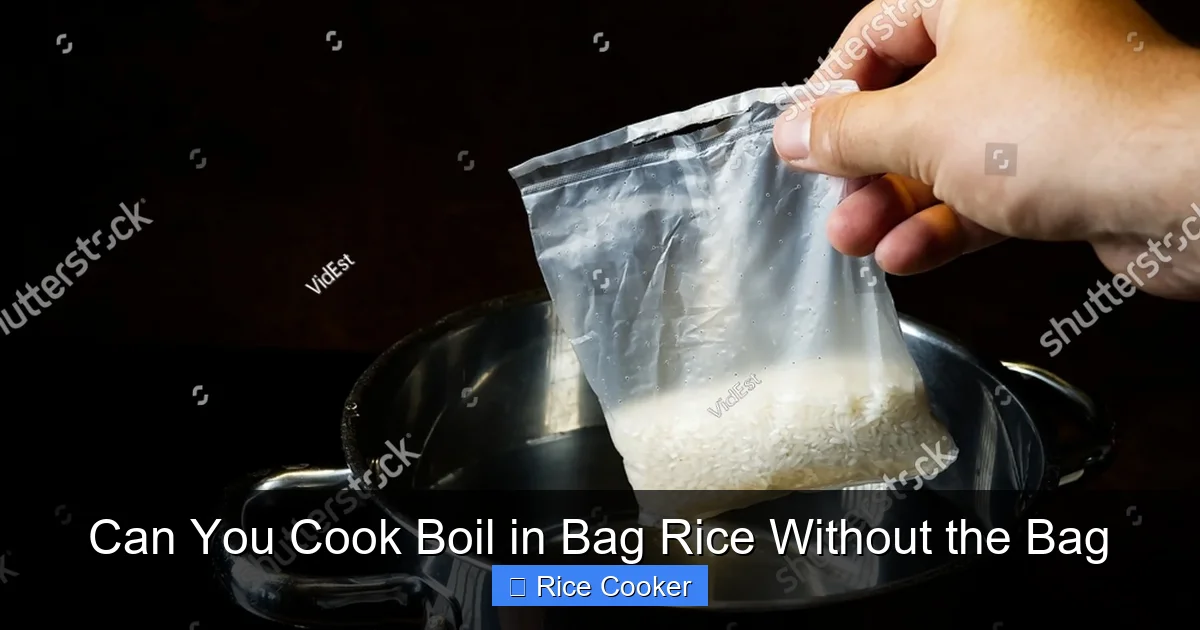
Yes, you can cook boil-in-bag rice without the bag, but it requires careful attention to water ratios and cooking times. While some methods work well in stovetops or rice cookers, others risk overcooking or uneven texture. The key is understanding how each technique affects your rice’s quality—so read on for safe, effective ways to enjoy your favorite instant rice without the packaging.
Key Takeaways
- Boil-in-bag rice can be cooked without the bag, but results vary by method and equipment.
- Using a rice cooker is one of the safest options when removing the bag, as it controls heat precisely.
- Stovetop boiling may cause sticking or burning if not monitored closely due to higher heat exposure.
- Microwave methods are convenient but less consistent and may lead to uneven cooking.
- Always rinse rice before cooking without the bag to remove excess starch and prevent mushiness.
- Adjust liquid ratios slightly when cooking without packaging—typically reducing water by 1–2 tablespoons.
- Reheating leftover boil-in-bag rice works best with moisture, like steaming or adding broth.
📑 Table of Contents
- Can You Cook Boil in Bag Rice Without the Bag?
- Understanding Boil-In-Bag Rice: How It Works
- Safe Methods to Cook Boil-In-Bag Rice Without the Bag
- Common Mistakes and How to Avoid Them
- Flavor Enhancements and Creative Uses
- Environmental and Health Considerations
- Comparing Cooking Times and Results
- Final Thoughts: Is It Worth It?
Can You Cook Boil in Bag Rice Without the Bag?
Have you ever found yourself staring at a package of boil-in-bag rice, wondering: *Can I just pour this into my rice cooker and skip the bag?* It’s a question many home cooks have asked, especially those looking to reduce plastic waste or save time. After all, these bags promise convenience—just drop it in boiling water, wait ten minutes, and voila! Fluffy rice ready to eat. But what happens when you take that bag off?
Cooking boil-in-bag rice without its packaging isn’t impossible, but it does come with caveats. The sealed pouch protects the rice from direct heat and moisture loss during cooking, which helps achieve that perfect balance of tender grains and steam. Without it, you lose some of that control—but you gain flexibility. Whether you’re using a rice cooker, microwave, or stovetop, there are smart ways to adapt. In this guide, we’ll walk through everything you need to know: from safety concerns to flavor tweaks, so you can confidently prepare your favorite instant rice without relying on single-use bags.
Understanding Boil-In-Bag Rice: How It Works

Visual guide about Can You Cook Boil in Bag Rice Without the Bag
Image source: m.media-amazon.com
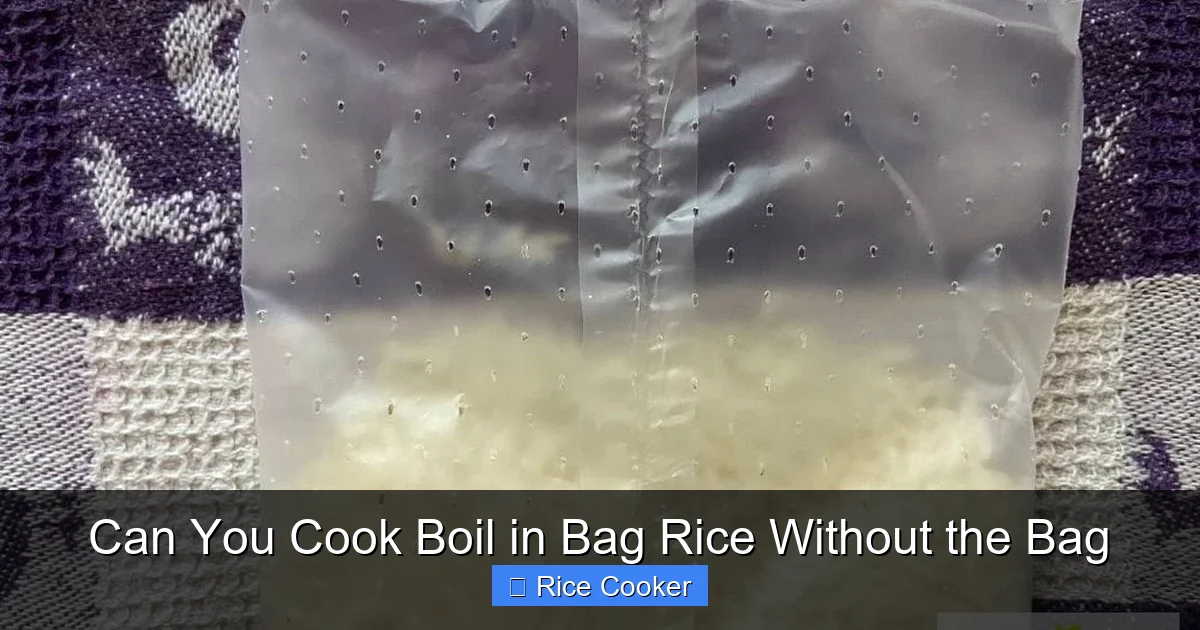
Before diving into alternatives, let’s break down how boil-in-bag rice actually functions. These products—like Minute Rice, Uncle Ben’s Ready Rice, or store-brand varieties—are pre-cooked, parboiled, or even fully cooked rice grains sealed inside resealable pouches made of plastic film. When placed in boiling water, the bag acts like a mini steamer: the heat penetrates slowly, allowing trapped steam to finish cooking the rice evenly while keeping flavors intact.
This process typically takes between 8 to 15 minutes depending on the type (e.g., white vs. brown rice). The beauty lies in its simplicity: no measuring, no stirring, no guesswork. But here’s the catch—the bag isn’t just a container; it’s part of the cooking system. Removing it means losing that controlled environment. That said, modern rice cookers and microwaves offer programmable settings that mimic the gentle, consistent heat delivery of the original method.
The Role of the Plastic Bag
The plastic bag serves several critical functions:
– **Heat distribution**: Distributes heat evenly across all surfaces of the rice.
– **Moisture retention**: Prevents evaporation, ensuring the rice stays hydrated throughout cooking.
– **Flavor protection**: Keeps aromas contained and prevents contamination from boiling water impurities.
– **Safety barrier**: Avoids direct contact between raw food and hot water, reducing risk of burns or cross-contamination.
While eco-conscious consumers appreciate the ability to compost or recycle the bag after use, others want to avoid any potential chemical leaching—especially since older plastic types might release trace amounts under high heat. Fortunately, newer bags are often BPA-free and designed specifically for food reheating.
Safe Methods to Cook Boil-In-Bag Rice Without the Bag
Visual guide about Can You Cook Boil in Bag Rice Without the Bag
Image source: stretchrecipes.com
If you’re ready to ditch the pouch, don’t panic. Several tested techniques allow you to enjoy your rice safely and deliciously. Below are five reliable approaches ranked by ease and reliability.
Method 1: Rice Cooker (Recommended)
Using a rice cooker is arguably the most foolproof way to cook boil-in-bag rice without the bag. Most models feature adjustable timers and temperature controls that replicate the slow-steam cycle used in the original method.
Steps:
1. Open the bag completely and pour the contents into the inner pot of your rice cooker.
2. Rinse the rice briefly under cold water to remove excess starch (optional but recommended).
3. Add ¾ cup of water per ½ cup of uncooked rice (adjust based on your cooker’s ratio chart).
4. Close the lid and press “Cook” or select the appropriate setting (white rice, brown rice, etc.).
5. Wait until the cooker automatically switches to “Keep Warm.”
Why this works: Rice cookers maintain steady internal temperatures (usually around 200°F), mimicking the low-and-slow steam process. This prevents scorching and ensures uniform texture.
Pro tip: If your rice cooker has a “Steam” function, you can also place the rinsed rice in a heat-safe bowl inside the unit—just ensure there’s enough space for steam circulation.
Method 2: Stovetop Simmer
For those without a rice cooker, the stovetop offers a classic alternative. However, it demands more attention than other methods.
Steps:
1. Transfer the rice to a medium saucepan.
2. Rinse once under running water.
3. Add water at a 1:1.25 ratio (e.g., 1 cup rice + 1¼ cups water).
4. Bring to a boil over high heat, then immediately reduce to low.
5. Cover tightly and simmer for 8–12 minutes, checking occasionally.
6. Remove from heat and let sit covered for 3–5 minutes before fluffing.
Caution: Stirring too often can break delicate grains. Also, uncovered boiling may cause dry spots or burnt edges.
Method 3: Microwave Technique
Microwaves provide speed and convenience, though results aren’t always consistent across brands or rice types.
Steps:
1. Place rice in a microwave-safe bowl.
2. Add 1 tablespoon less water than usual (to compensate for no bag insulation).
3. Cover with a damp paper towel or microwave-safe lid.
4. Cook on high for 4–6 minutes, rotating halfway.
5. Let stand 2 minutes before serving.
Note: Power levels vary widely between microwaves—some may need shorter/longer times. Test small batches first.
Common Mistakes and How to Avoid Them
Even experienced cooks stumble when adapting recipes. Here are frequent errors when cooking boil-in-bag rice sans bag—and how to fix them.
Mistake #1: Not Rinsing the Rice
Many assume rinse isn’t necessary since the bag already contains washed rice. But residual starch affects texture. A quick rinse clears away powdery residues and reduces stickiness.
Mistake #2: Using Too Much Water
Without the bag’s moisture lock, extra water evaporates faster. Start with slightly less liquid than packaged instructions suggest. If too dry, add a splash of broth or water during the last minute.
Mistake #3: Skipping the Resting Period
Just like regular rice, letting boiled-in-bag rice rest allows steam redistribution. Cutting corners leads to gummy clumps or uneven softness.
Mistake #4: Overcooking on High Heat
Boiling water alone cooks rice too aggressively. Always transition to low heat once bubbles appear to avoid hardening outer layers before inner grains soften.
Flavor Enhancements and Creative Uses
Once you master the basics, elevate your dish! Try infusing flavors directly into the cooking liquid:
– Add a pinch of salt, garlic powder, or onion granules.
– Stir in a pat of butter or olive oil before covering.
– For savory sides, mix in diced vegetables halfway through cooking.
– Sweet twists? Add cinnamon and a drizzle of honey for breakfast-style rice pudding.
Leftovers become fantastic fried rice when sautéed with eggs, soy sauce, and green onions. Just remember to add a bit more liquid when reheating—boil-in-bag rice tends to absorb moisture faster without its protective shell.
Environmental and Health Considerations
Choosing to cook without the bag supports sustainability goals. Single-use plastics contribute significantly to landfill waste. By repurposing rice cookers or microwaves, you cut down on packaging while enjoying the same quality.
From a health standpoint, modern boil-in-bag rice uses food-grade plastics approved for repeated heating. Still, if you’re concerned about microplastics or chemical migration, eliminating the bag entirely removes that variable. Plus, rinsing adds an extra layer of cleanliness.
Safety Tips
– Never microwave metal lids or foil—even if labeled “microwave safe.”
– Use oven mitts when handling hot pots or bowls.
– Store leftover rice promptly in airtight containers to prevent bacterial growth.
Comparing Cooking Times and Results
| Method | Avg. Time | Texture | Ease of Use | Best For |
|—————–|———–|—————|————-|———————–|
| Rice Cooker | 12–18 min | Fluffy, even | Very Easy | Daily meals |
| Stovetop | 10–15 min | Tender, slight chew | Moderate | Large batches |
| Microwave | 5–7 min | Variable | Easy | Quick snacks |
Rice cookers win for consistency; microwaves for speed; stovetops for traditionalists. Choose based on your kitchen setup and priorities.
Final Thoughts: Is It Worth It?
Yes—cooking boil-in-bag rice without the bag is absolutely doable and often preferable for those who value flexibility, sustainability, and control over ingredients. While the original method remains unbeaten in convenience, adapting it opens doors to customization and reduced environmental impact.
Experiment with different liquids (broth instead of water), seasonings, or cooking vessels to find your ideal version. And don’t forget: practice makes perfect. Your first attempt might not match the pouch’s magic, but with small adjustments, you’ll soon serve up restaurant-quality rice—plastic-free.
Frequently Asked Questions
Can I reuse the boil-in-bag packaging for other foods?
Most boil-in-bag containers are not intended for reuse or refilling due to hygiene and structural concerns. They’re designed for single heating cycles and may degrade after exposure to high heat. It’s safer to discard them after use.
Does cooking without the bag affect nutritional content?
No significant difference in nutrients occurs when cooking without the bag versus using it. Both methods deliver similar vitamin and mineral profiles, assuming the rice itself hasn’t been altered by prolonged storage or improper handling.
Will my rice cooker void its warranty if I cook rice without the original packaging?
Unlikely. As long as you follow standard operating procedures (adding water, using the correct amount), manufacturers don’t penalize users for removing packaging. However, always consult your manual for specific guidelines.
What should I do if my rice turns out too sticky after removing the bag?
Try adding a teaspoon of oil or butter while fluffing, or spread the rice on a baking sheet to cool slightly before storing. Future batches benefit from a light rinse and slightly reduced water ratio.
Are all boil-in-bag rice brands suitable for cooking without their bags?
Most are—but results may vary. Brown rice varieties often require longer cooking times outside the bag. Always check label instructions and adjust based on your chosen method.
How can I store leftover cooked rice properly?
Refrigerate within two hours in an airtight container. Reheat with a splash of water or broth to restore moisture. Avoid leaving rice at room temperature for extended periods to prevent spoilage.