
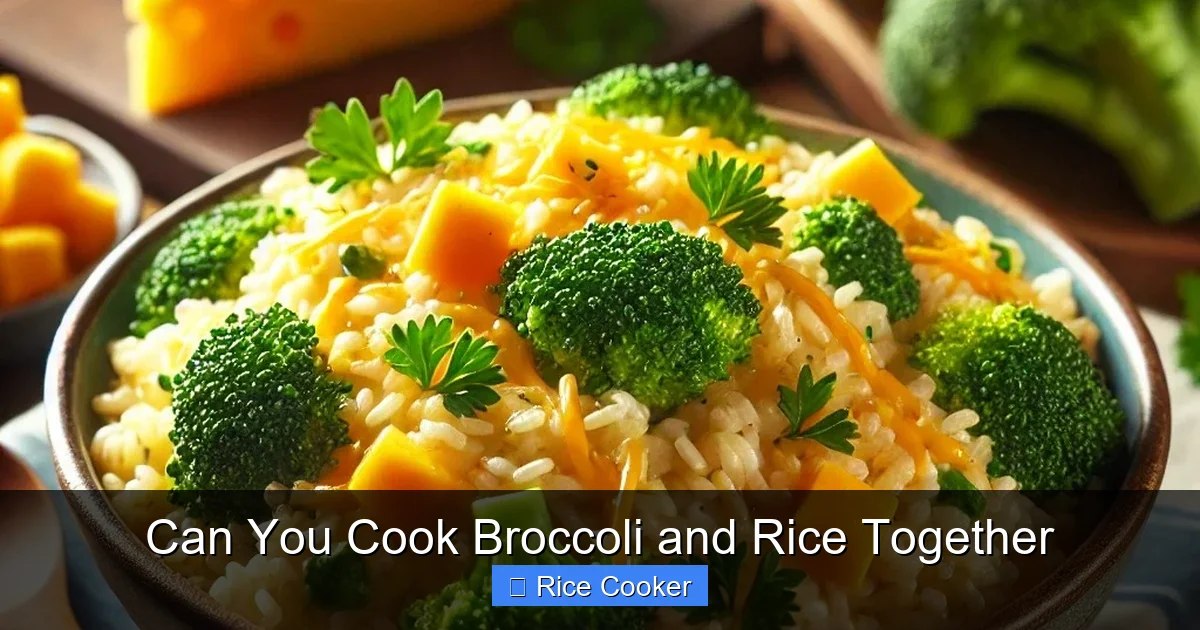
Can you cook broccoli and rice together? Absolutely! Using a rice cooker, you can steam tender broccoli florets alongside fluffy rice in one pot, creating a nutritious and hands-off meal. This method saves time, locks in vitamins, and delivers delicious results with minimal effort—no separate cooking steps needed.
Key Takeaways
- Rice cookers are versatile: Beyond just cooking grains, they can steam vegetables like broccoli simultaneously, making meal prep efficient and nutritious.
- Nutrient retention matters: Cooking broccoli and rice together preserves more vitamins and antioxidants compared to boiling or microwaving alone.
- Texture balance is key: Proper timing ensures broccoli stays crisp-tender while rice cooks fully—overcooking broccoli leads to mushiness.
- Add flavor strategically: A splash of broth, lemon juice, garlic, or olive oil enhances taste without extra cleanup.
- Perfect for meal prep: This one-pot method is ideal for busy weeknights, lunches, or batch-cooking healthy meals.
- Not all rice types work the same: Stick with white rice, jasmine, or basmati for best results; avoid long-grain brown rice unless adjusted.
- Use the right amount of liquid: Broccoli releases water during steaming—add 1–2 tablespoons less water than usual to avoid soggy rice.
📑 Table of Contents
- Can You Cook Broccoli and Rice Together? Yes—and Here’s Why It Works
- The Science Behind Cooking Broccoli and Rice Together
- Choosing the Right Ingredients
- Step-by-Step Guide: How to Cook Broccoli and Rice Together
- Flavor Enhancements and Creative Variations
- Troubleshooting Common Mistakes
- Benefits of This One-Pot Method
- Frequently Asked Questions
Can You Cook Broccoli and Rice Together? Yes—and Here’s Why It Works
Have you ever stared into your pantry or fridge, wondering what to make for dinner, only to find a bag of rice and some leftover broccoli? Instead of tossing the broccoli or serving two separate meals, why not combine them? The idea of cooking broccoli and rice together might sound too good to be true—after all, aren’t they different types of food that need different cooking methods? Surprisingly, with the right tools and technique, you absolutely can cook broccoli and rice together in a rice cooker, and it’s easier than you think.
Using a rice cooker to steam vegetables alongside rice isn’t just possible—it’s one of the most convenient ways to prepare a complete, balanced meal. Whether you’re aiming for a quick weekday dinner or trying to sneak more veggies into your kids’ diet, this method delivers on flavor, nutrition, and simplicity. In this guide, we’ll walk you through everything you need to know: from choosing the right rice and broccoli varieties to adjusting cooking times and adding delicious seasonings. By the end, you’ll be ready to whip up a wholesome, one-pot meal that tastes as good as it looks.
The Science Behind Cooking Broccoli and Rice Together
Before diving into recipes, let’s talk about *why* this combo works so well. Rice needs dry heat and precise moisture levels to absorb water and swell into fluffy grains. Broccoli, on the other hand, thrives under gentle, consistent steam—too much heat or prolonged exposure causes it to lose color, texture, and vital nutrients like vitamin C and folate.
The magic happens because rice cookers create a sealed environment where steam circulates evenly. As rice absorbs water and begins to cook, the residual heat gently steams the broccoli sitting above or beside it. This dual-function process means both ingredients reach their ideal doneness at the same time—without overcooking or undercooking either.
But there’s a catch: timing and preparation matter. Broccoli takes less time to cook than rice, so if added too early, it turns into mush. Conversely, adding it too late risks undercooked greens. That’s why layering and sequencing are essential when cooking broccoli and rice together.
How a Rice Cooker Simplifies Vegetable Cooking
Most modern rice cookers come with multiple settings—white rice, brown rice, porridge, and sometimes even steaming functions. While many people use them only for grains, these appliances are actually versatile kitchen multitools. When you add broccoli to the mix, you’re essentially turning your rice cooker into a mini steamer.
Unlike boiling vegetables (which leaches nutrients into water) or microwaving them separately (which requires extra dishes), using a rice cooker keeps everything contained. The result? Less cleanup, faster cooking, and better nutrient preservation. Plus, since everything cooks in the same vessel, flavors naturally blend—a subtle earthiness from the broccoli complements the mild sweetness of rice.
Choosing the Right Ingredients
To get the best results when cooking broccoli and rice together, start with quality ingredients. Not all broccoli or rice varieties behave the same way in a rice cooker, so selecting the right ones makes a big difference.
Best Types of Broccoli to Use
Fresh broccoli florets work best. Look for firm, bright green heads with tightly packed flowerets. Avoid yellowed or wilted stems—they indicate age and reduced crunch. Smaller florets cook faster and more evenly than large ones, so aim for uniform size when cutting.
If using frozen broccoli, thaw it completely first. Excess ice can throw off the water ratio in your rice cooker, leading to soggy grains. Pat it dry before adding to reduce moisture buildup.
Ideal Rice Varieties
For beginners, stick with short- to medium-grain options like white rice, jasmine, or basmati. These absorb water efficiently and maintain structure during steaming. Avoid wild rice or very long-grain brown rice unless you adjust cooking times and liquid amounts.
Brown rice requires more water and longer cooking, which can over-steam broccoli. If you love brown rice, consider pre-soaking it or switching to a two-stage method: cook rice first, then add broccoli to steam afterward.
Step-by-Step Guide: How to Cook Broccoli and Rice Together
Ready to try it? Follow this foolproof method for perfect results every time.
What You’ll Need
- 1 cup uncooked rice (white or jasmine preferred)
- 1½ to 2 cups water (adjust based on rice type)
- 1 small head of fresh broccoli (~1–1¼ lbs), cut into bite-sized florets
- Optional: 1 tbsp olive oil, butter, or broth for flavor
- Optional: Salt, pepper, garlic powder, lemon zest, or herbs
Preparation Steps
- Wash and drain the rice: Rinse under cold water until the water runs clear. This removes excess starch and prevents gummy texture.
- Cut the broccoli: Break into uniform florets. Trim woody stems if desired, but don’t discard—you can chop them finely and add later for extra fiber.
- Prepare the rice cooker: Add rice and water to the inner pot. Stir in any optional fats or seasonings now.
- Add broccoli carefully: Place florets on top of the rice, nestled between grains so they steam properly. Do not stir—this disrupts the cooking process.
Cooking Process
- Close the lid and select the appropriate setting (usually “White Rice” or “Normal”).
- Let the cooker do its job—no need to peek!
- Once the cycle ends, let it rest for 5–10 minutes. This allows residual heat to finish steaming the broccoli without opening the lid prematurely.
- Fluff the rice gently with a fork, then transfer to a serving dish.
Pro Tips for Success
- Reduce water by 1–2 tablespoons: Broccoli releases moisture during cooking, so slightly less water prevents mushy rice.
- Use a steamer basket (optional): Some rice cookers include a perforated insert. Placing broccoli here keeps it elevated and prevents direct contact with water.
- Season after cooking: While you *can* add salt early, many chefs recommend seasoning post-cooking to preserve broccoli’s vibrant green color.
Flavor Enhancements and Creative Variations
Plain steamed broccoli and rice is tasty—but it doesn’t have to be boring. With a few thoughtful additions, you can transform this basic dish into something extraordinary.
Simple Seasonings That Shine
- Lemon and garlic: Zest and squeeze fresh lemon juice over finished rice for brightness.
- Sesame oil and soy sauce: Drizzle a teaspoon of sesame oil mixed with light soy sauce for an Asian-inspired twist.
- Cheese and herbs: Sprinkle grated Parmesan or feta over warm rice for richness; add chopped parsley or chives for freshness.
Global-Inspired Twists
- Italian-style: Toss cooked rice with broccoli, sun-dried tomatoes, olives, and mozzarella.
- Mediterranean bowl: Mix in chickpeas, cucumber, feta, and a drizzle of tzatziki.
- Indian fusion: Cook rice with cumin, turmeric, and ginger; serve with sautéed broccoli and a dollop of raita.
Protein Boosts
Turn this into a full meal by adding:
- Grilled chicken or tofu: Slice and pan-sear ahead, then warm in the finished dish.
- Hard-boiled eggs: Chop and fold in for extra protein and creaminess.
- Edamame or beans: Stir in cooked lentils or shelled edamame near the end of cooking.
Troubleshooting Common Mistakes
Even experienced cooks run into hiccups. Here’s how to fix the most frequent issues when cooking broccoli and rice together.
Problem: Broccoli Is Mushy or Colorless
Cause: Added too early or cooked too long.
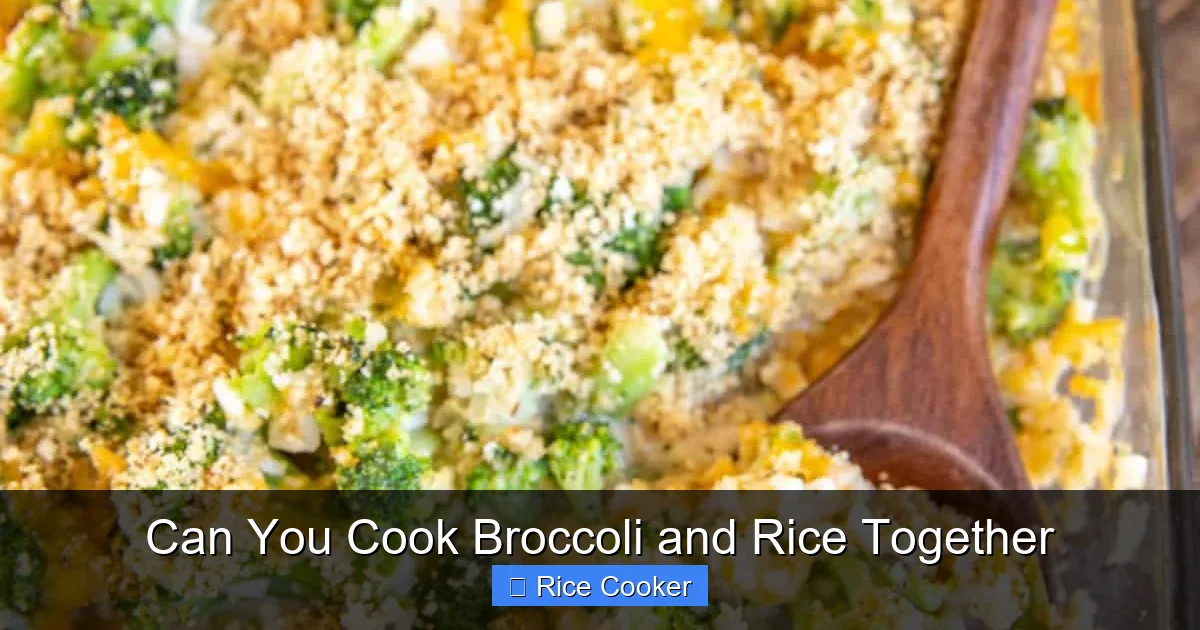
Visual guide about Can You Cook Broccoli and Rice Together
Image source: plainchicken.com
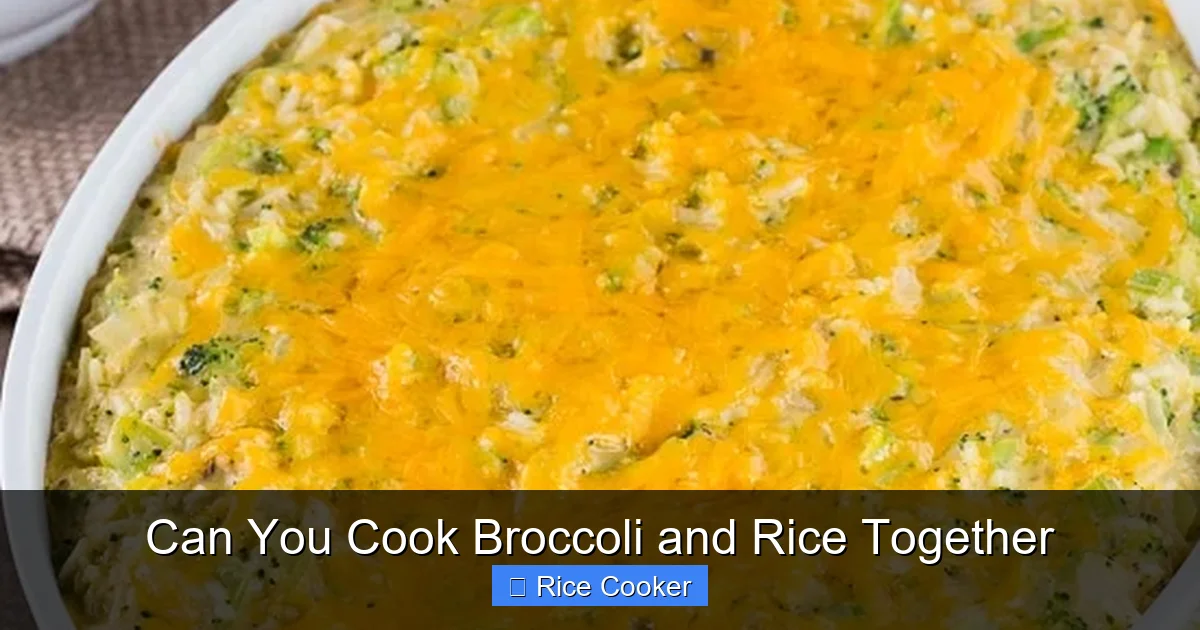
Visual guide about Can You Cook Broccoli and Rice Together
Image source: spicysouthernkitchen.com
Solution: Reduce broccoli cooking time by starting it after the rice has absorbed half its water (in multi-stage models) or use the “keep warm” function to finish broccoli separately. Alternatively, blanch broccoli briefly before adding to retain texture.
Problem: Rice Is Too Wet or Sticky
Cause: Too much liquid or insufficient draining of broccoli moisture.
Solution: Measure water precisely, reduce initial amount by 1–2 tablespoons, and ensure broccoli is dry before adding. Let rice rest uncovered for 2–3 minutes after cooking to evaporate excess steam.
Problem: Broccoli Burns or Smokes
Cause: Direct contact with hot pot surface or overcrowding.
Solution: Never pile broccoli directly on the bottom. Spread it evenly on top of rice or use a steamer basket. Don’t exceed 1–1.5 cups of broccoli per cup of rice.
Benefits of This One-Pot Method
Why bother going through all this effort? Because cooking broccoli and rice together offers real advantages:
- Saves time and energy: One pot, one appliance, no stirring or babysitting.
- Preserves nutrients: Steaming retains more vitamins than boiling or frying.
- Encourages healthy eating: Easy veggie inclusion helps meet daily vegetable goals.
- Reduces waste: Uses up leftover broccoli and rice efficiently.
- Great for families: Customizable flavors satisfy picky eaters and adventurous palates alike.
Plus, this method scales beautifully for meal prep. Double the recipe, portion into containers, and refrigerate for up to 4 days—or freeze for quick re-heats.
Frequently Asked Questions
Can I use brown rice instead of white?
Yes, but expect longer cooking times and potential texture differences. Brown rice may over-steam broccoli, so consider cooking rice first, then adding broccoli to steam separately.
Do I need special equipment?
No! Any standard rice cooker will work. For better control, choose one with a steamer basket or delayed-start timer.
Can I add other vegetables?
Absolutely—carrots, peas, or zucchini pair well. Cut them similarly sized to broccoli and adjust cooking time if needed.
Is this healthier than separate cooking?
Generally yes. Combining them reduces oil use and nutrient loss from excess water, though flavor balance depends on seasoning choices.
How do I reheat leftovers?
Steam briefly in the microwave or oven to restore crispness. Avoid overheating, which softens broccoli further.
Can kids eat this?
Definitely! Mildly seasoned versions are kid-friendly. Let them customize with cheese or a sprinkle of nutritional yeast for umami.
Frequently Asked Questions
Can I use frozen broccoli when cooking broccoli and rice together?
Yes, but thaw and pat dry completely first to avoid excess water, which can make rice soggy. Overcrowding also affects steaming efficiency.
Should I add salt to the rice before or after cooking?
It’s fine to add salt early, but many chefs prefer adding it after to preserve broccoli’s bright green color and prevent bitterness.
How much broccoli can I add per cup of rice?
Stick to about ¾ to 1 cup of florets per cup of uncooked rice for balanced flavor and texture without overwhelming the dish.
Can I cook quinoa or other grains instead?
Absolutely! Quinoa, millet, or barley work well. Adjust water ratios slightly—quinoa typically needs less liquid than white rice.
Will this work in an electric pressure cooker?
Yes, but use the “steam” or “manual” setting and monitor closely. Pressure builds quickly, risking overcooked broccoli if timed incorrectly.
How do I prevent my rice cooker from smelling like broccoli?
Clean the inner pot thoroughly after each use. Also, avoid letting cooked food sit in the unit for hours without airing it out—ventilate immediately after cooking.