
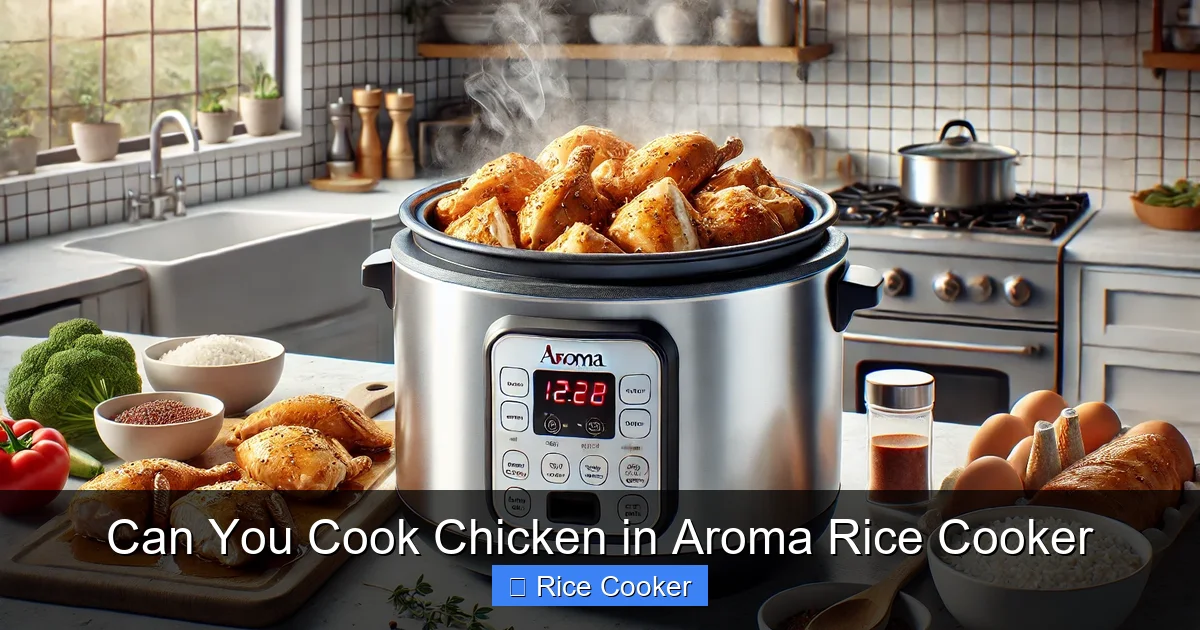
Yes, you can absolutely cook chicken in an Aroma rice cooker—and it’s easier than you think. This versatile kitchen appliance transforms tough proteins into tender, juicy meals with minimal effort. With the right ingredients and timing, your Aroma rice cooker becomes a secret weapon for healthy, homemade dinners.
Can You Cook Chicken in Aroma Rice Cooker?
You’ve probably heard that your Aroma rice cooker isn’t just for rice. But can you really cook chicken in it? The short answer? Absolutely—yes! In fact, many home cooks swear by their Aroma rice cooker as a go-to appliance for preparing entire meals in one pot: chicken, rice, and veggies all cooked together under steam and gentle heat.
The beauty of cooking chicken in an Aroma rice cooker lies in its simplicity and consistency. Unlike stovetop methods that require constant attention, the rice cooker does the work for you. It maintains steady temperatures, circulates steam evenly, and prevents overcooking. Whether you’re meal prepping for the week or whipping up a quick dinner after work, this method saves time, reduces cleanup, and delivers delicious results every time.
In this guide, we’ll walk you through everything you need to know about cooking chicken in your Aroma rice cooker—from basic techniques to flavor-packed recipes and pro tips. By the end, you’ll feel confident turning your trusty appliance into a multi-tasking kitchen hero.
How Does Cooking Chicken Work in a Rice Cooker?
At first glance, it might seem odd to cook meat in a device designed for grains. But rice cookers operate on a principle called pressure cooking or moist-heat cooking—similar to steaming or slow simmering—which is ideal for tenderizing chicken.
When you add chicken and liquid to the pot, the heat causes moisture to evaporate and condense back into steam inside the sealed lid. This trapped steam cooks the chicken gently from all sides without letting too much moisture escape. As a result, the meat stays juicy even when fully cooked.
Most modern Aroma rice cookers feature a non-stick ceramic-coated inner pot, which helps prevent sticking and makes cleaning a breeze. They also come with multiple settings like “Cook & Keep Warm,” “Slow Cook,” and sometimes even “Sauté” (on higher-end models), giving you flexibility depending on your recipe.
Types of Chicken Cuts That Work Best
Not all chicken parts are created equal when it comes to rice cooker cooking. Here’s what works best:
Bone-in, skin-on thighs and drumsticks hold up well because they stay moist and flavorful during longer cook times. Boneless breasts can dry out quickly, so they’re trickier unless brined or cooked with added liquids.
For beginners, start with bone-in chicken thighs seasoned simply with salt, pepper, and olive oil. Their fat content and connective tissue help keep them tender and juicy even after hours of cooking.
If you prefer white meat, consider using chicken tenders or bite-sized pieces of breast meat. Cutting them small increases surface area, helping them absorb flavors while cooking faster.
Preparing Chicken for Your Rice Cooker
Before tossing chicken into the pot, take a few minutes to prep it properly. This step ensures even cooking and maximum flavor.
First, pat the chicken dry with paper towels. Moisture on the surface can lead to uneven browning or sogginess.
Next, season generously. Don’t be shy—chicken absorbs flavor beautifully in a rice cooker. Try a mix of garlic powder, onion powder, smoked paprika, thyme, salt, and black pepper. You can also marinate overnight for deeper taste.
Optional but helpful: lightly sear the chicken in a hot skillet before placing it in the cooker. This creates a golden crust via the Maillard reaction, adding richness and depth. Just make sure to let excess oil drain off before transferring.
Finally, arrange the chicken thoughtfully in the pot. Place it in a single layer near the bottom, then surround it with diced onions, carrots, or mushrooms. Layering ingredients this way allows steam to circulate freely and prevents overcrowding.
Basic Recipe: Chicken and White Rice
Ready to try your first chicken-and-rice meal? Here’s a foolproof recipe to get you started:
Ingredients:
– 2 lbs bone-in, skin-on chicken thighs (or 1.5 lbs boneless)
– 1 cup long-grain white rice
– 2 cups water (or chicken broth for extra flavor)
– 1 tsp salt
– ½ tsp black pepper
– 2 cloves garlic, minced
– 1 tbsp olive oil
– Optional: bay leaf, fresh parsley
Instructions:
1. Pat chicken dry and season both sides with salt, pepper, and garlic.
2. Heat oil in a large skillet over medium-high heat. Sear chicken skin-side down until golden brown (about 4–5 minutes). Flip and cook 1–2 minutes more. Remove and set aside.
3. Rinse rice briefly (optional but recommended).
4. Place rice in the inner pot of your Aroma rice cooker.
5. Arrange chicken pieces on top of the rice.
6. Pour water (or broth) into the pot. Add any optional aromatics like a bay leaf.
7. Close lid securely and press “Cook.” Most Aroma models will automatically switch to “Keep Warm” once done.
8. Let sit for 10 minutes before serving. Garnish with fresh parsley if desired.
This recipe yields enough for 4 hearty servings and takes less than 40 minutes total.
Adding Vegetables for a Complete Meal
One of the biggest advantages of using a rice cooker is its ability to cook multiple components simultaneously. You can toss in chopped carrots, bell peppers, zucchini, or green beans along with the chicken and rice.
Just remember: denser vegetables like carrots and potatoes need longer cook times than softer ones like spinach or broccoli. To avoid mushiness, blanch hardy veggies briefly in boiling water before adding them to the pot.
Alternatively, cut everything into uniform sizes so they cook at the same rate. For example, dice everything into ½-inch cubes. This ensures your entire meal finishes together.
Flavor Boosting Tips
Want your chicken-and-rice dish to stand out? These small tweaks make a big difference:
Use broth instead of plain water. Chicken, beef, or vegetable broth adds rich umami notes that infuse every grain and morsel.
Add acidity at the end. A splash of lemon juice or vinegar brightens the dish and cuts through the fattiness of the chicken.
Infuse herbs early. Whole sprigs of rosemary, thyme, or sage placed beneath the chicken release fragrance as they steam.
Toast spices before use. Lightly heating cumin, coriander, or turmeric in oil wakes up their flavor profile.
Try ethnic twists. Make Mexican-style arroz con pollo with chorizo and peas, or Indian biryani with saffron and basmati rice.
Common Mistakes to Avoid
Even experienced cooks occasionally run into issues when first experimenting with rice cooker chicken. Here are the most common pitfalls—and how to fix them:
Overcrowding the pot: Too much chicken or rice leads to uneven cooking. Stick to reasonable portions based on your cooker size (usually 2–4 servings).
Skipping the sear: Without browning, your chicken may lack flavor depth. Even a quick 2-minute sear makes a noticeable difference.
Using too little liquid: Chicken releases its own juices, but not enough initial liquid causes dryness. Always err on the side of slightly more liquid.
Ignoring resting time: Reserving 10 minutes after cooking lets steam finish penetrating the meat and redistributes juices.
Neglecting drainage: After cooking, tilt the pot to drain excess liquid if needed. Excess sauce can dilute flavors.
Choosing the Wrong Model
While nearly all Aroma rice cookers can handle chicken, some features enhance the experience:
Models with “Slow Cook” or “Steam” settings offer more control over texture and doneness.
Higher-end versions include “Sauté” functionality, allowing you to brown ingredients directly in the pot without needing a separate pan.
Compact models (like the 3-cup or 4-cup varieties) work fine for small families or single servings but may struggle with larger cuts of chicken.
Always check your manual for capacity guidelines—most recommend filling no more than two-thirds full to allow proper steam circulation.
Cleaning and Maintenance
After enjoying a delicious one-pot meal, the last thing you want is a sticky, greasy pot. Fortunately, Aroma’s non-stick coatings simplify cleanup significantly.
Let the inner pot cool completely before washing. Hot water can warp certain plastics or damage coatings.
Use warm, soapy water and a soft sponge. Avoid abrasive scrubbers that scratch the surface.
For stubborn residue, soak in hot water with baking soda for 15–20 minutes before wiping clean.
Many inner pots are dishwasher-safe—just double-check your model’s instructions first.
Don’t forget to wipe the exterior and lid seal regularly to maintain hygiene and extend appliance life.
Creative Recipes Beyond Basic Chicken & Rice
Once you’ve mastered the basics, let your creativity shine! Here are three inspired ideas:
Thai Green Curry Chicken & Jasmine Rice
Sauté onions and garlic in coconut oil, add curry paste, then nestle in chicken thighs. Stir in jasmine rice, coconut milk, and a splash of fish sauce. Simmer until liquid absorbs. Top with cilantro and lime wedges.
Italian Lemon Herb Chicken & Arborio Rice
Brown chicken, then layer over Arborio rice with chicken broth, lemon slices, capers, and oregano. Cook until creamy. Finish with grated Parmesan and parsley.
Mediterranean Orzo & Chicken Bowl
Swap rice for orzo pasta. Add chickpeas, cherry tomatoes, olives, and feta cheese. Season with za’atar or sumac for a vibrant, protein-rich meal.
These variations prove that your Aroma rice cooker is far more than a grain-maker—it’s a versatile kitchen companion ready for global flavors.
Frequently Asked Questions
Can I cook frozen chicken in my Aroma rice cooker?
Yes, but increase cook time by 10–15 minutes and ensure there’s enough liquid. Thaw partially if possible for more even heating.
Do I need to add oil?
Not necessarily. The rice cooker generates enough steam to prevent sticking, especially with non-stick pots. A light brush of oil enhances browning if you sauté first.
What if my chicken is still pink inside?
Check internal temperature with a meat thermometer—it should read 165°F (74°C). If not, return to cooker for 5–10 minutes and test again.
Can I make gravy from the leftover liquid?
Absolutely! Strain the cooking liquid, reduce it on the stove, and thicken with cornstarch slurry or flour for a quick, flavorful sauce.
Will the rice turn out mushy?
Only if too much liquid is used or if the cooker overfills. Follow recommended ratios and allow proper resting time to firm up the grains.
Can I cook chicken legs or wings?
Yes! Bone-in dark meat like legs and wings benefits greatly from slow, moist cooking. Adjust liquid slightly upward since these cuts release more moisture.
Conclusion
Cooking chicken in your Aroma rice cooker opens up a world of convenient, nutritious, and delicious meals—no stovetop required. From beginner-friendly chicken-and-rice combos to globally inspired bowls, the possibilities are endless.
By following simple prep steps, respecting liquid ratios, and embracing flavor-building techniques, you’ll consistently produce restaurant-quality dishes with minimal effort. Plus, the easy cleanup means you spend less time in the kitchen and more time enjoying your food.
So next time hunger strikes, skip the takeout menu. Reach for your Aroma rice cooker, grab some chicken, and turn ordinary ingredients into an extraordinary meal. Your future self (and taste buds) will thank you.
Key Takeaways
- Yes, chicken cooks perfectly in most Aroma rice cookers. The steamy, moist environment locks in flavor and keeps meat tender without drying out.
- Preparation is key. Cut chicken into even pieces, marinate if desired, and layer it properly over rice or veggies for best results.
- Use the right ratio of liquid. Chicken needs more water than rice alone—typically 1.5 to 2 cups per cup of rice to prevent dryness.
- Don’t skip the browning step. Searing chicken before adding it to the cooker enhances flavor through the Maillard reaction.
- Experiment with seasonings and sides. Add garlic, herbs, or broth for extra taste; pair chicken with rice, quinoa, or roasted vegetables.
- Clean-up is simple. Most Aroma models have non-stick inner pots that are dishwasher-safe for easy maintenance.
Frequently Asked Questions
Can I cook frozen chicken in my Aroma rice cooker?
Yes, but increase cook time by 10–15 minutes and ensure there’s enough liquid. Thaw partially if possible for more even heating.
Do I need to add oil?
Not necessarily. The rice cooker generates enough steam to prevent sticking, especially with non-stick pots. A light brush of oil enhances browning if you sauté first.
What if my chicken is still pink inside?
Check internal temperature with a meat thermometer—it should read 165°F (74°C). If not, return to cooker for 5–10 minutes and test again.
Can I make gravy from the leftover liquid?
Absolutely! Strain the cooking liquid, reduce it on the stove, and thicken with cornstarch slurry or flour for a quick, flavorful sauce.
Will the rice turn out mushy?
Only if too much liquid is used or if the cooker overfills. Follow recommended ratios and allow proper resting time to firm up the grains.
Can I cook chicken legs or wings?
Yes! Bone-in dark meat like legs and wings benefits greatly from slow, moist cooking. Adjust liquid slightly upward since these cuts release more moisture.