

Cooking chicken thighs in a rice cooker is not only possible—it’s one of the easiest ways to prepare delicious, moist meat with little hands-on effort. With the right ingredients and technique, your rice cooker can transform plain chicken into a savory, fall-off-the-bone meal in under an hour. Whether you’re meal-prepping or craving comfort food, this method saves time, uses simple tools, and yields consistently great results.
Key Takeaways
- Rice cookers are versatile kitchen appliances: While designed for grains, they work perfectly for cooking chicken thighs when used correctly.
- Juiciness is key: Cooking chicken thighs in a rice cooker helps retain moisture, resulting in tender, flavorful meat.
- No constant monitoring needed: Once you set it up, the rice cooker does the work—ideal for busy cooks.
- Flavor boosters enhance taste: Marinate, season, or add aromatics like garlic, herbs, or broth to elevate the dish.
- Safety matters: Always ensure the internal temperature reaches 165°F (74°C) to avoid foodborne illness.
- Versatile serving options: Serve over rice, in tacos, salads, or as part of a one-pot meal.
- Clean-up is easier: One-pot cooking means fewer dishes to wash after dinner.
📑 Table of Contents
- Can You Cook Chicken Thighs in a Rice Cooker?
- Why Choose a Rice Cooker for Chicken Thighs?
- How Does a Rice Cooker Actually Work?
- Essential Tips Before You Start Cooking
- Step-by-Step Guide: How to Cook Chicken Thighs in a Rice Cooker
- Creative Recipes Using Chicken Thighs in a Rice Cooker
- Common Mistakes to Avoid
- Can You Cook Rice Alongside Chicken Thighs?
- Frequently Asked Questions
- Final Thoughts: Embrace the Versatility of Your Rice Cooker
Can You Cook Chicken Thighs in a Rice Cooker?
Imagine coming home after a long day, tossing some chicken thighs and veggies into your trusty rice cooker, pressing a button, and waking up to a fragrant, tender meal ready to serve. Sounds too good to be true? It’s not—and yes, you absolutely can cook chicken thighs in a rice cooker! In fact, this method has become a favorite among home cooks who want flavorful, hands-off meals without the hassle of stovetop or oven prep.
Most people think rice cookers are limited to steaming rice or boiling water, but modern models—especially newer electric ones—are surprisingly versatile. From stews to soups, eggs to dumplings, these compact appliances can handle a variety of cooking tasks. And when it comes to chicken thighs, the rice cooker shines. The enclosed environment traps steam and heat, creating a moist cooking process that keeps the meat from drying out. Plus, you don’t need to babysit the pot like you would on the stove. Just prep, press, and relax.
In this guide, we’ll walk you through everything you need to know about cooking chicken thighs in a rice cooker—from preparation and safety tips to creative recipe ideas and troubleshooting advice. Whether you’re new to rice cooker cooking or looking to expand your repertoire, this article will show you how simple and rewarding it can be.
Why Choose a Rice Cooker for Chicken Thighs?
There are many reasons why the rice cooker is becoming a go-to kitchen appliance for preparing chicken thighs. Let’s break down the benefits:
Effortless Convenience
One of the biggest perks of using a rice cooker is its “set it and forget it” approach. Unlike traditional stovetop methods that require constant attention—stirring, checking doneness, adjusting heat—the rice cooker automates the process. Once you add your ingredients and press start, the machine handles the rest. This makes it ideal for busy weekdays or when you just want to multitask.
Moisture Retention
Chicken thighs are naturally fattier than breast meat, which helps keep them juicy during cooking. But when cooked improperly, even thigh meat can dry out. The sealed environment of a rice cooker prevents excess moisture loss by trapping steam inside. This results in tender, succulent chicken that’s far less likely to turn rubbery or tough.
Even Heat Distribution
Modern rice cookers use advanced heating elements and insulation to maintain consistent temperatures throughout the cooking cycle. This means your chicken thighs cook evenly from edge to center, reducing the risk of undercooked spots or overdone ends.
Minimal Clean-Up
Cooking everything in one vessel means fewer pots and pans to clean. Simply remove the inner pot, rinse, and wipe—no messy stovetop splatters or oven trays to scrub afterward.
Energy Efficiency
Rice cookers use less energy than ovens or stovetops, especially for small batches. They’re perfect for single servings or family meals alike.
How Does a Rice Cooker Actually Work?
Before diving into recipes, it helps to understand the basics of how a rice cooker functions. Most standard electric rice cookers operate in two main modes: the “cook” phase and the “warm” phase.
During the cook phase, the heating element boils water (or liquid) and circulates hot air through the inner pot. As the liquid evaporates, it creates steam that surrounds the food, gently cooking it from the outside in. Once the desired temperature is reached—usually around 212°F / 100°C at sea level—the cooker automatically switches to the warm setting to maintain the food’s temperature without further cooking.
This dual-phase system is what allows the rice cooker to cook grains uniformly while also being capable of braising or steaming proteins like chicken thighs. Some advanced models even offer multiple programs (e.g., slow cook, steam, soup), giving you more flexibility.
When cooking chicken thighs, the goal is to reach an internal temperature of 165°F (74°C) safely while keeping the meat moist. Since the rice cooker doesn’t stir or flip the food like a pan would, it’s important to cut the thighs into even sizes and use enough liquid to create steam.
Essential Tips Before You Start Cooking
Ready to try cooking chicken thighs in your rice cooker? Here are some pro tips to ensure success:
Choose the Right Cut
Bone-in, skin-on chicken thighs are ideal because they stay juicier during longer cook times. Boneless, skinless thighs work too, but cook faster and may dry out if overdone. For best results, trim excess fat and pat the meat dry before seasoning.
Season Generously
Since the rice cooker doesn’t brown meat like a skillet, flavor must come from seasonings and liquids. Rub thighs with olive oil, salt, pepper, garlic powder, paprika, or your favorite spice blend. Marinating overnight (in soy sauce, lemon juice, or yogurt) adds extra depth.
Use Enough Liquid
Steam is essential for tender chicken. Use at least ½ cup of liquid—water, broth, or a mix—depending on how saucy you want the final dish. Too little liquid = dry chicken; too much = soggy rice if you’re adding grains.
Cut Uniformly
Uneven pieces will cook at different rates. Cut all thighs into similar-sized portions so they finish at the same time.
Don’t Overcrowd the Pot
Leave space between pieces for steam to circulate. If needed, cook in batches.
Check Doneness Safely
Use a meat thermometer inserted into the thickest part of the thigh. It should read 165°F (74°C). If using a fork to test, the juices should run clear and the meat should shred easily.
Avoid Opening the Lid
Every time you open the lid, heat escapes, slowing down the cooking process. Wait until the cycle completes unless you need to check doneness.
Step-by-Step Guide: How to Cook Chicken Thighs in a Rice Cooker
Follow this simple method to make perfectly cooked chicken thighs every time:
Ingredients
- 4 boneless, skinless chicken thighs (about 1 lb / 450g)
- 1 tbsp olive oil or melted butter
- 1 tsp salt
- ½ tsp black pepper
- 1 tsp garlic powder
- 1 tsp onion powder
- 1 cup chicken broth or water
- Optional: 1 sliced onion, 2 minced garlic cloves, 1 diced carrot, fresh thyme or rosemary
Instructions
- Prepare the chicken: Pat chicken thighs dry with paper towels. Season both sides generously with salt, pepper, garlic powder, and onion powder. Rub with oil or butter.
- Add aromatics (optional): Toss in onion slices, garlic, carrots, or herbs for extra flavor.
- Add liquid: Pour broth or water into the inner pot.
- Place chicken on top: Arrange thighs in a single layer, preferably skin-side up if using skin-on.
- Cook on high: Close the lid and select the “Cook” function. Most rice cookers take 30–45 minutes for chicken thighs.
- Check doneness: After the cycle ends, let it sit for 5 minutes, then open the lid. Insert a meat thermometer—it should read 165°F (74°C).
- Rest and serve: Let chicken rest for 2–3 minutes before slicing or shredding. Serve with steamed rice, roasted vegetables, or in wraps.
Creative Recipes Using Chicken Thighs in a Rice Cooker
The beauty of cooking chicken thighs in a rice cooker lies in its adaptability. Here are three delicious variations to inspire your next meal:
Honey Garlic Chicken Thighs
Combine 1 cup water, 2 tbsp honey, 3 minced garlic cloves, 1 tbsp soy sauce, and 1 tsp cornstarch slurry (cornstarch mixed with water). Add seasoned chicken thighs and cook for 35–40 minutes. Finish by simmering uncovered for 5 minutes to thicken the glaze.
Lemon Herb Chicken with Rice
Layer chicken thighs, 1 sliced lemon, ¼ cup white wine, 2 sprigs thyme, and ½ cup basmati rice in the cooker. Add 1 cup water, cover, and cook until rice is done (about 30 minutes). Fluff rice gently and spoon over chicken.
Spicy Thai-Inspired Curry
Sauté onions and ginger in oil (optional), then add 1 cup coconut milk, 1 tbsp red curry paste, 1 chopped tomato, and 1 cup jasmine rice. Nestle chicken thighs on top, seal, and cook for 40–45 minutes. Garnish with cilantro and lime.
Common Mistakes to Avoid
Even experienced cooks sometimes run into issues when first trying this method. Watch out for these common pitfalls:
Not Using Enough Liquid
Skipping or skimping on broth or water leads to insufficient steam and dry chicken. Always use at least ½ cup liquid.
Overcooking Skin-On Thighs
Skin-on thighs benefit from slightly longer cook times, but they can become greasy or hard if left too long. Check at 35 minutes and adjust accordingly.
Using Low-Quality Ingredients
Fresh herbs, good-quality broth, and properly trimmed chicken make a big difference in flavor and texture.
Ignoring Rest Time
Letting chicken rest after cooking allows juices to redistribute. Skipping this step can result in drier meat.
Opening the Lid Too Early
Resist the urge to peek! Each time you open the lid, you lose heat and extend cooking time unnecessarily.
Can You Cook Rice Alongside Chicken Thighs?
Absolutely! In fact, combining rice and chicken thighs in the same pot creates a complete, satisfying meal with minimal cleanup. Here’s how:
Basic Method
- Add 1 cup uncooked rice to the inner pot.
- Place chicken thighs on top of the rice.
- Pour 1½ cups water (or broth) into the pot—rice needs more liquid than usual since the chicken will release moisture.
- Cook on high for 30–35 minutes. The rice will absorb the steam and flavor from the chicken.
- Let sit for 5 minutes before fluffing rice and slicing chicken.
Pro Tip:
For extra flavor, sauté rice briefly in oil before adding liquid and chicken. This creates a nutty base similar to pilaf.
Frequently Asked Questions
Is it safe to cook raw chicken in a rice cooker?
Yes, as long as you follow food safety guidelines. Ensure the internal temperature reaches 165°F (74°C) and avoid cross-contamination by using separate utensils and cleaning surfaces thoroughly.

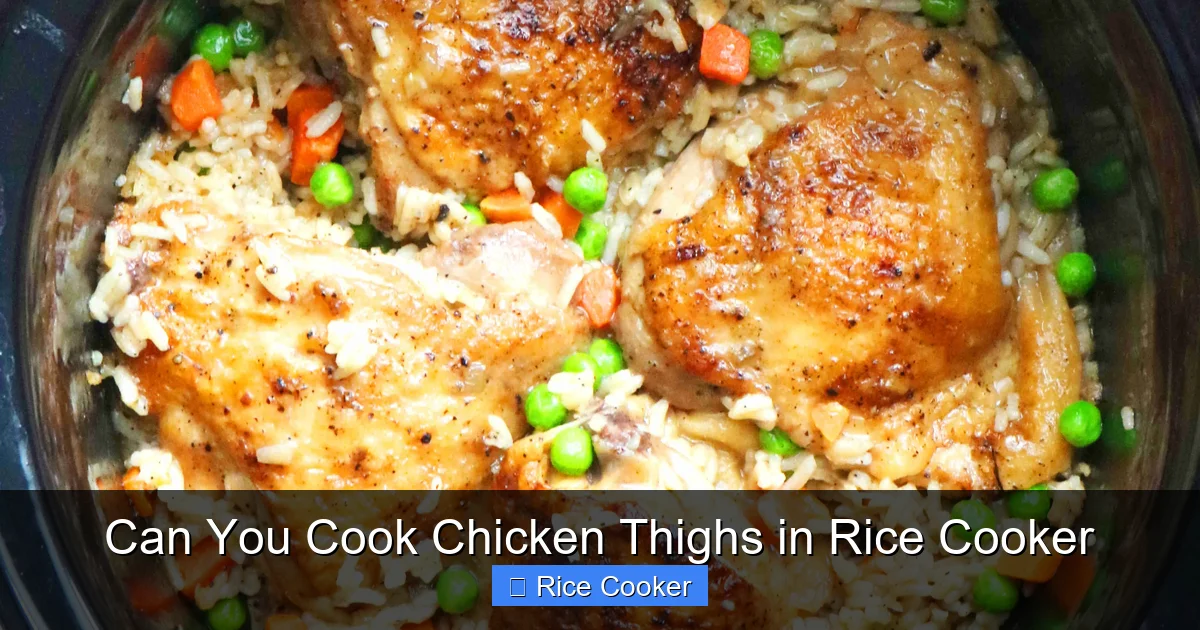
Visual guide about Can You Cook Chicken Thighs in Rice Cooker
Image source: cookingclassy.com
Visual guide about Can You Cook Chicken Thighs in Rice Cooker
Image source: theanthonykitchen.com
How long does it take to cook chicken thighs in a rice cooker?
Typically 30–45 minutes on the “Cook” setting. Bone-in thighs may take longer than boneless ones. Always verify doneness with a meat thermometer.
Do I need to pre-cook the chicken?
No. Raw chicken thighs can be cooked directly in the rice cooker. Browning beforehand is optional and usually done on the stovetop before transferring to the cooker.
Can I use frozen chicken thighs?
It’s better to thaw them first for even cooking. If using frozen, increase cook time by 10–15 minutes and ensure the center reaches 165°F.
What if my rice cooker has no timer or settings?
Simple rice cookers still work fine. Just bring liquid to a boil manually before adding chicken, then switch to warm once bubbling stops.
Can I reheat leftover chicken thighs in the rice cooker?
Yes, but add a splash of water or broth and cover tightly. Heat on “Warm” for 10–15 minutes, stirring occasionally.
Final Thoughts: Embrace the Versatility of Your Rice Cooker
Cooking chicken thighs in a rice cooker isn’t just a clever hack—it’s a smart, efficient way to enjoy restaurant-quality meals at home. With minimal effort, you get tender, juicy meat infused with rich flavors, all while saving time and reducing mess. Whether you’re feeding a crowd or whipping up dinner solo, this method proves that powerful results don’t require complicated techniques.
So next time you’re wondering what to make for supper, skip the complicated recipes and reach for your rice cooker. Add some chicken thighs, toss in your favorite seasonings and liquids, and let technology do the rest. Your taste buds—and your schedule—will thank you.
Frequently Asked Questions
Is it safe to cook raw chicken in a rice cooker?
Yes, as long as you follow food safety guidelines. Ensure the internal temperature reaches 165°F (74°C) and avoid cross-contamination by using separate utensils and cleaning surfaces thoroughly.
How long does it take to cook chicken thighs in a rice cooker?
Typically 30–45 minutes on the “Cook” setting. Bone-in thighs may take longer than boneless ones. Always verify doneness with a meat thermometer.
Do I need to pre-cook the chicken?
No. Raw chicken thighs can be cooked directly in the rice cooker. Browning beforehand is optional and usually done on the stovetop before transferring to the cooker.
Can I use frozen chicken thighs?
It’s better to thaw them first for even cooking. If using frozen, increase cook time by 10–15 minutes and ensure the center reaches 165°F.
What if my rice cooker has no timer or settings?
Simple rice cookers still work fine. Just bring liquid to a boil manually before adding chicken, then switch to warm once bubbling stops.
Can I reheat leftover chicken thighs in the rice cooker?
Yes, but add a splash of water or broth and cover tightly. Heat on “Warm” for 10–15 minutes, stirring occasionally.