
Absolutely! You can make delicious, tender chili in a rice cooker with just one pot and no constant stirring. This hands-off method is perfect for busy weeknights or meal prep, delivering rich flavors while freeing up your stovetop. Whether you’re using canned beans or dry legumes, the rice cooker does the heavy lifting so you don’t have to.
Can you cook chili in a rice cooker? The short answer is yes—and once you try it, you might never go back to the stovetop version. In fact, many home cooks swear by this method not just because it’s easy, but because it produces consistently tender beans, evenly cooked meat, and deeply blended flavors without babysitting a pot. If you’ve ever wondered whether your trusty rice cooker can handle more than just rice, chicken soup, or oatmeal, this article will show you exactly how—and why—you should give it a shot.
Whether you’re prepping for game day, feeding a hungry family, or just craving a warm bowl of comfort food after a long day, chili is a classic crowd-pleaser. But traditional stovetop recipes often require hours of simmering over low heat—sometimes with forgotten pots burning on the back burner. With a rice cooker, you get the same (or better!) results with zero stress. Let’s dive into everything you need to know about making chili in a rice cooker: from ingredient prep to flavor hacks, troubleshooting, and recipe ideas.
Key Takeaways
- Yes, it’s possible: A rice cooker can replace a stovetop for making chili—no need for constant monitoring or stirring.
- Saves time and effort: Just add ingredients, press start, and walk away while your chili simmers gently.
- Great for meal prep: Cook large batches that freeze well for quick dinners all week long.
- Customizable recipes: Swap proteins, beans, and spices to match your taste—veggie, beef, or chicken chili all work.
- Energy efficient: Rice cookers use less energy than stovetops and maintain steady low heat.
- Requires prep work: Browning meat and sautéing onions first improves flavor, even if cooking time increases slightly.
- Best for certain models: Standard white-rice settings work, but advanced models with “soup” or “slow cook” modes offer better control.
📑 Table of Contents
- Why Use a Rice Cooker for Chili?
- What You’ll Need to Make Chili in a Rice Cooker
- Step-by-Step Guide: How to Cook Chili in a Rice Cooker
- Tips for Perfect Chili in a Rice Cooker
- Recipe Variations: Beyond Beef Chili
- Troubleshooting Common Issues
- Cleaning and Maintenance Tips
- Final Thoughts: Should You Make Chili in a Rice Cooker?
Why Use a Rice Cooker for Chili?
Before we jump into recipes, let’s talk about why a rice cooker makes such a great chili maker. Unlike open-flame stovetops, rice cookers operate in a sealed environment where heat distributes evenly and moisture stays locked in. This means your beans stay creamy instead of mushy, and your meat doesn’t dry out from excessive evaporation.
Another major advantage is convenience. Once you’ve prepped your ingredients—chopping onions, browning ground beef, draining beans—you simply toss everything into the cooker, set it, and forget it. Most models automatically switch to “warm” mode when done, preventing overcooking. That’s especially helpful if you’re multitasking or running late.
Plus, rice cookers are compact and easy to clean. No more scrubbing sticky sauce off the bottom of a large pot! And since they use minimal energy compared to gas or electric burners, you’re also saving money on electricity bills.
The Science Behind It
Rice cookers aren’t magic—they rely on consistent, indirect heat to cook grains by absorbing water. But that same principle works beautifully for slow-cooking proteins and legumes. The inner pot retains heat well, creating a gentle simmer ideal for breaking down fibers in beans and connective tissue in tougher cuts of meat.
Most modern rice cookers also come with preset programs like “Slow Cook,” “Soup,” or “Multi-Grain,” which adjust temperature and timing for non-rice dishes. These features help prevent scorching and ensure even cooking throughout.
What You’ll Need to Make Chili in a Rice Cooker

Visual guide about Can You Cook Chili in a Rice Cooker
Image source: recipemarker.com
Making chili in a rice cooker isn’t complicated, but there are a few essentials you shouldn’t skip:
1. A Reliable Rice Cooker
Not all rice cookers are created equal. For chili, choose one with:
– At least 3–4 quarts capacity (larger is better if you’re cooking for a crowd)
– A removable inner pot (makes cleanup easier)
– A keep-warm function
– Optional: Look for models with “Slow Cook” or “Soup” settings
Popular brands like Zojirushi, Cuisinart, and Instant Pot (if it doubles as a pressure/slow cooker) work great.
2. Ingredients
Here’s a basic list to get you started:
– 1 lb ground beef (or turkey, chicken, or plant-based crumbles)
– 1 large onion, diced
– 3 cloves garlic, minced
– 1 bell pepper (optional, for sweetness)
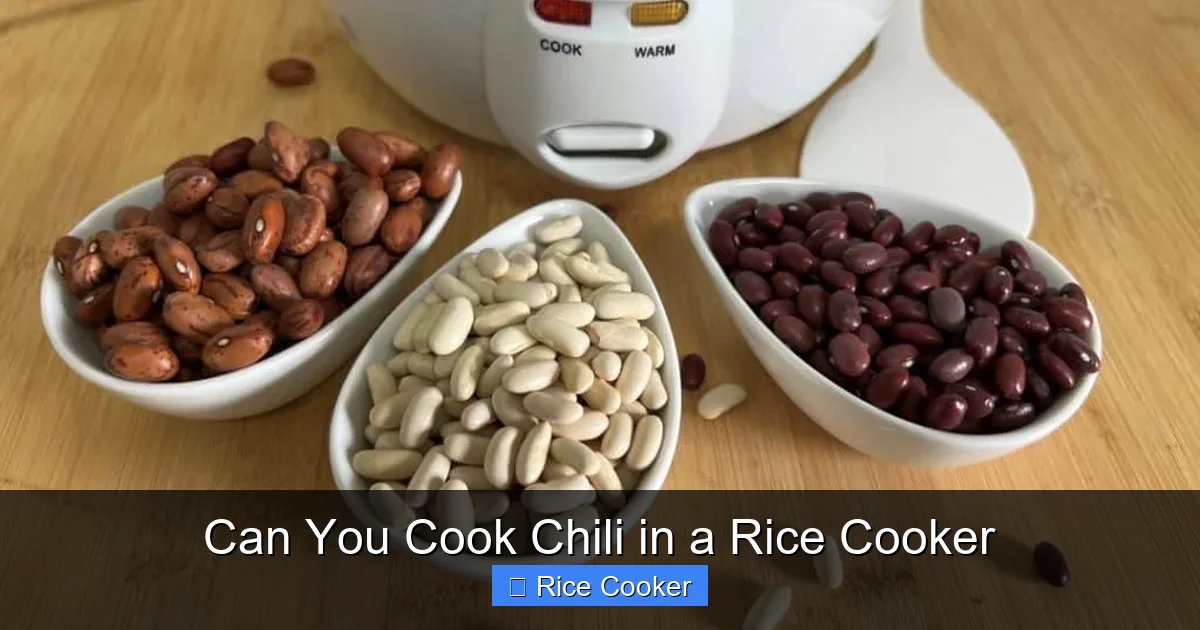
– 1 can (15 oz) kidney beans, drained
– 1 can (15 oz) black beans, drained
– 1 can (15 oz) diced tomatoes
– 1 cup tomato sauce or crushed tomatoes
– 1 tbsp chili powder
– 1 tsp cumin
– ½ tsp paprika (smoked adds depth!)
– Salt and pepper to taste
– 2 cups water or broth (for liquid)
Feel free to customize—add corn, jalapeños, or even dried beans (soaked overnight) for extra texture.
3. Prep Work Matters
Even though the rice cooker does most of the work, skipping prep is a common mistake. Browning the meat and sautéing onions before adding them to the cooker enhances flavor significantly. You can do this in a skillet, then transfer everything to the rice cooker. Some people even use the sauté function on advanced models—just be careful not to burn anything!
Step-by-Step Guide: How to Cook Chili in a Rice Cooker
Visual guide about Can You Cook Chili in a Rice Cooker
Image source: ovenspot.com
Ready to make your first batch? Follow these simple steps:
Step 1: Prep Your Ingredients
– Brown 1 pound of ground beef in a skillet over medium-high heat until fully cooked.
– Add diced onion and cook until soft (about 5 minutes).
– Stir in minced garlic and cook for another minute.
– Drain excess fat (optional, but helps reduce greasiness).
Step 2: Combine Everything in the Rice Cooker
Add the cooked meat mixture to the inner pot of your rice cooker. Then layer in:
– Bell pepper (if using)
– Garlic
– Drained beans
– Diced tomatoes and tomato sauce
– Spices (chili powder, cumin, paprika, salt, pepper)
– 2 cups of water or broth
Give it a quick stir to mix well.
Step 3: Set the Timer
– On standard rice cookers: Press “Cook” and let it run through its cycle (usually 30–40 minutes for white rice mode). The chili will simmer internally during this time.
– On advanced models: Select “Slow Cook” or “Soup” for 60–90 minutes on low heat. This gives deeper flavor development.
Step 4: Check and Adjust
After cooking, open the lid and check consistency. If too thick, add a splash of broth or water. Taste and adjust seasonings—you may want more salt, acidity (a squeeze of lime), or heat (chili flakes).
Let it sit for 10–15 minutes before serving. This allows flavors to meld.
Tips for Perfect Chili in a Rice Cooker
Want your chili to be restaurant-quality? Try these pro tips:
Use Soaked Dry Beans for Best Texture
If you prefer dry beans over canned, soak them overnight, then add them to the rice cooker with extra liquid. They’ll take longer to cook (up to 2 hours), so plan ahead. Alternatively, cook them separately first, then add to the chili near the end to avoid mushiness.
Don’t Overfill the Pot
Never fill your rice cooker beyond two-thirds full. Chili bubbles and spills easily, which can trigger safety shut-offs or damage the unit. Leave room for expansion!
Add Acidity at the End
Tomatoes provide natural acidity, but finishing with a splash of vinegar, lime juice, or even a dash of Worcestershire sauce brightens the whole dish. Do this after cooking—acid breaks down over long heat.
Boost Flavor with Aromatics
Sauté onions, garlic, and peppers before adding them. Even better, caramelize them slowly for a richer base. Skip this step, and your chili tastes flat.
Thicken Naturally
For a thicker chili, remove 1 cup of cooked beans and mash them with a fork, then return to the pot. This adds body without extra starch.
Freeze Leftovers Properly
Store cooled chili in airtight containers up to 3 months. Thaw in the fridge overnight and reheat gently on the stove or in the microwave.
Recipe Variations: Beyond Beef Chili
Chili is incredibly versatile. Here are some fun twists:
Veggie-Packed Chili
Skip meat entirely! Use lentils, chickpeas, or mushrooms as protein sources. Sauté onions, garlic, zucchini, and bell peppers until softened, then follow the standard recipe. Add nutritional yeast for a cheesy umami kick.
White Chicken Chili
Swap beef for shredded chicken. Use white beans (cannellini or Great Northern), chicken broth, and spices like oregano and coriander. Finish with a dollop of sour cream and avocado.
Spicy Southwestern Chili
Add diced jalapeños, chipotle peppers in adobo, and corn. Top with crumbled queso fresco and cilantro.
Kid-Friendly Mild Version
Reduce or omit hot spices. Add sweet potatoes or carrots for natural sweetness. Serve with plain tortilla chips or crackers.
Troubleshooting Common Issues
Even experienced cooks hit snags sometimes. Here’s how to fix them:
Chili is Too Watery
This usually happens if you used too much liquid or didn’t cook long enough. Simmer uncovered on the “Warm” setting for 20–30 minutes to evaporate excess moisture. Or mash some beans and stir in—they act as a natural thickener.
Beans Are Undercooked
Dry beans need extra time. If using canned beans, double-check expiration dates—some cans contain older, firmer beans that resist softening. Adding a bay leaf or two can help tenderize them faster.
Flavor Is Bland
Salt, acid, and heat are key. Don’t skimp on seasoning! Taste frequently and adjust. A pinch of sugar can balance bitterness from bitter spices like cocoa or unsweetened chocolate.
Rice Cooker Won’t Start
Check if the inner pot is seated properly. Many models only activate when the pot is fully inserted. Also ensure the power cord is secure.
Cleaning and Maintenance Tips
After making chili, cleanup is a breeze thanks to nonstick inner pots. Here’s how to keep yours in top shape:
– Always unplug the rice cooker before cleaning.
– Wash the inner pot in warm, soapy water. Avoid abrasive scrubbers that scratch the coating.
– Wipe the exterior and lid with a damp cloth.
– Remove the steam vent cover occasionally and rinse under water (check manufacturer instructions first—some parts aren’t dishwasher-safe).
– Never submerge the main unit in water.
Pro tip: Line the pot with parchment paper or foil when cooking sticky dishes like chili—it makes cleanup even easier.
Final Thoughts: Should You Make Chili in a Rice Cooker?
So, can you cook chili in a rice cooker? Absolutely—and honestly, you might find yourself doing it more often than not. It’s perfect for dorm rooms, small apartments, or anyone who wants dinner ready in under an hour with minimal fuss.
While traditionalists may argue that stovetop chili has soul, the rice cooker version offers consistency, convenience, and surprisingly robust flavor—especially if you follow the prep steps and tweak seasonings to your liking. Plus, you gain back valuable kitchen real estate during busy times.
Next time you’re craving chili, skip the stovetop drama. Grab your rice cooker, toss in those ingredients, and let science do the rest. Your future self (and your hungry guests) will thank you.
Frequently Asked Questions
Is it safe to cook chili in a rice cooker?
Yes, it’s completely safe as long as you follow basic guidelines—don’t overfill the pot, use a reliable model, and ensure proper ventilation. Always read your manual for specific care instructions.
How long does chili take to cook in a rice cooker?
On standard settings, chili typically takes 30–45 minutes. Advanced models with “Slow Cook” functions may take 60–90 minutes for richer flavor. Check periodically toward the end for doneness.
Can I use dry beans instead of canned?
Yes! Just soak dry beans overnight, then add them to the rice cooker with extra liquid. Expect longer cooking times (up to 2 hours). Canned beans are quicker and equally delicious.
Do I need special settings or just regular cook mode?
A standard “Cook” or “White Rice” setting works fine for most chilis. However, if your rice cooker has a “Soup” or “Slow Cook” option, use it for better control and deeper flavor.
Can I make vegetarian chili in a rice cooker?
Definitely! Use beans, lentils, mushrooms, or tofu as protein sources. Sauté vegetables beforehand for best results, then follow the same basic steps.
Will the rice cooker smell when cooking chili?
Some models emit steam and mild aromas during cooking—this is normal. Ensure the vent isn’t blocked, and wipe the area around the steam release after use to minimize lingering odors.