
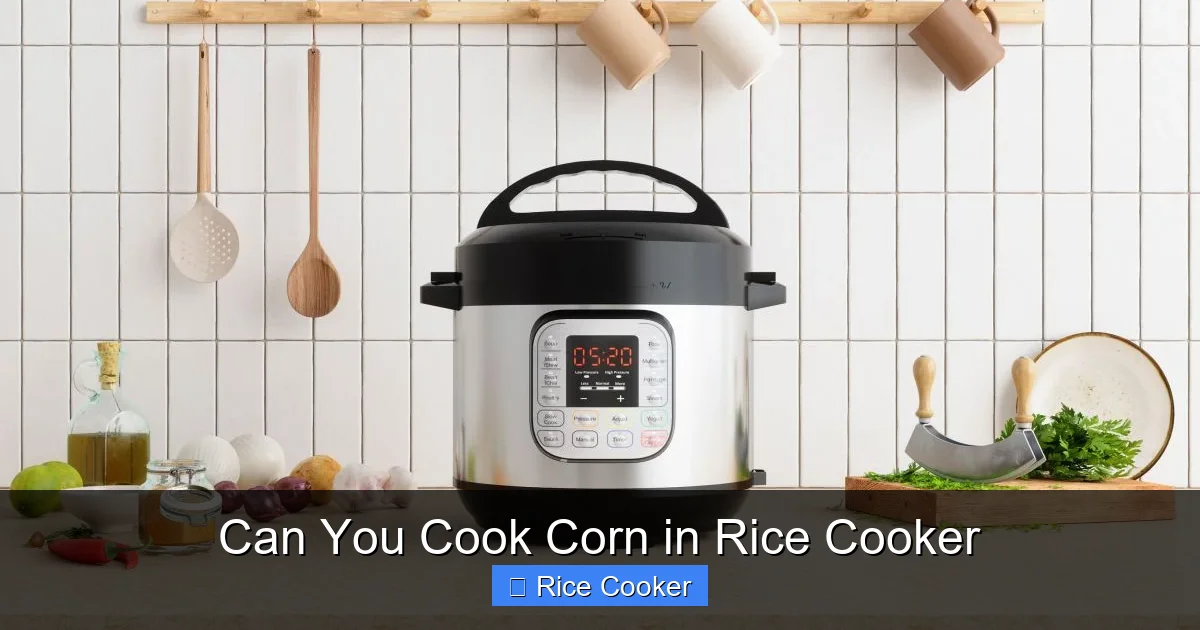
You absolutely can cook corn in a rice cooker—it’s quick, hands-off, and keeps corn tender and flavorful. Whether you’re using fresh ears or frozen kernels, the rice cooker simplifies the process with minimal effort. This versatile kitchen tool turns ordinary corn into a delicious side dish or ingredient for meals.
Key Takeaways
- Cooking corn in a rice cooker is simple and effective: Just add water, place corn in the basket or on top of the insert, and let the machine do the work.
- It preserves nutrients better than boiling: Steaming-style cooking helps retain vitamins and moisture in the kernels.
- Works for both fresh and frozen corn: Adjust timing slightly based on whether you’re using whole ears or just kernels.
- No special settings needed: Use the “Steam” or “White Rice” mode—most rice cookers handle corn without customization.
- Great for meal prep and batch cooking: Cook multiple ears at once for salads, soups, or tacos throughout the week.
- Saves energy and cleanup time: One pot means fewer dishes and less stove space used.
- Add flavor easily: Toss cooked corn with butter, herbs, or spices right after it’s done for extra taste.
📑 Table of Contents
- Can You Cook Corn in Rice Cooker? Absolutely—and Here’s How!
- The Science Behind Cooking Corn in a Rice Cooker
- Step-by-Step Guide: How to Cook Corn in a Rice Cooker
- Creative Ways to Use Rice-Cooked Corn
- Troubleshooting Common Issues
- Tips for Best Results Every Time
- Frequently Asked Questions About Cooking Corn in a Rice Cooker
- Conclusion: Embrace the Versatility of Your Rice Cooker
Can You Cook Corn in Rice Cooker? Absolutely—and Here’s How!
If you love fresh summer corn but find shucking and boiling tedious, your rice cooker might be the answer you’ve been waiting for. Yes, that compact kitchen gadget you use for fluffy rice can also cook delicious corn with almost no effort. In fact, many home cooks swear by this method because it’s gentle on the kernels, requires no constant attention, and frees up your stovetop. Whether you’re whipping up dinner tonight or prepping ingredients for the week, learning how to cook corn in a rice cooker adds convenience and versatility to your routine.
Corn is more than just a summer staple—it’s packed with fiber, antioxidants, and natural sweetness. But traditional boiling or steaming can sometimes overcook the delicate kernels or leach out flavor. A rice cooker offers consistent heat distribution and automatic shutoff, which means perfectly tender corn every time. Plus, if you already own one (and let’s be honest, most of us do), there’s no need to buy another appliance. Let’s dive into everything you need to know about using your rice cooker to cook corn like a pro.
The Science Behind Cooking Corn in a Rice Cooker
Before we get into the “how-to,” it helps to understand why this method works so well. Corn contains natural sugars that caramelize when heated, giving it its signature sweet taste. When boiled vigorously, these sugars can break down too quickly, leading to mushy texture. However, a rice cooker uses moist, indirect heat—similar to steaming—which gently cooks the kernels while locking in moisture and flavor.
Most modern rice cookers have a built-in steam function or mimic steam through their heating cycles. Even when set to “white rice,” the inner pot retains enough water to create a humid environment ideal for cooking corn. The sealed lid prevents excess evaporation, keeping the corn hydrated and preventing drying out. This low-and-slow approach mimics professional kitchen techniques used in sous-vide or vacuum-sealed cooking—but without any fancy equipment.
Another advantage? Temperature control. Unlike boiling water, which can spike unpredictably, rice cookers maintain steady temperatures between 185°F and 212°F (85°C–100°C). This ensures even cooking from tip to base of each ear. And since most models automatically switch to “warm” mode after cooking, you won’t risk overcooking your corn while waiting to serve it.
Why Choose a Rice Cooker Over Other Methods?
You might wonder: why not just boil corn on the stove? Or use a microwave? Each method has pros and cons, but here’s why the rice cooker stands out:
- Hands-free convenience: Set it and forget it—no stirring, monitoring, or babysitting required.
- Energy efficiency: Uses less electricity than running a full pot of boiling water.
- Less mess: No splattering, overflowing pots, or scrubbing sticky residue off burners.
- Better retention of nutrients: Studies show steaming preserves up to 90% of folate and vitamin C, compared to boiling, which loses nutrients in the water.
- Multi-purpose functionality: While cooking corn, you could simultaneously make oatmeal, quinoa, or even poach eggs nearby.
Of course, there are limits. If you’re cooking dozens of ears for a large gathering, a big stockpot may still be faster. But for everyday family meals or small batches, the rice cooker shines.
Step-by-Step Guide: How to Cook Corn in a Rice Cooker
Ready to try it? Follow these simple steps for foolproof results every time.
Gather Your Ingredients and Tools
You’ll need:
– Fresh or frozen corn (whole ears or kernels)
– Clean water
– A colander or strainer (optional, for draining)
– Butter, salt, pepper, or your favorite seasonings (for serving)
Make sure your rice cooker is clean and dry before starting. If using fresh corn, remove the husks and silk first. For frozen corn, you can cook it directly—no thawing needed.
Prepare the Corn
For whole ears:
– Peel away the outer green husk.
– Remove all silk strands.
– Rinse under cool water to wash off any remaining debris.
For frozen kernels:
– Place them directly into the inner pot or steamer basket.
Pro tip: Don’t peel the corn too early if storing it raw—the husk helps keep moisture in. But once peeled, refrigerate and use within 24 hours for best quality.
Set Up Your Rice Cooker
There are two main approaches depending on your model:
Method 1: Using the Inner Pot
– Add 1 cup of water to the bottom of the inner pot.
– Place the corn upright (stem end down) inside so they don’t roll around.
– Close the lid and press “Steam” or “White Rice” mode.
Method 2: Using the Steamer Basket
– Fill the reservoir with 1 cup of water.
– Insert the steamer basket (if your model has one).
– Lay the corn horizontally across the basket for even exposure.
Both methods work well, but the steamer basket gives better airflow and may reduce cooking time slightly. Check your manual—some models require the inner pot to be empty when using the steamer attachment.
Cooking Time and Temperature Settings
Cooking times vary based on corn type and rice cooker settings:
| Corn Type | Mode Used | Approx. Time |
|—————–|——————|————–|
| Fresh whole ears| Steam | 15–20 mins |
| Frozen whole ears| White Rice | 20–25 mins |
| Fresh kernels | Steam | 10–12 mins |
| Frozen kernels | White Rice | 15–18 mins |
Always refer to your specific rice cooker’s instructions. If unsure, start with shorter time and check tenderness by piercing a kernel with a fork.
Finishing Touches
Once the cycle ends, let the corn rest for 2–3 minutes before opening the lid. This allows residual heat to finish cooking evenly. Then transfer to a plate, brush with melted butter, sprinkle with chili powder or lime juice, and serve immediately.
Creative Ways to Use Rice-Cooked Corn
Corn doesn’t have to be plain boiled! Once you master the basics, the possibilities are endless. Try these ideas to elevate your next meal:
Corn Salsa or Pico de Gallo
Chop rice-cooked corn kernels and mix with diced tomatoes, red onion, cilantro, jalapeño, lime juice, and a pinch of salt. Refrigerate for 30 minutes before serving with tortilla chips. The soft texture blends beautifully with other ingredients.
Cornbread Mash-Up
Combine cooked corn with mashed potatoes, cream cheese, garlic powder, and shredded cheddar. Bake until golden brown. This savory twist makes a fantastic side dish for grilled meats.
Loaded Baked Potato Topping
Top baked potatoes with rice-cooked corn, black beans, sour cream, avocado slices, and crumbled bacon. It’s hearty, satisfying, and ready in under 30 minutes.
Corn Salad (Elote-Style)
Mix cooked corn with chopped bell peppers, red onion, cotija cheese, olive oil, and smoked paprika. Serve chilled as an appetizer or light lunch.
Corn Chowder Base
Use rice-cooked corn as the foundation for creamy chowders. Simmer with potatoes, celery, onions, chicken broth, and heavy cream for a comforting bowl of soup.
Troubleshooting Common Issues
Even with perfect technique, things don’t always go smoothly. Here’s how to fix common problems:
Corn Is Too Wet or Mushy
This usually happens when too much water is used or cooking time is extended. Next time, reduce water to ½ cup and check doneness earlier. Also, avoid pressing down on the corn during cooking—it releases starch and softens texture.
Corn Doesn’t Cook Evenly
Rotate the ears halfway through cooking if possible. Some rice cookers have hot spots; rotating ensures all sides heat uniformly. Alternatively, cut larger ears into halves for smaller pieces that cook faster.
Husk Smells Like Burnt Plastic
Never cook corn with the husk still on! The dried leaves can catch fire or release unpleasant odors. Always remove husks completely before placing corn in the cooker.
Rice Cooker Won’t Start
Double-check that the inner pot is properly seated in the base. Many models only activate when the pot is correctly positioned. Also ensure the power cord is fully plugged in and the unit isn’t overheating.
Water Leaks Around the Lid
Clean the sealing ring regularly to prevent buildup of food particles. If leakage persists, replace the gasket according to manufacturer guidelines.
Tips for Best Results Every Time
Want consistently great corn? Follow these expert tips:
- Use room-temperature corn: Cold corn takes longer to cook than corn taken straight from the fridge.
- Don’t overcrowd the pot: Leave space between ears for steam circulation.
- Season after cooking: Salt draws out moisture and can make corn soggy if added beforehand.
- Store leftovers properly: Refrigerate cooked corn in airtight containers for up to 4 days. Reheat gently in the microwave or on the stove.
- Experiment with flavors: Add a bay leaf, garlic clove, or sprig of rosemary to the water for subtle aroma.
Frequently Asked Questions About Cooking Corn in a Rice Cooker
Can I cook frozen corn directly in the rice cooker?
Yes! Frozen corn works perfectly in a rice cooker. Just place it directly into the inner pot or steamer basket—no need to thaw first. Cooking times will be slightly longer than with fresh corn, usually adding 5–10 minutes depending on quantity and model.
Visual guide about Can You Cook Corn in Rice Cooker
Image source: electric-pressure-cooker-guru.com
Visual guide about Can You Cook Corn in Rice Cooker
Image source: kitchencuddle.com
Do I need a special rice cooker for cooking corn?
Nope. Any standard rice cooker with a steam or white-rice setting will work fine. Even older models without digital controls can handle corn using manual timing.
How long does it take to cook one ear of corn in a rice cooker?
About 15–20 minutes on steam mode works well for fresh ears. Frozen ears may take 20–25 minutes. Always test with a fork to confirm tenderness.
Can I cook multiple ears at once?
Absolutely. Just leave space between ears so steam can circulate freely. Avoid stacking more than 4–6 ears unless your pot is very large.
Is rice-cooked corn healthier than boiled corn?
Generally yes. Because rice cookers use minimal water and gentler heat, they preserve more nutrients like vitamin C and B-complex vitamins. Steaming also retains more fiber and natural sweetness.
Can I add seasonings while cooking?
For best results, add flavorings after cooking. However, you can toss in a sprig of fresh herbs or a crushed garlic clove during the last 5 minutes if desired. Avoid adding salt or sugar beforehand, as they affect texture.
Conclusion: Embrace the Versatility of Your Rice Cooker
Cooking corn in a rice cooker isn’t just a clever trick—it’s a game-changer for busy cooks who want healthy, flavorful sides without the hassle. With its ability to preserve nutrients, simplify prep, and deliver consistent results, this method deserves a permanent spot in your kitchen toolkit. Whether you’re making a quick weeknight dinner or preparing ingredients for meal prep, your rice cooker proves that great food doesn’t require complicated techniques.
So go ahead—peel those ears, fill your pot with water, and hit that button. Before you know it, you’ll be enjoying restaurant-quality corn right at home. And who knows? You might just discover new favorite recipes along the way. After all, the best innovations often come from simple questions: Can you…? And the answer, as it turns out, is almost always yes.
Frequently Asked Questions
What is can you cook corn in rice cooker?
can you cook corn in rice cooker is an important topic with many practical applications.