
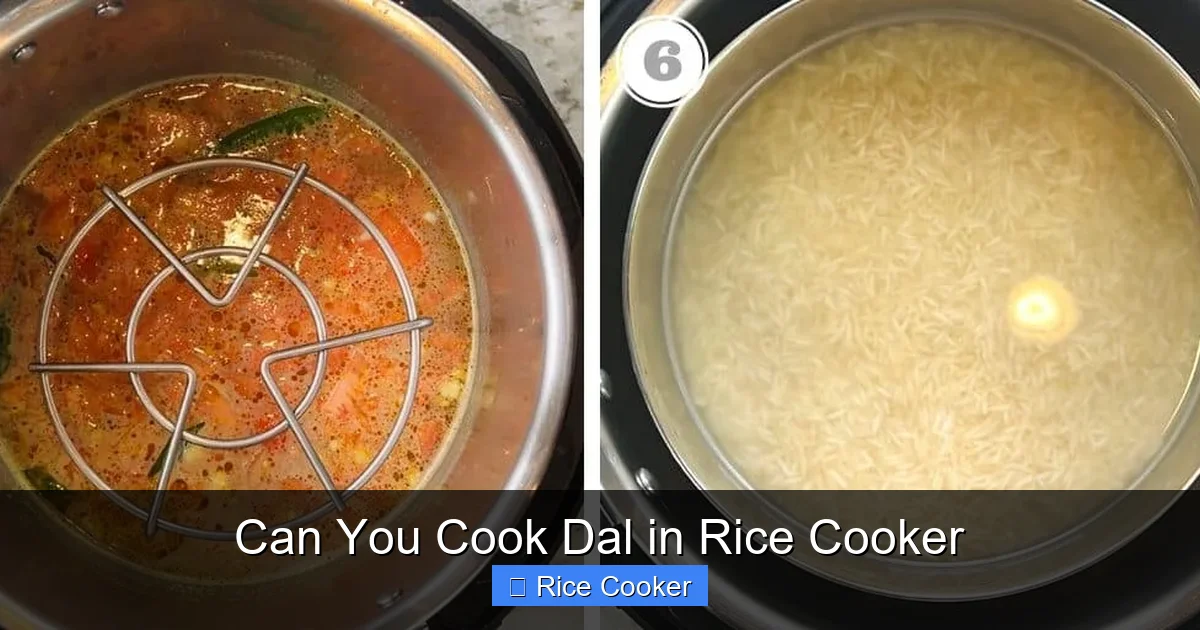
You absolutely can cook dal in a rice cooker, and it’s easier than you think. With the right ratio of water to lentils and a few helpful tips, your rice cooker becomes a versatile kitchen tool for preparing flavorful, soft, and evenly cooked dals—no stovetop needed. Whether you’re new to Indian cooking or just looking to simplify meal prep, this method delivers consistent results with minimal effort.
Key Takeaways
- Yes, rice cookers are perfect for cooking dal – they provide even heat and automatic shut-off, ensuring tender lentils without constant monitoring.
- Use the correct water-to-dal ratio – typically 2:1 or 3:1 (water to dal), depending on the variety, to avoid mushiness or dryness.
- Rinse and soak dal before cooking – this shortens cooking time and improves texture, especially for split lentils like toor dal or moong dal.
- Add spices early for better flavor – tempering turmeric, cumin, or mustard seeds at the start infuses the dal with rich aroma and taste.
- Choose the right cook setting – most rice cookers have a “Pulses” or “Manual” mode; if not, use the regular white rice setting.
- Let the pressure release naturally – even though rice cookers don’t build pressure like stovetop cookers, a brief rest helps the dal settle and thicken slightly.
- Customize with vegetables or herbs – add spinach, tomatoes, or curry leaves during the last few minutes for extra nutrition and flavor.
📑 Table of Contents
- Can You Cook Dal in a Rice Cooker? Absolutely!
- The Science Behind Cooking Dal in a Rice Cooker
- Choosing the Right Type of Dal for Your Rice Cooker
- Essential Tips Before You Start Cooking
- Step-by-Step Guide: Cooking Dal in a Rice Cooker
- Flavor Boosters: Elevating Your Rice-Cooker Dal
- Troubleshooting Common Issues
- Beyond Basic Dal: Creative Rice Cooker Recipes
- Health Benefits of Eating Regularly Cooked Dal
- Comparing Methods: Rice Cooker vs. Stovetop vs. Pressure Cooker
- Maintenance Tips for Your Rice Cooker After Cooking Dal
- Final Thoughts: Why Everyone Should Try This
Can You Cook Dal in a Rice Cooker? Absolutely!
If you’ve ever stood over a pot of boiling dal, stirring constantly to prevent sticking, only to end up with lumpy or unevenly cooked lentils, you’re not alone. Traditional methods require attention, timing, and a bit of luck—but what if there was a simpler way? Enter the humble rice cooker: a countertop appliance that has quietly revolutionized home cooking by making everything from fluffy rice to steamed vegetables effortless. But here’s the real game-changer: can you cook dal in a rice cooker? The answer is a resounding yes—and it might just be the easiest, most foolproof method yet.
Cooking dal (also known as lentils or pulses) in a rice cooker leverages the machine’s ability to maintain consistent temperature and its automatic shut-off feature. Unlike boiling on the stove, where heat fluctuates and evaporation can lead to dry spots, a rice cooker keeps things gentle and uniform. Plus, once you set it and forget it, you free up your kitchen for other tasks. Whether you’re preparing a comforting bowl of masoor dal for dinner or making protein-rich moong dal for breakfast, your rice cooker handles it all—without burning or sticking.
In this comprehensive guide, we’ll walk you through everything you need to know about cooking dal in a rice cooker. From choosing the right type of dal to mastering flavor combinations, we’ll cover practical tips, troubleshooting advice, and even recipe ideas. By the end, you’ll never look back at your stovetop again—because why should rice get all the glory?
The Science Behind Cooking Dal in a Rice Cooker
Before diving into recipes, let’s talk about why this method works so well. Unlike pressure cookers, which use high heat and steam to speed up cooking, rice cookers operate at lower temperatures with precise moisture control. They’re designed to cook grains evenly by absorbing water gradually—a principle that extends beautifully to legumes.
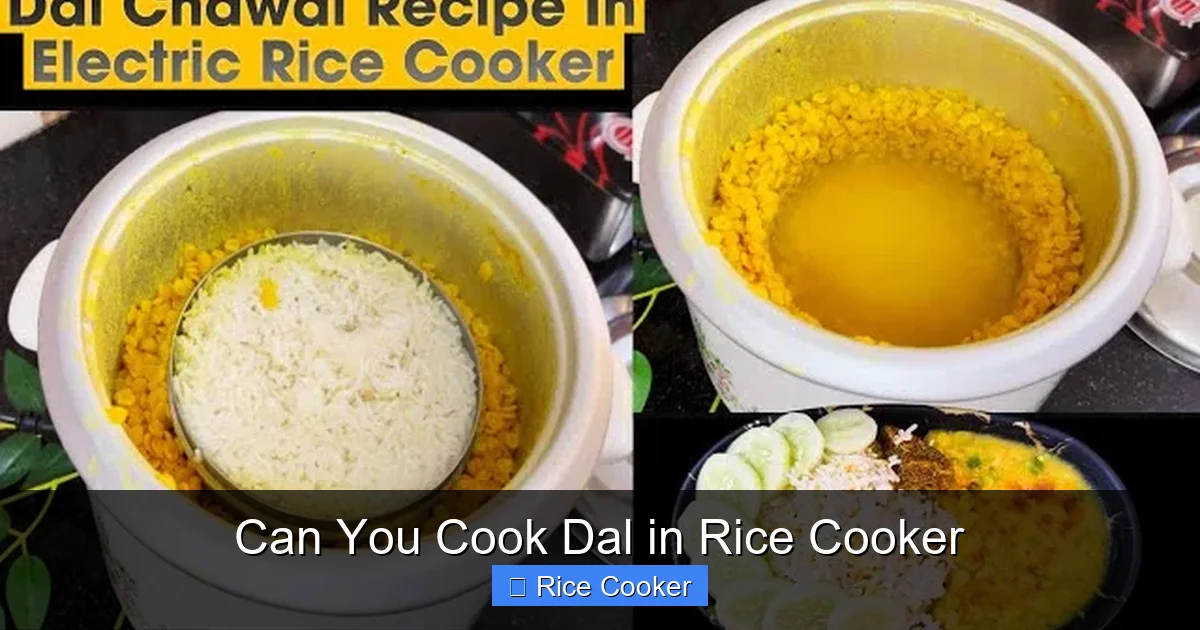
Visual guide about Can You Cook Dal in Rice Cooker
Image source: i.ytimg.com
How Heat and Moisture Interact
Dal consists mostly of starches and proteins that break down when heated in water. In a rice cooker, this process happens slowly and steadily. The inner pot distributes heat uniformly, preventing hot spots that cause scorching. Once the water is absorbed and the cycle completes, the cooker switches off automatically, giving the dal time to rest—just like cooked rice. This resting phase allows residual heat to finish softening any remaining grains gently.
Why Rice Cookers Are Ideal
Most modern rice cookers come with multiple settings: white rice, brown rice, porridge, and sometimes even a “Pulses” mode. These presets adjust cooking time and temperature accordingly. Even basic models work perfectly fine—you just need to monitor the water level and cooking duration manually. The key advantage? No more babysitting the stove or worrying about undercooked or overcooked dal.
Choosing the Right Type of Dal for Your Rice Cooker
Not all dals are created equal—and some respond better to rice cooker cooking than others. Here’s a quick rundown of popular varieties and their ideal uses:
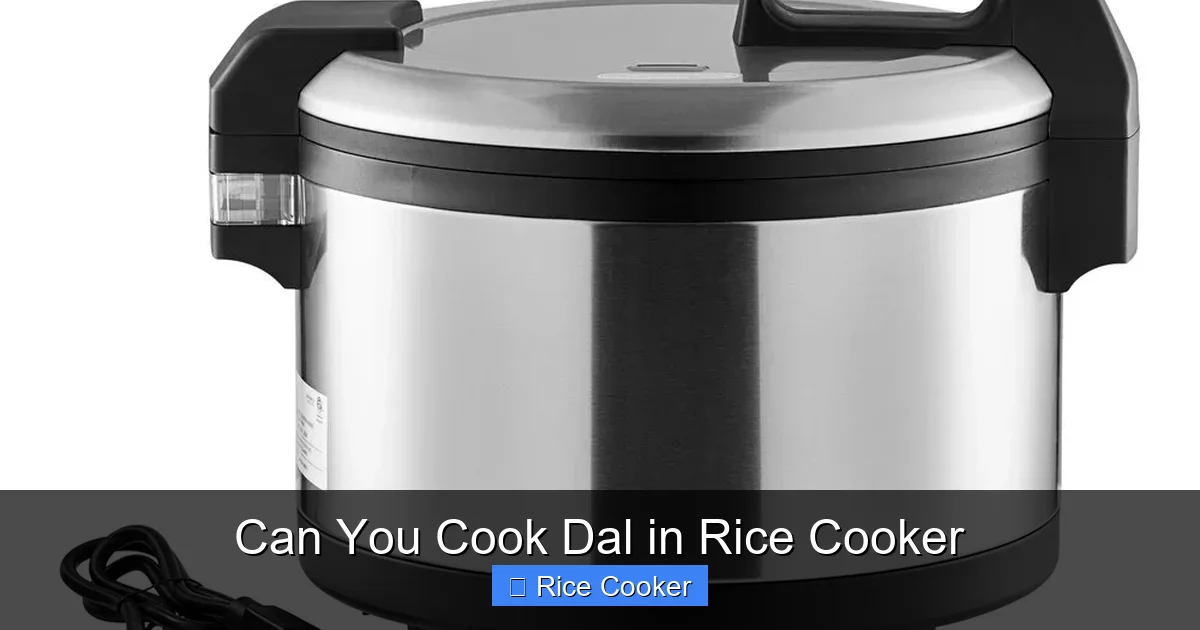
Visual guide about Can You Cook Dal in Rice Cooker
Image source: webstaurantstore.com
- Toor Dal (Split Pigeon Peas): A staple in Indian cuisine, toor dal becomes creamy and soft when cooked. It’s slightly firmer than other dals, so it needs a bit more water and time.
- Moong Dal (Split Green Gram): Mild and delicate, moong dal cooks quickly and is great for soups or savory dishes. It tends to split easily, so handle it gently.
- Masoor Dal (Split Red Lentils): One of the fastest-cooking dals, masoor dal turns velvety and is often used in khichdi or as a base for curries.
- Urad Dal (Split Black Gram): Thicker and starchier, urad dal is perfect for dosa batter or richer dals like dal makhani. It benefits from soaking beforehand.
For beginners, we recommend starting with masoor or moong dal—they’re forgiving and cook reliably in rice cookers. If you’re aiming for a thicker consistency (like in dal tadka), go for toor or urad dal.
Essential Tips Before You Start Cooking
Even with the best tools, success depends on preparation. Follow these steps to ensure your dal turns out perfectly every time:
Rinse Thoroughly
Always rinse your dal under cold running water until the water runs clear. This removes excess starch and dust, reducing the risk of gummy or cloudy results. Skipping this step is a common mistake that leads to poor texture.
Soak When Possible
While not mandatory, soaking dal for 20–30 minutes (especially toor or urad dal) shortens cooking time and improves digestibility. Just drain and rinse before adding to the cooker.
Measure Accurately
The magic number is the water-to-dal ratio. For most dals, start with 2 cups of water per 1 cup of raw dal. Adjust based on desired thickness: more water = soupier, less = thicker. Overnight soaking allows for a 1:2 ratio (dal to water).
Add Spices at the Right Time
Tempering (tadka) is essential for authentic flavor, but don’t add whole spices directly to dry dal—they may burn. Instead, sauté them briefly in oil or ghee first, then combine with dal and water.
Step-by-Step Guide: Cooking Dal in a Rice Cooker
Ready to give it a try? Here’s a foolproof method for making plain, flavorful dal that serves 3–4 people:
Ingredients
- 1 cup dried dal (masoor, moong, or toor)
- 2–3 cups water (adjust as needed)
- ½ tsp turmeric powder
- Salt to taste
- Optional: 1 tbsp ghee or oil
Instructions
- Prepare the dal: Rinse thoroughly and soak for 20–30 minutes if using toor or urad dal. Drain and set aside.
- Add to cooker: Place rinsed dal, water, turmeric, and salt into the inner pot. Mix gently.
- Cook: Close the lid and select the “White Rice” or “Manual” setting (usually 25–35 minutes). If your model has a “Pulses” button, use that.
- Rest: Once done, let the unit sit undisturbed for 5–10 minutes. This helps the dal thicken slightly.
- Fluff and serve: Stir gently with a wooden spoon to avoid breaking the grains. Add ghee for richness if desired.
Pro Tip: For extra creaminess, mash half the cooked dal lightly before serving.
Flavor Boosters: Elevating Your Rice-Cooker Dal
Plain dal is delicious, but adding aromatics and spices transforms it into something extraordinary. Try these ideas:
- Tadka (Tempering): Heat oil/ghee in a small pan. Add mustard seeds, cumin, garlic, ginger, green chilies, and curry leaves. Pour this hot mixture over cooked dal just before serving.
- Vegetable Medley: Stir in chopped tomatoes, spinach, or carrots during the last 5 minutes of cooking for added nutrition.
- Herbs & Greens: Finish with fresh coriander, mint, or a squeeze of lemon juice for brightness.
- Garam Masala: Sprinkle a pinch at the end for warmth and depth.
These additions take less than 2 minutes but make a world of difference in flavor.
Troubleshooting Common Issues
Even with careful prep, mistakes happen. Here’s how to fix them:
Dal Is Too Watery
This usually means too much water or insufficient cooking time. Next time, reduce water by ¼ cup and check doneness after 25 minutes. You can also simmer uncovered on the stove briefly to evaporate excess liquid.
Dal Is Too Thick
Add warm water gradually while stirring until you reach your preferred consistency. Don’t add ice-cold water—it shocks the system.
Gritty Texture
Caused by unrinsed dal or overcooking. Always rinse well and avoid running the cooker continuously for hours. Stick to recommended times.
Dal Sticks to the Bottom
Non-stick pots should prevent this, but if it happens, add a tablespoon of oil or ghee before cooking next time. Also, avoid overcrowding the pot.
Beyond Basic Dal: Creative Rice Cooker Recipes
The beauty of using a rice cooker is its versatility. Once you master plain dal, expand your repertoire with these inspired dishes:
Dal Khichdi (One-Pot Comfort)
Combine cooked dal with basmati rice, turmeric, cumin, ginger-garlic paste, and a bay leaf. Cook together for 30–40 minutes on manual mode. Top with fresh cilantro and ghee.
Red Lentil Soup
Use masoor dal with onions, carrots, celery, garlic, and vegetable broth. Season with thyme and black pepper. Simmer for 35 minutes, then blend partially for creaminess.
Moong Dal Dosa Batter Base
Soak moong dal overnight with urad dal (3:1 ratio). Grind into a smooth batter, ferment overnight, and use as usual. No need for a wet grinder!
Spiced Yellow Dal (Sambhar-Inspired)
Toast cumin, coriander, and fenugreek seeds. Cook with toor dal, tamarind pulp, and sambhar powder. Simmer until thickened. Serve with rotis.
Each recipe highlights how adaptable dal can be—and how little effort your rice cooker puts in.
Health Benefits of Eating Regularly Cooked Dal
Dals aren’t just easy to cook—they’re packed with nutrients. Here’s why they belong in your daily diet:
- High in Protein: Especially important for vegetarians and vegans. Toor dal provides ~18g protein per cup cooked.
- Rich in Fiber: Supports digestion and keeps you full longer. Aids blood sugar control.
- Loaded with Micronutrients: Iron, folate, potassium, and magnesium help prevent anemia and support heart health.
- Low Glycemic Index: Releases energy slowly, making it ideal for diabetics and weight management.
And because cooking in a rice cooker preserves more vitamins than boiling or pressure cooking (which can leach nutrients), you get maximum nutritional payoff with minimal prep.
Comparing Methods: Rice Cooker vs. Stovetop vs. Pressure Cooker
So how does rice cooker cooking stack up against traditional techniques? Let’s compare:
| Method | Pros | Cons |
|---|---|---|
| Rice Cooker | Hands-off, consistent results, energy-efficient | Limited capacity, no browning or caramelization |
| Stovetop | Full control over texture, can brown spices | Requires constant stirring, higher risk of burning |
| Pressure Cooker | Fastest method, retains nutrients well | Can overcook if timing isn’t exact, noisy operation |
For everyday dal, the rice cooker strikes the perfect balance between convenience and quality. It’s ideal for busy weekdays or when you want peace of mind while cooking.
Maintenance Tips for Your Rice Cooker After Cooking Dal
After a successful dal session, proper cleanup ensures longevity:
- Clean Immediately: Remove the inner pot while still warm. Wash with mild soap and sponge—avoid abrasive scrubbers.
- Check the Heating Plate: Wipe dry to prevent rust or mineral buildup from hard water.
- Store Safely: Keep the unit unplugged and fully cooled before storing.
- Descale Monthly: Use vinegar or citric acid solution to remove scale, especially if you live in an area with hard water.
A clean rice cooker means reliable performance—and delicious dal—for years to come.
Final Thoughts: Why Everyone Should Try This
Cooking dal in a rice cooker isn’t just a shortcut—it’s a smarter way to eat. It reduces kitchen stress, saves time, and consistently delivers restaurant-quality results. Whether you’re feeding a family, meal-prepping for the week, or simply craving a warm, nourishing bowl of dal, this method checks all the boxes.
Plus, it opens doors to endless creativity. From soups to batters to one-pot meals, your rice cooker becomes a secret weapon in the kitchen. So next time you open a bag of lentils, skip the stovetop drama. Fill your rice cooker, add water and spices, hit start, and enjoy the quiet confidence that comes with knowing dinner will be ready—perfectly.
Remember: The best part? There’s zero guilt involved. Because when you’re busy, kind, and resourceful, that’s what real cooking looks like.
Frequently Asked Questions
Can I cook different types of dal at the same time in my rice cooker?
It’s best to cook one type of dal at a time to control texture and flavor. Different dals have varying cooking times and water requirements—mixing them may result in some being undercooked or overly soft. However, if you’re experienced, you can layer pre-soaked, rinsed dals in the same pot, adjusting water slightly.
Do I need to soak dal before cooking it in a rice cooker?
Soaking isn’t required but highly recommended, especially for firmer dals like toor or urad. Soaking softens the lentils, shortens cooking time, and improves digestibility. Just soak for 20–30 minutes, drain, and rinse before adding to the cooker.
What happens if I forget to rinse the dal?
Unrinsed dal can leave behind excess starch, leading to a cloudy or gummy consistency. It may also increase foaming during cooking. Always rinse thoroughly under cold water until the water runs clear.
Can I use a rice cooker to make dal makhani (black bean dal)?
Yes, but with adjustments. Dal makhani requires longer cooking (often 1–2 hours) and slow reduction to develop its signature creamy texture. Use the manual/keep-warm function and stir occasionally. Adding tomatoes and butter near the end enhances flavor.
Is it safe to leave my rice cooker unattended while cooking dal?
Absolutely. Modern rice cookers are designed for hands-off operation. Once you press start, the unit manages temperature and shuts off automatically. Just ensure the water level is sufficient and the lid is closed properly.
Can I cook dal with vegetables in my rice cooker?
Yes! Add chopped potatoes, carrots, or spinach during the last 5–10 minutes of cooking. Avoid leafy greens like kale or chard earlier, as they lose texture quickly. This creates a complete, nutritious one-pot meal.