
Yes, you can absolutely cook eggs in a rice cooker! This versatile kitchen appliance isn’t just for rice—it’s great for steaming soft-boiled eggs, poached eggs, scrambled eggs, and more. With the right technique and timing, your rice cooker can deliver restaurant-quality results fast and easy.
Key Takeaways
- Rice cookers are surprisingly versatile: Beyond cooking grains, they excel at steaming delicate foods like eggs.
- Steaming is the best method: It produces tender, evenly cooked eggs without sticking or mess.
- You can make multiple egg styles: From soft-boiled to scrambled, your rice cooker handles it all.
- Timing matters: Eggs typically take 6–10 minutes depending on desired doneness.
- Clean-up is easy: Use a steaming basket or lined pot to avoid residue and simplify washing.
- Safety first: Always let steam release before opening the lid to prevent burns.
- No extra gadgets needed: Most rice cookers work with basic accessories already included.
📑 Table of Contents
- Can You Cook Egg in a Rice Cooker? Absolutely—and Here’s How!
- Why Use a Rice Cooker for Eggs?
- What Types of Eggs Can You Make?
- How to Cook Eggs in a Rice Cooker—Step by Step
- Pro Tips for Perfect Eggs Every Time
- Troubleshooting Common Issues
- Creative Recipes Using Your Rice Cooker Eggs
- Are There Any Downsides?
- Final Thoughts: Is It Worth It?
Can You Cook Egg in a Rice Cooker? Absolutely—and Here’s How!
If you’ve ever stood over a stovetop pan trying to scramble eggs without burning them, or fumbled with a pot of boiling water for poached eggs, you’re not alone. Cooking eggs perfectly takes practice… and maybe a little help from kitchen gadgets you didn’t even know you needed. Enter: the humble rice cooker.
That trusty white appliance sitting on your counter? It’s not just for fluffy jasmine rice or perfect oats. Believe it or not, you can cook eggs in a rice cooker—and it might just become your new favorite breakfast hack. Whether you’re meal prepping, feeding a crowd, or just craving a perfectly steamed egg, your rice cooker has got you covered. In this article, we’ll walk through everything you need to know about cooking eggs in a rice cooker, from basic setup to creative recipes that will impress anyone (including yourself).
Why Use a Rice Cooker for Eggs?
You might be wondering: why bother using a rice cooker when I have a stove, microwave, or even an electric kettle? The truth is, rice cookers offer something unique—consistent heat and steam control. Unlike open flames, which can scorch eggs, or microwaves, which often cook unevenly, rice cookers maintain steady temperatures ideal for delicate proteins like eggs.
Visual guide about Can You Cook Egg in a Rice Cooker
Image source: recipes.net
The Science Behind Steaming Eggs
Eggs are mostly water and protein. When heated gently, the proteins denature and coagulate, transforming raw egg into firm, edible goodness. Steam does this beautifully because it transfers heat evenly without direct contact—meaning no hot spots, no sticking, and no rubbery textures.
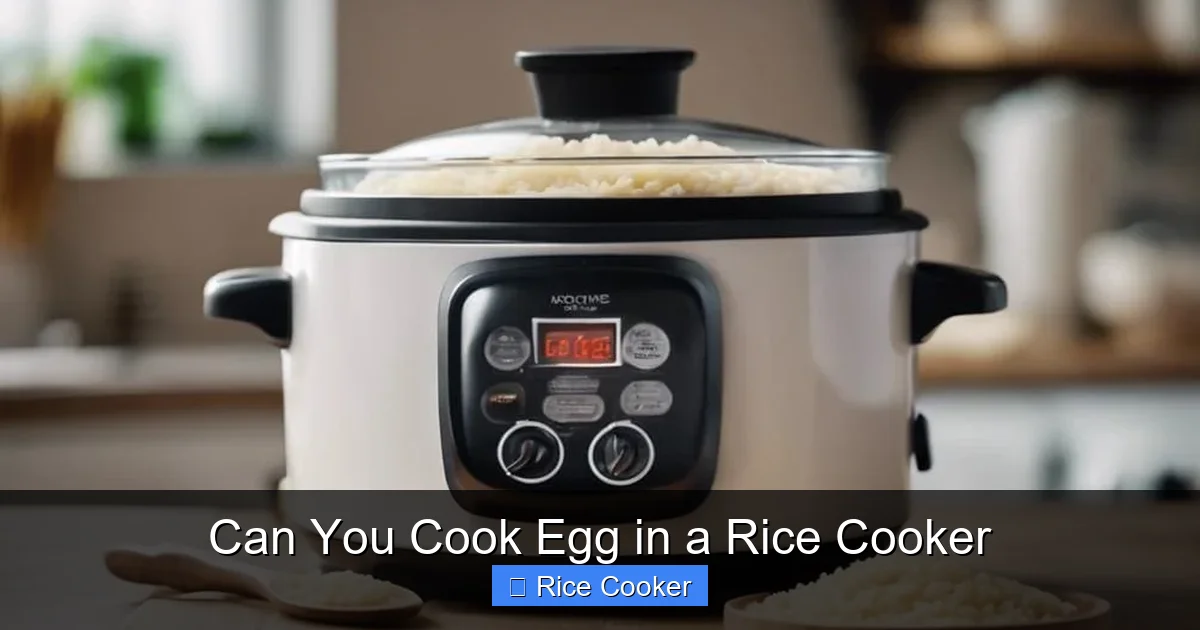
Rice cookers generate plenty of steam during their cycle, making them perfect for creating a mini-steaming environment. All you need is a small container that fits inside and allows steam to circulate freely.
Benefits of Using a Rice Cooker
- Hands-off cooking: Set it and forget it—no babysitting required.
- Energy efficient: Uses less power than keeping a pot on the stove.
- Consistent results: Every batch turns out similar, day after day.
- Multi-tasking friendly: While your eggs cook, you can prep toast, veggies, or coffee.
What Types of Eggs Can You Make?
Surprisingly, a rice cooker can handle many popular egg preparations. Let’s break down what’s possible:
Visual guide about Can You Cook Egg in a Rice Cooker
Image source: ricearray.org
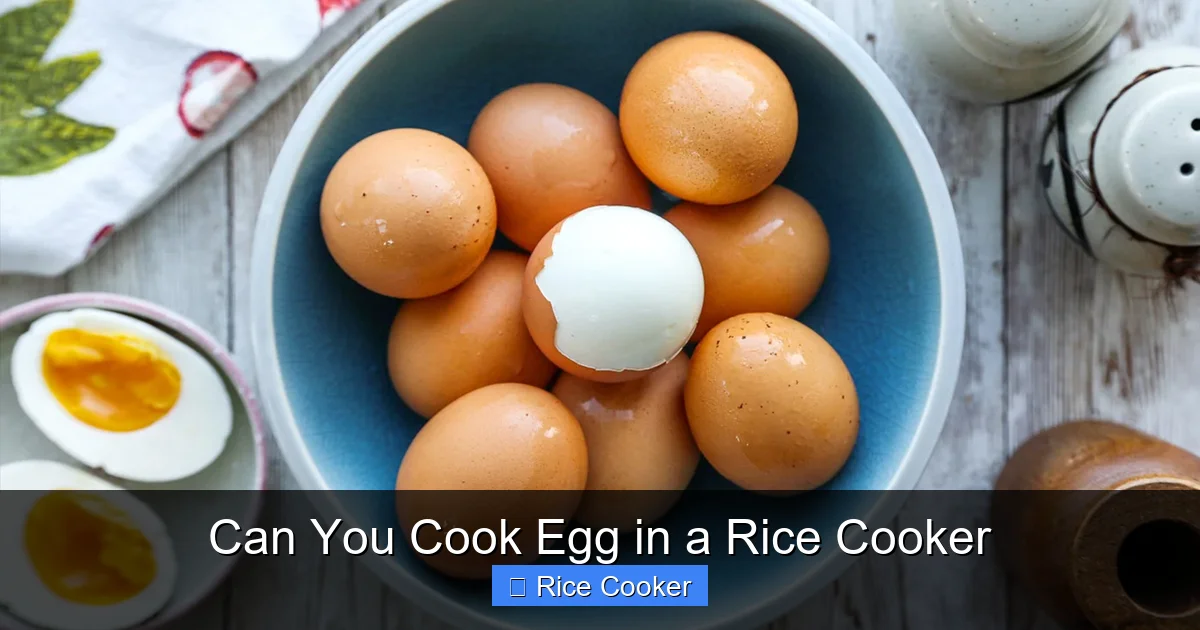
Soft-Boiled and Hard-Boiled Eggs
These are among the easiest and most satisfying uses for your rice cooker. By placing eggs in a steaming tray with a bit of water, you create a gentle steam bath that mimics a low-boiling pot—but without the risk of cracking shells or overcooking.
Poached Eggs
Want silky, tender whites and runny yolks? Try the water displacement method. Crack an egg directly into a heat-safe bowl floating in simmering water inside your rice cooker. The steam helps set the white while keeping the yolk intact. Just be careful not to drop the egg too close to the bottom!
Scrambled Eggs
Yes—you really can scramble eggs in a rice cooker! Whisk eggs with milk or cream, pour into a greased non-stick insert, and switch to the “warm” setting after the rice cycle ends. This slow, indirect heat prevents curdling and yields creamy, custard-like scrambled eggs.
Baked Eggs (like Frittata Cups)
Prefer savory egg bites? Line ramekins or muffin tins with cheese, spinach, ham, or tomatoes, crack an egg into each, and place them in the steaming tray. Steam gently for 8–12 minutes until set. These are perfect for grab-and-go breakfasts!
How to Cook Eggs in a Rice Cooker—Step by Step
Ready to give it a try? Follow these simple steps for foolproof results every time.
Step 1: Gather Your Supplies
- A rice cooker with a removable inner pot and steaming basket (most modern models include one)
- Fresh eggs (room temperature works best)
- Water (for generating steam)
- A heat-safe silicone mold, cupcake liner, or small bowl (optional, for poaching or baking)
- Olive oil or butter (to prevent sticking)
Step 2: Prepare the Inner Pot
Add ½ inch (about 1 cm) of water to the bottom of the inner pot. This creates the steam necessary for cooking. Too much water risks overflow; too little won’t generate enough vapor.
Step 3: Place Eggs in the Steamer
For soft/hard-boiled eggs: Gently place eggs in the steaming basket. For scrambled or baked eggs, lightly grease a small dish or ramekin and crack the egg(s) inside.
Step 4: Insert Into Rice Cooker
Put the steaming basket (or lined dish) into the pot. Close the lid but do not start cooking yet—let the unit sit for 2–3 minutes to build initial steam.
Step 5: Start the Cooking Cycle
Press “Cook” or “Start.” The rice cooker will begin heating, producing steam that surrounds your eggs. Cooking times vary:
- Soft-boiled (runny yolk): 6–7 minutes
- Medium-boiled: 8–9 minutes
- Hard-boiled: 10–12 minutes
- Scrambled eggs: Switch to “Warm” after 5 minutes, then stir gently every minute until creamy
- Poached eggs: Float egg in water-filled pot; cook 6–8 minutes
Step 6: Release Steam Safely
Once done, wait 1–2 minutes before opening the lid to allow pressure to equalize. This prevents sudden steam bursts and ensures safe handling.
Step 7: Serve Immediately
Transfer eggs to plates, season with salt, pepper, or herbs, and enjoy! Leftovers keep well in the fridge for up to 2 days if stored properly.
Pro Tips for Perfect Eggs Every Time
Even with basic instructions, small tweaks can make a big difference in texture and flavor.
Use Room-Temperature Eggs
Cold eggs can crack when exposed to rapid steam changes. Let them sit on the counter for 10–15 minutes before cooking.
Don’t Overfill the Pot
Too many eggs or large containers block airflow, leading to uneven cooking. Stick to 4–6 eggs max per cycle.
Add Flavor Infusions (Optional)
Infuse your steam with aromatics! Simmer garlic, onion skins, or bay leaves in the water beneath your eggs for subtle depth.
Line the Bottom for Scrambling
Place a circle of parchment paper or a silicone mat at the bottom of your dish to lift eggs out easily once cooked.
Experiment with Add-Ins
Mix grated cheese, diced ham, chives, or spinach into scrambled eggs before steaming. They’ll melt gently in the residual heat.
Troubleshooting Common Issues
Like any cooking method, things don’t always go as planned. Here’s how to fix common problems.
Eggshells Cracked During Cooking
This usually happens if eggs are dropped into superheated water or placed too close to the burner. Always lower them slowly and use room-temp eggs.
Rubbery or Overcooked Eggs
Steam can intensify quickly. If your eggs turn out tough, reduce cooking time by 1–2 minutes next time and monitor closely.
Sticky Residue in the Pot
Scrambled eggs sometimes leave behind bits. To prevent this, line the pot with foil or use a dedicated silicone egg mold. Clean immediately with warm soapy water.
No Steam Buildup
Some older rice cookers don’t produce enough steam for eggs. In that case, add a splash of water to the pot and cover tightly with aluminum foil to trap vapor.
Creative Recipes Using Your Rice Cooker Eggs
Once you master the basics, the possibilities expand. Try these fun ideas:
Breakfast Burrito Cups
Layer black beans, salsa, avocado slices, and shredded cheese in a muffin tin. Crack an egg over each, steam for 10 minutes. Fold into tortillas for portable meals.
Mediterranean Shakshuka
Saute onions, tomatoes, and spices in a skillet placed inside the steaming tray. Create wells, crack eggs into them, and steam until whites set. Drizzle with olive oil and sprinkle feta.
Avocado Toast Topper
Steam a soft-boiled egg and slice it over mashed avocado on whole-grain bread. Finish with chili flakes and lemon juice.
Protein-Packed Oatmeal Boiler
Instead of plain oats, add beaten eggs to your overnight oats container before refrigerating. In the morning, steam both together for 8 minutes for creamy, protein-rich breakfast.
Are There Any Downsides?
While rice cookers are fantastic for eggs, there are a few limitations to consider.
- Size constraints: Large families may need multiple batches.
- Limited browning: Unlike skillets, rice cookers don’t get hot enough for Maillard reactions (browning), so seared crusts aren’t possible.
- Not ideal for frying: Fats don’t conduct heat well in steam environments.
But honestly, these are minor trade-offs for such consistent, healthy results. And let’s face it—who wants to scrub a greasy pan anyway?
Final Thoughts: Is It Worth It?
After testing dozens of methods, I can confidently say: cooking eggs in a rice cooker is not only possible—it’s practical, efficient, and delicious. It’s especially useful for busy mornings, dorm kitchens, or anyone living solo who hates cleaning up. Plus, it’s a great way to repurpose kitchen tools you already own.
If you’ve been skeptical, try starting with soft-boiled eggs. That single success might convince you to experiment further. Before long, you’ll find yourself reaching for your rice cooker more often than your stove.
So go ahead—crack an egg, add some water, hit “start,” and watch the magic happen. Your taste buds (and your schedule) will thank you.
Frequently Asked Questions
Can I cook hard-boiled eggs in a rice cooker?
Yes! Place eggs in the steaming basket with ½ inch of water below. Cook for 10–12 minutes, then transfer to cold water to stop cooking. This yields tender, easy-to-peel hard-boiled eggs.
Do I need a special accessory to cook eggs in my rice cooker?
Most modern rice cookers come with a steaming basket. If yours doesn’t, you can use a heat-safe bowl or even repurpose a plastic egg steamer. Avoid metal containers that touch the heating element directly.
How long does it take to steam eggs in a rice cooker?
It depends on the style: soft-boiled eggs take 6–7 minutes, medium-boiled 8–9 minutes, and hard-boiled 10–12 minutes. Scrambled eggs require switching to the “warm” setting after 5 minutes for creamy results.
Can I cook multiple eggs at once?
Absolutely. As long as they fit comfortably in the steaming tray without overcrowding, you can cook 4–6 eggs simultaneously. Just ensure there’s enough space for steam to circulate.
Will scrambled eggs stick to the pot?
To prevent sticking, lightly grease the dish with butter or oil and consider lining it with parchment paper. Stir occasionally after switching to the “warm” setting to break up curds gently.
Is it safe to leave eggs in the rice cooker after cooking?
Yes—once cooked, eggs can stay warm in the “keep warm” mode for up to an hour. However, for food safety, consume within 2 hours or refrigerate promptly if storing longer.