
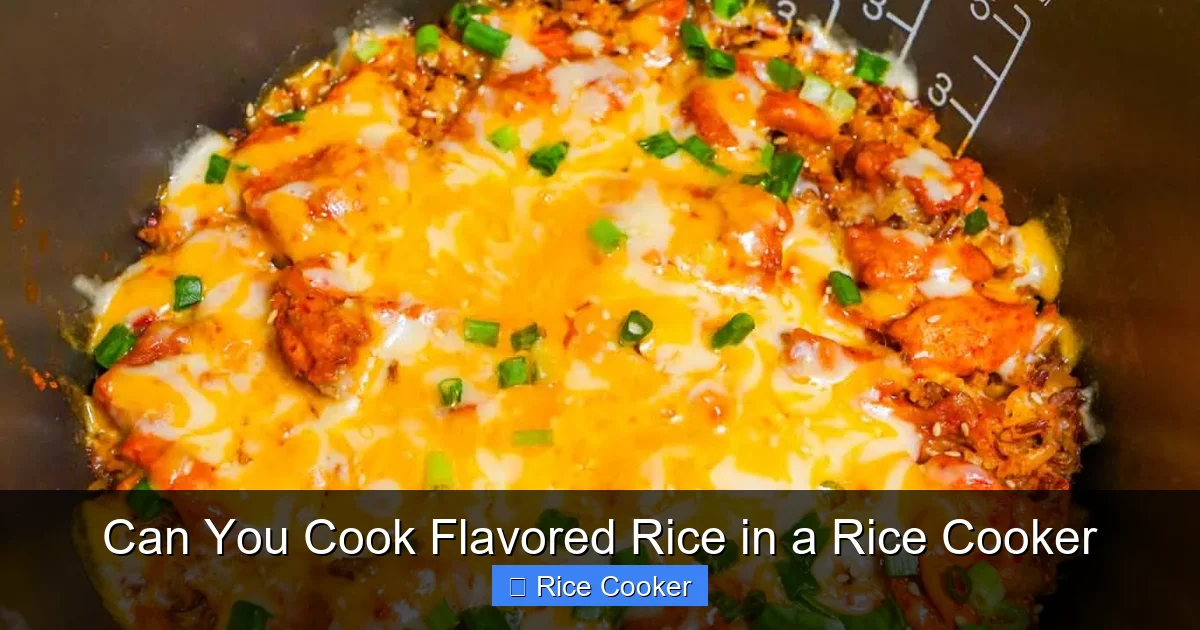
Can you cook flavored rice in a rice cooker? Absolutely! With the right ingredients and a little creativity, your rice cooker becomes a powerful tool for making aromatic, flavorful rice that’s perfect for any meal. Whether you’re using herbs, spices, or broth instead of water, this versatile appliance handles it all—effortlessly and evenly.
Key Takeaways
- Flavored rice is easy to make: Simply replace water with broth, add herbs, spices, or aromatics, and let the rice cooker do the rest.
- Versatile ingredient options: Use vegetable, chicken, beef, or even coconut milk for rich, layered flavors.
- No special equipment needed: A standard rice cooker works perfectly—no need for a pressure cooker or stovetop simmering.
- Perfect for meal prep: Cook large batches of flavored rice ahead of time and store for quick, tasty meals throughout the week.
- Customizable to your taste: Adjust seasonings and liquids to suit your favorite cuisines—Asian, Mediterranean, Mexican, and more.
- Saves time and energy: One-pot cooking means less cleanup and consistent results every time.
- Great for dietary needs: Easily make gluten-free, vegan, or low-sodium versions by choosing the right ingredients.
[FEATURED_IMAGE_PLACEHOLDER]
Introduction: The Secret to Elevated Everyday Meals
We’ve all been there—standing over the stove, carefully measuring water, timing the boil, and hoping for fluffy rice that doesn’t stick. But what if I told you that achieving restaurant-quality, flavored rice could be as simple as pressing one button on your rice cooker? That’s right. You don’t need advanced cooking skills, expensive gadgets, or hours of preparation. With the right approach, your trusty rice cooker becomes a flavor powerhouse, turning plain white or brown rice into something extraordinary.
Cooking flavored rice in a rice cooker isn’t just possible—it’s incredibly convenient. Unlike traditional methods that require constant attention, a rice cooker does the hard work for you. It measures heat, maintains temperature, and shuts off automatically when done. And the best part? You can infuse your rice with bold flavors like garlic, turmeric, lemon zest, or smoky paprika without lifting a finger. Whether you’re meal prepping for the week, hosting guests, or just craving something beyond plain grains, this method delivers consistent, delicious results every time.
Why Choose a Rice Cooker for Flavored Rice?
You might be wondering: “Is a rice cooker really capable of doing more than just boiling rice?” The answer is yes—and here’s why it’s such a game-changer.
Consistent Results Every Time
Rice cookers are designed to monitor internal temperature and adjust cooking automatically. This means no more guessing whether your rice is undercooked or mushy. When you cook flavored rice in a rice cooker, the moisture is absorbed evenly, and the grains stay separate and fluffy. The sealed environment also helps lock in flavor, so each bite tastes as good as the last.
Hands-Off Convenience
Once you add your ingredients and press start, you’re free to multitask. While your rice cooks, you can chop vegetables, marinate proteins, or clean up. There’s no need to stir, watch the pot, or worry about burning the bottom. Just set it and forget it—perfect for busy lifestyles.
Energy Efficient
Rice cookers use significantly less energy than stovetops or ovens, especially when cooking smaller batches. They maintain steady heat without fluctuation, which not only saves electricity but also preserves nutrients in your rice and added ingredients.
Perfect for Meal Prep
Because rice cookers can handle large quantities, they’re ideal for preparing flavored rice in bulk. Cook a double batch of jasmine-scented rice or tomato-basil seasoned grains, then refrigerate or freeze portions for later. Reheat quickly in the microwave or on the stovetop, and you’ve got a gourmet side dish ready in minutes.
The Science Behind Cooking Flavored Rice
Understanding how a rice cooker works can help you get the best results. Most modern rice cookers use a combination of heating elements and a thermostat-controlled system. As the water evaporates and the temperature rises, the thermostat triggers a switch that cuts power—this is called the “keep-warm” function. But before that, the magic happens during the actual cooking phase.
How Flavor Infusion Works
When you substitute water with broth or add aromatics like bay leaves, garlic, or onions, the rice absorbs these flavors as it cooks. The heat breaks down cell walls in the ingredients, releasing oils and compounds that seep into the grains. Since the rice cooker maintains a steady temperature, the flavors distribute evenly throughout the batch.
Moisture Control Matters
Unlike stovetop cooking, where evaporation can vary, rice cookers have a fixed amount of liquid and a sealed lid. This ensures that all the steam condenses back into the pot, keeping the rice moist without becoming soggy. For flavored rice, this means maximum absorption and minimum waste.
Basic Techniques for Cooking Flavored Rice
Getting started with flavored rice in your rice cooker is simpler than you think. Here’s a step-by-step guide to mastering the basics.
Step 1: Choose Your Base
Start with high-quality rice. Jasmine, basmati, arborio, or brown rice all work beautifully. Rinse the rice under cold water to remove excess starch—this prevents clumping and helps achieve a light texture.
Step 2: Replace Water with Flavorful Liquids
This is the most important step. Instead of water, use:
- Veggie broth
- Chicken or beef stock
- Coconut milk (great for Thai-inspired dishes)
- Beer or wine (for savory orchard-style rice)
Use equal parts liquid and rice, unless the recipe calls for otherwise. Brown rice may need a bit more liquid since it takes longer to absorb moisture.
Step 3: Add Aromatics and Seasonings
Enhance your rice with:
- Fresh herbs (thyme, rosemary, parsley)
- Dried spices (cumin, coriander, cinnamon)
- Sliced garlic or ginger
- Onion slices or shallots
- Lemon zest or juice
- Salt, pepper, or soy sauce
Add these directly to the rice cooker pot before starting.
Step 4: Stir Once (Optional)
After the rice cooker switches to “warm,” give it a gentle stir to redistribute flavors. Don’t open the lid too soon—steam builds pressure and affects timing.
Step 5: Let It Rest
Let the rice sit for 5–10 minutes after cooking. This allows the grains to firm up and finish absorbing any remaining liquid, resulting in better texture and flavor.
Popular Flavored Rice Recipes You Can Make
Now that you know the basics, let’s explore some delicious recipes you can whip up with your rice cooker.
Jasmine Scented Rice with Lemongrass
This fragrant rice is inspired by Southeast Asian cuisine. Combine jasmine rice, vegetable broth, sliced lemongrass, a strip of kaffir lime leaf, and a pinch of salt. Cook and let rest. Serve with grilled chicken or tofu.
Mexican-Spiced Black Bean and Corn Rice
Brown rice cooked in chicken broth with canned black beans, corn kernels, smoked paprika, cumin, and a splash of lime juice. Add diced tomatoes and cilantro after cooking for freshness.
Garlic Herb Quinoa Pilaf
Swap quinoa for rice if you prefer. Use chicken broth, minced garlic, thyme, and parsley. Roast cherry tomatoes and add them halfway through cooking for bursts of flavor.
Indian Saffron Basmati Rice
Toast basmati rice slightly in a pan before adding to the cooker. Then combine with warm saffron-infused water, cardamom pods, cinnamon stick, and a bay leaf. Steam until tender—fragrant and golden.
Tomato Basil Orzo Salad
Orzo pasta can also be cooked in a rice cooker! Simmer in vegetable broth with crushed tomatoes, garlic, basil, and olive oil. Chill and toss with feta cheese for a refreshing side.
Tips for Perfect Flavored Rice Every Time
Even with the best tools, a few small adjustments can make a big difference.
Don’t Overload with Spices
While spices add depth, too many can overwhelm the dish. Stick to 2–3 complementary flavors. Toast whole spices like cumin or mustard seeds briefly in oil before adding to unlock their aroma.
Use Fresh Broth for Best Taste
Store-bought broth can be salty or lack depth. Homemade broth—whether from bones, vegetables, or leftover veggie scraps—imparts richer, cleaner flavor to your rice.
Adjust Salt Carefully
If using salted broth, skip extra salt. Taste the liquid first, then season accordingly. Too much salt can ruin an otherwise perfect dish.
Experiment with Acids
A splash of lemon juice, vinegar, or apple cider at the end brightens the flavor and balances richness. Add it after cooking to preserve its tang.
Try Different Rice Types
Bamboo rice (made with bamboo leaves) is traditionally steamed, but you can mimic the effect by wrapping a piece of cheesecloth with dried bamboo leaves and placing it in the cooker with rice and broth.
Clean Your Rice Cooker Regularly
Residue from previous batches can affect taste. Clean the inner pot and lid weekly with mild soap and water. Avoid abrasive scrubbers that scratch non-stick surfaces.
Troubleshooting Common Issues
Even seasoned cooks run into hiccups. Here’s how to fix them.
Rice Sticks to the Bottom
This usually happens if the pot isn’t coated properly or if heat is uneven. Always ensure the inner pot sits flush on the base. If yours has a non-stick coating, avoid metal utensils. Some models come with a ceramic coating—clean gently and reseason occasionally.
Rice Is Too Dry or Mushy
Mushy rice means too much liquid or overcooking. For future batches, reduce broth by 1–2 tablespoons. Mushy rice can sometimes be salvaged by fluffing it gently with a fork and adding a teaspoon of water to steam briefly.
Flavor Doesn’t Seem Strong Enough
If your rice tastes bland, the issue might be timing. Add strong-flavored ingredients (like garlic or onion) early and cook them long enough to soften. Also, ensure the liquid is hot when added—cold broth won’t infuse well.
Grains Are Clumpy
Clumping occurs when rice is packed tightly or not stirred after rinsing. Rinse thoroughly, drain well, and spread the rice loosely in the cooker. Don’t press down.
Can You Make Gluten-Free or Vegan Flavored Rice?
Absolutely! Rice cookers are naturally gluten-free and vegan-friendly appliances.
Gluten-Free Options
Use certified gluten-free broth and ensure all added ingredients—like soy sauce or bouillon—are labeled gluten-free. Amaranth, millet, or quinoa can replace rice for variety.
Vegan Versions
Replace animal-based broths with vegetable stock. Add nutritional yeast for a cheesy note, mushrooms for umami, or smoked paprika for depth. Tofu or tempeh crumbles mixed in near the end add protein.
Low-Sodium Choices
Use unsalted broth and season with herbs, citrus, vinegar, or miso paste (check label for sodium). Seaweed flakes or mushroom powder boost savoriness without salt.
Creative Twists: Beyond Traditional Rice
Think outside the grain! Your rice cooker can handle more than just rice.
Risotto-Style Creamy Grains
Arborio rice cooked in vegetable broth with white wine, Parmesan (or nutritional yeast), and truffle oil. Stir once after switching to “warm” for a luxe texture.
Stuffed Peppers (Without Oven)
Cut bell peppers in half, stuff with rice mixture, add broth, and cook covered. The steam inside softens both rice and peppers—no oven needed.
Pilaf with Dried Fruits and Nuts
Add raisins, apricots, almonds, or cashews to your rice while cooking. Sweet and savory combinations shine here—try with brown rice and honey-glazed walnuts.
Breakfast Rice Pudding
Combine rice, coconut milk, cinnamon, vanilla, and a dash of cardamom. Cook until creamy. Top with berries or toasted coconut flakes.
Conclusion: Transform Simple Ingredients Into Something Spectacular
So, can you cook flavored rice in a rice cooker? The answer is a resounding yes—and now you know how effortlessly you can do it. From fragrant Indian basmati to zesty Mexican corn rice, the possibilities are endless. All it takes is a little planning, quality ingredients, and confidence in your appliance.
What makes this method so revolutionary isn’t just convenience—it’s accessibility. You don’t need to be a chef to create meals that impress. With your rice cooker as your ally, every grain becomes a canvas for flavor. And because the process is hands-off, stress-free, and consistently reliable, you’ll find yourself reaching for it more often.
Whether you’re feeding a crowd, preparing for a dinner party, or just craving something new for lunch, flavored rice made in a rice cooker delivers. Try one of the recipes above tonight. Then experiment with your own blends—garlic-rosemary turkey rice, turmeric-ginger lentil pilaf, or even chocolate-rice pudding for dessert. The kitchen is yours to explore.
FAQs
Can I use any type of rice in a rice cooker?
Yes! White, brown, jasmine, basmati, arborio, and even quinoa all work well. Just adjust cooking times—brown rice typically needs 10–15% more liquid and a longer cook cycle. Always check your rice cooker manual for specific guidelines.
Do I need special ingredients to flavor my rice?
Nope. Basic pantry staples like broth, garlic, onion, herbs, and spices are enough. For extra richness, try coconut milk, wine, or butter. The key is balance—don’t overdo it.
Can I cook flavored rice in a rice cooker without changing the recipe?
Absolutely. Start by replacing water with equal parts broth. Add 1–2 cloves of minced garlic, a pinch of salt, and a bay leaf. That’s it—simple, tasty, and foolproof.
How long does flavored rice take to cook in a rice cooker?
Most rice cookers take 15–30 minutes, depending on the grain and model. White rice is usually faster; brown rice takes longer. Once you hear the “beep,” let it rest for 5–10 minutes before serving.
Can I reheat flavored rice in the rice cooker?
Not recommended. The keep-warm function isn’t meant for reheating. Instead, warm it gently on the stovetop with a splash of broth or water, or use the microwave with a damp paper towel to retain moisture.
Is it safe to leave rice in the rice cooker for hours?
It’s okay for short periods (under 2 hours), but prolonged storage increases bacterial risk. If you must keep it warm, ensure the cooker is on the “warm” setting and consume within 1–2 hours. Otherwise, refrigerate promptly.
This is a comprehensive guide about can you cook flavored rice in a rice cooker.
Key Takeaways
- Understanding can you cook flavored rice in a rice cooker: Provides essential knowledge
Frequently Asked Questions
What is can you cook flavored rice in a rice cooker?
can you cook flavored rice in a rice cooker is an important topic with many practical applications.