
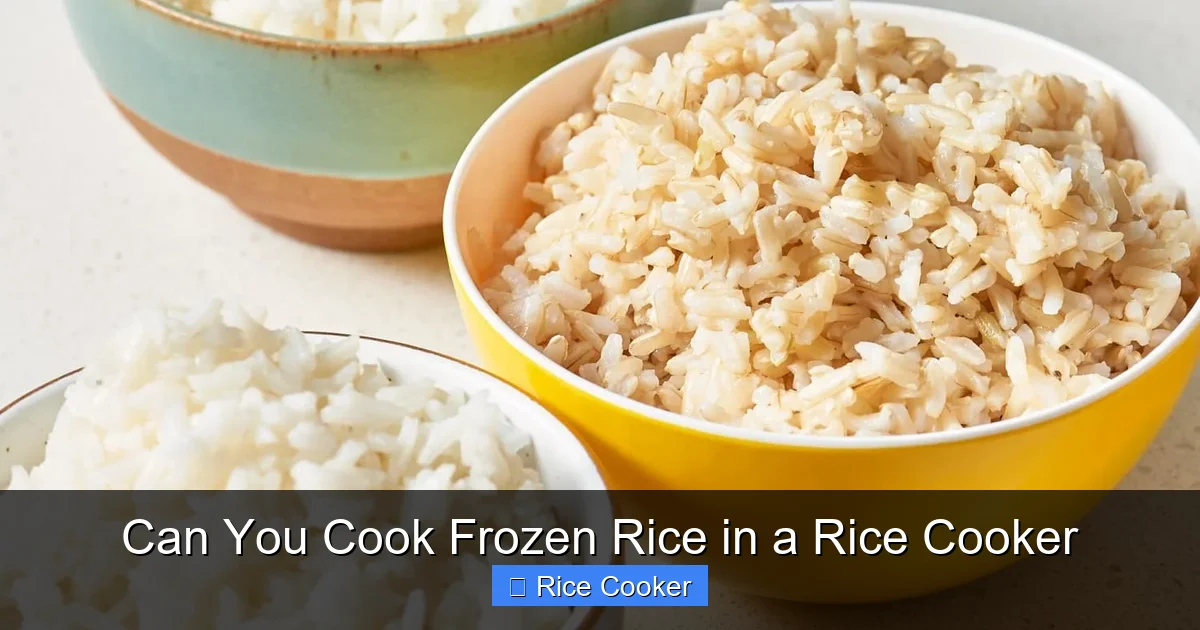
Can you cook frozen rice in a rice cooker? Absolutely! With the right technique, your rice cooker can transform icy, pre-cooked rice into fluffy, delicious grains in just minutes. You don’t need to thaw it first—just add a little extra water and let the machine do its magic. This method is perfect for busy weeknights when you crave homemade rice but only have frozen leftovers on hand.
Key Takeaways
- Frozen rice can be cooked directly: No need to defrost—your rice cooker handles it just fine with a simple adjustment.
- Use extra water: Add 1–2 tablespoons more water than usual to compensate for moisture already lost during freezing.
- Don’t overfill the pot: Keep the rice level below the max line to ensure even cooking and prevent overflow.
- Stir halfway through: Gently fluff the rice after about half the cook cycle to break up clumps.
- Check texture before serving: If still too firm, steam for an additional 5–10 minutes with the lid on.
- Clean promptly: Residue from frozen rice sticks easily—wash the inner pot while warm for best results.
- Works for most varieties: White, brown, jasmine, basmati, and even instant rice freeze well and cook reliably in rice cookers.
📑 Table of Contents
- Introduction: Why Frozen Rice Is Your New Best Friend
- Understanding Frozen Rice: What Happens When Rice Gets Cold?
- Can You Cook Frozen Rice in a Rice Cooker? Yes—Here’s How!
- Choosing the Right Rice Cooker for Frozen Rice
- Best Practices for Perfect Results Every Time
- Common Mistakes and How to Fix Them
- Beyond Basic White Rice: Cooking Other Types of Frozen Rice
- Storage Tips to Prevent Future Problems
- Environmental and Cost Benefits of Using Frozen Rice
- Final Thoughts: Embrace the Convenience
Introduction: Why Frozen Rice Is Your New Best Friend
Picture this: It’s 6 p.m., you’re starving, and the fridge holds nothing but a bag of frozen rice from last night’s dinner. Panic? Not if you know how to handle frozen rice in a rice cooker. That little appliance sitting on your counter isn’t just for reheating—it’s a powerhouse that can revive even the iciest, most compacted grains into something warm, fragrant, and satisfying.
Cooking frozen rice in a rice cooker might sound like a kitchen myth, but it’s not only possible—it’s practical, energy-efficient, and surprisingly effective. Whether you’re meal-prepping ahead of time or salvaging leftovers, this method saves precious minutes without sacrificing taste or texture. In fact, many home cooks swear by it because it eliminates guesswork and ensures consistent results every single time.
In this complete guide, we’ll walk you through everything you need to know about cooking frozen rice in a rice cooker—from understanding why frozen rice behaves differently to mastering timing, water ratios, and cleanup hacks. By the end, you’ll feel confident tossing that frozen block of rice straight into your cooker like a pro.
Understanding Frozen Rice: What Happens When Rice Gets Cold?
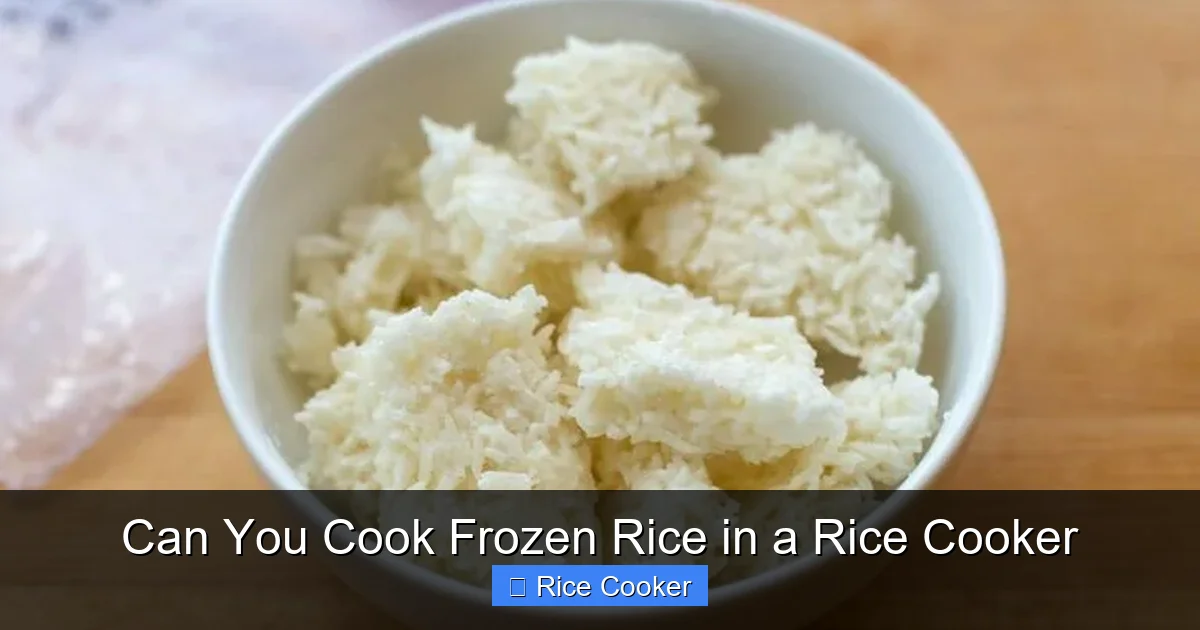
Visual guide about Can You Cook Frozen Rice in a Rice Cooker
Image source: canyourefreeze.com
When rice cools down and freezes, several things happen at the molecular level that affect how it cooks later:
The Science Behind Freezing Rice
Rice contains starch, which absorbs water during cooking and swells into those soft, chewy granules we love. But when rice cools rapidly (like after boiling and sitting in the fridge), excess water migrates toward the surface and then freezes, creating ice crystals around each grain. These crystals can trap air pockets and cause the structure to become dense and compact.
Additionally, frozen rice often forms hard blocks due to moisture redistribution and starch retrogradation—a process where starches recrystallize over time, making the rice firmer and less flexible.
Why Texture Changes After Freezing
You might notice that frozen rice doesn’t look or taste quite the same as freshly cooked rice. That’s because:
– Moisture evaporates slightly during freezing (even in sealed containers).
– Grains stick together more tightly once frozen.
– The outer layer may develop a thin crust-like skin from repeated temperature changes.
But here’s the good news: none of this means your rice is ruined. With the right approach, you can reverse most of these effects using your rice cooker.
Can You Cook Frozen Rice in a Rice Cooker? Yes—Here’s How!
Short answer? Yes, absolutely. Most modern rice cookers are designed to handle varying moisture levels and can bring even fully frozen rice back to life.
Step-by-Step Process
1. **Measure the Rice**: Use the same measuring cup you’d use for fresh rice. A standard 1-cup measure equals about ½ cup uncooked rice or 1 cup cooked—so adjust accordingly based on how much frozen rice you have.
2. **Add Extra Water**: For every cup of frozen rice, add ¾ to 1 cup of cold water (or broth for flavor). Since frozen rice already contains some moisture, you’ll need slightly less than what you’d use for fresh rice—but never skip the extra liquid entirely.
3. **Place in Inner Pot**: Gently break apart any large clumps with your fingers or a fork before adding to the pot. Don’t worry—this won’t damage your cooker.
4. **Close Lid & Start**: Press “Cook” or select the appropriate setting (white rice, brown rice, etc.). Avoid using the “Keep Warm” function until the rice is fully cooked.
5. **Wait Patiently**: Cooking times vary depending on your model and rice type. Expect 15–25 minutes total, including steaming.
6. **Let It Rest**: Once done, let the rice sit with the lid closed for 5–10 minutes before opening. This allows residual heat to finish softening any remaining firm spots.
7. **Fluff & Serve**: Use a fork to gently lift and separate the grains. Add butter, salt, or herbs if desired.
Pro Tip: Pre-Soak Isn’t Necessary
Unlike soaking dried beans or legumes, you don’t need to soak frozen rice. The rice cooker’s heating element will gradually thaw and rehydrate the grains during the cooking cycle. Rushing this step could lead to uneven textures—so patience pays off!
Choosing the Right Rice Cooker for Frozen Rice
Not all rice cookers are created equal when it comes to handling frozen rice. Here’s what to look for:
Types of Rice Cookers
– **Basic On/Off Models**: These work fine for simple frozen rice recipes but lack precision controls.
– **Fuzzy Logic Cookers**: The gold standard! They adjust heating cycles automatically based on sensor feedback, making them ideal for variable inputs like frozen rice.
– **Smart/Steamer Combo Units**: Great if you also want to steam vegetables alongside your rice.
– **Induction Heating Systems**: Premium models that heat evenly and reduce sticking—perfect for stubborn frozen blocks.
Capacity Matters
If you frequently cook frozen rice, consider a larger capacity (at least 6 cups uncooked). Smaller pots may struggle with uneven heat distribution, especially with thick frozen clumps.
Non-Stick Coating Quality
Look for pots with high-quality ceramic or titanium coatings. Cheap non-sticks can flake off into your rice or burn frozen residue during cleaning.
Best Practices for Perfect Results Every Time
Even with the right setup, small tweaks make a big difference:
Water Ratios Are Crucial
Too little water = dry, chalky rice
Too much water = soggy, gluey mess
Start with this rule:
– For white rice: 1 cup frozen rice + ¾ cup water
– For brown rice: 1 cup frozen rice + 1 cup water (brown rice takes longer to absorb moisture)
Always err on the side of slightly drier rather than wetter—you can always add more steam later.
Avoid Overfilling
Never exceed the maximum fill line marked inside the inner pot. Frozen rice expands as it thaws and cooks, so crowding leads to overflow and messy cleanup.
Break Up Clumps First
Use your fingers or a fork to gently loosen frozen chunks. This helps distribute heat evenly and prevents mushy centers surrounded by crunchy edges.
Monitor Early Cycles
If your rice cooker has a “warm” indicator light, pay attention. Some models switch to warming mode too soon if they detect low moisture. Stir once halfway through the cook cycle to reassess progress.
Reheat vs. Cook Fresh: What’s the Difference?
Technically, cooking frozen rice isn’t “reheating”—it’s completing the hydration process that began when the rice was originally boiled. So while the result tastes like freshly made rice, the method is closer to cooking than reheating.
Common Mistakes and How to Fix Them
Even experienced cooks occasionally run into issues. Here’s how to troubleshoot:
Mushy or Soupy Rice
**Cause**: Too much water or prolonged cooking.
**Fix**: Next time, reduce water by ¼ cup and avoid pressing “keep warm” until fully tender. Let it drain briefly if needed.
Hard, Uncooked Centers
**Cause**: Insufficient water or blocked vents.
**Fix**: Break up clumps beforehand and ensure the vent isn’t obstructed by too much rice near the top.
Burnt Bottom Layer
**Cause**: Starchy residue burning during extended heat exposure.
**Fix**: Clean the pot immediately after use (don’t wait!) and consider adding a splash of water before reheating next time.
Rice Sticking to the Bottom
**Cause**: Poor non-stick coating or excessive dryness early on.
**Fix**: Lightly coat the bottom with oil or butter before adding frozen rice—especially helpful for older cookers.
Beyond Basic White Rice: Cooking Other Types of Frozen Rice
The same principles apply across rice varieties—but each has unique needs:
Brown Rice
Brown rice takes longer to absorb moisture because its bran layer slows water penetration. Use 1 cup frozen brown rice + 1 cup water. Expect a cook time of 20–25 minutes plus 10-minute rest.
Jasmine and Basmati
These aromatic long-grain types benefit from extra fragrance retention. Cook with water or chicken broth instead of plain water for richer flavor.
Sushi Rice
Because sushi rice is sticky by nature, handle gently when breaking up frozen clumps. Add a touch of rice vinegar after cooking for authentic taste.
Instant/Packet Rice
Most instant rice packets can go straight into the cooker—no need to open them. Just follow package directions adjusted for frozen state.
Coconut Milk Rice
For creamy coconut-infused dishes, replace water with coconut milk. Note that coconut fat solidifies when cold, so stir thoroughly before adding to the pot.
Storage Tips to Prevent Future Problems
To maximize shelf life and maintain quality:
– Portion cooked rice into shallow containers before refrigerating (thick blocks freeze faster).
– Label containers with dates—rice loses quality after 3–4 days in the fridge.
– Store in airtight plastic bags or containers with tight-fitting lids.
– Freeze in small servings (1–2 cups) to minimize thawing/re-freezing cycles.
Environmental and Cost Benefits of Using Frozen Rice
Using frozen rice isn’t just convenient—it’s eco-friendly! By repurposing leftovers, you reduce food waste and save energy compared to cooking fresh rice every day. Plus, frozen rice retains most of its nutrients and flavor better than rice stored in open containers.
From a budget perspective, buying rice in bulk and portioning it out makes financial sense. And since rice cookers use minimal electricity per batch, you’re doing your wallet and planet a favor.
Final Thoughts: Embrace the Convenience
Cooking frozen rice in a rice cooker isn’t just a trick—it’s a game-changer for anyone who values speed, simplicity, and sustainability. Whether you’re a college student, a working parent, or a busy chef, knowing how to handle frozen rice opens up endless possibilities without compromising on taste.
Remember: the key lies in gentle handling, proper water ratios, and letting the machine work its magic. Don’t stress if your first attempt isn’t perfect—practice makes progress, not perfection.
So next time you see that frozen block of rice staring back at you from the freezer, smile. Grab your rice cooker, follow these steps, and get ready to enjoy restaurant-quality rice in under 30 minutes. Your taste buds (and schedule) will thank you.
Frequently Asked Questions
How long does it take to cook frozen rice in a rice cooker?
It typically takes 15–25 minutes, depending on the rice type and your cooker’s settings. Allow 5–10 minutes of resting time afterward for best results.
Do I need to thaw frozen rice before cooking?
No, thawing is unnecessary. Simply add a bit more water than usual and let the rice cooker handle the rehydration process.
Can I cook frozen rice without adding extra water?
Not recommended. Frozen rice has lost some moisture, so adding 1–2 tablespoons more per cup ensures proper texture.
Will my rice cooker overflow with frozen rice?
Only if overfilled or clogged. Always stay below the max line and break up clumps to prevent steam buildup from causing spills.
Is frozen rice safe to eat?
Yes, as long as it was properly stored in a sealed container within 24 hours of cooking and kept frozen. Avoid rice that smells off or shows signs of mold.
Can I cook multiple batches of frozen rice at once?
Most standard rice cookers only hold one batch at a time. For large quantities, plan ahead or use a second cooker if available.