
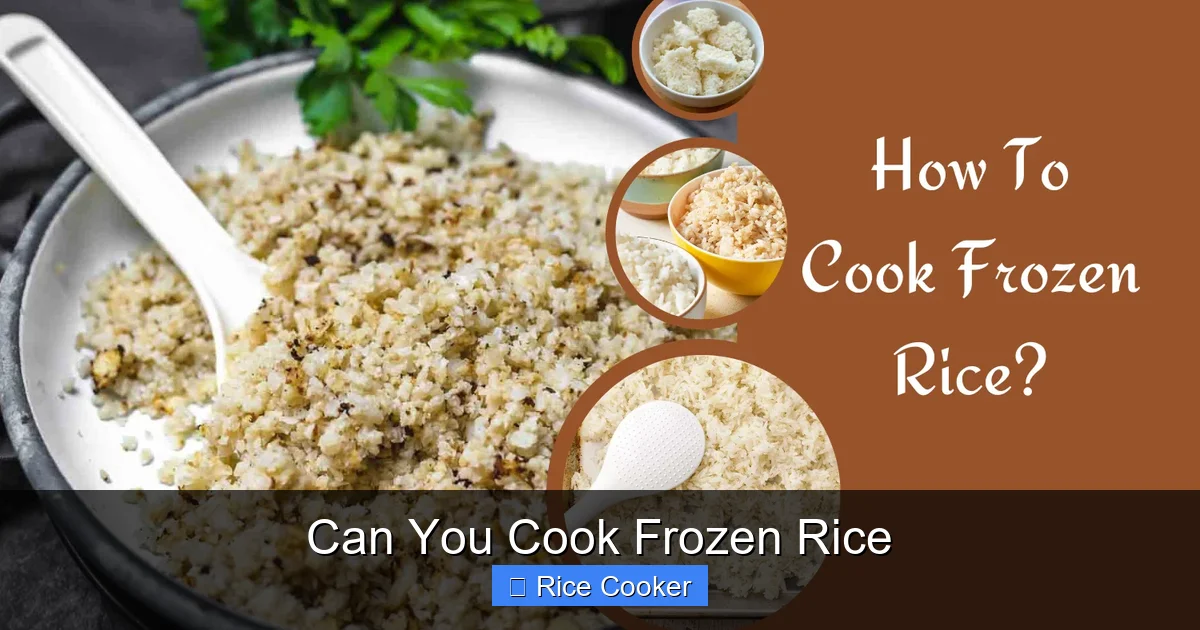
Can you cook frozen rice? Absolutely! Frozen rice is not only safe to eat but also incredibly convenient. Whether you’re using a rice cooker, stovetop, or microwave, frozen rice can be cooked into fluffy, flavorful grains in just minutes. With the right technique, you’ll never compromise on taste or texture—even when cooking straight from the freezer.
## Can You Cook Frozen Rice? Yes—And Here’s How!
Have you ever opened your freezer and found a bag of pre-cooked rice staring back at you, wondering, “Is this even edible?” Or maybe you’re rushing through breakfast and reach for that leftover stir-fry from last night, already frozen solid. The question on your mind: **can you cook frozen rice**? The short answer? Absolutely. In fact, frozen rice is one of the most convenient ways to enjoy perfectly cooked grains without the wait.
But here’s the catch—many people assume frozen rice is raw, uncooked beans or something that needs long soaking. That’s not the case at all. Frozen rice is typically cooked, seasoned, cooled, and then flash-frozen within hours of preparation. Think of it like instant coffee: it’s already partially prepared, just needs heat to revive it. And the good news? When handled correctly, it cooks beautifully—fluffy, fragrant, and ready in under 10 minutes.
Whether you’re using a traditional rice cooker, a pot on the stove, or your microwave, cooking frozen rice doesn’t require special skills. With a few smart techniques, you’ll get restaurant-quality results every time. Let’s dive into how.
## Why People Choose Frozen Rice
Before we get into the “how-to,” let’s talk about why frozen rice has become such a kitchen staple. For starters, it reduces food waste. Instead of tossing leftover rice, you pop it in the freezer for a quick meal later. It’s also ideal for meal prep—cook a big batch once, freeze portions, and reheat when needed. Plus, many brands offer flavored options like jasmine, brown rice, or even curry-seasoned varieties, making dinner planning a breeze.
Another reason? Speed. No soaking, no long simmering times. Just grab a portion, add water (or broth), and go. This makes frozen rice a favorite among busy professionals, college students, and parents juggling multiple responsibilities.
But convenience aside, there’s also nutritional value. Flash-freezing locks in vitamins and minerals better than slow refrigeration. So yes, you can cook frozen rice—and you should. It’s not just a shortcut; it’s a smart choice.
## Cooking Frozen Rice in a Rice Cooker
If you own a rice cooker, you’re in luck—this is arguably the easiest way to cook frozen rice. Most modern rice cookers are designed to handle everything from white to brown rice, and they work just as well with frozen grains.
### Step-by-Step Guide
Start by measuring out the amount of frozen rice you want. A standard serving is about ½ cup (uncooked equivalent). Place it directly into the inner pot of your rice cooker—no need to thaw first. Then, add water. Here’s the key: use slightly more water than you normally would. Frozen rice absorbs moisture as it thaws, so adding about ¾ cup of water per ½ cup of frozen rice helps prevent dryness.
For example:
– ½ cup frozen rice + ¾ cup water = one perfect serving
– 1 cup frozen rice + 1.5 cups water = two servings
Close the lid and press “Cook.” Some rice cookers have a “Quick Cook” or “Reheat” setting—use that if available. Others will automatically adjust timing based on input. Once the cycle ends, let the rice sit for 5 minutes before opening. This allows steam to distribute evenly and keeps the grains tender.
Pro tip: If your rice cooker has a “Keep Warm” function, don’t leave the rice on it too long. Stale steam can make rice soggy.
### Benefits of Using a Rice Cooker
– Hands-off cooking
– Even heat distribution
– Consistent results every time
– Easy cleanup (most pots are non-stick)
If you don’t have a rice cooker, don’t worry—there are other great methods. But for simplicity and reliability, it’s hard to beat.
## Stovetop Method: Classic and Reliable
Not everyone owns a rice cooker, and that’s okay. The stovetop method is tried-and-true, especially if you grew up watching grandma simmer rice on the burner. With frozen rice, the process is almost identical—just with a few adjustments.
### What You’ll Need
– A medium-sized saucepan with a tight-fitting lid
– Water or broth (for extra flavor)
– Optional: butter or oil
### Instructions
Begin by bringing a pot of water to a boil. Use a ratio of 1.5 parts water to 1 part frozen rice. So again, for ½ cup of frozen rice, use about ¾ cup boiling water. Gently add the frozen rice to the pot—don’t stir immediately. Let it sit for 30 seconds so the grains start to soften.
Once added, stir gently once or twice to prevent clumping. Reduce the heat to low, cover the pot with a lid, and let it simmer. Check after 6–8 minutes. The rice should be tender and mostly dry. If there’s excess water, remove the lid and let it steam off for another minute.
Remove from heat, fluff with a fork, and serve. For extra richness, stir in a teaspoon of butter or a drizzle of olive oil before serving.
### Tips for Success
– Don’t over-stir—frozen rice can break easily.
– Keep the lid on to trap steam and speed up cooking.
– Taste-test near the end—some brands vary in firmness.
This method gives you full control and works well for larger batches. It’s also great if you’re making fried rice the next day—just cool it quickly in an ice bath before freezing.
## Microwave Hacks: Fast and Simple
When you’re in a hurry, the microwave is your best friend. And yes—you can cook frozen rice in the microwave. It won’t be as fluffy as stovetop or rice cooker versions, but with the right technique, it’s still totally edible and satisfying.
### Best Practices
Use a microwave-safe bowl with a vented lid or damp paper towel to cover it. This traps steam and mimics the covered pot method. Start with ½ cup frozen rice and add ¼ cup hot water (not boiling, just heated). Stir to combine, cover, and microwave on high for 3 minutes.
After 3 minutes, check the rice. If it’s still cold or chewy, microwave in 30-second intervals until done. Total time usually ranges from 4 to 6 minutes depending on your machine.
One common mistake? Not letting the rice rest. Just like with stovetop rice, set it aside for 1–2 minutes after microwaving. This helps redistribute moisture and improves texture.
For best results, use a wide, shallow bowl so heat reaches all sides evenly. Avoid plastic containers unless labeled microwave-safe.
## Choosing the Right Type of Frozen Rice
Not all frozen rice is created equal. Brands vary in ingredients, texture, and cooking instructions. Here’s what to look for:
– **Plain white rice**: Great base for everything from bowls to fried rice.
– **Jasmine or basmati**: Adds aromatic notes—perfect for Thai or Indian dishes.
– **Brown rice**: Higher fiber, nuttier flavor, but may take longer to thaw.
– **Pre-seasoned or flavored**: Look for garlic, onion, or herb-infused options for added taste.
Read labels carefully. Avoid products with excessive sodium or preservatives if you’re health-conscious. Many store-bought frozen rice brands now offer organic or non-GMO options.
If you prefer homemade frozen rice, cook a large batch, divide into portions, and freeze in silicone molds or resealable bags. Mark dates so you know how long it’s been stored.
## Common Mistakes to Avoid
Even experienced cooks mess up rice sometimes. Here are the top errors when cooking frozen rice—and how to fix them.
### Overcrowding the Pot
Using too much rice at once prevents even heating. Stick to smaller batches unless your pot is large enough.
### Skipping the Resting Period
Never open the lid or lift the rice immediately after cooking. Let it sit—it makes a world of difference in texture.
### Ignoring Water Ratios
Too little water = dry rice. Too much = mushy. Adjust based on brand and grain type.
### Reheating Multiple Times
Each reheat degrades quality. Only warm what you’ll eat now.
By avoiding these pitfalls, you’ll consistently get delicious results.
## Flavor Boosting Tricks
Plain frozen rice tastes fine—but it’s nothing special. Elevate it with these simple ideas:
– Add a splash of soy sauce or teriyaki glaze before serving.
– Mix in sautéed vegetables, scrambled eggs, or shredded chicken.
– Top with sesame seeds, green onions, or a squeeze of lime.
– Stir in pesto, ranch dressing, or hot sauce for bold flavors.
You can even turn it into a breakfast dish by mixing in scrambled eggs and cheese.
## Safety First: Is Frozen Rice Safe?
Absolutely. Frozen rice sold in grocery stores is pasteurized and safe to eat straight from the freezer—no reheating required. However, if you’re reheating leftover cooked rice (not store-bought frozen), follow strict food safety rules. Bacteria like *Bacillus cereus* can grow in improperly stored rice, so always refrigerate leftovers within 2 hours and reheat thoroughly to 165°F (74°C).
Store-bought frozen rice is different. It’s flash-frozen and sealed, meaning it’s unlikely to harbor harmful bacteria. Still, wash your hands and utensils before handling.
## Storage Tips for Leftovers
Want to save time next week? Cook extra rice and freeze it yourself. Portion into ice cube trays or muffin tins, then transfer to zip-top bags. Label with dates and contents. Properly stored, homemade frozen rice lasts up to 3 months.
When ready to use, follow the same cooking methods above—no defrosting needed.
## Final Thoughts: Yes, You Can Cook Frozen Rice
So, can you cook frozen rice? Without a doubt. Whether you’re using a rice cooker, stovetop, or microwave, frozen rice delivers convenience without sacrificing quality. It’s ideal for busy lifestyles, meal prep, and reducing waste. With minor adjustments—like adding extra water or resting after cooking—you’ll enjoy fluffy, flavorful grains every time.
Next time you reach for that frozen rice, don’t hesitate. Grab your pot, add a little liquid, and let science do the rest. Your future self will thank you.
Key Takeaways
- Frozen rice is perfectly safe to cook and eat. It’s flash-frozen shortly after cooking, preserving nutrients and flavor.
- You can cook frozen rice in a rice cooker, stovetop, or microwave. Each method has its own advantages depending on your equipment and time.
- No need to thaw—just add water and cook as usual. This saves time and maintains quality.
- Adjust water ratios slightly for best results. Frozen rice absorbs more moisture, so monitor closely.
- Fluffy, restaurant-quality rice is possible with simple tips. From seasoning to fluffing, small steps make big differences.
- Using a rice cooker simplifies the process. Most models handle frozen rice with minimal effort.
- Store leftover cooked rice properly to avoid spoilage. Follow food safety guidelines for reheating later.
Frequently Asked Questions
Is frozen rice safe to eat without cooking?
Most store-bought frozen rice is fully cooked and safe to eat cold, similar to instant rice. However, reheating ensures better texture and kills any potential bacteria. Always follow package instructions for best results.
How long does frozen rice last in the freezer?
Homemade rice can last up to 3 months in the freezer if stored properly in airtight containers. Store-bought frozen rice typically has a shelf life of 6–12 months—check expiration dates.
Do I need to add more water when cooking frozen rice?
Yes, frozen rice absorbs more moisture during thawing. Increase water by about 25% compared to regular rice to avoid dryness. Monitor during cooking and adjust as needed.
Can I use broth instead of water?
Absolutely. Broth adds rich flavor and works especially well for savory dishes like stir-fries or casseroles. Use low-sodium broth if you’re watching salt intake.
Why is my frozen rice still hard after cooking?
This usually means insufficient water or cooking time. Try adding a splash of water and covering tightly while steaming for a few extra minutes. Stirring occasionally helps distribute heat.
What’s the best way to fluff frozen rice?
Use a fork to gently separate grains after cooking. Avoid pounding or mashing, which breaks apart the starch structure. Light, upward strokes keep the rice light and fluffy.