
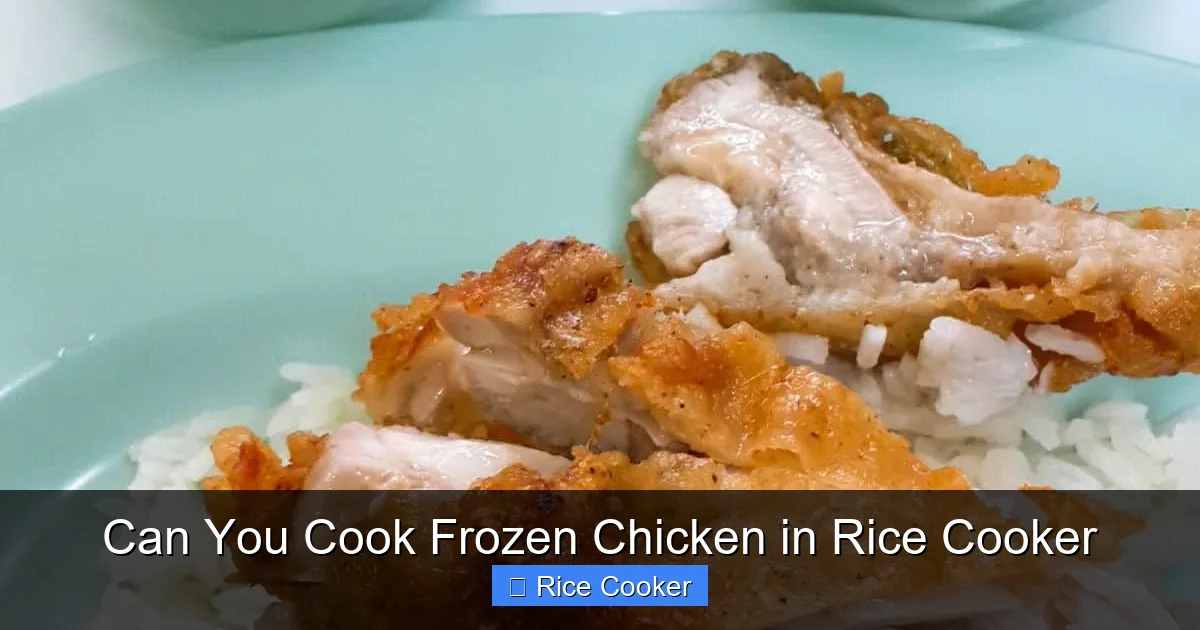
Yes, you can cook frozen chicken in a rice cooker, but doing it the right way is key to safety and taste. Using the soak-and-cook method or a slow cook mode helps ensure even cooking without risking foodborne illness. With the right prep and timing, your rice cooker becomes a versatile kitchen tool for quick, hands-off meals.
Have you ever stared at a freezer full of frozen chicken, wondering if there’s a quick, no-fuss way to turn it into a delicious meal? You’re not alone. Life gets busy—weeknight dinners need to be fast, easy, and delicious. That’s where the humble rice cooker comes in. Once thought of as a one-trick pony for fluffy white rice, modern rice cookers are actually surprisingly versatile kitchen gadgets. And yes, you can absolutely cook frozen chicken in a rice cooker. But before you just toss that bag of frozen breasts into the pot with some rice, let’s talk about how to do it safely, efficiently, and without ending up with rubbery, gray chicken.
Cooking frozen chicken might sound risky, but when done correctly, it’s totally doable—and even convenient. The key lies in understanding how rice cookers work and adjusting your technique accordingly. Whether you’re meal prepping for the week or scrambling for dinner after work, learning this trick saves time and cuts down on dishes. Plus, using your rice cooker means less babysitting and more relaxing. In this guide, we’ll walk through everything you need to know: from safety tips to flavor-boosting hacks, so you can confidently turn frozen chicken into tender, juicy bites every time.
Key Takeaways
- Safety first: Cooking frozen chicken in a rice cooker is possible, but improper handling can lead to uneven cooking and bacterial growth. Always use a meat thermometer to confirm internal temperature reaches 165°F (74°C).
- Use the soak method: For best results, thaw frozen chicken by soaking it in cold water for 30–60 minutes before cooking—this reduces cook time and improves texture.
- Choose the right cut: Boneless, skinless breasts or thighs work best in rice cookers due to their uniform size and faster cook time compared to bone-in or whole birds.
- Add liquid wisely: Most rice cookers need liquid to function. Use broth, water, or sauce instead of plain water to infuse flavor into the chicken during cooking.
- Season generously: Since frozen meat takes longer to cook, seasoning early helps flavors penetrate deeper. Marinate briefly if time allows.
- Don’t overfill: Leave room in the pot for steam to circulate. Overcrowding leads to soggy chicken and undercooked spots.
- Clean up easily: Non-stick rice cooker pots make cleanup simple. Just rinse with warm soapy water after cooling—no scrubbing needed.
📑 Table of Contents
- Is It Safe to Cook Frozen Chicken in a Rice Cooker?
- Choosing the Right Chicken Cuts
- Preparing Frozen Chicken for the Rice Cooker
- Step-by-Step Guide: Cooking Frozen Chicken in a Rice Cooker
- Flavor Hacks and Recipe Ideas
- Troubleshooting Common Issues
- Benefits of Using a Rice Cooker for Chicken
- Final Tips for Success
Is It Safe to Cook Frozen Chicken in a Rice Cooker?
Let’s clear up the biggest concern first: Is it safe? The short answer is **yes**, but only if you follow proper guidelines. When you cook frozen chicken directly in a rice cooker without thawing, the outer layers heat up quickly while the center remains cold—creating a perfect environment for bacteria like *Salmonella* or *Campylobacter* to survive. However, modern rice cookers often have advanced settings like “slow cook” or “steam” that help regulate temperature more evenly.
Still, the safest approach is to partially thaw your chicken before cooking. The USDA recommends against cooking frozen poultry unless you’re using a high-heat method like grilling or deep frying—but rice cookers fall somewhere in between. That’s why experts suggest soaking frozen chicken in cold water for 30 to 60 minutes before placing it in the cooker. This gentle thawing process reduces cook time and minimizes the risk of undercooking.
Another critical safety tip? Always use a digital meat thermometer. Insert it into the thickest part of the chicken—never guess by color or texture. The internal temperature must reach **165°F (74°C)** to be considered safe. Even if the chicken looks cooked, internal temps below that threshold can pose health risks.
Choosing the Right Chicken Cuts
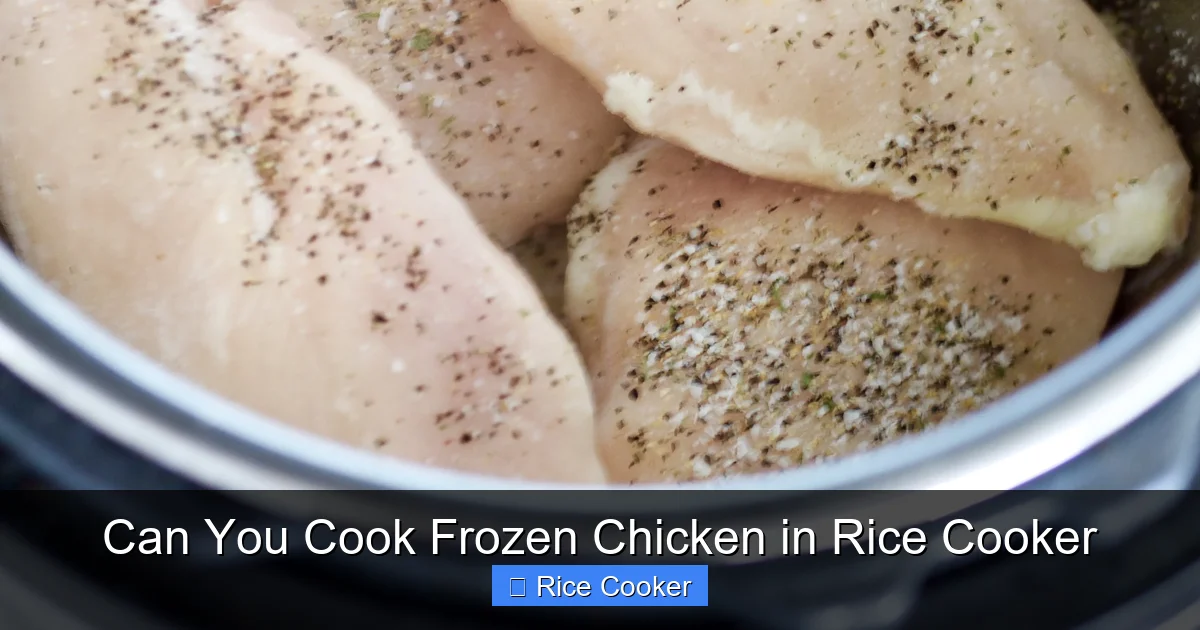
Visual guide about Can You Cook Frozen Chicken in Rice Cooker
Image source: i.pinimg.com
Not all chicken parts are created equal when it comes to cooking in a rice cooker. Bone-in pieces like thighs or drumsticks take longer to cook than boneless breasts, which can dry out if left unattended. For beginners, **boneless, skinless chicken breasts** are ideal—they cook quickly and stay moist with minimal effort.
If you prefer darker meat, go for **bone-in, skin-on chicken thighs**. The fat and skin keep them juicy during longer cook cycles. Just remember: thicker cuts may need extra time or a quick soak to ensure even heating. Avoid cooking large whole chickens or turkey roasts in standard rice cookers—they’re too bulky and won’t heat through properly.
Also consider portion size. Cutting frozen chicken into smaller, uniform pieces helps distribute heat evenly. Think bite-sized chunks rather than whole fillets. This also speeds up the thawing process and ensures consistent doneness throughout.
Preparing Frozen Chicken for the Rice Cooker
Visual guide about Can You Cook Frozen Chicken in Rice Cooker
Image source: cychicken.com
Before tossing your frozen chicken into the pot, a little prep goes a long way. Start by removing any packaging and rinsing the chicken under cold water (optional but recommended). Then, place the pieces in a bowl and cover them with **cold water**. Submerge the chicken completely and let it sit for **30 to 60 minutes**. Change the water once halfway through to speed up thawing.
Alternatively, skip the soak and go straight to cooking using the **“slow cook” setting**—many newer models offer this option. If your rice cooker doesn’t have a slow cook function, you can simulate it by adding extra liquid and letting the unit run on “warm” after the initial cook cycle completes. Just monitor closely to avoid drying out.
Once thawed (or partially thawed), pat the chicken dry with paper towels. Dry surfaces help seasonings stick better and promote browning if your rice cooker has a sauté or brown function. Season generously with salt, pepper, garlic powder, or your favorite herbs—frozen meat benefits from bold flavors because it cooks longer than fresh.
Step-by-Step Guide: Cooking Frozen Chicken in a Rice Cooker
Ready to try it? Here’s a foolproof method:
Gather Your Ingredients
- 2–3 cups frozen chicken pieces (breasts, thighs, or strips)
- 1 cup liquid (water, broth, or soy sauce for added flavor)
- Optional: onions, garlic, vegetables, or rice
Prepare the Rice Cooker
Plug in your rice cooker and select the “white rice” or “normal” setting unless your model specifies otherwise. Add your chosen liquid first—most cookers require liquid to activate the heating element. Then add the seasoned chicken pieces, making sure they’re submerged slightly.
Cook and Monitor
Press start and let the cycle begin. Depending on the amount and size of the chicken, this usually takes **30 to 45 minutes**. Avoid opening the lid frequently—steam escapes and slows cooking. After the cycle ends, let the chicken rest for 5 minutes before checking its temperature with a thermometer.
Check for Doneness
Insert the thermometer into the thickest part. If it reads below 165°F, return the chicken to the cooker on “warm” for another 5–10 minutes. Repeat until safe. Remember: it’s better to overcook slightly than risk undercooking.
Flavor Hacks and Recipe Ideas
One of the best things about cooking chicken in a rice cooker is how easily it absorbs flavor. Instead of plain water, try these liquid swaps:
- Chicken broth: Adds richness and depth.
- Soy sauce + honey: Sweet and savory glaze.
- Tomato juice + oregano: Mediterranean twist.
- Lemon juice + thyme: Bright and zesty.
For extra flavor, layer aromatics at the bottom of the pot—diced onions, crushed garlic cloves, or bay leaves. You can even cook rice alongside the chicken for a complete meal. Just add rice and water (in a ratio of 1:1.5) after the chicken has cooked for 10 minutes, then continue as usual.
Try this simple recipe:
Garlic Herb Chicken & Rice
- 2 lbs frozen chicken thighs
- 1 cup jasmine rice
- 2 cups chicken broth
- 3 minced garlic cloves
- 1 tsp dried thyme
- 1 tbsp olive oil (optional, if your cooker has sauté function)
Sauté garlic in oil (if available), then add chicken and broth. Let cook 20 minutes, stir in rice, and finish cooking until done. Fluff and serve!
Troubleshooting Common Issues
Even with the best intentions, things can go wrong. Here’s how to fix common problems:
Problem: Chicken is dry or tough
This usually happens with overcooked breast meat. Solution: Use chicken thighs next time, or reduce cook time by soaking longer before cooking. Also, avoid opening the lid too often—it causes temperature drops.
Problem: Chicken isn’t fully cooked
If the internal temp stays below 165°F, extend cooking time in short bursts on “warm.” Never skip the thermometer check.
Problem: Everything sticks to the pot
Non-stick models should release easily, but if sticking occurs, ensure you’re using enough liquid and avoid metal utensils. A light coat of oil before cooking can help prevent adhesion.
Problem: Steam builds up and overflows
Too much moisture plus too many ingredients equals mess. Limit chicken to half the pot’s capacity and leave space for steam to escape. Cover loosely with a towel if needed.
Benefits of Using a Rice Cooker for Chicken
Why bother with this method at all? Several reasons make it worth your while:
- Hands-off convenience: Set it and forget it—perfect for busy schedules.
- Energy efficient: Uses less power than ovens or stovetops.
- Consistent results: Built-in timers and sensors reduce human error.
- Easy cleanup: Removable non-stick bowls mean fewer dirty dishes.
- Multi-use potential: Works for grains, soups, stews, and more beyond just rice.
Plus, rice cookers are affordable and compact—ideal for small kitchens or dorm rooms. Many come with additional functions like steaming racks, so you can cook veggies simultaneously. It’s a true kitchen multitasker.
Final Tips for Success
To wrap things up, keep these pro tips in mind:
- Always prioritize food safety—when in doubt, cook longer.
- Experiment with marinades or dry rubs 15–30 minutes ahead for deeper flavor.
- Store cooked chicken in an airtight container for up to 4 days or freeze for 3 months.
- Clean your rice cooker immediately after use to prevent residue buildup.
- Read your specific model’s manual—features vary widely between brands.
With practice, cooking frozen chicken in a rice cooker becomes second nature. It’s not magic—just smart cooking adapted to modern life. Next time you open the freezer and see those frozen packages staring back, smile. Now you know exactly what to do.
Frequently Asked Questions
Can I cook frozen chicken directly in a rice cooker without thawing?
While possible, it’s safer to partially thaw frozen chicken before cooking. If you skip thawing, ensure your rice cooker has a slow cook setting and monitor closely. Always verify internal temperature reaches 165°F (74°C) to avoid foodborne illness.
How long does it take to cook frozen chicken in a rice cooker?
It typically takes 30 to 45 minutes on the standard “white rice” setting. Thicker pieces or larger portions may require up to 50 minutes. Use a meat thermometer to confirm doneness rather than relying solely on time.
Do I need to add liquid when cooking frozen chicken in a rice cooker?
Yes—most rice cookers require liquid to generate steam and activate the heating element. Use broth, water, or another flavorful liquid instead of plain water to enhance taste. Aim for enough liquid to lightly cover the chicken.
What type of chicken works best in a rice cooker?
Boneless, skinless chicken breasts or thighs are ideal due to their uniform size and quick cook time. Bone-in pieces like thighs also work well because they stay moist. Avoid very large cuts or whole birds.
Can I cook rice and chicken together in the same pot?
Absolutely! Add rice after the chicken has cooked for about 10 minutes. Use a 1:1.5 ratio of rice to liquid and continue cooking until both are done. Stir gently halfway through to prevent sticking.
How do I clean a rice cooker after cooking chicken?
Let the unit cool completely, then remove the inner pot and wash it with warm soapy water. Rinse thoroughly and dry before reassembling. Avoid submerging electrical components. Regular cleaning prevents odors and prolongs appliance life.