
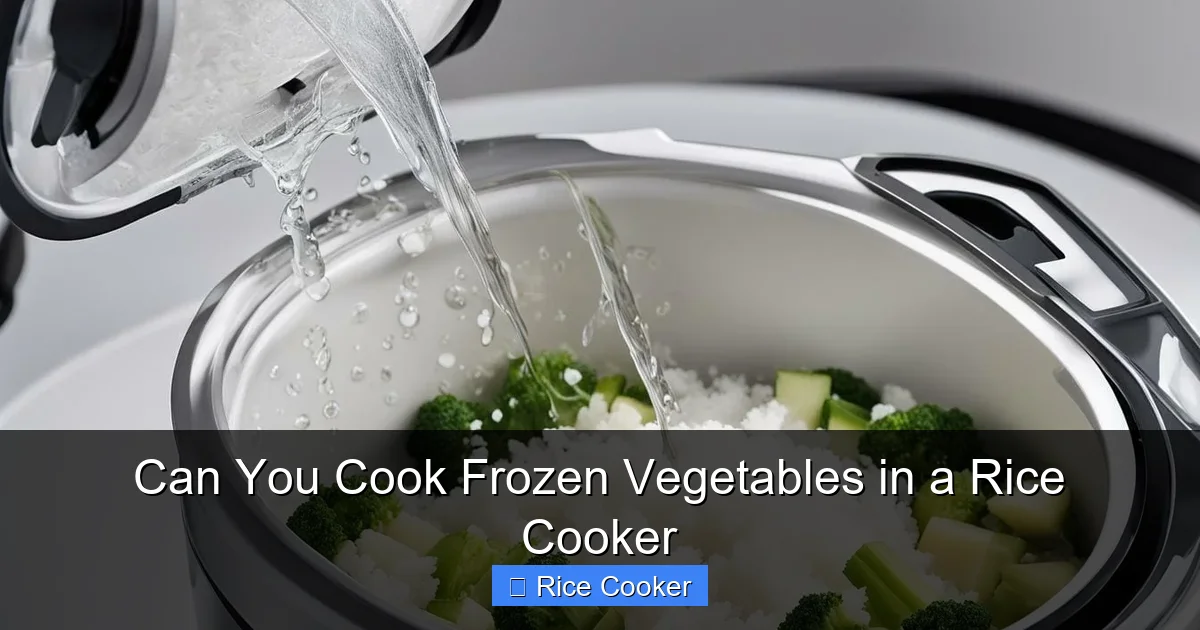
You absolutely can cook frozen vegetables in a rice cooker, and it’s one of the easiest ways to prepare nutritious meals quickly. With the right technique and timing, your rice cooker can steam or sauté veggies perfectly—no pre-thawing needed. This method saves time, preserves nutrients, and works with almost any frozen vegetable mix.
Can You Cook Frozen Vegetables in a Rice Cooker?
Let’s face it—life gets busy. Between work, school, and family duties, finding time to cook healthy meals can feel impossible. That’s where kitchen gadgets like the humble rice cooker come in handy. You probably think of rice cookers as devices that do one thing: cook fluffy white rice. But what if I told you they could also be your secret weapon for quick, nutritious side dishes? Yes—you can cook frozen vegetables in a rice cooker! It’s easier than you think, requires no special skills, and delivers delicious results every time.
Whether you’re meal prepping for the week, whipping up a last-minute dinner, or just trying to eat more veggies, this method offers a convenient, energy-efficient solution. No need to thaw, boil, or fry. Just toss in your frozen greens, add a bit of water, hit start, and let science (and your appliance) do the rest. In this article, we’ll walk through everything you need to know about cooking frozen vegetables in a rice cooker—from basic techniques to creative recipes and pro tips.
Key Takeaways
- Rice cookers are versatile kitchen tools: Beyond rice, they can steam, sauté, and even reheat frozen vegetables with minimal effort.
- No thawing required: You can cook most frozen vegetables directly from the freezer, saving time and reducing mess.
- Proper water levels are essential: Too little water leads to dry vegetables; too much makes them soggy. Aim for 1–2 cups depending on your cooker.
- Add flavor with seasonings and oils: A splash of olive oil, garlic powder, or soy sauce enhances taste without needing special appliances.
- Cooking times vary by vegetable: Broccoli takes 8–10 minutes; mixed stir-fry blends need only 6–7 minutes for optimal texture.
- Clean-up is simple: Most parts are dishwasher-safe, making post-cook cleanup faster than traditional stovetop methods.
- Great for meal prep and busy lifestyles: Cook large batches of frozen veggie medleys for salads, bowls, or stir-fries throughout the week.
📑 Table of Contents
- Why Use a Rice Cooker for Frozen Veggies?
- Understanding Your Rice Cooker’s Capabilities
- Step-by-Step Guide: How to Cook Frozen Vegetables in a Rice Cooker
- Best Practices for Perfect Results Every Time
- Creative Recipes Using Frozen Veggies in a Rice Cooker
- Troubleshooting Common Issues
- Environmental and Health Benefits
Why Use a Rice Cooker for Frozen Veggies?
Rice cookers have evolved far beyond their original purpose. Modern models often include multiple settings like steaming, browning, and even slow cooking. This versatility makes them ideal for preparing a wide range of foods—including vegetables. When it comes to frozen vegetables, using a rice cooker offers several advantages over traditional methods.
First, convenience is king. Instead of waiting for water to boil or worrying about burning food on the stove, you simply add ingredients and press a button. Second, rice cookers use precise temperature control, which helps preserve the color, texture, and nutrients in your veggies. Steaming gently cooks them without excess water, keeping flavors intact and reducing nutrient loss.
Another benefit is energy efficiency. Rice cookers use less electricity than ovens or stovetops, especially when compared to boiling large pots of water. Plus, many models come with non-stick inner pots that make cleanup a breeze. Whether you own a basic model or a high-tech smart rice cooker, you’re equipped to turn frozen veggie packs into restaurant-quality sides in under 15 minutes.
Understanding Your Rice Cooker’s Capabilities
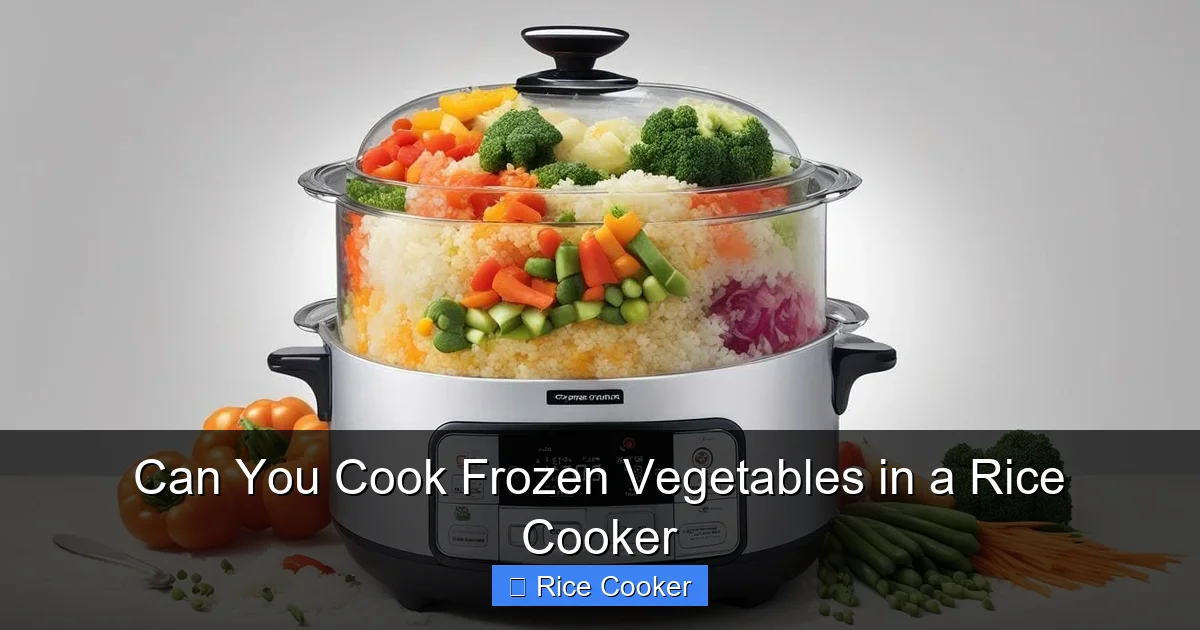
Visual guide about Can You Cook Frozen Vegetables in a Rice Cooker
Image source: ricearray.org
Not all rice cookers are created equal. Before diving into recipes, it’s important to understand what your specific model can do. Older or simpler rice cookers typically have only two settings: “cook” and “warm.” These work well for basic steaming tasks but lack advanced features. Newer digital models may include:
- Steaming function: Ideal for delicate vegetables like broccoli or green beans.
- Browning or sauté mode: Allows you to lightly sear onions or garlic before adding veggies and liquid.
- Multi-grain or vegetable setting: Some premium models optimize cooking times and temperatures for non-rice foods.
- Timer and delay functions: Perfect for scheduling meals ahead of time.
If your rice cooker doesn’t have a dedicated steamer basket, don’t worry. Many people successfully cook frozen vegetables directly in the inner pot by adjusting water levels and cooking time. The key is knowing whether your machine steams from above (with a separate tray) or uses internal vapor (common in newer designs).
Types of Rice Cookers and Their Suitability
- Basic Rice Cooker (Non-Smart): Works fine for frozen veggies if used correctly. Best for simple steaming.
- Digital Rice Cooker: Offers more control over temperature and timing—great for experimenting with different veggie combinations.
- Induction Heating Rice Cooker: Uses magnetic fields for rapid, even heating. Excellent for browning and crisping frozen vegetables.
- Pressure Cooker + Rice Cooker Combo: While not necessary for veggies alone, these allow you to cook proteins and grains together with vegetables.
No matter your model, the core principle remains the same: add liquid, cover, and let the appliance handle the rest.
Step-by-Step Guide: How to Cook Frozen Vegetables in a Rice Cooker
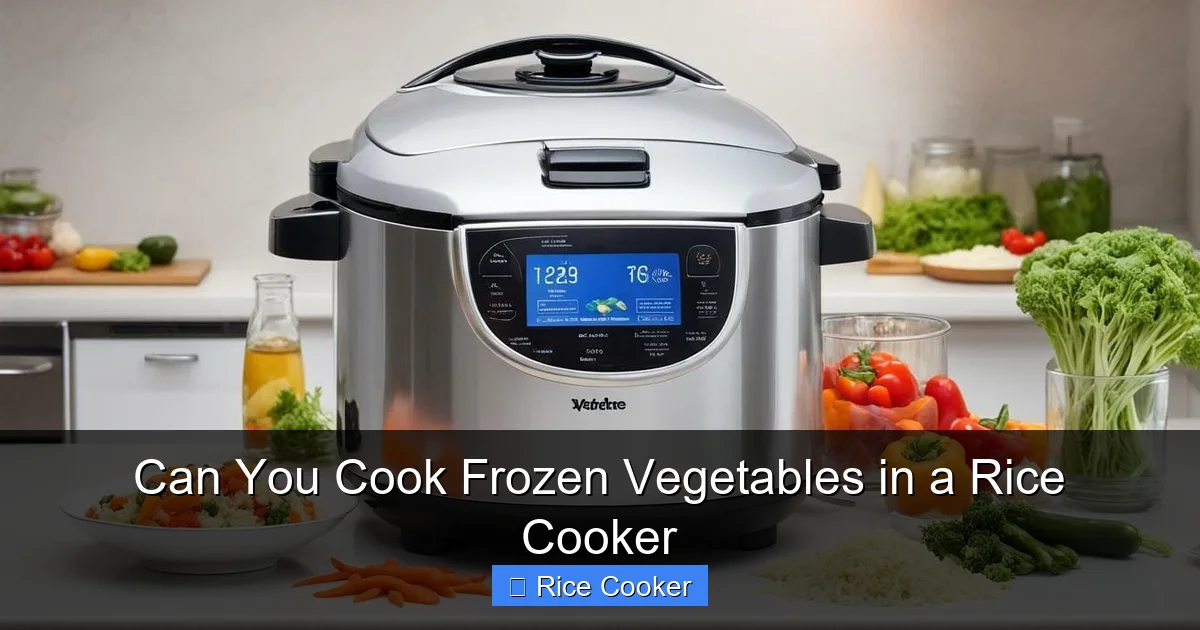
Visual guide about Can You Cook Frozen Vegetables in a Rice Cooker
Image source: ricearray.org
Ready to give it a try? Here’s a foolproof method that works with almost any rice cooker and frozen vegetable blend.
What You’ll Need
- Frozen vegetable mix (e.g., broccoli florets, carrots, peas, corn)
- 1–2 cups water or broth (depending on quantity)
- Olive oil, butter, or cooking spray
- Seasonings (salt, pepper, garlic powder, onion powder, herbs)
- Measuring cup
- Tongs or spatula
Step 1: Prepare Your Inner Pot
Start by rinsing your rice cooker’s inner pot with warm soapy water if it hasn’t been cleaned recently. Dry thoroughly. Lightly coat the bottom with oil or butter to prevent sticking—this is especially helpful if you’re cooking larger quantities or mixing textures.
Step 2: Add Vegetables and Seasonings
Open your frozen vegetable bag and pour the contents directly into the inner pot. Do not thaw beforehand—frozen veggies release less water during cooking, helping maintain texture. Sprinkle with salt, pepper, and any other desired seasonings. If using herbs like rosemary or thyme, crush them slightly between your fingers for better flavor release.
Step 3: Pour in Liquid
Add 1 cup of water for every 2–3 cups of vegetables. For example, if you’re cooking a standard 12-ounce bag (about 3 cups), use roughly 1.5 cups of liquid. Broth instead of water adds extra depth of flavor and counts toward your daily fluid intake. Avoid overfilling—most rice cookers hold no more than 3–4 cups total.
Step 4: Stir Gently and Close Lid
Use a fork or spoon to mix everything lightly. Make sure the lid is securely closed—steam needs to circulate inside. Set your rice cooker to the “Cook” or “Steam” setting. If available, choose a shorter cycle (like “Quick Steam”) to avoid mushy results.
Step 5: Wait and Check
Most frozen vegetable mixes take 6–10 minutes to cook fully. Once the cycle ends, open the lid carefully (watch out for escaping steam!) and check for doneness. Vegetables should be tender but still bright-colored and slightly crisp. If they’re undercooked, close the lid and let them steam for another 2–3 minutes.
Step 6: Fluff and Serve
Use a fork to gently fluff the vegetables—similar to how you’d fluff rice. Transfer to a serving bowl and enjoy immediately. Leftovers store well in the fridge for up to 4 days.
Best Practices for Perfect Results Every Time
Even with a great recipe, small details make a big difference. Follow these best practices to ensure your frozen vegetables come out vibrant, tasty, and perfectly textured.
Don’t Overcrowd the Pot
Just like with rice, too many vegetables mean uneven cooking. If you’re preparing a large batch, consider cooking in two smaller loads rather than one massive pile. This ensures each piece gets enough heat and airflow.
Adjust Water Based on Vegetable Type
Thicker cuts like carrots or potatoes need more liquid and longer cooking times. Finer mixes like spinach or edamame require less water and cook faster. As a rule:
- Leafy greens (spinach, kale): ½ cup water per 2 cups veggies
- Broccoli, cauliflower: 1 cup water per 2 cups
- Mixed stir-fry blends: ¾ cup water per 2 cups
Use a Timer for Precision
Digital rice cookers often show countdown timers. Set an alarm on your phone as a backup—it’s easy to forget how long something has been cooking. Overcooking leads to mushy, flavorless vegetables.
Experiment with Accompaniments
Boost nutrition and flavor by pairing your cooked veggies with:
- Dairy: Crumbled feta, grated Parmesan, or Greek yogurt
- Protein: Shredded chicken, tofu, or scrambled eggs folded in at the end
- Grains: Cook rice or quinoa alongside for a complete meal
- Sauces: Sriracha mayo, teriyaki glaze, or lemon-tahini dressing
Keep a “Veggie Journal”
Track what works best for you. Note the type of rice cooker, vegetable brand, water amount, and cooking time. Over time, you’ll develop personal shortcuts that skip trial and error.
Creative Recipes Using Frozen Veggies in a Rice Cooker
Once you master the basics, the possibilities expand. Here are five delicious ideas to inspire your next meal.
1. Mediterranean Veggie Bowl
Combine frozen bell peppers, zucchini, and chickpeas with 1 cup chicken broth. Season with oregano, cumin, and lemon juice. After cooking, top with olives, crumbled halloumi, and fresh parsley. Serve over couscous cooked in the same pot.
2. Garlic Butter Steamed Greens
Sauté minced garlic in butter using the “browning” function (if available). Add frozen kale or collard greens and ½ cup water. Cover and cook until wilted. Finish with a squeeze of lime and sesame seeds.
3. Asian-Inspired Stir-Fry Mix
Mix frozen broccoli, snap peas, and carrots with soy sauce, ginger, and a dash of honey. Cook with 1 cup water until tender-crisp. Stir in cooked brown rice near the end for a balanced plate.
4. Creamy Coconut Curry Veggies
Layer frozen cauliflower, sweet potato cubes, and peas in the pot. Add 1.5 cups coconut milk and curry powder. Cook until potatoes are fork-tender. Garnish with cilantro and serve with jasmine rice.
5. Breakfast Scramble Base
Prep a batch of roasted frozen potatoes and onions ahead of time. In the morning, scramble eggs in the same pot and fold in the cooked veggies. Top with avocado and hot sauce for a protein-packed breakfast.
These recipes showcase how versatile your rice cooker truly is. From global flavors to comfort classics, frozen vegetables become the star—not the afterthought.
Troubleshooting Common Issues
Even experienced cooks run into hiccups. Here’s how to fix frequent problems.
Problem: Vegetables Are Soggy or Watery
This usually happens when there’s too much liquid or the cooker isn’t draining steam properly. Try reducing water by ¼ cup next time, and ensure the lid seal is tight. Also, avoid opening the lid frequently during cooking.
Problem: Food Sticks to the Bottom
Oil prevents sticking, but sometimes even greasy pots leave residue. If this occurs, soak the pot in warm soapy water before scrubbing. Never use metal utensils—they scratch non-stick coatings.
Problem: Uneven Cooking
Smaller pieces cook faster than larger ones. Cut thick vegetables into similar sizes before freezing (or buy pre-cut mixes). Stir once halfway through cooking to redistribute heat.
Problem: Steam Doesn’t Escape Properly
Check that the vent on the lid isn’t blocked. Some models have adjustable steam valves—make sure yours is set to “open” during cooking.
Problem: Rice Cooker Smells Bad After Cooking Veggies
Food odors can linger. Run a cycle with plain water and a drop of vinegar to neutralize smells. Alternatively, place baking soda in the pot overnight to absorb lingering aromas.
With patience and practice, these issues become rare. Remember: every mistake teaches you something new.
Environmental and Health Benefits
Choosing to cook frozen vegetables in a rice cooker isn’t just convenient—it’s also better for the planet and your health.
Frozen produce is picked at peak ripeness and flash-frozen, locking in nutrients. Studies show that vitamins like vitamin C and folate remain stable through freezing. By avoiding repeated thawing/refreezing cycles at home, you reduce food waste. Plus, using less energy means lower carbon emissions.
From a health standpoint, incorporating more vegetables supports digestion, immunity, and chronic disease prevention. And because rice cookers cook quickly, you’re less likely to reach for processed snacks when hunger strikes.
Finally, this method encourages creativity. Instead of defaulting to canned or dried veggies, you’re more likely to experiment with seasonal blends—making nutrition fun and sustainable.
Frequently Asked Questions
How long does it take to cook frozen vegetables in a rice cooker?
Most frozen vegetable mixes take 6–10 minutes to cook fully. Smaller pieces like peas or corn cook faster (around 5–6 minutes), while thicker cuts like carrots or potatoes may need closer to 10 minutes. Always check for doneness before serving.
Do I need to thaw frozen vegetables first?
No, you don’t need to thaw them. In fact, cooking frozen vegetables directly from the freezer helps retain their texture and reduces water content, preventing sogginess. Just make sure your rice cooker has enough liquid to compensate.
Can I cook meat and vegetables together in a rice cooker?
Yes! Many people cook chicken, beef, or tofu with frozen vegetables in the same pot. Brown the protein first (if your model has a sauté function), then add veggies and liquid. Total cooking time increases slightly, but you get a complete meal in one appliance.
What’s the best way to season frozen vegetables in a rice cooker?
Start with basic salt and pepper, then customize based on your dish. Olive oil, garlic powder, smoked paprika, soy sauce, or fresh herbs all work well. For richer flavor, brown onions or garlic at the beginning using the “browning” setting.
Will my rice cooker break if I cook vegetables instead of rice?
No—rice cookers are designed to handle a variety of foods, including vegetables, soups, and even desserts. As long as you follow manufacturer guidelines (especially regarding water levels), your appliance will remain safe and functional.
Can I reheat leftover frozen vegetables in a rice cooker?
Absolutely. Simply add a splash of water or broth to prevent drying out, cover, and select the “Warm” or “Cook” setting for 2–3 minutes. Stir halfway through for even heating. This works best for small portions—larger amounts may require longer time.