
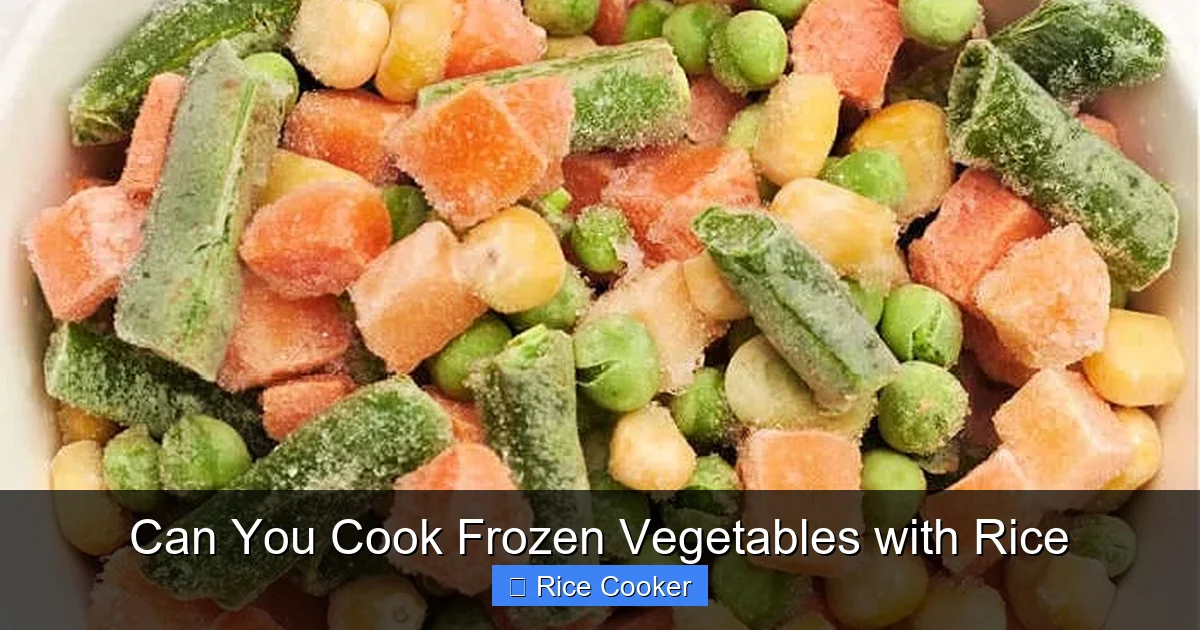
Can you cook frozen vegetables with rice? Absolutely! Using a rice cooker, you can combine frozen vegetables and rice for a quick, healthy meal with minimal effort. This method preserves nutrients and adds variety to your diet without extra steps. Whether you’re meal prepping or making dinner on the fly, pairing frozen veggies with rice is a smart and tasty choice.
Key Takeaways
- Yes, it’s safe and effective: Cooking frozen vegetables with rice in a rice cooker works perfectly and requires no thawing.
- Time-saving: No need to wait for frozen veggies to thaw—just add them straight from the bag.
- Nutrient retention: Quick cooking helps preserve vitamins and minerals better than boiling alone.
- Flavor and texture balance: Frozen vegetables add color, crunch, and nutrition without overpowering the rice.
- Versatile recipes: Use this method for stir-fries, fried rice, grain bowls, or even casseroles.
- Minimal cleanup: One-pot cooking means fewer dishes and faster meals.
- Perfect for beginners: Simple instructions make this technique ideal for home cooks of all skill levels.
📑 Table of Contents
- Can You Cook Frozen Vegetables with Rice? A Complete Guide
- Why Combine Frozen Vegetables and Rice?
- How to Cook Frozen Vegetables with Rice in a Rice Cooker
- Best Frozen Vegetable Combinations for Rice
- Creative Recipe Ideas Using Frozen Vegetables and Rice
- Common Mistakes to Avoid
- Health Benefits of Combining Rice and Vegetables
- Environmental and Economic Advantages
- Final Thoughts: Why This Method Works So Well
Can You Cook Frozen Vegetables with Rice? A Complete Guide
Have you ever stared into your freezer, wondering what to make for dinner, only to find a half-full bag of frozen broccoli and a box of instant rice staring back at you? If so, you’re not alone. Many busy home cooks rely on frozen vegetables and rice as staples—but are they compatible? Can you cook frozen vegetables with rice together in a rice cooker?
The short answer is yes—absolutely! Not only is it possible, but it’s also one of the easiest, healthiest, and most convenient ways to prepare a balanced meal. With just a few minutes of prep and the right technique, you can transform simple ingredients into a flavorful dish that’s packed with fiber, vitamins, and plant-based goodness. In this article, we’ll walk you through everything you need to know: how to do it step by step, why it works so well, and even some creative recipe ideas to get you started.
Whether you’re using a basic electric rice cooker or a high-tech model with steam and sauté functions, combining frozen vegetables and rice is a foolproof method. You don’t need special equipment or advanced culinary skills—just a little know-how and a willingness to experiment. So grab your rice cooker, open that bag of mixed frozen veggies, and let’s dive in!
Why Combine Frozen Vegetables and Rice?
Cooking rice and frozen vegetables together isn’t just a random kitchen hack—it’s a practical solution backed by food science and modern lifestyle needs. Let’s break down the benefits.
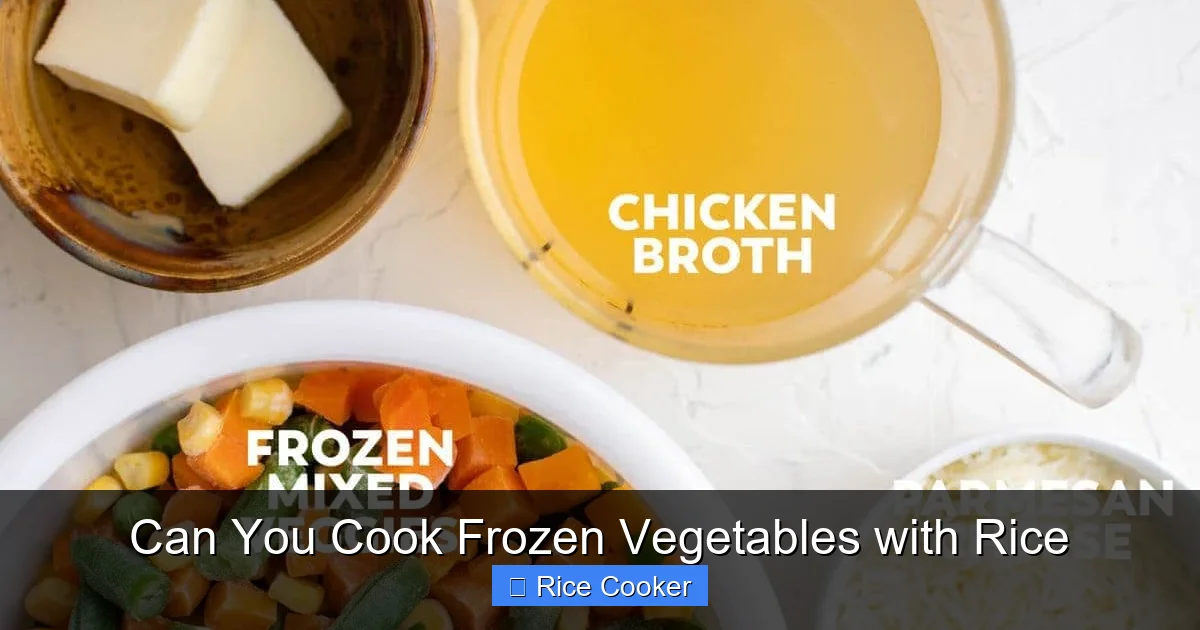
Visual guide about Can You Cook Frozen Vegetables with Rice
Image source: yellowblissroad.com
1. Time Efficiency
In today’s fast-paced world, convenience matters. Frozen vegetables don’t require washing, peeling, or chopping. Just pop them into the rice cooker with rice, press start, and walk away. The result? A complete meal in under 30 minutes. Compare that to steaming fresh vegetables separately, which takes longer and increases cleanup.
With a rice cooker handling both components simultaneously, you save time on preparation, cooking, and even post-meal cleanup. That’s efficiency you can taste.
2. Nutritional Boost
Rice provides carbohydrates for energy, while vegetables offer essential vitamins, minerals, and antioxidants. When you cook them together, you create a more balanced plate without extra calories or additives. Frozen vegetables are flash-frozen soon after harvest, locking in nutrients like vitamin C, folate, and potassium.
Cooking them with rice doesn’t destroy these nutrients. In fact, the moist heat from the rice cooker helps retain water-soluble vitamins better than dry-heat methods like roasting.
3. Flavor Integration
When rice and vegetables cook together, flavors blend naturally. The starchy liquid from the rice absorbs the subtle tastes of the veggies, creating a cohesive dish. Add a dash of soy sauce, garlic powder, or lemon juice, and you’ve got a restaurant-quality meal at home.
4. Waste Reduction
Using leftover rice and frozen veggies prevents food waste. Instead of letting rice cool and refrigerate, or tossing half a vegetable bag, combine them into a new dish. It’s sustainable, budget-friendly, and reduces clutter in your fridge.
How to Cook Frozen Vegetables with Rice in a Rice Cooker
You might be thinking, “Won’t the frozen vegetables make the rice soggy?” Great question. With the right approach, your rice stays fluffy and your veggies stay crisp-tender—even when cooked together.
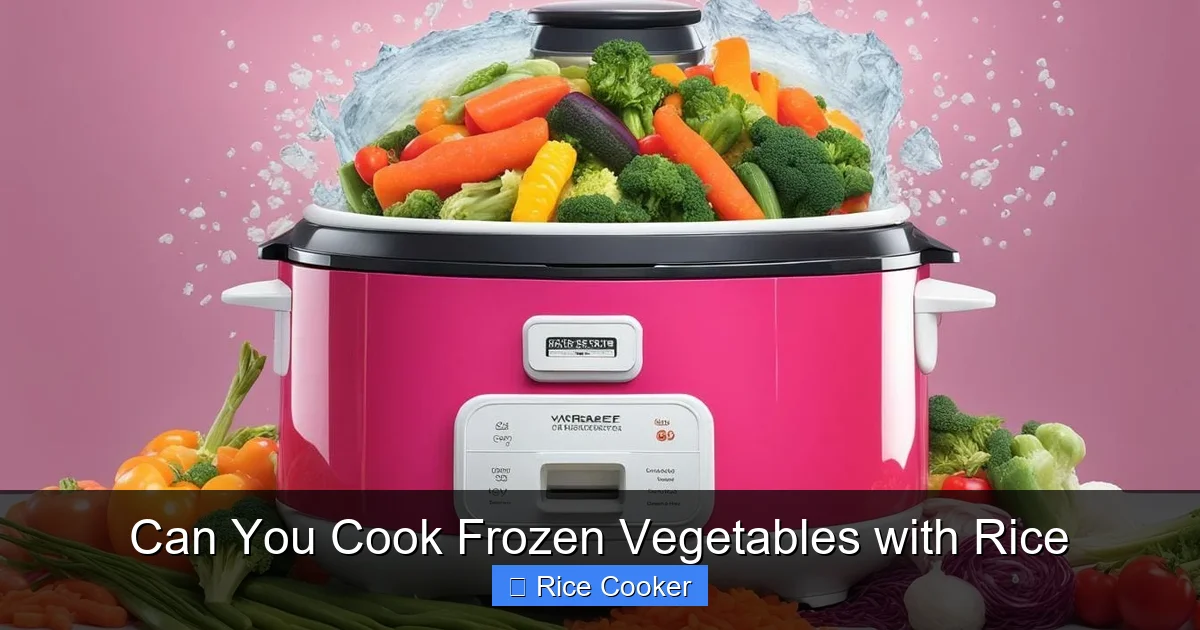
Visual guide about Can You Cook Frozen Vegetables with Rice
Image source: ricearray.org
Step-by-Step Instructions
- Gather Your Ingredients: Start with 1 cup of uncooked rice (white or brown), 1–1.5 cups of frozen vegetables (such as peas, carrots, corn, broccoli, or mixed stir-fry mix), and 2 cups of water (adjust based on rice type and desired consistency).
- Add Rice to the Inner Pot: Rinse the rice briefly (optional but recommended) and place it in the rice cooker pot.
- Layer the Vegetables: Do not thaw the frozen vegetables. Simply scatter them evenly over the rice. This helps prevent clumping and ensures even cooking.
- Add Water: Pour in the appropriate amount of water. For white rice, use a 1:2 ratio (1 cup rice to 2 cups water). For brown rice, increase to 1:2.25. If you prefer softer vegetables, add an extra ¼ cup of water.
- Close and Cook: Secure the lid and select the standard “Cook” setting. Most rice cookers automatically adjust cooking time based on the amount of rice.
- Let It Rest: Once done, let the mixture sit for 5–10 minutes with the lid closed. This allows residual heat to finish cooking the vegetables gently.
- Fluff and Serve: Use a fork to fluff the rice and separate any clumps. Stir to distribute the vegetables evenly.
Pro Tips for Success
- Don’t Overcrowd: Too many vegetables can release too much moisture, leading to mushy rice. Stick to 1–1.5 cups per cup of rice.
- Season After Cooking: Avoid adding salt or spices before cooking, as this can toughen vegetables. Instead, season with herbs, soy sauce, or chili flakes once done.
- Try Different Rice Types: Brown rice takes longer but pairs beautifully with steamed vegetables. Jasmine or basmati rice adds fragrance and lightness.
- Use a Lid Liner: Some rice cookers come with a steam vent. Covering it slightly with a paper towel helps trap steam without causing overflow.
Best Frozen Vegetable Combinations for Rice
Not all frozen vegetables behave the same way when cooked with rice. Some hold up better than others. Here are the top choices and why they work well.
1. Mixed Frozen Vegetables
This is the most popular blend, usually containing peas, carrots, corn, and green beans. They cook quickly and add natural sweetness and color. Perfect for beginners.
2. Broccoli and Cauliflower
These cruciferous veggies soften nicely in the rice cooker. They absorb flavors well and pair great with garlic and olive oil after cooking.
3. Bell Peppers and Onions
Look for frozen bell pepper and onion mixes. They caramelize slightly in the steam, adding depth and a hint of sweetness to savory rice dishes.
4. Spinach and Kale (in Small Amounts)
These leafy greens wilt quickly. Add them in the last 5 minutes of cooking if your rice cooker has a delay timer, or use sparingly to avoid a watery dish.
Avoid These
- Mushrooms: They release a lot of water and can make rice soggy.
- Artichokes or Brussels Sprouts (large pieces): They take longer to cook and may remain underdone.
Creative Recipe Ideas Using Frozen Vegetables and Rice
Once you master the basics, the possibilities expand. Here are five delicious ways to use this technique.
1. Asian-Inspired Fried Rice
After cooking rice and frozen stir-fry vegetables, fluff the rice and push it to the sides of the pot. Drizzle with 1 tablespoon of soy sauce, sesame oil, and a pinch of garlic powder. Let it steam for 2 minutes, then fold everything together. Top with a fried egg and green onions for a complete meal.
2. Mexican Rice Bowl
Cook brown rice with frozen corn, black beans (add after rice is done), and diced tomatoes (use canned or frozen). Season with cumin, chili powder, and lime juice. Serve with avocado slices and shredded cheese.
3. Mediterranean Grain Bowl
Combine cooked quinoa or rice with frozen artichoke hearts, olives, and spinach. Drizzle with olive oil, lemon zest, and oregano. Add feta cheese for a tangy finish.
4. Veggie-Packed Omelet Rice
After cooking, transfer half the rice mixture to a bowl. Beat two eggs and pour over the rice. Cover and let steam for 3 minutes until eggs are set. Fold and serve warm.
5. Leftover Makeover
Got leftover rice and frozen veggies? Turn them into a frittata by mixing with beaten eggs, milk, and cheese. Bake at 375°F (190°C) for 20–25 minutes.
Common Mistakes to Avoid
Even experienced cooks make errors when combining rice and frozen vegetables. Here’s how to dodge the pitfalls.
Mistake #1: Thawing the Vegetables First
Thawing releases excess water, leading to mushy rice. Skip this step unless you’re using a pressure cooker with controlled steam release.
Mistake #2: Adding Salt Before Cooking
Salt draws out moisture from vegetables, making the rice watery. Season after cooking instead.
Mistake #3: Using Too Much Liquid
Frozen vegetables contain water. Adding too much liquid results in sticky, soupy rice. Start with standard ratios and adjust next time.
Mistake #4: Not Stirring After Cooking
Rice settles and vegetables sink. Always fluff and stir before serving to ensure even distribution.
Health Benefits of Combining Rice and Vegetables
Beyond taste and convenience, this combo offers real nutritional advantages.
- Balanced Macronutrients: Rice gives you carbs for sustained energy; vegetables provide protein, fiber, and phytonutrients.
- Improved Digestion: Fiber from vegetables supports gut health, especially when paired with whole grains like brown rice.
- Antioxidant Power: Colorful frozen vegetables deliver antioxidants that fight inflammation and support immunity.
- Portion Control: One-pot meals encourage mindful eating and help maintain calorie balance.
Environmental and Economic Advantages
Choosing frozen vegetables isn’t just about convenience—it’s also smarter for your wallet and the planet.
- Reduced Food Waste: Frozen produce often has a longer shelf life and less spoilage.
- Lower Carbon Footprint: Flash-freezing preserves nutrients without long-distance shipping delays common with fresh produce.
- Budget-Friendly: Frozen vegetables are typically cheaper than fresh and last longer.
- No Prep Required: Save time on washing and chopping, reducing energy and water use.
Final Thoughts: Why This Method Works So Well
Cooking frozen vegetables with rice in a rice cooker is more than a shortcut—it’s a reflection of modern, mindful eating. It respects your time, supports your health, and reduces environmental impact. The rice cooker does the heavy lifting, gently steaming both components to perfection. No babysitting required.
And the best part? It’s adaptable. Whether you’re feeding a family, meal prepping for the week, or simply craving something warm and satisfying, this method delivers. Experiment with different vegetables, grains, and seasonings. Turn it into a curry, a risotto-style dish, or even a cold salad the next day.
So next time you open your freezer and see those frozen veggies calling your name, don’t hesitate. Grab your rice cooker, add some rice, and turn ordinary ingredients into extraordinary flavor. You’ll be amazed at how easy, nutritious, and delicious it can be.
Frequently Asked Questions
Can you cook frozen vegetables directly in the rice cooker with rice?
Yes, you can cook frozen vegetables directly in the rice cooker with rice. There’s no need to thaw them first, as the steam and heat will cook them evenly. Just add them on top of the rice before starting the cycle.
Will the rice become soggy if I add frozen vegetables?
Not if you follow proper ratios and don’t overcrowd the vegetables. The key is to use the right amount of water and avoid adding too many high-water-content veggies like mushrooms. Fluffing after cooking helps maintain texture.
What types of rice work best with frozen vegetables?
White rice, brown rice, jasmine, and basmati all work well. White rice cooks faster and stays fluffy, while brown rice adds more fiber and takes slightly longer. Choose based on your dietary preferences and cook time available.
How much water should I use when cooking rice and frozen vegetables together?
For every 1 cup of uncooked rice, use 2 cups of water for white rice and 2.25 cups for brown rice. If you’re adding frozen vegetables, stick to the higher end of the range if you want softer veggies, or reduce slightly for firmer ones.
Can I add protein like chicken or tofu to this dish?
Absolutely! Add cooked chicken, tofu, or scrambled eggs during the last 5 minutes of cooking. Alternatively, cook raw meat or tempeh first in a pan, then mix into the finished rice and vegetables.
Is it healthier to cook frozen vegetables with rice than separately?
Cooking them together is just as healthy, if not more so, because it encourages balanced meals and reduces the chance of overcooking vegetables. The main benefit is convenience and nutrient retention through gentle steam cooking.