
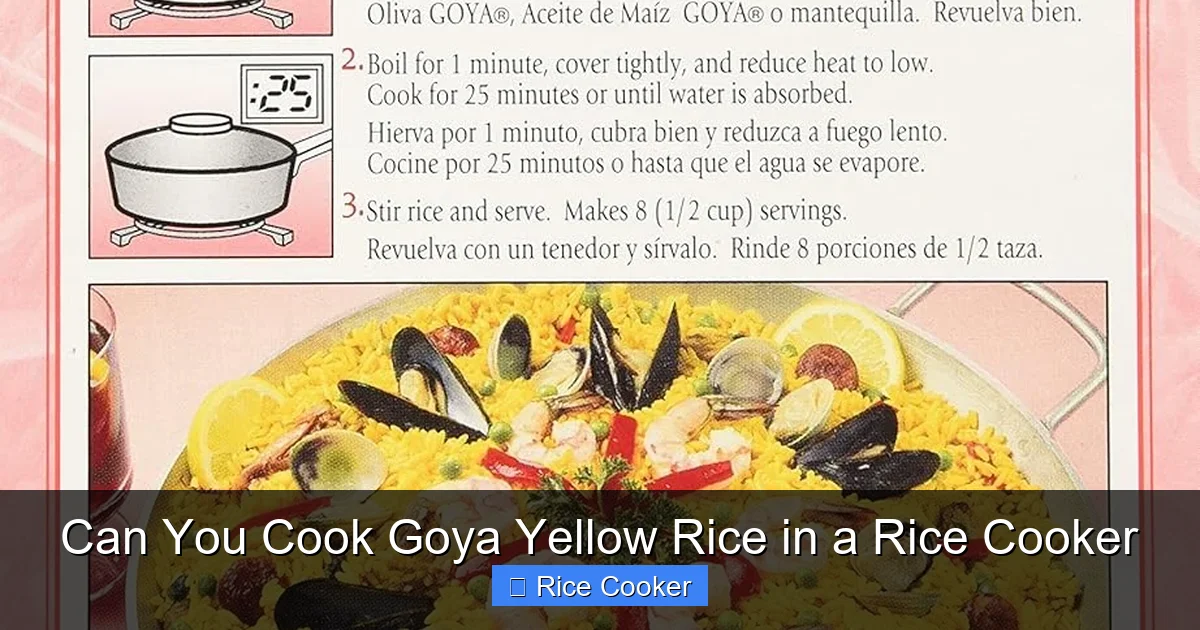
You absolutely can cook Goya Yellow Rice in a rice cooker — it’s simple, fast, and yields delicious, restaurant-quality results. With just a few adjustments to water ratios and timing, your rice cooker becomes the perfect tool for this popular pantry staple. Whether you’re meal prepping or whipping up dinner in 30 minutes, this method saves time without sacrificing flavor.
Key Takeaways
- Yes, it works: Goya Yellow Rice mixes can be cooked in any standard rice cooker without special equipment.
- Adjust water carefully: The exact water-to-rice ratio is crucial — too much or too little affects texture and doneness.
- Pre-soaking helps: Soaking the mix for 15–30 minutes can improve consistency and reduce cooking time.
- Seasoning flexibility: While the mix includes spices, you can customize flavor with garlic, cumin, or chicken broth for extra depth.
- Cooking time varies: Most rice cookers take 25–40 minutes, but always check the manual for specific settings.
- Storage & reheating tips: Leftovers store well for up to 5 days and reheat beautifully in a microwave or skillet.
- Common mistakes to avoid: Stirring during cooking, using incorrect water levels, or opening the lid too often can ruin the result.
📑 Table of Contents
- Can You Cook Goya Yellow Rice in a Rice Cooker?
- Why Choose a Rice Cooker for Goya Yellow Rice?
- What Is Goya Yellow Rice?
- Step-by-Step Guide: Cooking Goya Yellow Rice in a Rice Cooker
- Tips for Perfect Goya Yellow Rice Every Time
- Common Mistakes and How to Fix Them
- Variations and Creative Serving Ideas
- Frequently Asked Questions
Can You Cook Goya Yellow Rice in a Rice Cooker?
If you’re a fan of bold flavors, aromatic spices, and meals that come together quickly, chances are you’ve seen Goya Yellow Rice at the store. It’s a pantry favorite in many Latino households, known for its vibrant color, savory taste, and versatility. But here’s the big question: **Can you cook Goya Yellow Rice in a rice cooker?** The short answer? Absolutely. In fact, using a rice cooker might just give you the most consistent, foolproof results.
Goya Yellow Rice is a ready-mix that typically includes long-grain white rice, saffron (or turmeric), garlic powder, salt, and sometimes other seasonings like paprika or cumin. Unlike plain white rice, this blend is designed to infuse your dish with a warm, earthy flavor that pairs wonderfully with grilled meats, beans, or roasted vegetables. And because it comes pre-seasoned, it cuts down on prep time — perfect for busy weeknights.
But while the convenience of the mix is undeniable, cooking it properly still requires attention to detail. That’s where the rice cooker shines. These handy appliances are designed to handle rice with precision, maintaining the ideal temperature and moisture balance. When you use one, you’re not just boiling water and hoping for the best — you’re leveraging technology that monitors and adjusts throughout the process.
In this article, we’ll walk through everything you need to know about cooking Goya Yellow Rice in a rice cooker. From choosing the right model to mastering water ratios and avoiding common pitfalls, we’ve got you covered. Whether you’re a beginner or a seasoned home cook, you’ll walk away with confidence and a perfectly cooked pot of yellow rice every time.
Why Choose a Rice Cooker for Goya Yellow Rice?
Before diving into the “how-to,” let’s talk about why a rice cooker is such a great choice for this dish. Unlike stovetop methods that require constant monitoring, stirring, and risk of scorching, a rice cooker automates the process. Once you add the ingredients and press start, the machine does the rest — no babysitting required.
Rice cookers are especially effective for Goya Yellow Rice because they maintain a consistent internal temperature. This ensures even cooking, prevents burning, and helps the rice absorb moisture evenly. Plus, most models come with a keep-warm function, so your rice stays hot and fresh until you’re ready to serve.
Another advantage is texture control. Overcooked rice can turn mushy, while undercooked grains leave you with a gummy mess. A good rice cooker senses when the water has been fully absorbed and automatically switches to warm mode — reducing guesswork and improving consistency.
For those who value speed and simplicity, rice cookers also save time. No measuring spoons, no simmering on the stove, and no stirring. Just measure, add, and press. This makes them ideal for families, meal preppers, or anyone looking to cut down on kitchen cleanup.
Finally, rice cookers are compact and energy-efficient. They don’t heat the entire kitchen, and many modern models have digital timers and preset functions for different types of rice — including white, brown, and even specialty blends like Goya Yellow Rice.
What Is Goya Yellow Rice?
Goya Foods, a trusted name in Hispanic cuisine, offers several versions of Yellow Rice, but the most common is their classic blend. It’s made from long-grain white rice that’s been pre-cooked and then dried to create a convenient mix. What sets it apart is the inclusion of turmeric or saffron, which gives it that signature golden hue and slightly nutty, earthy flavor.
Unlike plain white rice, Goya Yellow Rice isn’t just about carbohydrates — it’s a flavorful base for many dishes. It’s traditionally served with arroz con pollo (chicken and rice), paella-inspired recipes, or alongside grilled steak and plantains. The spice blend usually contains garlic, onion powder, salt, and sometimes black pepper or cumin, making it a complete seasoning package.
One thing to note: the mix may include dehydrated onions and peppers in some varieties, which add a subtle crunch and sweetness. This means your final dish will have layers of flavor beyond just rice and water.
Because Goya Yellow Rice is a processed mix, it cooks faster than raw rice. However, it still needs proper hydration and time to reach the right texture. That’s why understanding how to balance water and cooking time is essential — especially when using a rice cooker.
Step-by-Step Guide: Cooking Goya Yellow Rice in a Rice Cooker
Now comes the fun part: actually making the rice. Follow these simple steps, and you’ll have a fluffy, golden pot in under an hour.
What You’ll Need
- 1 cup Goya Yellow Rice mix
- 1.5 to 2 cups water (adjust based on your rice cooker)
- A clean rice cooker pot (non-stick recommended)
- Measuring cup
- Optional: butter, olive oil, or chicken broth for added richness
Step 1: Measure and Rinse (Optional)
While Goya Yellow Rice is already cleaned and seasoned, rinsing removes excess starch and prevents clumping. Fill the rice cooker pot with cold water, add the rice, and swirl gently. Drain and repeat once or twice. This step is optional but helpful if you prefer less stickiness.
Step 2: Add Water
The water level is critical. For most rice cookers, use a 1:1.5 ratio — that’s 1 cup rice to 1.5 cups water. If your cooker has markings, follow those. If not, aim for the rice to be just covered when water is added. Too little water = dry rice. Too much = mushy rice.
Step 3: Add Flavor Enhancements (Optional)
For extra depth, consider adding:
- 1 tablespoon butter or olive oil
- A pinch of cumin or smoked paprika
- Half a cup of chicken or vegetable broth instead of water
- A sliced onion or bell pepper for added texture
These tweaks elevate the dish without complicating the process.
Step 4: Start Cooking
Close the lid, plug in the rice cooker, and select the “White Rice” or “Normal” setting. Most models will take between 25 and 35 minutes. Avoid lifting the lid during cooking — doing so lets steam escape, which can throw off timing.
Step 5: Let It Rest
Once the cycle ends, let the rice sit for 5–10 minutes with the lid closed. This allows the grains to finish absorbing moisture and makes fluffing easier.
Step 6: Fluff and Serve
Use a fork to gently fluff the rice, separating any clumps. Serve immediately while hot.
Tips for Perfect Goya Yellow Rice Every Time
Even with a reliable rice cooker, small details make a big difference. Here are expert tips to ensure success:
Use Fresh Ingredients
Check the expiration date on your Goya Yellow Rice mix. Old mixes lose potency and may not cook evenly. Also, ensure your water is fresh — stale or chlorinated water can affect flavor.
Don’t Skip the Resting Period
Resist the urge to open the lid right after cooking. Steam builds pressure inside, and releasing it early can cause uneven texture. Letting the rice rest ensures every grain is tender.
Adjust for Altitude
If you live at high elevation, water boils at a lower temperature. You may need to increase water by 1–2 tablespoons per cup of rice. Keep an eye on the first batch to fine-tune the ratio.
Experiment with Liquid
Instead of plain water, try coconut milk for a creamy twist, or tomato juice for a more robust flavor. Just adjust the amount to maintain the right consistency.
Keep a Cookbook or App Handy
Many rice cooker brands offer companion apps or manuals with preset times for different grains. Look for “Yellow Rice” or “Mixed Grain” settings — they often work well for Goya blends.
Clean Your Rice Cooker Regularly
Over time, mineral buildup and food residue can affect performance. After each use, wash the inner pot with warm, soapy water. Some parts are dishwasher-safe, but check your model’s instructions.
Store Leftovers Properly
Let cooled rice come to room temperature before refrigerating. Store in an airtight container for up to 5 days. Reheat in a microwave with a splash of water or steam in a covered dish.
Common Mistakes and How to Fix Them
Even experienced cooks run into hiccups. Here’s how to spot and fix common issues:
Mushy or Sticky Rice
This usually means too much water or overcooking. Next time, reduce water by 1/4 cup and avoid opening the lid. Stirring during cooking also contributes to stickiness — let the rice cook undisturbed.
Undercooked Grains
If your rice is still hard in the center, it likely didn’t get enough time or heat. Add 1–2 tablespoons of water, close the lid, and let it cook another 5 minutes. Don’t stir — just wait.
Pale or Unfamiliar Taste
If the rice looks gray or tastes bland, your mix may be old or stored improperly. Turmeric fades over time, and spices lose potency. Always store in a cool, dry place in an airtight container.
Rice Burned at the Bottom
This happens when the bottom layer dries out. To prevent it:
- Ensure the inner pot is clean and free of residue
- Add a thin layer of water or oil at the bottom
- Don’t overcrowd the pot — stick to manufacturer guidelines
Lid Won’t Seal or Leaks Steam
A faulty seal can ruin cooking efficiency. Check the rubber gasket around the lid for cracks or debris. Clean it thoroughly and replace if necessary.
Variations and Creative Serving Ideas
Goya Yellow Rice is incredibly versatile. Once you’ve mastered the basic recipe, try these creative twists:
Add Protein
Stir in cooked black beans, shredded chicken, shrimp, or chorizo for a heartier meal. The spices in the rice complement savory proteins beautifully.
Make It Vegetarian
Sauté diced bell peppers, onions, and tomatoes before adding water. Top with olives and peas for a colorful, flavorful bowl.
Spice It Up
Add a pinch of cayenne for heat, or swap turmeric with annatto powder for a deeper red-orange color. Fresh cilantro or lime juice brightens the dish at the end.
Serving Suggestions
Serve alongside:
- Grilled chicken or steak
- Black bean soup
- Fried plantains
- Avocado slices
- Hot sauce or chimichurri
It’s the perfect side for parties, family dinners, or meal prep lunches.
Frequently Asked Questions
How much water do I use for Goya Yellow Rice in a rice cooker?
Use 1.5 cups of water for every 1 cup of Goya Yellow Rice mix. Adjust slightly based on your rice cooker model and altitude. Too much water leads to mushy rice; too little results in dry grains.
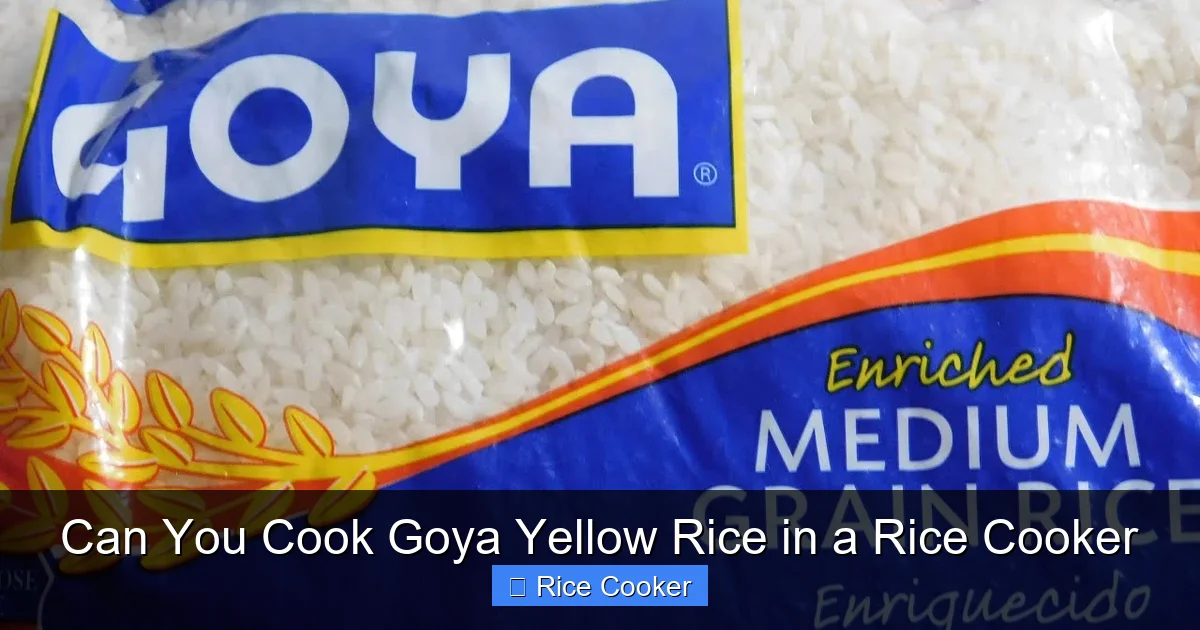
Visual guide about Can You Cook Goya Yellow Rice in a Rice Cooker
Image source: i.ytimg.com

Visual guide about Can You Cook Goya Yellow Rice in a Rice Cooker
Image source: 131932500.cdn6.editmysite.com
Can I substitute chicken broth for water?
Yes! Chicken broth adds rich flavor and keeps the rice moist. Use equal amounts as you would water, or mix half broth and half water for balanced taste.
Do I need to soak the Goya Yellow Rice mix?
Soaking is optional but helpful. Let the mix sit in water for 15–30 minutes before cooking to soften and cook more evenly. Drain before proceeding.
Can I cook Goya Yellow Rice in a slow cooker?
It’s possible, but not ideal. Slow cookers don’t provide the direct heat needed for proper rice texture. You’ll likely end up with mushy or undercooked rice.
How long does cooked Goya Yellow Rice last in the fridge?
Store in an airtight container for up to 5 days. Reheat with a splash of water or in a covered microwave-safe dish to restore moisture.
Is Goya Yellow Rice gluten-free?
Yes, traditional Goya Yellow Rice mix is gluten-free, made from rice, spices, and natural coloring. Always check the label if you have sensitivities, as cross-contamination can occur.
Frequently Asked Questions
How much water do I use for Goya Yellow Rice in a rice cooker?
Use 1.5 cups of water for every 1 cup of Goya Yellow Rice mix. Adjust slightly based on your rice cooker model and altitude. Too much water leads to mushy rice; too little results in dry grains.
Can I substitute chicken broth for water?
Yes! Chicken broth adds rich flavor and keeps the rice moist. Use equal amounts as you would water, or mix half broth and half water for balanced taste.
Do I need to soak the Goya Yellow Rice mix?
Soaking is optional but helpful. Let the mix sit in water for 15–30 minutes before cooking to soften and cook more evenly. Drain before proceeding.
Can I cook Goya Yellow Rice in a slow cooker?
It’s possible, but not ideal. Slow cookers don’t provide the direct heat needed for proper rice texture. You’ll likely end up with mushy or undercooked rice.
How long does cooked Goya Yellow Rice last in the fridge?
Store in an airtight container for up to 5 days. Reheat with a splash of water or in a covered microwave-safe dish to restore moisture.
Is Goya Yellow Rice gluten-free?
Yes, traditional Goya Yellow Rice mix is gluten-free, made from rice, spices, and natural coloring. Always check the label if you have sensitivities, as cross-contamination can occur.