
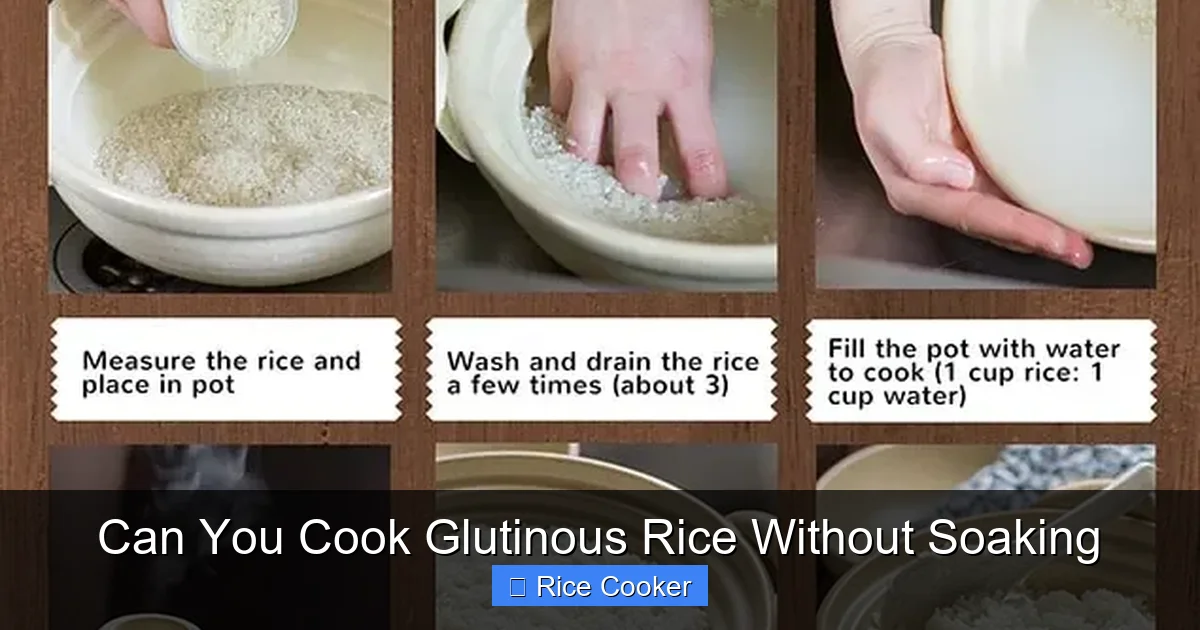
Yes, you can cook glutinous rice without soaking it, but doing so requires extra attention to water ratios and cooking time. While soaking is optional, it significantly improves texture and reduces cooking time. For best results, use a rice cooker with precise temperature control and monitor the process closely.
Key Takeaways
- Soaking is optional but beneficial: While not required, soaking glutinous rice for 30 minutes to several hours softens the grains and ensures even cooking.
- Adjust water ratio carefully: Glutinous rice absorbs more water than regular rice, so start with a higher water-to-rice ratio (1:1.5 to 1:2) when skipping soak.
- Use a rice cooker with keep-warm function: This helps maintain moisture and prevents drying out during longer cooking times.
- Pre-rinse to remove excess starch: Rinsing reduces stickiness and helps separate individual grains when cooked dry.
- Monitor cooking progress: Glutinous rice cooks faster than long-grain rice, so check after 15–20 minutes to avoid overcooking.
- Rest before serving: Let cooked rice sit covered for 10 minutes to allow steam to redistribute and soften the texture.
📑 Table of Contents
- Can You Cook Glutinous Rice Without Soaking?
- Understanding Glutinous Rice: What Makes It Different?
- Why People Traditionally Soak Glutinous Rice
- How to Cook Glutinous Rice Without Soaking: Step-by-Step Guide
- Common Mistakes When Skipping Soaking
- Tips for Perfect Unsoaked Glutinous Rice Every Time
- Frequently Asked Questions
- Conclusion: Mastery Through Practice
Can You Cook Glutinous Rice Without Soaking?
You’re probably standing in your kitchen right now, staring at a bag of glutinous rice—also known as sweet rice or sticky rice—and wondering: Do I really need to soak this before cooking? Maybe you’re short on time. Maybe you forgot to plan ahead. Or maybe you just want to know if skipping that step will ruin your dish. The good news? Yes, you absolutely can cook glutinous rice without soaking it. But like many things in cooking, the answer isn’t black and white—it’s more like gray with a few helpful hints.
Glutinous rice behaves differently from the rice you use for sushi or jasmine dishes. It lacks amylose, the starch that makes regular rice fluffy and separate, which means it becomes wonderfully chewy and cohesive when cooked properly. However, because it’s high in amylopectin (a type of starch), it also tends to clump together unless handled correctly. Soaking helps break down some of that starch and softens the grain, making it easier to cook evenly. But what if you don’t have time? Can your rice cooker save the day?
In this article, we’ll walk through everything you need to know about cooking glutinous rice without soaking—how to do it successfully, what pitfalls to avoid, and how to adapt your method based on your recipe and equipment. Whether you’re making mochi, arroz glutinoso for Latin desserts, or a savory sticky rice bowl, these tips will help you get perfect results every time.
Understanding Glutinous Rice: What Makes It Different?
The Science Behind Sticky Texture
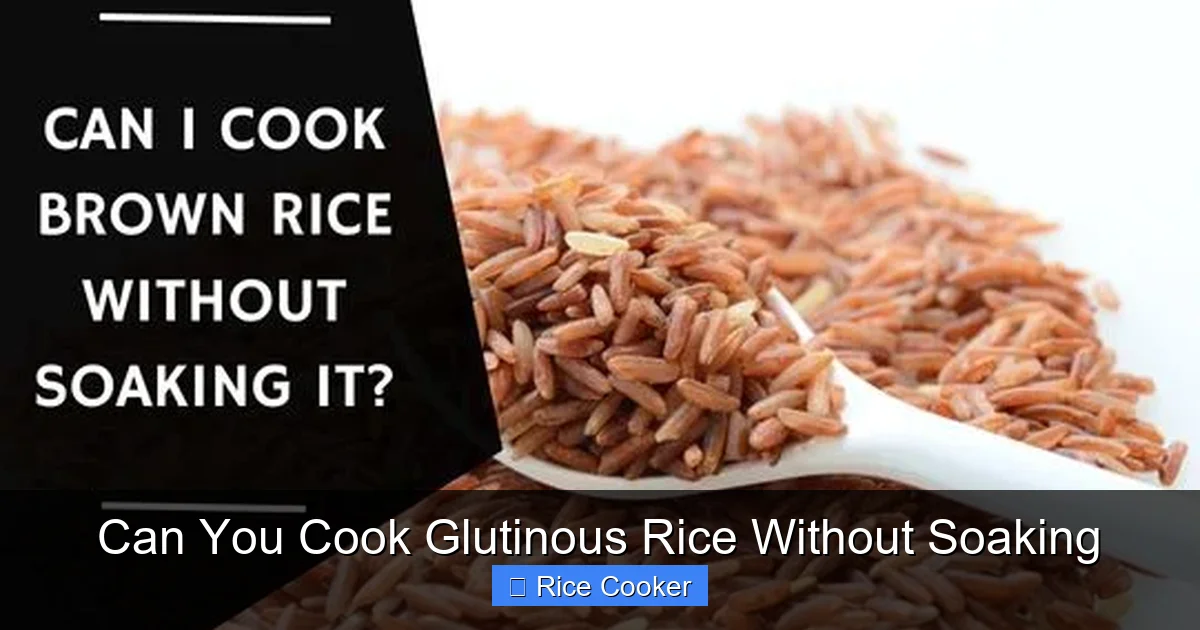
Glutinous rice gets its signature stickiness from amylopectin, a highly branched starch molecule. Unlike regular rice, which contains both amylose and amylopectin, glutinous rice is almost entirely amylopectin. When heated with water, this starch gelatinizes—meaning it swells and thickens—creating that characteristic chewy, cohesive texture beloved in East Asian cuisines.
Visual guide about Can You Cook Glutinous Rice Without Soaking
Image source: ediblenosh.com
This unique property also makes glutinous rice tricky to cook if you’re used to traditional methods. Because it doesn’t absorb water as predictably as other rices, getting the right consistency requires precision. Skipping the soak changes how the rice interacts with heat and moisture, so understanding these differences is key to success.
Common Uses Around the World
From Thailand’s khao niew (sticky rice) served with grilled meats to Mexico’s arroz glutinoso in champurrado, and even Southern U.S. recipes calling for sweet rice flour in puddings, glutinous rice plays a starring role across cultures. In each case, achieving the right mouthfeel—neither too hard nor too mushy—is essential.
When cooking without soaking, your goal shifts from passive waiting to active management. You’ll need to pay closer attention to water levels, timing, and post-cooking steps to mimic the benefits of soaking.
Why People Traditionally Soak Glutinous Rice
Improved Cooking Efficiency
The primary reason most recipes call for soaking glutinous rice is efficiency. Soaking softens the outer layer of the grain, allowing water to penetrate more easily during cooking. This means less time spent simmering and lower risk of uneven textures—some grains staying firm while others turn to mush.
Visual guide about Can You Cook Glutinous Rice Without Soaking
Image source: metrocookingdallas.com
Studies show that soaking reduces cooking time by up to 25% compared to unsoaked rice. That might not sound dramatic, but when you’re making large batches for family gatherings or restaurant prep, every minute counts.
Enhanced Texture and Flavor Absorption
Soaked rice also absorbs flavors better. If you’re infusing your rice with coconut milk, salt, or aromatics like pandan leaves, pre-soaking ensures those elements reach deep into each grain. Without soaking, flavor distribution may be uneven—especially noticeable in sweet dishes where subtlety matters.
Reduced Risk of Overcooking
Because soaked grains begin hydrating before heat is applied, they respond more uniformly to thermal energy. Unsoaked rice risks hot spots where the outer layers become gluey before the center softens enough. This is especially true in electric rice cookers, which rely on consistent steam release rather than direct flame regulation.
How to Cook Glutinous Rice Without Soaking: Step-by-Step Guide
Step 1: Choose the Right Rice
Not all glutinous rice is created equal. Look for packages labeled “glutinous,” “sweet,” or “sticky rice”—avoid mixes that include long-grain varieties. Short-grain or round-grain glutinous rice works best for most home applications due to its dense structure and minimal shrinkage during cooking.
Always check the expiration date and store opened bags in an airtight container away from strong-smelling foods. Moisture and odors can affect quality over time.
Step 2: Rinse Thoroughly
Even without soaking, rinsing is non-negotiable. Place the rice in a fine-mesh strainer and rinse under cold running water until the water runs clear. This removes surface starch that causes clumping and helps separate individual grains during cooking.
Pro tip: Gently rub the grains between your fingers while rinsing. This mechanical action further breaks down surface starch without damaging the kernel.
Step 3: Measure Water Carefully
This is where many beginners go wrong. Glutinous rice absorbs more water than regular rice, so using the standard 1:1 ratio will result in mushy or gummy rice. Instead, use a ratio between 1 cup rice to 1.5 to 2 cups water.
For example:
– 1 cup glutinous rice → 1.75 cups water
– 2 cups glutinous rice → 3.5 cups water
If your rice cooker has markings for different rice types, select “sticky” or “glutinous” mode. These settings typically adjust both water level and heating profile automatically.
Step 4: Add Flavor Enhancements (Optional)
While not necessary, adding flavor early can compensate for reduced absorption seen in unsoaked rice. Try mixing in:
– A pinch of salt
– ¼ teaspoon vanilla extract (for desserts)
– A strip of dried lime zest
– 2 tablespoons coconut milk
Note: Coconut milk adds richness but increases stickiness, so reduce water slightly if using.
Step 5: Cook Using High-Quality Equipment
A reliable rice cooker is your best ally here. Look for models with:
– Multiple preset programs (especially “sticky rice” or “porridge”)
– Precise temperature control
– Non-stick inner pot
– Keep-warm function
Place the rinsed rice and measured water in the pot. Close the lid and select the appropriate setting. If your cooker only has a basic “white rice” button, proceed with caution—monitor closely after the first 15 minutes.
Step 6: Monitor During Cooking
Unlike soaked rice, unsoaked glutinous rice may take longer to absorb water. After the initial cycle completes, check the rice:
– If still firm in the center, add 1–2 tablespoons water, cover, and cook for another 5–10 minutes on “keep warm” or low heat.
– Avoid opening the lid frequently—each time you lift it, steam escapes, slowing down hydration.
Step 7: Rest and Fluff
Once done, let the rice rest for 10 minutes with the lid closed. This allows residual steam to redistribute moisture evenly. Then fluff gently with a wooden spoon or rice paddle—never metal, which can damage the delicate texture.
Common Mistakes When Skipping Soaking
Mistake 1: Using Too Little Water
Underwatered rice stays hard and chalky. Glutinous rice needs generous moisture to soften fully. Start with the higher end of your ratio range and adjust upward if needed.
Mistake 2: Not Rinsing Enough
Skipping or insufficient rinsing leads to gummy clumps. Always rinse until water runs clear—this step cannot be skipped even when soaking is omitted.
Mistake 3: Overmixing After Cooking
Stirring vigorously turns sticky rice into paste. Use light touches only when breaking apart large clusters.
Mistake 4: Ignoring Equipment Limitations
Budget rice cookers often lack the precise heat control needed for glutinous rice. Upgrade if you make it frequently.
Tips for Perfect Unsoaked Glutinous Rice Every Time
Tip 1: Toast Lightly Before Cooking (Advanced)
For extra nuttiness and improved texture, toast rinsed rice in a dry skillet over medium heat for 2–3 minutes before transferring to the cooker. Shake the pan occasionally to prevent burning. This mimics part of the soaking effect by pre-hydrating the surface starch.
Tip 2: Use Warm Water
Instead of cold water, use lukewarm water to jumpstart hydration. Warmer liquid penetrates the grain faster, reducing total cooking time.
Tip 3: Layer with Bamboo Steamer (Traditional Method)
After cooking base rice, place a bamboo steamer basket over it and add ingredients like mango slices or pork belly for steaming. This two-stage method ensures tender, separated grains without relying solely on soaking.
Tip 4: Store Leftovers Properly
Unsoaked cooked rice lasts longer than soaked because it retains less surface moisture. Cool completely, then refrigerate in an airtight container. Reheat with a splash of water or milk to revive texture.
Frequently Asked Questions
Does soaking glutinous rice change its nutritional value?
No significant nutrients are lost during soaking—any minor vitamin leaching occurs regardless of whether you soak or not. The main benefit is culinary, not nutritional.
Can I freeze glutinous rice before cooking?
Yes! Frozen glutinous rice can be cooked directly without thawing. Just increase water by 10% and extend cooking time slightly.
What happens if I accidentally use regular rice instead?
Regular rice won’t develop the same chewiness. It may also become overly soft or fall apart when handled, especially in recipes requiring shape retention like mochi.
Is it safe to eat glutinous rice raw?
Raw glutinous rice is indigestible and potentially harmful. Always cook thoroughly to avoid foodborne illness.
Can children eat glutinous rice without soaking?
Yes, as long as it’s cooked properly. Younger kids may prefer shorter cooking times, so monitor doneness closely.
Will my rice cooker last longer if I soak first?
Indirectly, yes. Shorter cooking cycles mean less thermal stress on heating elements, extending appliance life over time.
Conclusion: Mastery Through Practice
Cooking glutinous rice without soaking is absolutely possible—and sometimes even preferable when time is tight. While soaking offers convenience and consistency, modern rice cookers equipped with smart settings can deliver excellent results with careful attention to water ratios, rinsing, and monitoring.
The key lies in understanding how starch behaves under different conditions. By respecting glutinous rice’s unique properties and adapting your technique accordingly, you’ll unlock its full potential—whether you’re crafting delicate mochi balls or hearty bowls of Thai sticky rice.
Next time you reach for that bag of sweet rice, remember: no soak doesn’t mean no care. With these strategies, you’re well on your way to becoming a glutinous rice pro—even without overnight preparation.
Frequently Asked Questions
Does soaking glutinous rice change its nutritional value?
No significant nutrients are lost during soaking—any minor vitamin leaching occurs regardless of whether you soak or not. The main benefit is culinary, not nutritional.
Can I freeze glutinous rice before cooking?
Yes! Frozen glutinous rice can be cooked directly without thawing. Just increase water by 10% and extend cooking time slightly.
What happens if I accidentally use regular rice instead?
Regular rice won’t develop the same chewiness. It may also become overly soft or fall apart when handled, especially in recipes requiring shape retention like mochi.
Is it safe to eat glutinous rice raw?
Raw glutinous rice is indigestible and potentially harmful. Always cook thoroughly to avoid foodborne illness.
Can children eat glutinous rice without soaking?
Yes, as long as it’s cooked properly. Younger kids may prefer shorter cooking times, so monitor doneness closely.
Will my rice cooker last longer if I soak first?
Indirectly, yes. Shorter cooking cycles mean less thermal stress on heating elements, extending appliance life over time.