
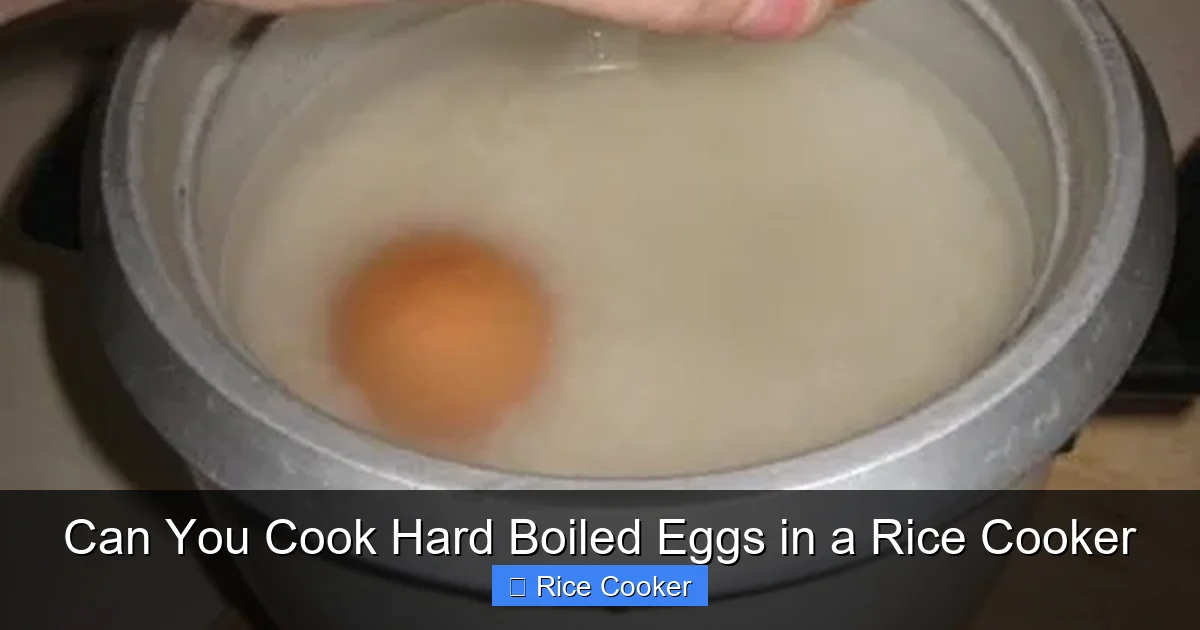
Yes, you can absolutely cook hard boiled eggs in a rice cooker—and it’s easier than you think! With just water and a gentle simmer setting, your rice cooker can produce tender, jammy yolks every time. This clever method saves time, uses less energy, and keeps your stovetop free for other meals.
Key Takeaways
- You can cook hard boiled eggs in a rice cooker: No stove needed—just add water, eggs, and let the machine do the work.
- Perfect timing matters: Most rice cookers take 10–15 minutes on “warm” or “simmer” to cook eggs thoroughly.
- Use the right eggs: Fresh eggs work best, but older eggs peel more easily after cooking.
- Peeling is easier: A quick ice bath helps loosen shells and prevents cracking.
- Safety first: Always use a heat-resistant bowl and avoid overfilling the rice cooker.
- Versatile results: You can also make soft-boiled or poached-style eggs with slight adjustments.
- Energy efficient: Rice cookers use less power than boiling eggs on the stove.
📑 Table of Contents
- Can You Cook Hard Boiled Eggs in a Rice Cooker?
- Why Use a Rice Cooker for Hard Boiled Eggs?
- How to Cook Hard Boiled Eggs in a Rice Cooker: Step-by-Step Guide
- Pro Tips for Perfect Rice Cooker Eggs
- Common Mistakes to Avoid
- Can You Make Other Types of Eggs in a Rice Cooker?
- Is It Safe to Cook Eggs in a Rice Cooker?
- Frequently Asked Questions About Cooking Eggs in a Rice Cooker
- Conclusion: Your New Kitchen Hack
Can You Cook Hard Boiled Eggs in a Rice Cooker?
Ever stood over a pot of boiling water, watching the timer tick down, hoping those eggs come out just right? Or maybe you’ve burned eggs before because you got distracted? If so, you’re not alone. Cooking hard boiled eggs has always been a bit of a kitchen puzzle—especially when you’re juggling multiple meals or trying to save time.
But here’s a secret that’s changing everything: you can cook hard boiled eggs in a rice cooker. Yes, that trusty countertop appliance you use for fluffy rice, soups, and even cakes—can now be your new go-to for perfectly cooked eggs. It’s simple, energy-efficient, and surprisingly reliable. No more babysitting the stove. Just set it and forget it (mostly).
In this guide, we’ll walk you through exactly how to do it, why it works, and even some pro tips to make your eggs peel like a dream. Whether you’re meal prepping, feeding a crowd, or just craving a quick snack, using your rice cooker for eggs is a game-changer. Let’s crack into the details!
Why Use a Rice Cooker for Hard Boiled Eggs?
The Convenience Factor
Imagine this: it’s 7 p.m., and you’re making dinner. You’ve got stir-fry on the stove, and you need hard boiled eggs for a salad topping. Instead of heating up a pot of water, waiting for it to boil, dropping in the eggs, and monitoring them for 12 minutes—why not just press a button?
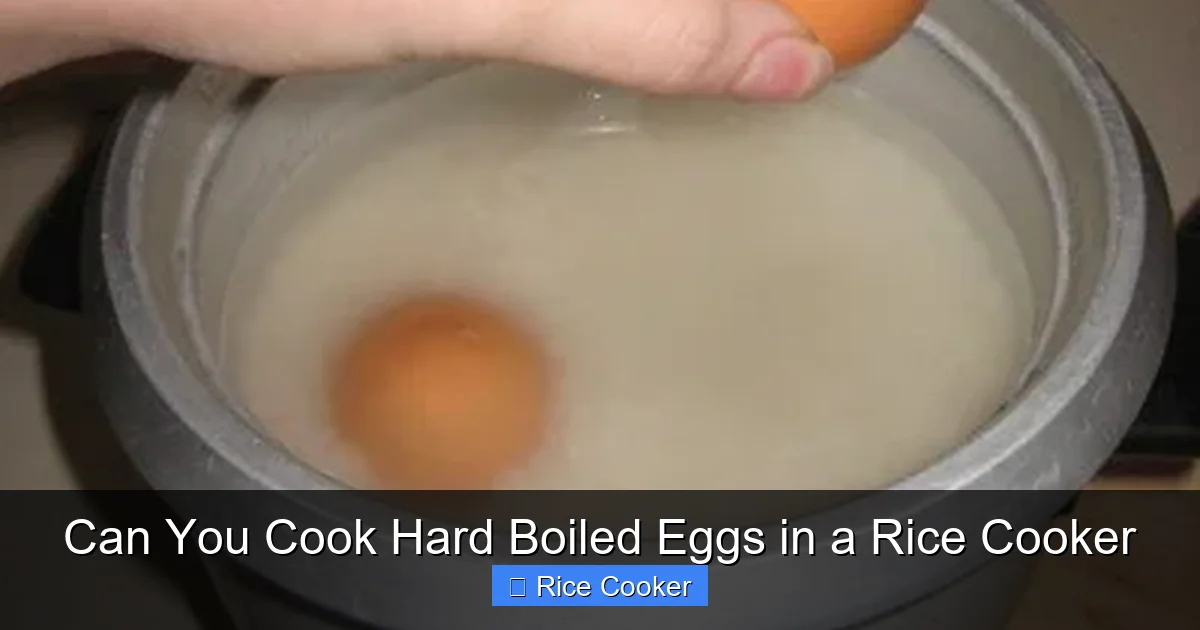
Visual guide about Can You Cook Hard Boiled Eggs in a Rice Cooker
Image source: img.thrfun.com
A rice cooker lets you multitask like a pro. While your main dish cooks, the rice cooker quietly handles the eggs. Many models have a “keep warm” function, so your eggs stay at the perfect temperature until you’re ready to serve. Plus, cleanup is a breeze—no greasy pot to scrub.
Energy Efficiency
Rice cookers are designed to use minimal electricity. Unlike boiling a full pot of water on the stove, which can take several minutes and consume more gas or electricity, a rice cooker only needs a small amount of water and low heat. That means lower bills and less environmental impact—all while delivering delicious, protein-packed eggs.
Consistent Results
One of the biggest headaches with hard boiled eggs is inconsistency. Sometimes the yolk is runny; other times, it’s chalky and dry. But with a rice cooker, the controlled environment helps maintain steady, even heat. This leads to more uniform results—especially if you’re cooking multiple eggs at once.
Space-Saving Solution
If you live in a small apartment or have a tiny kitchen, a rice cooker takes up less space than a large stockpot. It’s compact, portable, and fits neatly on the counter. No more cluttered stovetops or overflowing cabinets.
How to Cook Hard Boiled Eggs in a Rice Cooker: Step-by-Step Guide
What You’ll Need
- Fresh or room-temperature eggs (6–10 recommended)
- A heat-resistant bowl or steaming basket (check your rice cooker manual)
- Water
- Ice bath (for cooling)
- Optional: vinegar (helps prevent cracking)
Step 1: Prepare Your Rice Cooker
First, check your rice cooker model. Not all rice cookers have a steaming or warming function, so you’ll want to confirm yours does. Look for settings like “Steam,” “Warm,” or “Simmer.” Some newer models even have a dedicated “Egg” setting—lucky you!
Visual guide about Can You Cook Hard Boiled Eggs in a Rice Cooker
Image source: thefoodist.com.sg
If your rice cooker doesn’t have a steamer basket, you can improvise with a heat-safe glass bowl or ceramic plate that fits inside the inner pot. Make sure it sits above the water level so the eggs don’t touch the bottom directly.
Step 2: Add Water and Place the Bowl
Pour about 1–2 inches of water into the rice cooker’s inner pot. Too little water, and the eggs might not cook evenly. Too much, and it could overflow during heating. Aim for just enough to create steam without submerging the eggs.
Place your bowl or steamer basket gently into the pot. Ensure it’s stable and won’t tip over when you add the eggs.
Step 3: Arrange the Eggs
Carefully place your eggs in the bowl or basket. Space them out slightly so they don’t bump into each other. If you’re using a glass bowl, make sure it’s oven-safe—rice cookers generate high heat.
For extra protection against cracking, you can add a splash of white vinegar to the water. It strengthens the eggshell and makes peeling easier later.
Step 4: Cook on the Right Setting
Close the lid and select the “Steam” or “Warm” setting. If your rice cooker has an “Egg” mode, use that—it’s optimized for this purpose. Otherwise, choose “Keep Warm” after the initial cook cycle starts. The goal is gentle, consistent heat.
Cooking time depends on egg size and desired doneness:
- Soft-boiled (runny yolk): 8–10 minutes
- Medium-boiled (slightly firm yolk): 10–12 minutes
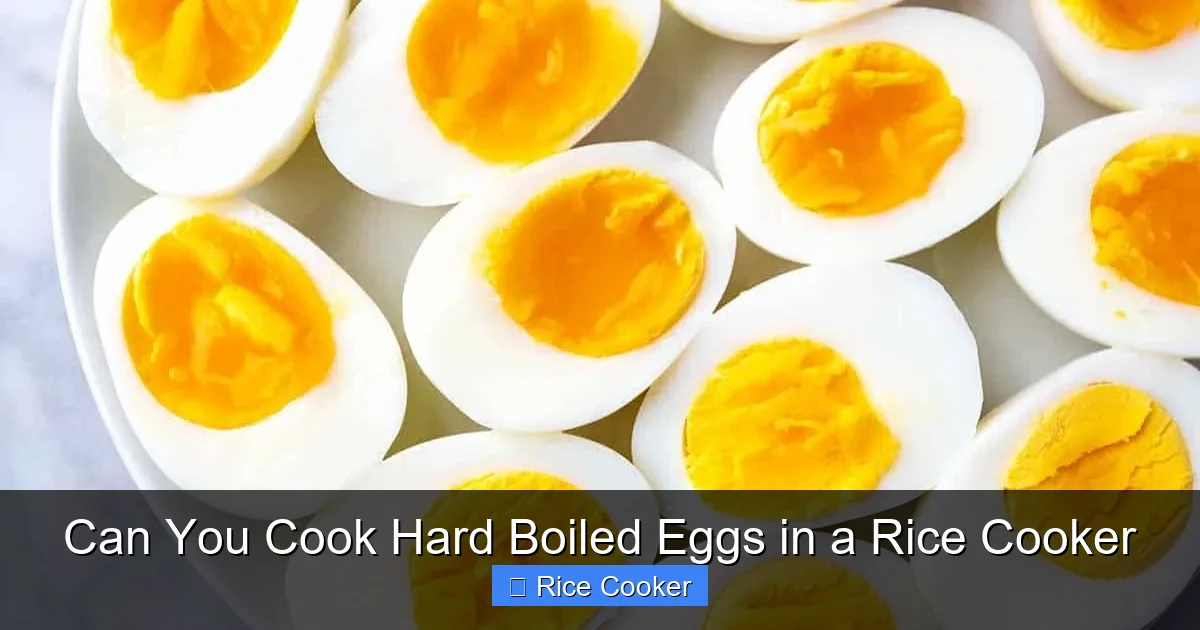
- Hard-boiled (fully set yolk): 12–15 minutes
Set a timer—rice cookers don’t always notify you when done, especially on lower settings. Don’t rely solely on the display.
Step 5: Cool and Peel
Once the timer goes off, immediately transfer the eggs to an ice bath (a bowl filled with cold water and ice cubes). Let them sit for 5–10 minutes. This stops the cooking process and makes peeling much easier.
Gently tap the eggs on a hard surface and roll them under your fingers to crack the shell. Starting from the wide end (where there’s usually an air pocket) makes peeling smoother. Rinse under cool water as you peel to remove any remaining bits.
Pro Tips for Perfect Rice Cooker Eggs
Use Older Eggs for Easier Peeling
While fresh eggs are great for recipes, slightly older eggs (about 7–10 days old) actually peel better after boiling. The pH change over time causes the membrane between the shell and egg white to separate more easily.
Don’t Overfill the Bowl
If you’re cooking more than six eggs, consider doing two batches. Overcrowding can lead to uneven cooking and cracked shells. Better yet, invest in a multi-tiered steamer basket if your rice cooker supports it.
Check for Doneness
After cooking, test one egg before serving the rest. Insert a toothpick or skewer into the center of the yolk. If it comes out clean, they’re done. If it’s still wobbly, give them another minute or two.
Store Leftover Eggs Properly
Refrigerate peeled eggs in an airtight container for up to five days. Unpeeled eggs can be stored longer—up to seven days in the fridge. Label the container with the date so you know how long they’ve been sitting.
Experiment with Flavor Infusions
Want something beyond plain eggs? Try adding bay leaves, garlic cloves, or a sprinkle of salt and pepper to the cooking water. After boiling, let the eggs sit in the flavored water for 30 minutes for a subtle taste boost.
Common Mistakes to Avoid
Using Cold Eggs Directly from the Fridge
Dropping cold eggs into hot water or steam can cause sudden temperature shock, leading to cracks. Let them sit at room temperature for 15–20 minutes before cooking. This reduces the risk of breakage.
Not Using Enough Water
If the water level is too low, the eggs may not cook evenly or could burn. Always aim for at least an inch of water, depending on your rice cooker’s size.
Skipping the Ice Bath
Cooling eggs quickly is key to preventing overcooking and easing peeling. Skip the ice bath, and you might end up with rubbery whites or stubborn shells.
Ignoring Your Rice Cooker’s Manual
Every rice cooker is different. Some have specific instructions for steaming. Others may require preheating. Always consult the user manual to avoid damaging your appliance or getting inconsistent results.
Can You Make Other Types of Eggs in a Rice Cooker?
Soft-Boiled Eggs
Yes! Soft-boiled eggs are ideal for dipping toast or enjoying with ramen. Reduce cooking time to 8–10 minutes on the “Steam” setting. The yolk should be creamy but not liquid.
Meringue Cookies
Believe it or not, you can make meringue cookies in a rice cooker. Beat egg whites with sugar until stiff peaks form, then spoon onto a lined tray in the steamer basket. Cook on “Steam” for 1 hour. The gentle heat dries the meringues without browning them.
Poached Eggs
While not traditional, you can poach eggs in a rice cooker by placing a small ramekin filled with gently simmering water in the steamer basket. Crack an egg into the ramekin and cover. Cook for 6–8 minutes for sunny-side-up perfection.
Baked Custard
Another surprising use: bake custard cups in your rice cooker. Fill ramekins with milk, sugar, and vanilla, then steam for 25–30 minutes until set. It’s a foolproof dessert method.
Is It Safe to Cook Eggs in a Rice Cooker?
Absolutely—but safety comes first. Always use heat-resistant containers. Never place plastic lids or non-stick coatings near open flames or high heat. Check that your bowl is microwave-safe, as many are oven-safe too.
Also, avoid using metal utensils in the inner pot if it has a non-stick coating. Stick to silicone or wooden tools to preserve the surface.
Lastly, clean your rice cooker regularly. Residue from eggs can attract bacteria if left unattended. Wipe the interior after each use and wash removable parts according to the manufacturer’s instructions.
Frequently Asked Questions About Cooking Eggs in a Rice Cooker
How long does it take to cook hard boiled eggs in a rice cooker?
Most rice cookers take 12–15 minutes on the “Steam” or “Warm” setting to cook hard boiled eggs. Soft-boiled eggs take 8–10 minutes. Always set a timer, as some models don’t signal completion.
Do I need a special rice cooker to cook eggs?
No, but your rice cooker should have a “Steam,” “Warm,” or “Keep Warm” function. Many basic models work fine. Check your manual to confirm it supports steaming.
Can I cook more than 6 eggs at once?
It’s possible, but overcrowding can lead to uneven cooking. For 8–10 eggs, use a larger steamer basket or cook in two batches. Ensure water levels remain adequate.
Why are my eggs cracking during cooking?
Cracking usually happens due to temperature shock. Always use room-temperature eggs and consider adding a splash of vinegar to the water to strengthen the shell.
Can I reheat hard boiled eggs in the rice cooker?
Yes, but only briefly. Place peeled eggs in a bowl with a splash of water, cover, and heat on “Warm” for 3–5 minutes. Avoid prolonged reheating, as it can dry out the eggs.
Are rice cooker eggs healthier than stove-top eggs?
Nutritionally, they’re identical. Both methods use similar temperatures and times. The benefit of the rice cooker is convenience and consistency—not health superiority.
Conclusion: Your New Kitchen Hack
Cooking hard boiled eggs in a rice cooker isn’t just a novelty—it’s a practical, efficient, and smart kitchen upgrade. Whether you’re meal prepping for the week, feeding a family, or simply craving a protein boost, this method delivers reliable results with minimal effort.
From saving time and energy to reducing cleanup and preventing overcooked yolks, the benefits are clear. And the best part? Once you try it, you’ll wonder why you ever boiled eggs the old-fashioned way.
So next time you reach for the eggs in your fridge, remember: your rice cooker isn’t just for grains. It’s ready to help you crack into perfectly cooked, delicious eggs—every single time.
Frequently Asked Questions
How long does it take to cook hard boiled eggs in a rice cooker?
Most rice cookers take 12–15 minutes on the “Steam” or “Warm” setting to cook hard boiled eggs. Soft-boiled eggs take 8–10 minutes. Always set a timer, as some models don’t signal completion.
Do I need a special rice cooker to cook eggs?
No, but your rice cooker should have a “Steam,” “Warm,” or “Keep Warm” function. Many basic models work fine. Check your manual to confirm it supports steaming.
Can I cook more than 6 eggs at once?
It’s possible, but overcrowding can lead to uneven cooking. For 8–10 eggs, use a larger steamer basket or cook in two batches. Ensure water levels remain adequate.
Why are my eggs cracking during cooking?
Cracking usually happens due to temperature shock. Always use room-temperature eggs and consider adding a splash of vinegar to the water to strengthen the shell.
Can I reheat hard boiled eggs in the rice cooker?
Yes, but only briefly. Place peeled eggs in a bowl with a splash of water, cover, and heat on “Warm” for 3–5 minutes. Avoid prolonged reheating, as it can dry out the eggs.
Are rice cooker eggs healthier than stove-top eggs?
Nutritionally, they’re identical. Both methods use similar temperatures and times. The benefit of the rice cooker is convenience and consistency—not health superiority.