
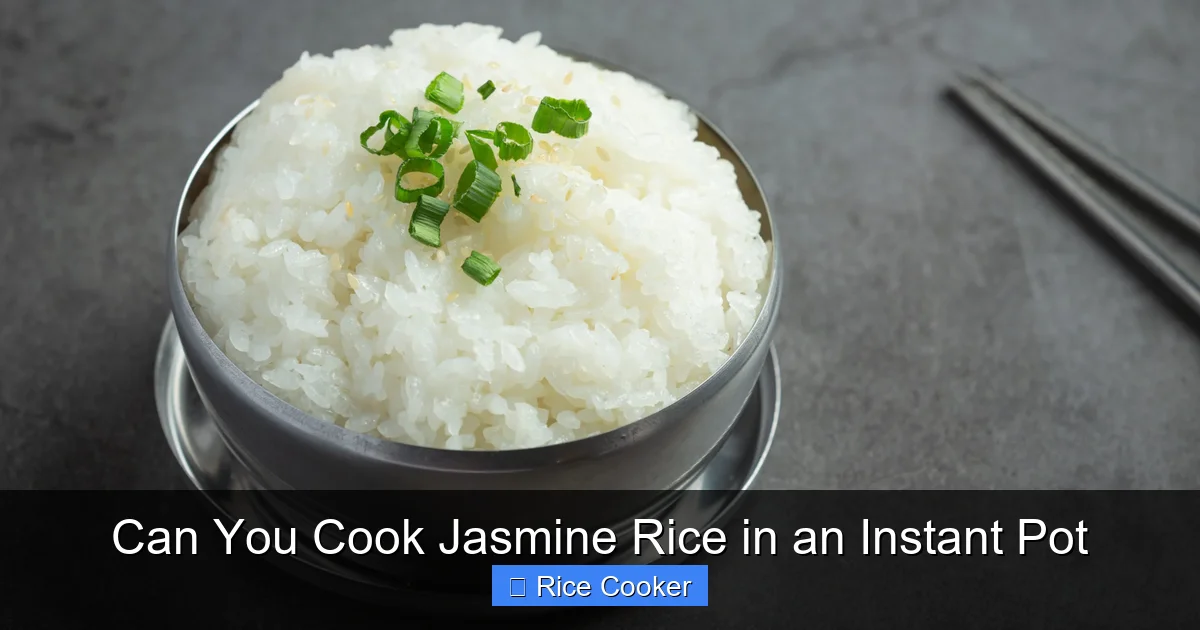
Absolutely! You can easily cook delicious jasmine rice in an Instant Pot. It’s faster than the stovetop method and gives you perfectly fluffy results every time with just a few simple steps. Whether you’re making a weeknight dinner or meal prepping for the weekend, this method saves time without sacrificing flavor or texture.
Have you ever stood over the stove, stirring jasmine rice every few minutes, worried it might stick or burn? Or maybe you’ve been tempted to skip it altogether because the process seems too time-consuming? Well, I’ve got great news: you can cook perfect jasmine rice in your Instant Pot with minimal effort and maximum flavor. Yes—this popular pressure cooker can do more than just soups and stews. It’s a game-changer for anyone who loves fluffy, aromatic rice but hates the hassle of constant monitoring.
Jasmine rice is beloved across Asia for its delicate floral scent and slightly sticky yet separate grains when cooked properly. Traditionally steamed, it’s now a staple in many kitchens around the world. But what if you only have an Instant Pot and no rice cooker? Don’t worry—you don’t need special equipment to enjoy restaurant-quality jasmine rice at home. In fact, the Instant Pot’s ability to lock in moisture and cook evenly makes it one of the best tools for mastering this versatile grain. Let’s dive into exactly how to do it, why it works, and some pro tips to take your rice game to the next level.
Key Takeaways
- Instant Pot makes jasmine rice easy: With its pressure cooking function, you get tender, fluffy rice in under 15 minutes.
- Proper water ratio is key: Use a 1:1.25 to 1:1.5 rice-to-water ratio for ideal results—slightly more water than white rice.
- Rinsing removes excess starch: Always rinse jasmine rice before cooking to avoid clumping and achieve that light, separate grain texture.
- Natural release works best: Let the pressure release naturally for 10–15 minutes to prevent mushiness and ensure even cooking.
- Customize with flavors: Add coconut milk, broth, or a bay leaf to infuse extra aroma and depth into your rice.
- No need for a rice cooker: If you don’t own one, the Instant Pot is a reliable alternative that delivers consistent results.
📑 Table of Contents
Why Choose Jasmine Rice?
Before we jump into the how-to, let’s talk about why jasmine rice deserves a spot in your kitchen. Unlike regular long-grain white rice, jasmine rice has a unique combination of softness and fragrance. Its subtle floral aroma comes from natural compounds released during cooking, especially when paired with steam. It’s also slightly stickier than basmati, which means it holds sauces and curries well—perfect for stir-fries, noodle dishes, or even sushi rolls.
What makes jasmine rice stand out is its balance: not too dry, not too mushy, and always fragrant. When cooked right, each grain remains distinct yet tender—ideal for both casual meals and elegant gatherings. And because it’s widely available in grocery stores (often labeled as “jasmine” or “Thai jasmine”), it’s easy to find no matter where you live.
Now, here’s the catch: jasmine rice behaves differently from other types. It contains more amylopectin, a type of starch that contributes to its signature clinginess. That’s why rinsing it thoroughly before cooking is essential. Without rinsing, the excess starch turns the rice gummy instead of fluffy. So even though your Instant Pot does most of the work, paying attention to prep steps will make all the difference.
Do You Really Need a Rice Cooker?
Many people assume they need a dedicated rice cooker to make good jasmine rice. While those appliances are excellent for consistent results, they’re far from necessary. The Instant Pot handles rice beautifully because it mimics the steaming environment that traditional rice cookers use. With its sealed lid and pressure control, it traps steam perfectly—just like the gentle heat needed for jasmine rice.
That said, if you already own an Instant Pot, you’re in luck. No extra gadget required. Just follow these simple steps, and you’ll be enjoying restaurant-style rice in under 30 minutes. Plus, using the Instant Pot means fewer dishes—no need to scrub a heavy pot or monitor a burner flame.
Perfect Water Ratio for Jasmine Rice in an Instant Pot
One of the trickiest parts of cooking jasmine rice—whether on the stove or in a pressure cooker—is getting the water ratio right. Too little water, and the rice dries out; too much, and it becomes soggy. For jasmine rice in an Instant Pot, aim for a ratio of **1 cup rice to 1.25 to 1.5 cups liquid**.
Why the higher amount? Jasmine rice swells more than white or basmati varieties due to its starch content. Extra water ensures every grain cooks through without turning into paste. Most recipes call for 1.375 cups (or 1 ⅜ cups) per cup of rice as a sweet spot.
Here’s a quick reference table:
| Cups of Rice | Cups of Water |
|————–|—————|
| 1 | 1.25–1.5 |
| 2 | 2.5–3 |
| 3 | 3.75–4.5 |
Always use room-temperature water for best results. Cold water slows down cooking slightly, while hot water can start boiling before pressure builds up. Also, measure carefully—even a half-cup difference can affect texture.
Step-by-Step Guide: Cooking Jasmine Rice in an Instant Pot
Ready to make your first batch? Here’s how to do it like a pro:
Gather Your Ingredients and Tools
You’ll need:
– 1 cup jasmine rice
– 1.375 cups water (or adjust based on preference)
– A fine-mesh strainer (for rinsing)
– Measuring cups
– Instant Pot
Step 1: Rinse the Rice Thoroughly
Place the rice in a strainer and run it under cool running water. Swirl gently with your fingers until the water runs clear—usually about 30 seconds. This removes surface starch that causes clumping. Pro tip: Don’t skip this step! Even if the package says “pre-washed,” give it another rinse for safety.
Step 2: Add Rice and Water to the Instant Pot
Transfer the rinsed rice to the inner pot. Pour in the measured water. Give it a quick stir to distribute evenly. No oil or salt needed at this stage—jasmine rice doesn’t require them.
Step 3: Close Lid and Set Valve
Secure the lid tightly. Make sure the steam release valve is set to **Sealing** (not Venting). Select the **Manual/Pressure Cook** setting and press **High Pressure** for **6 minutes**. Yes—just six minutes! The short time prevents overcooking, which would ruin the delicate texture.
Step 4: Natural Release (Critical Step!)
Once cooking finishes, let the pressure release **naturally** for **10–15 minutes**. Then carefully turn the valve to **Venting** to release any remaining pressure. Never force it open! Quick release can leave raw spots or mushy rice.
Step 5: Fluff and Serve
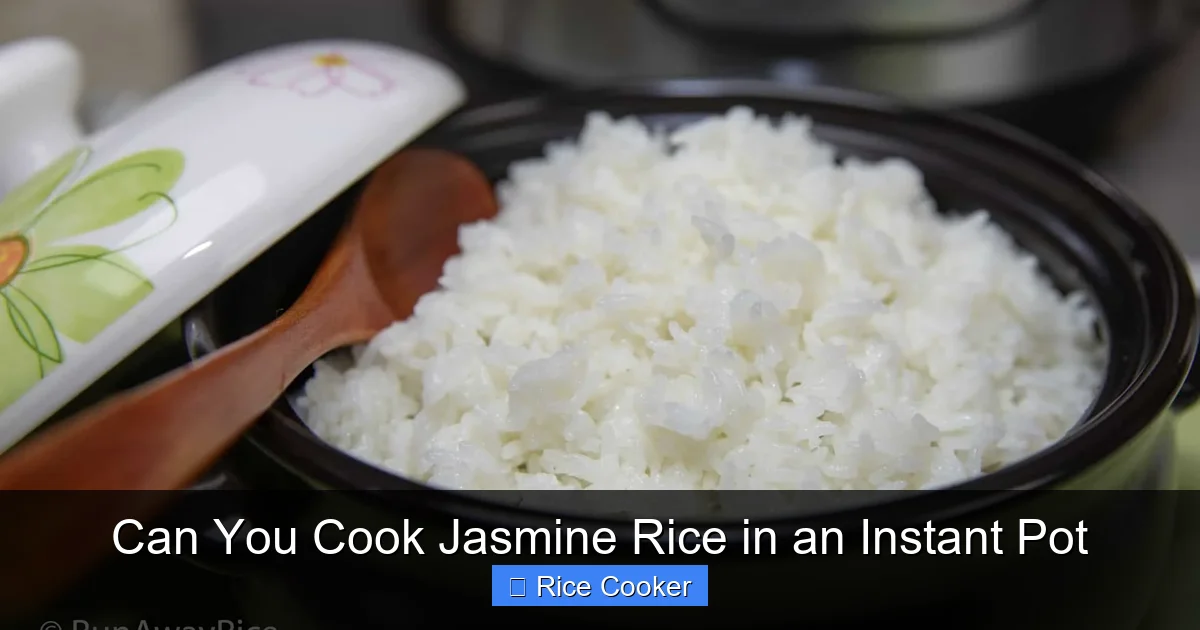
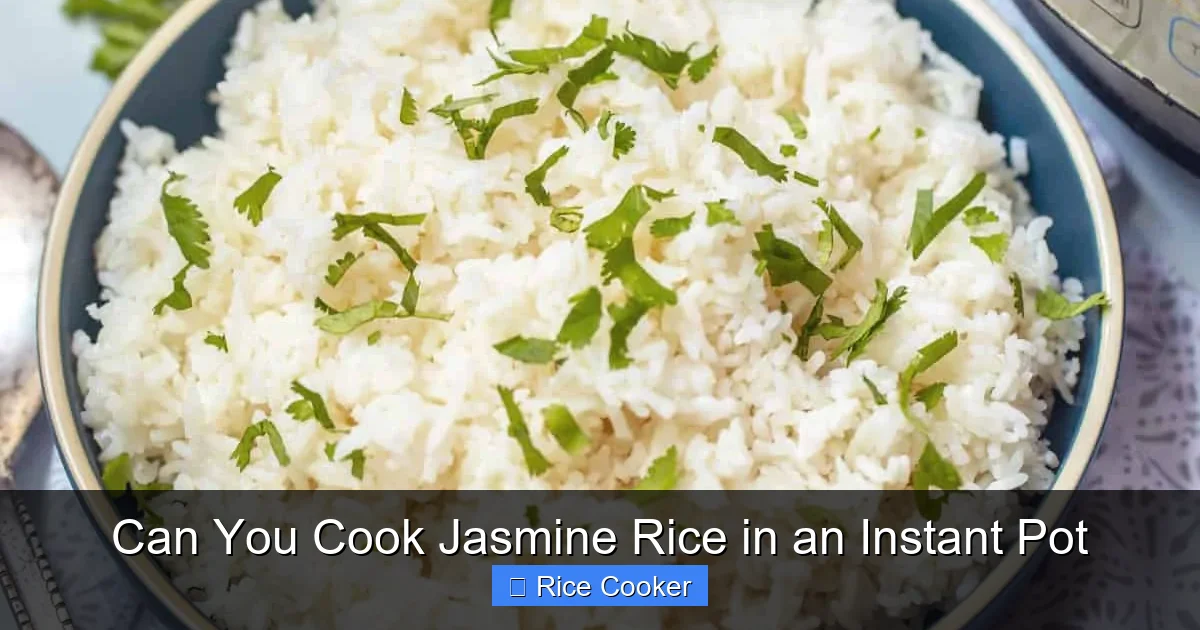
Open the lid away from your face. Gently fluff the rice with a fork or rice paddle. It should be tender, separate, and smell amazing. Serve immediately with your favorite curry, grilled chicken, or fried noodles.
Troubleshooting Common Mistakes
Even experienced cooks hit snags sometimes. Here’s how to fix the most common issues:
Mushy Rice?
This usually happens with **quick release** instead of natural release. Steam escapes too fast, disrupting even cooking. Always use natural release for jasmine rice.
Gummy Texture?
Likely caused by **not rinsing** or **too much water**. Try reducing water next time and always drain excess starch.
Uneven Cooking?
Make sure the rice is spread evenly in the pot and that the lid seals properly. Overfilling (more than 2/3 full) can also cause problems.
Dry or Crunchy Grains?
Check your measurements—especially if using a different brand of jasmine rice. Some absorb more or less water depending on age and processing.
Flavor Boosting Tips
Want to elevate your jasmine rice beyond plain white? Try these simple upgrades:
Add Aromatics
Toss in a **bay leaf**, **cinnamon stick**, or **a splash of fish sauce** while cooking. They infuse subtle background notes without overpowering the rice.
Use Broth Instead of Water
Swap water for **chicken**, **vegetable**, or **coconut milk broth** for extra richness. Coconut milk adds tropical flair—great with Thai or Indian dishes.
Try Brown Jasmine Rice
For a healthier twist, use **brown jasmine rice**. It needs longer cooking time (about 22 minutes under high pressure) and more water (1.75 cups per cup of rice), but it’s packed with fiber and nutrients.
Sauté First (Optional)
For deeper flavor, sauté rinsed rice in the Instant Pot for 1 minute on Sauté mode before adding water. This caramelizes tiny bits on the surface, enhancing taste.
Storing and Reheating Leftovers
Leftover jasmine rice freezes beautifully! Store it in an airtight container for up to 3 months. To reheat, sprinkle a teaspoon of water over the rice, cover, and microwave in 30-second bursts until warm. Avoid microwaving without moisture—it dries out fast.
Never reheat rice more than once for safety reasons. Always check temperature before serving.
Frequently Asked Questions
Can I use brown jasmine rice in my Instant Pot?
Yes! Brown jasmine rice takes longer to cook—around 22 minutes on high pressure—and requires more water (1.75 cups per cup of rice). Follow the same steps, but extend cooking time and natural release to 15–20 minutes for perfect tenderness.
Visual guide about Can You Cook Jasmine Rice in an Instant Pot
Image source: runawayrice.com
Visual guide about Can You Cook Jasmine Rice in an Instant Pot
Image source: amindfullmom.com
How do I prevent rice from sticking to the bottom?
The key is proper rinsing and avoiding quick release. Also, make sure the inner pot isn’t scratched, as rough surfaces promote sticking. Using fresh rice helps too—old rice absorbs liquid faster.
Can I double the recipe?
Absolutely! Just keep the same ratios and increase cooking time slightly. For two cups of rice, cook on high pressure for 8 minutes with 15 minutes natural release. Don’t exceed 2–3 cups in one pot for best results.
Is it better to soak jasmine rice before cooking?
Soaking isn’t necessary but can help reduce cooking time slightly. If you do soak, drain well before adding to the Instant Pot. Most people skip this step since the Instant Pot cooks quickly anyway.
Can I add spices directly to the rice?
Yes! Whole spices like cardamom pods, cloves, or star anise work well. Remove them before serving. Ground spices may cloud the rice, so use sparingly.
Why does my rice smell burnt sometimes?
This happens if the pot gets too hot without enough liquid. Always ensure correct water levels and avoid using the Sauté function unless instructed. Burnt rice indicates scorching, which ruins flavor and texture.
Final Thoughts
Cooking jasmine rice in an Instant Pot isn’t just convenient—it’s transformative. What used to take 20+ minutes of vigilant stirring now happens in under 30 minutes with zero babysitting. The result? Fluffy, fragrant, restaurant-quality rice that pairs beautifully with everything from spicy tom yum soup to savory stir-fries.
Whether you’re new to jasmine rice or a seasoned fan, the Instant Pot simplifies the process while maintaining excellence. With the right water ratio, proper rinsing, and patience during the natural release phase, you’ll never look back.
So go ahead—grab your Instant Pot, measure out that rice, and let the magic begin. Your taste buds (and busy schedule) will thank you.
Frequently Asked Questions
Can I use brown jasmine rice in my Instant Pot?
Yes! Brown jasmine rice takes longer to cook—around 22 minutes on high pressure—and requires more water (1.75 cups per cup of rice). Follow the same steps, but extend cooking time and natural release to 15–20 minutes for perfect tenderness.
How do I prevent rice from sticking to the bottom?
The key is proper rinsing and avoiding quick release. Also, make sure the inner pot isn’t scratched, as rough surfaces promote sticking. Using fresh rice helps too—old rice absorbs liquid faster.
Can I double the recipe?
Absolutely! Just keep the same ratios and increase cooking time slightly. For two cups of rice, cook on high pressure for 8 minutes with 15 minutes natural release. Don’t exceed 2–3 cups in one pot for best results.
Is it better to soak jasmine rice before cooking?
Soaking isn’t necessary but can help reduce cooking time slightly. If you do soak, drain well before adding to the Instant Pot. Most people skip this step since the Instant Pot cooks quickly anyway.
Can I add spices directly to the rice?
Yes! Whole spices like cardamom pods, cloves, or star anise work well. Remove them before serving. Ground spices may cloud the rice, so use sparingly.
Why does my rice smell burnt sometimes?
This happens if the pot gets too hot without enough liquid. Always ensure correct water levels and avoid using the Sauté function unless instructed. Burnt rice indicates scorching, which ruins flavor and texture.