

Yes, you can absolutely cook jasmine rice in a crock pot! While not the traditional method, a slow cooker works surprisingly well with the right technique. With just a few simple adjustments, you’ll get tender, aromatic jasmine rice without watching over it. Whether you’re meal prepping or just tired of babysitting a pot on the stove, this hands-off approach saves time and yields delicious results.
Key Takeaways
- Yes, it’s possible: A crock pot (slow cooker) can produce perfectly cooked jasmine rice when using the correct water-to-rice ratio and settings.
- Use the “Cook” setting: Most crock pots have a low or high heat option—use “Low” for even cooking and prevent scorching.
- Don’t skip the lid: Keep the lid on during cooking to trap steam and ensure moisture cooks the rice evenly.
- Rinse before cooking: Rinsing removes excess starch, helping jasmine rice stay fluffy and separate.
- Rest before serving: Let the rice sit covered for 5–10 minutes after cooking to finish steaming and fluff up.
- Experiment with seasonings: Add broth instead of water, garlic, or herbs to boost flavor without extra effort.
- Not ideal for large batches: Slow cookers are best for small to medium servings (4–6 cups of uncooked rice).
📑 Table of Contents
- Can You Cook Jasmine Rice in a Crock Pot?
- Why Choose Jasmine Rice?
- Is It Safe to Cook Rice in a Slow Cooker?
- Step-by-Step Guide: How to Cook Jasmine Rice in a Crock Pot
- Troubleshooting Common Issues
- Tips for Flavorful Crock Pot Jasmine Rice
- How Does Crock Pot Rice Compare to Other Methods?
- Frequently Asked Questions
- Final Thoughts
Can You Cook Jasmine Rice in a Crock Pot?
Have you ever stared at your stovetop, wondering if there’s a way to cook jasmine rice without standing over a bubbling pot? Or maybe you’re hosting a dinner party and realize you forgot to turn on the rice cooker? If so, your crock pot might be the unsung hero you didn’t know you needed.
Jasmine rice is beloved for its fragrant aroma, slightly sticky texture, and ability to soak up flavors from curries, stir-fries, and soups. Traditionally, it’s cooked on the stovetop or in an electric rice cooker, but what happens if those tools aren’t available? Enter the humble crock pot—a versatile kitchen appliance that’s usually associated with stews and casseroles, but surprisingly, it can do more than just keep food warm.
In this guide, we’ll walk you through everything you need to know about cooking jasmine rice in a crock pot: from prep to plating. Whether you’re a beginner cook or just looking for a new way to use your slow cooker, you’ll learn how to make perfect jasmine rice with minimal effort and maximum flavor.
Why Choose Jasmine Rice?
Before diving into the “how,” let’s talk about why jasmine rice is worth the effort. Unlike long-grain white rice, jasmine is a type of aromatic short- to medium-grain rice native to Southeast Asia. It’s known for its floral, slightly sweet scent and soft, clingy texture when cooked—making it a favorite in Thai, Vietnamese, and Laotian cuisines.

Visual guide about Can You Cook Jasmine Rice in a Crock Pot
Image source: eatingonadime.com
The Science Behind Jasmine Rice
Jasmine rice contains more amylopectin—a type of starch—than other rices. This gives it that characteristic stickiness and helps it absorb liquids well. However, too much starch can lead to clumping if not rinsed properly. That’s why washing jasmine rice before cooking is essential.
Benefits of Cooking in a Crock Pot
Using a crock pot isn’t just a backup plan—it offers real advantages. For one, it’s hands-off. Once you set it and forget it, you can focus on other dishes or chores. Plus, slow cookers maintain consistent low heat, which helps prevent burning and ensures even cooking. And let’s be honest: fewer pots to wash means less cleanup.
Is It Safe to Cook Rice in a Slow Cooker?
You might be thinking, “Wait—can I really cook rice in a crock pot? Isn’t that risky?” The short answer: yes, but only if done correctly. Undercooked rice can harbor bacteria like Bacillus cereus, which causes food poisoning. So timing and heat control are crucial.
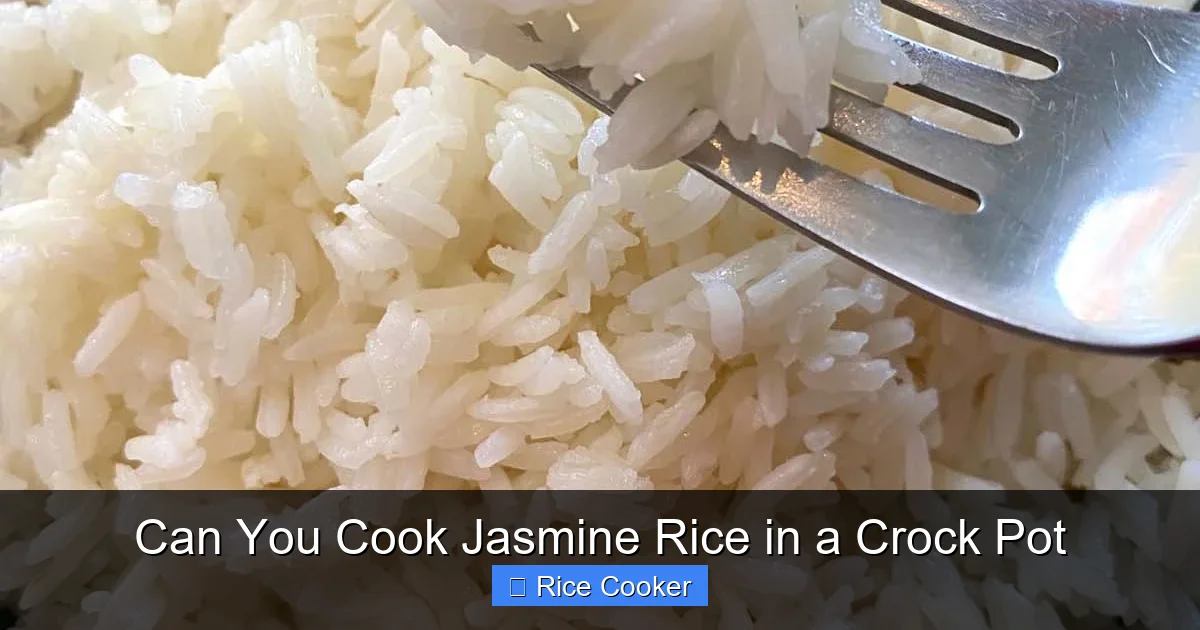
Visual guide about Can You Cook Jasmine Rice in a Crock Pot
Image source: melaniecooks.com
What Makes Slow Cooking Different?
On the stovetop, rice cooks quickly under direct heat. In a slow cooker, heat is indirect and gentle. This means the rice needs more time—usually 60 to 90 minutes on low—to fully absorb the liquid and gelatinize the starches. But because the temperature stays steady, you avoid hot spots that could burn the bottom.
Choosing the Right Crock Pot Size
Most standard crock pots hold 4 to 6 quarts. For best results, don’t fill it beyond two-thirds full. If you’re cooking more than 3 cups of uncooked jasmine rice, consider using a larger slow cooker or cooking in batches. Overfilling reduces airflow and can lead to uneven cooking.
Step-by-Step Guide: How to Cook Jasmine Rice in a Crock Pot
Ready to try it? Follow these simple steps for foolproof jasmine rice every time.
Gather Your Ingredients
- 1 cup jasmine rice (uncooked)
- 1¼ cups water or chicken/vegetable broth
- Pinch of salt (optional)
- 1 tablespoon oil or butter (optional, for flavor)
Prep the Rice
Start by rinsing the rice. Place it in a fine-mesh strainer and run cold water over it until the water runs clear. This removes surface starch and prevents gummy rice. Drain thoroughly—any leftover water will affect the ratio.
Add Everything to the Crock Pot
Transfer the rinsed rice to your slow cooker. Pour in the liquid (water or broth), add salt and oil if desired, then give it a quick stir. Don’t worry—there’s no need to bring it to a boil first. The slow cooker will do all the work.
Cook on Low Heat
Cover the pot with its lid and set the temperature to LOW. Let it cook for 60 to 75 minutes. Avoid opening the lid frequently—this lets heat escape and extends cooking time unnecessarily.
Check for Doneness
After 60 minutes, check the rice. It should be tender with no hard grains in the center. If it’s still firm, cover and cook for another 10–15 minutes. Be careful not to overcook, or it may become mushy.
Let It Rest
Once done, turn off the slow cooker and let the rice sit, covered, for 5 to 10 minutes. This allows residual steam to finish cooking the grains and makes fluffing easier.
Fluff and Serve
Use a fork to gently fluff the rice. Serve immediately alongside your favorite dish—curry, grilled meat, or even as a side with beans and vegetables.
Troubleshooting Common Issues
Even with the best intentions, things don’t always go smoothly. Here’s how to fix common problems.
Rice Is Too Dry or Crunchy
This usually means there wasn’t enough liquid or the heat was too high. Next time, increase the water by 10% (so 1⅓ cups for 1 cup rice) and double-check that you’re using the LOW setting. Also, make sure the lid fits snugly.
Rice Is Sticky or Gummy
Overcooked or insufficient rinsing causes this. Always rinse thoroughly, and avoid lifting the lid during cooking. If it’s already cooked and sticky, try spreading it out on a tray to cool—it loosens up as it dries slightly.
Burnt Bottom Layer
This happens if the rice sticks to the crock pot insert. To prevent it:
- Use a non-stick or ceramic-coated slow cooker liner.
- Add a splash of oil or butter before adding rice.
- Stir once halfway through cooking (only if safe for your model—some slow cookers warn against stirring while hot).
Tips for Flavorful Crock Pot Jasmine Rice
Want more than just plain rice? Try these flavor-boosting ideas.
Use Broth Instead of Water
Replace half or all of the water with vegetable, chicken, or beef broth. The result? Rice that tastes like a side dish rather than a side dish.
Add Aromatics
Sauté minced garlic or ginger in a little oil before adding the rice. Or toss in a bay leaf, whole peppercorns, or a cinnamon stick during cooking for subtle depth.
Try Coconut Milk for Creaminess
For a tropical twist, substitute half the water with coconut milk. This works especially well with jasmine rice and pairs beautifully with Asian-inspired meals.
Season After Cooking
If you prefer less salt upfront, wait until the end. Sprinkle in soy sauce, lime juice, or herbs like cilantro or basil right before fluffing.
How Does Crock Pot Rice Compare to Other Methods?
Let’s put crock pot jasmine rice head-to-head with stovetop and rice cooker versions.
Texture & Fluffiness
Rice cookers win for consistency—they automatically switch to “warm” mode after cooking, preventing overcooking. Stovetop rice requires attention but gives you control. Crock pot rice falls somewhere in between: tender and moist, but slightly softer due to prolonged steam exposure.
Convenience
If convenience is key, the crock pot takes the cake. No stirring, no watching the clock—just set it and relax. Rice cookers are close behind, but they’re single-purpose. Stovetops require active supervision.
Flavor Potential
All methods can yield flavorful rice, but the crock pot shines when you infuse it with broths, spices, or aromatics. Since it’s sealed, flavors meld beautifully without evaporating.
Cleanup
Crock pots win again here. One pot = one clean. Rice cookers have inner bowls too, and stovetops often leave splatters on the burner and nearby surfaces.
Frequently Asked Questions
Can I cook brown jasmine rice in a crock pot?
Yes, but it takes longer—about 90 to 120 minutes on low. Brown rice has a tougher bran layer, so it needs more time to soften. Use a 2:1 water-to-rice ratio and check for tenderness frequently.
Do I need to soak jasmine rice before slow cooking?
No, soaking isn’t necessary. In fact, jasmine rice doesn’t benefit as much from soaking as other types because it’s already short-grained. Just rinse and go.
Can I double the recipe?
You can, but stick to your slow cooker’s capacity. Doubling beyond 3–4 cups of uncooked rice risks overcrowding and uneven cooking. If needed, cook in two smaller batches.
What if my crock pot has no “Low” setting?
Use the lowest available setting. If only “High” and “Warm” are options, set it to “High” and reduce cooking time to 45–50 minutes. Monitor closely to avoid drying out.
Can I cook jasmine rice overnight?
Absolutely—just set it on LOW and let it cook for 8 hours. When you wake up, you’ll have perfectly cooked rice ready to serve. Just remember to unplug it afterward for safety.
Is crock pot rice safe to eat the next day?
Yes, but store it properly. Let it cool completely, then transfer to an airtight container and refrigerate within 2 hours. Reheat thoroughly before eating. Do not leave rice at room temperature for more than 2 hours.
Final Thoughts
Cooking jasmine rice in a crock pot might sound unconventional, but it’s a practical, effective method—especially when you’re juggling multiple tasks or don’t have access to a rice cooker. With the right technique, your slow cooker becomes a secret weapon for hands-off, aromatic, and delicious rice.
Remember: the key is patience. Let the rice do its thing without interference. Rinse well, use the right liquid ratio, and trust the process. Soon, you’ll be recommending this trick to friends who thought slow cookers only made soups.
So go ahead—grab your crock pot, measure out some jasmine rice, and give it a try. You might just discover your new favorite way to cook rice.
Frequently Asked Questions
Can I cook brown jasmine rice in a crock pot?
Yes, but it takes longer—about 90 to 120 minutes on low. Brown rice has a tougher bran layer, so it needs more time to soften. Use a 2:1 water-to-rice ratio and check for tenderness frequently.
Do I need to soak jasmine rice before slow cooking?
No, soaking isn’t necessary. In fact, jasmine rice doesn’t benefit as much from soaking as other types because it’s already short-grained. Just rinse and go.
Can I double the recipe?
You can, but stick to your slow cooker’s capacity. Doubling beyond 3–4 cups of uncooked rice risks overcrowding and uneven cooking. If needed, cook in two smaller batches.
What if my crock pot has no “Low” setting?
Use the lowest available setting. If only “High” and “Warm” are options, set it to “High” and reduce cooking time to 45–50 minutes. Monitor closely to avoid drying out.
Can I cook jasmine rice overnight?
Absolutely—just set it on LOW and let it cook for 8 hours. When you wake up, you’ll have perfectly cooked rice ready to serve. Just remember to unplug it afterward for safety.
Is crock pot rice safe to eat the next day?
Yes, but store it properly. Let it cool completely, then transfer to an airtight container and refrigerate within 2 hours. Reheat thoroughly before eating. Do not leave rice at room temperature for more than 2 hours.