
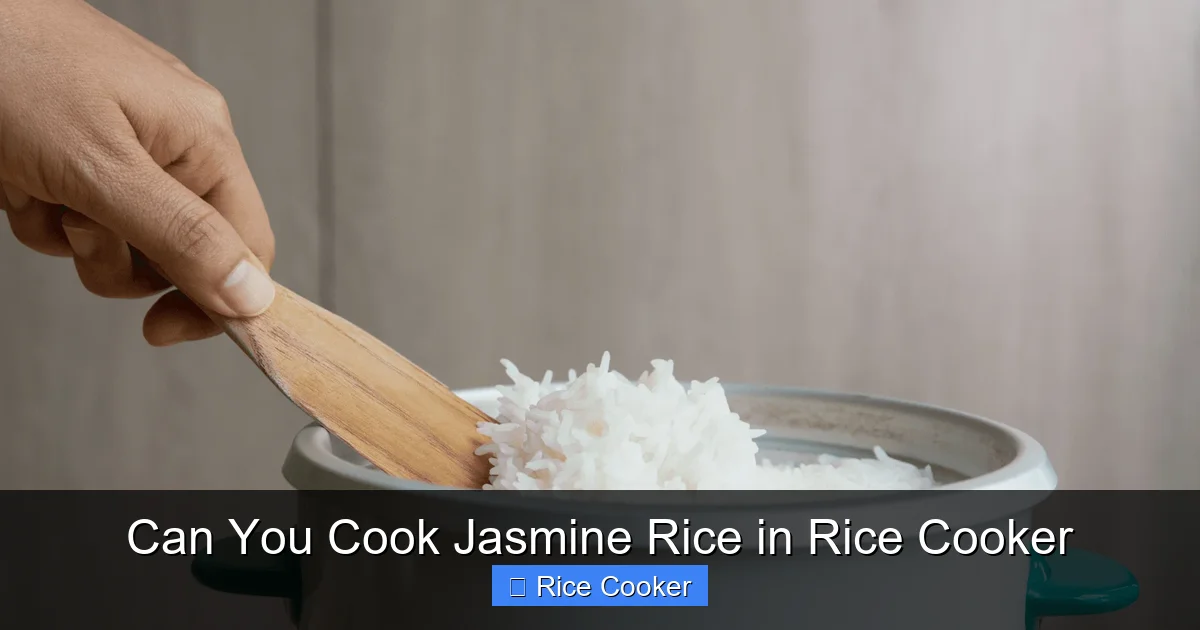
You absolutely can cook jasmine rice in a rice cooker—it’s one of the most convenient ways to get perfectly cooked, aromatic rice every time. With the right water-to-rice ratio and a few simple tips, your rice cooker can deliver fluffy, non-sticky grains that are ideal for stir-fries, curries, or side dishes. This method saves time, reduces cleanup, and ensures consistent results without guesswork.
Key Takeaways
- Yes, jasmine rice works perfectly in a rice cooker: Most modern rice cookers are designed to handle jasmine rice, which has a slightly sticky texture and rich aroma when cooked properly.
- Use the correct water ratio: The standard ratio is 1:1.5 (rice to water), but adjusting based on grain length and cooker model helps achieve ideal fluffiness.
- Rinsing removes excess starch: Gently rinsing jasmine rice before cooking prevents clumping and improves texture.
- Let it rest after cooking: A 5–10 minute rest allows steam to distribute evenly, making the rice fluffier and easier to serve.
- Customize with flavor enhancers: Add a splash of coconut milk, a pat of butter, or a pinch of salt to elevate the taste.
- Clean your rice cooker regularly: Residue buildup affects performance, so wipe the inner pot and lid after each use.
- Experiment with textures: Adjust cooking time or add broth instead of water for savory jasmine rice dishes.
📑 Table of Contents
Can You Cook Jasmine Rice in Rice Cooker?
If you’re a fan of Thai, Vietnamese, or Southeast Asian cuisine, chances are you’ve enjoyed jasmine rice—a long-grain variety known for its delicate floral aroma, soft texture, and slightly sticky finish. It’s the perfect side dish for curries, grilled meats, or even just steamed vegetables. But when it comes to cooking this fragrant grain at home, many people wonder: Can you cook jasmine rice in a rice cooker?
The short answer? Absolutely! In fact, using a rice cooker is one of the best ways to prepare jasmine rice because it takes the guesswork out of timing and temperature control. Whether you’re new to Asian cooking or a seasoned home chef, mastering jasmine rice in a rice cooker can elevate your meals with minimal effort. This guide will walk you through everything you need to know—from selecting the right rice to troubleshooting common issues—so you can enjoy restaurant-quality jasmine rice every single time.
Why Use a Rice Cooker for Jasmine Rice?
Rice cookers have revolutionized how we prepare rice at home. Unlike stovetop methods, which require constant attention and can easily lead to burnt or undercooked grains, rice cookers automatically switch to “warm” mode once the rice is fully cooked. This ensures consistent results, even for beginner cooks. And when it comes to jasmine rice—which can be tricky to get right due to its high starch content—the precision of a rice cooker makes all the difference.
Visual guide about Can You Cook Jasmine Rice in Rice Cooker
Image source: ricearray.org
The Science Behind Perfect Rice
Jasmine rice contains more amylopectin (a type of starch) than other varieties like basmati, which gives it that signature sticky texture. When cooked correctly, this starch gelatinizes during heating, creating tender, cohesive grains without being mushy. A rice cooker maintains a steady temperature throughout the cooking process, allowing the rice to absorb water evenly and cook uniformly.
Benefits of Using a Rice Cooker
- Consistency: No more overcooked or undercooked batches.
- Ease of Use: Just add rice and water, press a button, and walk away.
- Energy Efficiency: Uses less electricity than boiling on the stove.
- Minimal Cleanup: Non-stick inner pots make washing a breeze.
For these reasons, investing in a reliable rice cooker—especially if you eat rice regularly—is a smart move. And don’t worry if yours doesn’t have fancy settings; even basic models work beautifully with jasmine rice.
How to Cook Jasmine Rice in a Rice Cooker: Step-by-Step Guide
Ready to make flawless jasmine rice? Follow these easy steps, and you’ll never doubt whether you can cook jasmine rice in a rice cooker again.
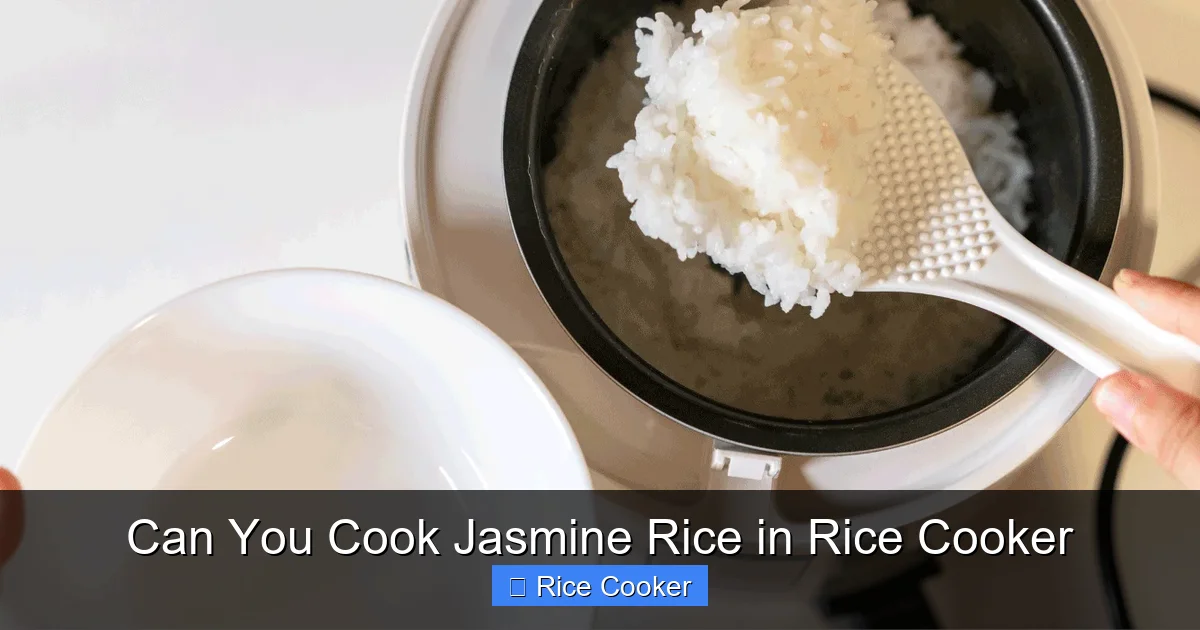
Visual guide about Can You Cook Jasmine Rice in Rice Cooker
Image source: expertreviewsbestricecooker.com
Step 1: Measure Your Ingredients
Start by measuring your rice accurately. A good rule of thumb is a 1:1.5 ratio of rice to water—one cup of uncooked jasmine rice requires one and a half cups of water. However, this can vary slightly depending on your specific rice brand and cooker model. Always check the instructions that came with your rice cooker, as some recommend different ratios.
Step 2: Rinse the Rice
This step is crucial! Rinsing removes excess surface starch, which prevents the rice from becoming too gummy or clumpy. Place the measured rice in a fine-mesh strainer and rinse under cold running water for about 30 seconds, gently stirring with your fingers. Continue until the water runs relatively clear—usually two to three rinses are enough.
Step 3: Soak (Optional but Recommended)
While not mandatory, soaking jasmine rice for 20–30 minutes before cooking helps the grains expand evenly, resulting in a more uniform texture. Simply place rinsed rice in a bowl, cover with water, and let it sit while you prepare the cooker.
Step 4: Add Water and Rice to the Cooker
Empty the soaked (or unsoaked) rice into the inner pot of your rice cooker. Pour in the measured water. If you’re adding flavor—like salt, garlic, or herbs—add them now. For extra richness, try replacing part of the water with chicken or vegetable broth.
Step 5: Start Cooking
Close the lid securely and select the appropriate setting. Most rice cookers have a default “white rice” or “regular” setting that works great for jasmine rice. Press start, and wait for the cycle to complete. You’ll hear a beep when it switches to warm mode.
Step 6: Let It Rest
Once done, let the rice sit covered for 5–10 minutes. This resting period allows steam to redistribute and the grains to firm up slightly, making them easier to fluff with a fork.
Step 7: Fluff and Serve
Open the lid carefully (watch out for escaping steam!), then use a rice paddle or fork to gently fluff the rice. Avoid stirring aggressively, as this can break the grains. Serve immediately alongside your favorite dishes.
Tips for Perfect Jasmine Rice Every Time
Even with a foolproof method, small adjustments can make a big difference in taste and texture. Here are some pro tips to help you master jasmine rice in your rice cooker.
Choose High-Quality Jasmine Rice
Not all jasmine rice is created equal. Look for reputable brands labeled “jasmine rice” or “Thai fragrant rice.” These typically offer the best balance of aroma, texture, and cooking performance. Avoid generic or off-brand options if possible—they may lack authenticity or contain fillers.
Taste Before Seasoning
Jasmine rice is naturally mildly sweet and aromatic, so avoid over-seasoning. A light sprinkle of salt is usually enough. If you prefer savory notes, consider adding a teaspoon of fish sauce or soy sauce along with the water.
Adjust Water for Desired Texture
Want fluffier rice? Use slightly less water—try a 1:1.25 ratio. Craving stickier, clingier grains? Add a bit more water. Keep notes on what works best for your cooker and rice type.
Don’t Overfill the Pot
Most rice cookers have maximum fill lines marked inside the pot. Exceeding these limits can cause overflow, mess, and uneven cooking. Stick to no more than two-thirds full for best results.
Keep the Lid Closed
Opening the lid during cooking releases heat and interrupts the steaming process, leading to inconsistent results. Only open it after the cycle finishes and the rice has rested.
Store Leftovers Properly
Refrigerated jasmine rice lasts up to three days in an airtight container. Reheat gently in a microwave with a splash of water to restore moisture. Avoid reheating in the rice cooker unless it has a reheat function.
Common Mistakes to Avoid
Despite its simplicity, cooking jasmine rice isn’t immune to pitfalls. Being aware of these common errors can save you from disappointment.
Skipping the Rinse
If you skip rinsing, your rice might turn out gummy or clumpy. The starch needs to go somewhere—and that’s not where you want it!
Using Cold Water
Always use room-temperature or lukewarm water. Cold water can slow down the cooking process and affect texture.
Opening the Lid Too Soon
Resist the urge to peek! Each time you open the lid, you lose precious steam and heat, potentially ruining the final result.
Using Old or Damaged Rice
Expired rice loses flavor and becomes harder to cook evenly. Check expiration dates and store rice in a cool, dry place away from light.
Ignoring Manufacturer Guidelines
Every rice cooker is slightly different. Always consult your user manual for recommended ratios and settings—especially if you’re using a newer model with smart features.
Variations and Creative Twists
Once you’ve mastered basic jasmine rice, consider experimenting with flavors and textures to keep things interesting.
Coconut Jasmine Rice
Add ½ cup of coconut milk along with the water for a creamy, subtly sweet version perfect with Thai green curry or mango sticky rice.
Garlic and Herb Rice
Sauté minced garlic in a little oil, then add rice and water. Finish with chopped parsley or cilantro for a herbed side dish.
Fried Jasmine Rice Base
Cook jasmine rice as usual, then cool completely. Stir-fry with scrambled eggs, shrimp, peas, and soy sauce for a quick fried rice dish.
Dessert Jasmine Rice Pudding
Combine jasmine rice, milk, sugar, cinnamon, and cardamom. Cook in the rice cooker on porridge mode for a comforting dessert.
Maintenance and Cleaning Tips
A clean rice cooker cooks better and lasts longer. After each use, follow these maintenance steps:
- Unplug the unit and allow it to cool completely.
- Remove the inner pot and wash it with warm, soapy water. Avoid abrasive sponges.
- Wipe the exterior and lid with a damp cloth. Never submerge the base in water.
- Check the sealing ring for food debris and clean it gently.
- Store the cooker in a dry place, preferably with the lid slightly ajar.
Deep cleaning once a month—using a vinegar-water solution to remove mineral buildup—keeps your appliance functioning optimally.
Conclusion
So, can you cook jasmine rice in a rice cooker? The answer is a resounding yes—and doing so opens up a world of delicious possibilities. With just a few simple steps and a commitment to quality ingredients, your rice cooker can produce fluffy, fragrant jasmine rice that rivals takeout or restaurant meals. Whether you’re feeding a family, hosting guests, or simply craving a comforting bowl of steamed rice, this method delivers reliable, tasty results every time.
Remember: consistency comes from practice, patience, and paying attention to details like rinsing, water ratios, and resting times. Don’t be afraid to experiment with flavors or adjust techniques based on your preferences. And always remember to maintain your appliance—cleanliness directly impacts performance.
In the end, cooking jasmine rice in a rice cooker isn’t just convenient—it’s empowering. You gain control over your meals, reduce stress in the kitchen, and open doors to global cuisines right from your own countertop. So go ahead, fire up that rice cooker, and enjoy perfectly cooked jasmine rice that’s sure to impress.
Frequently Asked Questions
Can I substitute jasmine rice with another variety in my rice cooker?
Yes, you can use other long-grain rice types like basmati or white rice in a rice cooker, but the cooking time and water ratio may differ. Jasmine rice, however, thrives in rice cookers due to its unique starch profile and ideal texture when cooked with precise heat control.
Do I need to soak jasmine rice before cooking it in a rice cooker?
Soaking is optional but highly recommended. It helps the grains cook evenly and prevents them from becoming too hard or uneven. If you skip soaking, just ensure you rinse thoroughly and adjust water slightly for better results.
Why is my jasmine rice too sticky or mushy?
Overcooking or using too much water causes stickiness. Make sure you’re using the correct 1:1.5 water-to-rice ratio, rinse the rice well, and let it rest after cooking. Also, avoid opening the lid during the cooking cycle.
Can I cook jasmine rice in a pressure cooker instead?
Yes, you can cook jasmine rice in a pressure cooker using a similar ratio, but it requires careful timing and release methods. A rice cooker remains the gentler, more forgiving option for achieving fluffy, separate grains.
How do I store leftover jasmine rice?
Store cooled jasmine rice in an airtight container in the refrigerator for up to three days. Reheat by microwaving with a splash of water or steaming briefly to restore moisture and prevent drying out.
Is it safe to leave jasmine rice on the “warm” setting for hours?
Most rice cookers have built-in safety mechanisms that prevent burning, but prolonged exposure to warmth can degrade quality and increase bacterial growth. It’s best to serve rice immediately or refrigerate leftovers promptly.