
Can you cook jasmine rice in the oven? Absolutely! While most people rely on stovetops or rice cookers, baking jasmine rice in the oven is not only possible but can produce equally delicious, fluffy grains with less attention. This method is ideal for meal preppers, those without kitchen appliances, or anyone looking to simplify their cooking routine. With just water, salt, and minimal prep, you can achieve restaurant-quality jasmine rice using your oven.
Key Takeaways
- Oven-baking works for jasmine rice: Contrary to common belief, jasmine rice can be cooked successfully in the oven using the absorption method.
- Minimal equipment needed: You only need a heatproof dish, lid, and basic measuring tools—no rice cooker required.
- Consistent results every time: Properly measured water-to-rice ratio and covered baking ensure fluffy, non-sticky grains.
- Saves energy and time: Once preheated, the oven requires no monitoring, making it ideal for multitasking or batch cooking.
- Great for large portions: Oven cooking shines when preparing big batches, perfect for families or meal prep.
- Flavor customization: Add broth, coconut milk, or spices during baking to infuse extra taste into your jasmine rice.
- Troubleshooting tips included: Learn how to fix overcooked, undercooked, or mushy rice with simple fixes.
Key Takeaways
- Understanding can you cook jasmine rice in the oven: Provides essential knowledge
📑 Table of Contents
- Introduction: The Surprising Truth About Baking Rice
- Why Cook Jasmine Rice in the Oven?
- The Science Behind Absorption Cooking
- Step-by-Step Guide: How to Cook Jasmine Rice in the Oven
- Tips for Perfect Oven-Baked Jasmine Rice
- Common Mistakes and How to Fix Them
- Creative Ways to Serve Oven-Baked Jasmine Rice
- Frequently Asked Questions
- Conclusion: Embrace the Quiet Power of the Oven
Introduction: The Surprising Truth About Baking Rice
Have you ever looked at your perfectly cooked jasmine rice and wondered if there’s another way to make it? Most of us reach for the rice cooker or bring a pot to the stove, but what if you don’t have either? Or what if you’re in the mood for something different—something that frees up your hands while dinner cooks itself?
Yes, you can cook jasmine rice in the oven. In fact, many home cooks swear by this method, especially when preparing large meals or cooking ahead. It might sound unconventional, but baking jasmine rice is not only possible—it’s reliable, hands-off, and surprisingly easy. Whether you’re meal prepping, hosting guests, or just tired of standing over the stove, the oven offers a quiet, consistent way to get fluffy, aromatic jasmine rice every time.
In this guide, we’ll walk you through everything you need to know about cooking jasmine rice in the oven. From the science behind absorption cooking to step-by-step instructions, troubleshooting, and flavor upgrades, you’ll learn why this oven method deserves a spot in your kitchen toolkit.
Why Cook Jasmine Rice in the Oven?
The Appeal of Hands-Off Cooking
One of the biggest advantages of oven-baking jasmine rice is the freedom it gives you. Unlike stovetop cooking, where you must watch the pot, stir occasionally, and adjust heat levels, oven cooking is passive. Once you mix the rice and water, cover the dish, and pop it in the oven, you’re free to do other things—bake a cake, chop vegetables, or even take a quick nap (well, maybe not that last one).

Visual guide about Can You Cook Jasmine Rice in the Oven
Image source: recipes.net
This makes oven baking ideal for busy weekdays or when you’re preparing multiple dishes at once. Since the oven maintains a steady temperature, the rice cooks evenly without scorching or boiling over. Plus, you avoid the risk of burning the bottom of the pot on the stove.
Perfect for Meal Prep and Batch Cooking
If you’re serious about meal prep, the oven is your new best friend. You can cook several batches of jasmine rice at once, store them in airtight containers, and reheat them later without losing texture or flavor. Because oven-baked rice doesn’t require constant stirring, each grain develops independently, resulting in a more uniform final product.
Imagine coming home after work and finding five servings of perfectly steamed jasmine rice waiting for you—no fuss, no muss. That’s the power of oven cooking.
Energy Efficiency and Consistency
Modern ovens are designed to hold heat efficiently. Once preheated, they maintain a consistent temperature, which means your jasmine rice won’t fluctuate between boiling and simmering like it might on the stove. This consistency leads to better results, especially when cooking delicate grains like jasmine, which can easily become mushy if overheated.
Additionally, using the oven for rice doesn’t require constant attention, so you’re not wasting gas or electricity by babysitting the pot. Just set it and forget it.
The Science Behind Absorption Cooking
How Oven Cooking Works for Rice
Cooking jasmine rice in the oven typically uses the absorption method, where the rice absorbs all the water it needs as it cooks. This is different from the boiling method, which involves bringing water to a boil first and then reducing the heat.
Visual guide about Can You Cook Jasmine Rice in the Oven
Image source: recipes.net
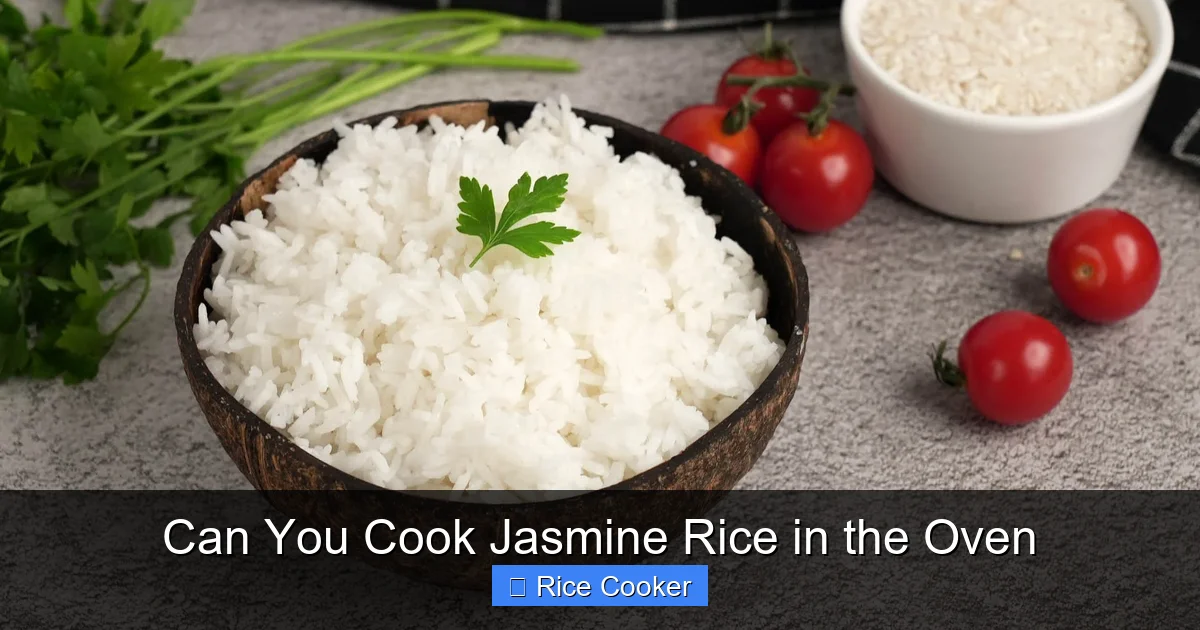
In absorption cooking, you combine dry jasmine rice, water, and a pinch of salt in an oven-safe dish. Then, you cover it tightly and bake at a steady temperature until the water is absorbed and the rice is tender. The key is maintaining moisture and heat throughout the process, which the oven provides naturally.
Why Jasmine Rice Cooks Well This Way
Jasmine rice is a long-grain variety known for its fragrant aroma and slightly sticky texture when cooked properly. It has a moderate starch content, which means it holds together well without becoming gluey—especially when cooked slowly and evenly.
The oven’s gentle, indirect heat allows the grains to plump up gradually, releasing steam and absorbing moisture uniformly. This prevents the formation of a crust on top and avoids clumping at the bottom of the pan.
Temperature and Time Considerations
Most recipes call for baking jasmine rice at 375°F (190°C) for 40–50 minutes. However, exact times depend on factors like rice age, altitude, and the size of the dish. Fresh rice may cook faster than older, drier stock. High-altitude cooking may require slightly longer times due to lower boiling points.
Always check the rice halfway through and add a few tablespoons of hot water if the dish looks too dry before the rice is tender.
Step-by-Step Guide: How to Cook Jasmine Rice in the Oven
Gather Your Ingredients and Tools
Before you start, make sure you have:
- 1 cup uncooked jasmine rice
- 1¾ cups water (or liquid of choice)
- Salt to taste (about ¼ teaspoon)
- A medium-sized oven-safe baking dish (glass or ceramic works best)
- A tight-fitting lid or aluminum foil
- A fine-mesh strainer (optional, for rinsing)
- A measuring cup and spoon
Prepare the Rice
Rinsing jasmine rice removes excess surface starch, which helps prevent clumping. Place the rice in a fine-mesh strainer and rinse under cold running water for 30–60 seconds, gently rubbing the grains with your fingers. Drain well.
Pro tip: Some chefs skip rinsing to preserve more natural oils, but rinsing is recommended for fluffier results, especially when cooking in the oven.
Combine and Cover
Place the rinsed rice in your baking dish. Add the water and salt. Stir once to combine, then cover the dish tightly with a lid or aluminum foil. Make sure the foil isn’t touching the rice—this could create steam pockets.
Bake at 375°F (190°C)
Preheat your oven to 375°F (190°C). Once hot, place the covered dish inside and bake for 40–50 minutes. Do not lift the lid during this time—doing so lets steam escape and can affect texture.
Rest and Fluff
After baking, remove the dish from the oven and let it sit, covered, for 10 minutes. This resting period allows the rice to finish steaming and absorb any remaining moisture. Then, uncover and fluff gently with a fork.
Serve and Store
Your jasmine rice is ready to serve immediately. For storage, cool completely, transfer to an airtight container, and refrigerate for up to 5 days or freeze for up to 2 months. Reheat in the microwave with a splash of water to restore moisture.
Tips for Perfect Oven-Baked Jasmine Rice
Use the Right Dish
A glass or ceramic baking dish is ideal because it distributes heat evenly and can go directly from oven to table. Avoid metal pans unless they’re labeled oven-safe and thick-walled, as thin metal can warp.
Don’t Skip the Resting Period
The 10-minute rest is crucial. Without it, the rice may feel gummy or unevenly cooked. Think of it like letting bread cool after baking—it sets the structure.
Adjust Water Based on Dish Size
If you’re using a deeper dish, increase water slightly. If using a shallow one, reduce water to prevent sogginess. A general rule: 1 cup rice to 1¾ cups liquid works for most standard-sized dishes.
Experiment with Flavored Liquids
Replace some or all of the water with chicken broth, coconut milk, or vegetable stock for added flavor. For a sweet twist, try adding a splash of coconut milk and a cinnamon stick during baking.
Check Doneness Before Finishing
After 40 minutes, peek at the rice. It should be tender with a slight resistance when pressed, and most of the water should be absorbed. If still firm, bake in 5-minute increments until done.
Avoid Opening the Lid Early
Lifting the lid releases steam, which can cause uneven cooking. Only uncover after the resting period.
Common Mistakes and How to Fix Them
Mushy or Overcooked Rice
This usually happens when the rice is baked too long or the water ratio is off. To fix it, drain excess water and fluff vigorously. For future batches, reduce baking time by 5 minutes or use less water.
Undercooked or Gummy Texture
If the rice is hard in the center or overly sticky, it likely didn’t cook long enough or wasn’t covered properly. Return the dish to the oven for 5–10 more minutes, covered, and check again.
Rice Sticking to the Bottom
This often occurs in metal pans or without enough water. Use a glass dish, add a bit more water, and avoid stirring during cooking. A light coating of oil on the bottom can also help.
Too Much Steam Inside the Dish
If condensation pools on the lid, the rice may be too wet. Next time, reduce water slightly or use a vented lid to allow excess steam to escape.
Inconsistent Grain Separation
Old or improperly stored jasmine rice can clump. Always store rice in a cool, dry place in an airtight container. For best results, buy rice within six months of purchase.
Creative Ways to Serve Oven-Baked Jasmine Rice
As a Base for Stir-Fries
Let the rice cool completely, then chill it overnight. When stir-frying, toss cold rice with veggies and sauce for a crispy, flavorful result.
With Asian-Inspired Toppings
Top with grilled chicken, tofu, edamame, and a drizzle of soy-ginger sauce. Garnish with scallions and sesame seeds for a restaurant-style bowl.
In Fried Rice
Use leftover oven-baked rice for fried rice. Cold rice fries better than warm rice, giving each bite a satisfying crunch.
As a Side for Curries
Serve fluffy jasmine rice alongside Thai green curry, Indian butter chicken, or Vietnamese pho. Its mild sweetness complements spicy dishes beautifully.
In Rice Pudding
Simmer cooled rice with milk, sugar, and cardamom for a creamy dessert. The oven-baked rice absorbs flavors well, making it ideal for sweet preparations.
With Savory Sauces
Dress with pesto, chimichurri, or a lemon-herb butter sauce for a Mediterranean twist.
Frequently Asked Questions
Can I use a different type of rice in the oven?
Yes, most long-grain rices like basmati, wild rice, or American long-grain work well in the oven. Adjust water ratios slightly—basmati may need 2 cups water per 1 cup rice, while brown rice requires more liquid and longer cooking time.
Do I need to soak jasmine rice before baking?
Soaking is optional. Soaking can speed up cooking and improve texture, but it’s not necessary. If you do soak, drain thoroughly before adding to the oven dish.
Can I cook jasmine rice in a slow cooker instead?
Absolutely! Use the same water-to-rice ratio, cover tightly, and cook on high for 45–60 minutes or low for 1–1½ hours. Slow cookers work similarly to ovens for absorption cooking.
How do I reheat oven-baked jasmine rice?
Reheat in the microwave with a damp paper towel over the dish to retain moisture. Alternatively, steam it over a pot of boiling water for 5–7 minutes until warmed through.
Is oven-cooked rice safe to eat cold?
Yes, as long as it’s stored properly in the refrigerator within two hours of cooking. Cooled rice is excellent for salads, bowls, or fried rice.
Can I add herbs or spices while baking?
Definitely! Add bay leaves, star anise, ginger slices, or garlic cloves to the water before baking for infused flavors. Remove solids before serving.
Conclusion: Embrace the Quiet Power of the Oven
Cooking jasmine rice in the oven isn’t just a backup plan—it’s a legitimate, efficient, and delicious method worth mastering. Whether you’re short on time, cooking for a crowd, or simply want to expand your culinary repertoire, the oven offers a reliable path to perfect rice every time.
With minimal ingredients, no constant supervision, and the ability to customize flavors, oven-baked jasmine rice fits seamlessly into any lifestyle. And the best part? You don’t need a rice cooker to enjoy restaurant-quality results.
Next time you open your pantry and see a bag of jasmine rice, consider skipping the pot and heading straight for the oven. You might just discover your new favorite way to cook rice.
Frequently Asked Questions
Can I use a different type of rice in the oven?
Yes, most long-grain rices like basmati, wild rice, or American long-grain work well in the oven. Adjust water ratios slightly—basmati may need 2 cups water per 1 cup rice, while brown rice requires more liquid and longer cooking time.
Do I need to soak jasmine rice before baking?
Soaking is optional. Soaking can speed up cooking and improve texture, but it’s not necessary. If you do soak, drain thoroughly before adding to the oven dish.
Can I cook jasmine rice in a slow cooker instead?
Absolutely! Use the same water-to-rice ratio, cover tightly, and cook on high for 45–60 minutes or low for 1–1½ hours. Slow cookers work similarly to ovens for absorption cooking.
How do I reheat oven-baked jasmine rice?
Reheat in the microwave with a damp paper towel over the dish to retain moisture. Alternatively, steam it over a pot of boiling water for 5–7 minutes until warmed through.
Is oven-cooked rice safe to eat cold?
Yes, as long as it’s stored properly in the refrigerator within two hours of cooking. Cooled rice is excellent for salads, bowls, or fried rice.
Can I add herbs or spices while baking?
Definitely! Add bay leaves, star anise, ginger slices, or garlic cloves to the water before baking for infused flavors. Remove solids before serving.