
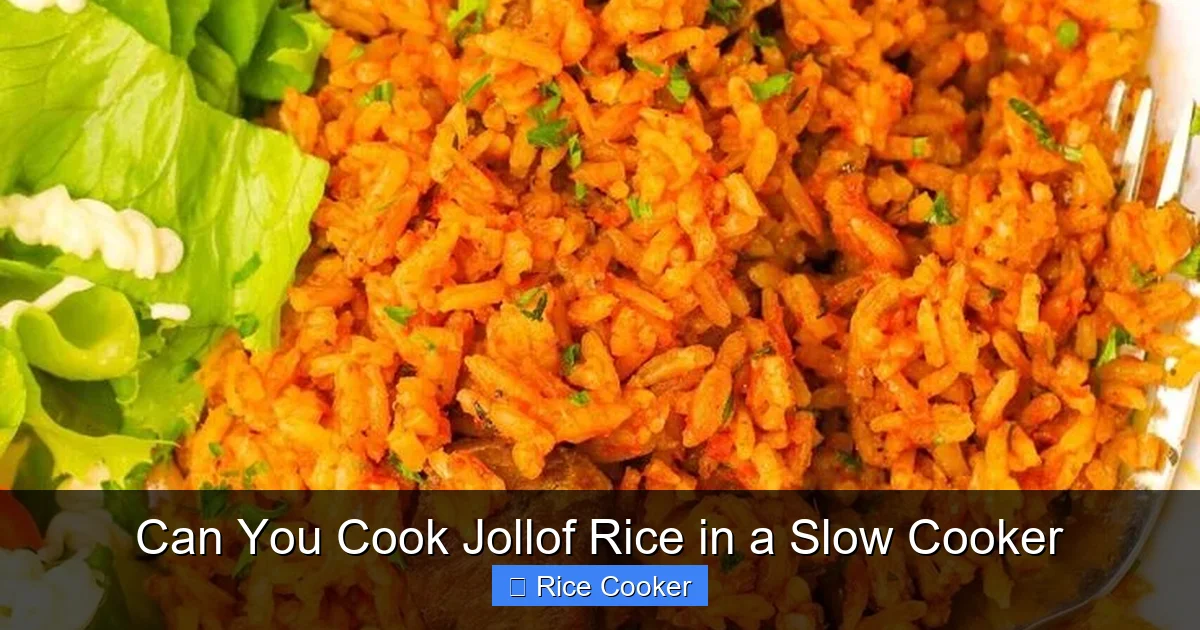
Can you cook jollof rice in a slow cooker? Absolutely! With the right ingredients and technique, your slow cooker can produce flavorful, tender jollof rice that rivals any restaurant version. It’s a hands-off method that saves time while delivering bold, aromatic results every time.
Key Takeaways
- Yes, it’s possible: A slow cooker can perfectly cook jollof rice when prepared correctly—just requires the right ratio of liquid to rice and proper seasoning.
- Flavor development is key: Browning the onions, tomatoes, and peppers before adding them to the slow cooker enhances depth and authenticity.
- Low and slow works best: Using the “low” setting helps prevent burning and allows flavors to meld beautifully over 3–4 hours.
- Rinse your rice lightly: Washing removes excess starch so your jollof rice stays fluffy instead of gummy.
- Add proteins or vegetables: You can easily incorporate chicken, beef, or plantains into your slow-cooked jollof for a complete meal.
- Let it rest after cooking: Allowing the rice to sit for 10–15 minutes fluffs it up and makes serving easier.
- Clean-up is simple: Most slow cooker inserts are dishwasher-safe, making cleanup a breeze even after rich stews like jollof.
📑 Table of Contents
- Introduction: The Allure of Jollof Rice
- The Basics: What Makes Jollof Rice Special?
- Can You Really Cook Jollof Rice in a Slow Cooker? The Science Explained
- Essential Ingredients for Perfect Slow-Cooker Jollof Rice
- Step-by-Step Guide: Making Jollof Rice in Your Slow Cooker
- Troubleshooting Common Issues
- Tips for Elevating Your Slow-Cooker Jollof Rice
- Conclusion: Why Slow Cooker Jollof Rice Deserves a Spot in Every Kitchen
Introduction: The Allure of Jollof Rice
There’s something magical about jollof rice. Whether it’s served at a family gathering in Lagos, shared during a Nigerian wedding, or enjoyed as street food in Accra, this iconic West African dish has captured hearts across borders. With its vibrant red-orange hue, fragrant spices, and tender grains, jollof rice isn’t just food—it’s a celebration on a plate. But what if you don’t have hours to stand over a hot stove, stirring a pot of simmering tomatoes and peppers? Enter the humble slow cooker.
You might be wondering: Can you cook jollof rice in a slow cooker? The short answer is yes—and surprisingly well. While traditional recipes call for sautéing ingredients on the stovetop, modern kitchens often rely on convenience appliances like slow cookers. And guess what? They work beautifully for jollof rice when you follow a few smart steps. In this guide, we’ll walk through everything you need to know—from choosing the right ingredients to troubleshooting common issues—so you can enjoy restaurant-quality jollof rice with minimal effort.
The Basics: What Makes Jollof Rice Special?
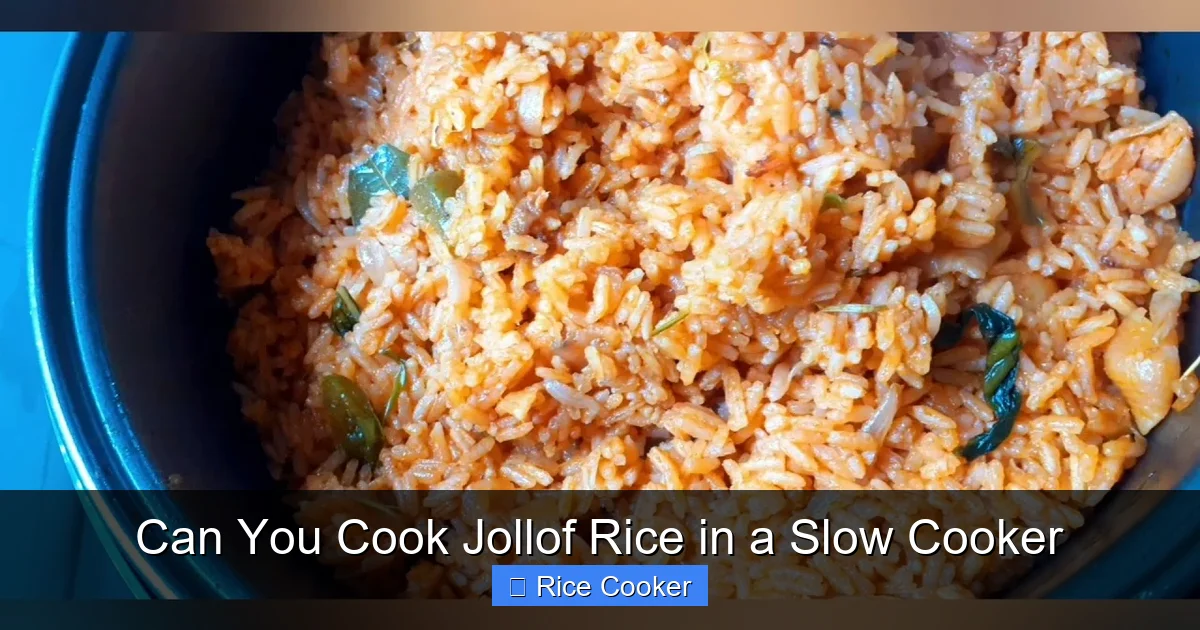
Before diving into the slow cooker method, let’s talk about why jollof rice stands out. Unlike plain boiled rice, jollof is deeply flavored by a blend of ripe tomatoes, bell peppers, onions, and aromatic spices like thyme, curry powder, and Scotch bonnet pepper. The secret lies not just in the ingredients, but in how they’re combined and cooked. Traditional methods involve frying or roasting the tomato base until it caramelizes slightly—this Maillard reaction builds complex, savory notes that elevate the entire dish.
Visual guide about Can You Cook Jollof Rice in a Slow Cooker
Image source: i.ytimg.com
When adapting jollof rice for a slow cooker, you lose some of that direct heat exposure, but gain consistency and ease. The low-and-slow environment mimics the gentle simmer of a stovetop pot, allowing all those bold flavors to infuse evenly into each grain of rice. Plus, there’s no constant stirring required—just layer everything in and let time do the work.
Can You Really Cook Jollof Rice in a Slow Cooker? The Science Explained
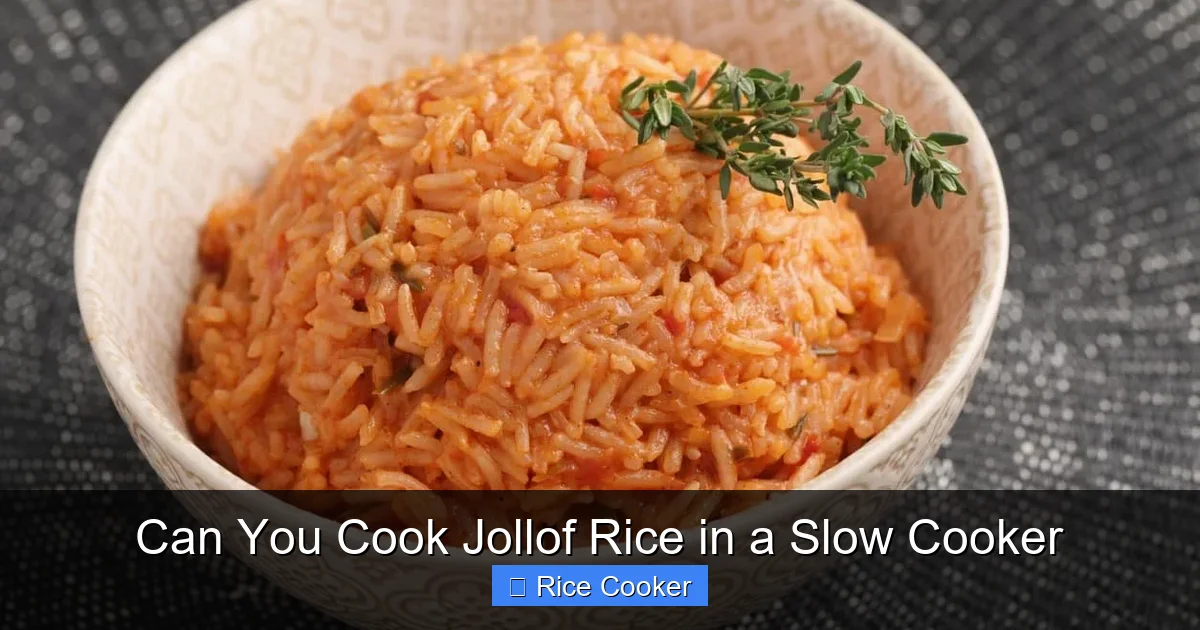
At first glance, it may seem odd to use a slow cooker for something typically made on the stove. After all, jollof rice relies on high-heat techniques to develop its signature flavor profile. But here’s the thing: slow cookers excel at breaking down ingredients and extracting maximum taste from vegetables and spices—exactly what you want for jollof.
Visual guide about Can You Cook Jollof Rice in a Slow Cooker
Image source: images.squarespace-cdn.com
How Heat Differs Between Methods
On the stovetop, you sear onions until golden brown, roast tomatoes until they form a thick paste, and then combine everything with rice under direct flame. This process creates layers of flavor through controlled browning. In contrast, a slow cooker uses moist, indirect heat to soften ingredients gradually. While you won’t get the same charring effect, you still achieve deep, concentrated flavors because everything cooks together in a closed environment.
Why Low and Slow Works
The “low” setting (typically 200–250°F) ensures the rice doesn’t dry out or burn. Since rice absorbs liquid as it cooks, the slow release of moisture keeps grains tender without turning mushy. Over 3–4 hours, the tomatoes break down completely, blending seamlessly with the rice and imparting their rich color and taste. Many home cooks find that slow-cooked jollof rice actually tastes more uniform—no risk of undercooked spots or scorched bottoms.
Essential Ingredients for Perfect Slow-Cooker Jollof Rice
Getting great results starts with quality ingredients. Here’s what you’ll need:
Fresh Tomatoes and Peppers
Authentic jollof rice calls for fresh, ripe tomatoes and red bell peppers (or Scotch bonnet peppers for heat). Avoid canned tomato paste alone—it lacks the bright acidity and freshness of whole produce. If fresh options aren’t available, blended canned tomatoes work in a pinch, but rinse them first to reduce saltiness.
Onions
Diced yellow or white onions provide sweetness and body. For extra depth, consider using half red onion—its milder flavor complements the tangy tomato base nicely.
Aromatics and Spices
Common additions include:
- Fresh thyme
- Cayenne or paprika
- Ground cumin or curry powder
- Salt and black pepper
These transform simple rice into a fragrant, satisfying main course.
Protein and Vegetables (Optional)
Many families love adding diced chicken thighs, smoked turkey, or even shrimp to their jollof. Plantains, okra, or spinach can also go in during the last hour of cooking. Just remember to adjust liquid amounts slightly if adding extra ingredients.
Step-by-Step Guide: Making Jollof Rice in Your Slow Cooker
Ready to try it yourself? Follow these simple steps for foolproof results every time.
Prep Your Ingredients
Start by washing and lightly rinsing your rice under cold water until the water runs clear. Drain thoroughly—this prevents clumping. Dice onions, tomatoes, and peppers into small, even pieces. Measure out your spices and set aside.
Browning the Base (Optional but Recommended)
While not mandatory, sautéing the onions, tomatoes, and peppers in a pan before adding them to the slow cooker adds significant flavor depth. Heat oil in a skillet, add onions, and cook until translucent. Stir in tomatoes and peppers, then simmer for 5–7 minutes until thickened. Transfer this mixture directly into the slow cooker insert.
Layer Everything Together
In your clean slow cooker:
- Add washed rice
- Pour in the tomato-pepper-onion mixture
- Sprinkle in thyme, salt, pepper, and any other dry spices
- Stir gently to distribute evenly
- Add chicken broth or water (usually 2–2.5 cups per cup of rice—check your manual for exact ratios)
- Top with optional protein or vegetables
Cover and cook on LOW for 3–4 hours, or HIGH for 2–3 hours. Avoid lifting the lid frequently—steam escaping delays cooking.
Finishing Touches
Once done, fluff the rice with a fork. Taste and adjust seasoning if needed. Let it rest covered for 10 minutes—this allows residual heat to finish cooking any remaining moisture and firms up the texture. Garnish with chopped parsley or green onions if desired.
Troubleshooting Common Issues
Even experienced cooks run into hiccups now and then. Here’s how to fix them:
Too Watery Rice?
If your rice came out soupy, drain some of the liquid before serving. Alternatively, switch to HIGH heat for the final 30 minutes with the lid off to evaporate excess moisture.
Rice Stuck to the Bottom?
This usually means too little liquid or overcooking. Always measure carefully, and never skip preheating the slow cooker. Adding a splash of oil to the insert before starting helps prevent sticking.
Not Enough Flavor?
Boost umami by adding a spoonful of Worcestershire sauce or soy sauce. A pinch of sugar balances acidity from tomatoes, and extra garlic or ginger adds zing.
Rice Too Dry?
Check your liquid ratio—it should be about 2:1 (water/broth to rice). If using frozen meat or veggies, account for added moisture they release during cooking.
Tips for Elevating Your Slow-Cooker Jollof Rice
Want to take your dish from good to unforgettable? Try these pro tips:
- Toast your spices: Lightly heating cumin or coriander in a dry pan before grinding enhances aroma.
- Use smoked paprika: Adds a subtle smokiness that mimics traditional grill-fired jollof.
- Layer flavors: Cook onions separately for 10 minutes before mixing in tomatoes—creates richer sweetness.
- Try coconut milk: Replace half the broth with light coconut milk for a creamy, tropical twist.
- Serve with sides: Pair with fried plantains, grilled fish, or coleslaw for a balanced feast.
Remember, practice makes perfect. Don’t be afraid to experiment with spice levels or ingredient combos based on your taste preferences.
Conclusion: Why Slow Cooker Jollof Rice Deserves a Spot in Every Kitchen
So, can you cook jollof rice in a slow cooker? Absolutely—and once you’ve tried it, you’ll wonder why you ever hesitated. This method proves that delicious, authentic meals don’t require hours of active cooking. Instead, trust your appliance, respect the process, and let time work its magic. Whether you’re feeding a crowd, meal-prepping for the week, or simply craving comfort food without the hassle, slow-cooker jollof rice delivers consistent, satisfying results.
Plus, the hands-off nature makes it ideal for busy parents, working professionals, or anyone who values convenience without sacrificing flavor. As long as you use fresh ingredients, monitor your liquid levels, and embrace the low-and-slow approach, you’ll end up with rice that’s fragrant, tender, and packed with that unmistakable jollof goodness. Give it a try—your taste buds will thank you!
Frequently Asked Questions
Can I use instant rice for slow cooker jollof?
Yes, but avoid quick-cooking types like Minute Rice—they can become mushy. Opt for regular long-grain parboiled rice instead, which holds its shape better during extended cooking.
Do I need to pre-boil the tomatoes?
No. Fresh or canned tomatoes work fine in the slow cooker. They’ll naturally break down and blend into the rice during cooking, eliminating the need for pre-boiling or straining.
How much liquid do I really need?
The standard ratio is 2 cups liquid per 1 cup uncooked rice. Adjust based on your slow cooker model—some retain more moisture than others. When in doubt, start with less liquid and add more if needed after testing.
Can I freeze leftover jollof rice?
Absolutely. Cool completely, portion into containers, and freeze for up to 3 months. Thaw overnight in the fridge and reheat with a splash of water to restore moisture.
What’s the difference between Nigerian and Ghanaian jollof rice?
Both countries claim origin, but Nigerian jollof often includes more tomatoes and Scotch bonnet peppers, yielding a brighter red color and sharper heat. Ghanaian versions may use more palm oil and have a deeper orange hue.
Is slow cooker jollof rice as good as stove-top?
It depends on personal preference. Some find stove-top jollof richer due to initial browning, while others appreciate the hands-free ease and consistent texture of slow cooking. Both are delicious—try both and decide what you like best!