
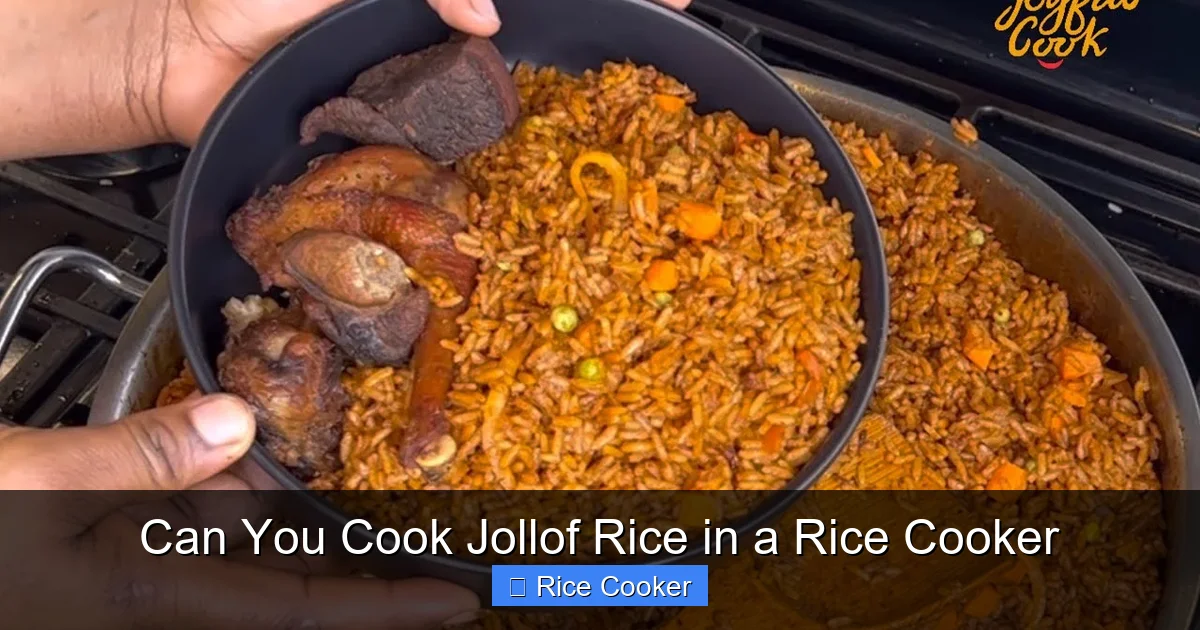
Jollof rice is a beloved West African dish known for its bold flavors and vibrant color, and the good news is that you can absolutely cook it in a rice cooker. Whether you’re new to this popular meal or just looking for an easier method, using your rice cooker saves time and ensures perfectly cooked rice every time. With the right ingredients and technique, you’ll get tender grains and rich tomato stew without the hassle.
Key Takeaways
- Yes, you can cook jollof rice in a rice cooker – It’s not only possible but also one of the easiest ways to prepare this classic dish.
- You’ll need tomatoes, onions, peppers, oil, rice, and seasonings – These are the core ingredients for an authentic jollof rice recipe.
- Preparing the sauce (tomato stew) first makes all the difference – Cooking tomatoes and spices into a thick, flavorful base is key.
- Using a high-quality rice cooker with a keep-warm function helps maintain taste – It prevents overcooking and keeps your rice warm until serving.
- Adjust cooking times based on your rice type – Long-grain parboiled rice works best, but other varieties can be adapted.
- Serving jollof rice with grilled chicken or fried plantains completes the meal – It pairs beautifully with proteins and sides.
- Experiment with spices and heat levels to match your taste – Jollof rice can range from mild to fiery, depending on regional styles.
📑 Table of Contents
- Can You Cook Jollof Rice in a Rice Cooker?
- The Basics of Jollof Rice
- Why Use a Rice Cooker for Jollof Rice?
- Ingredients You’ll Need
- Step-by-Step Guide: How to Cook Jollof Rice in a Rice Cooker
- Troubleshooting & Tips for Perfect Jollof Rice
- Serving Suggestions and Pairings
- Regional Variations and Cultural Notes
- Frequently Asked Questions
Can You Cook Jollof Rice in a Rice Cooker?
Imagine sitting down to a steaming bowl of jollof rice—tender grains bursting with smoky, tangy, and slightly sweet flavors, all wrapped in a glossy red-orange sauce. This iconic West African dish has taken the world by storm, with fans across continents debating whether Nigerian, Ghanaian, or Senegalese versions reign supreme. But here’s something even more exciting: you don’t have to stand over a hot stove for hours to make it.
That’s right—you can cook jollof rice in a rice cooker. In fact, using a rice cooker might be one of the smartest kitchen decisions you’ve made this year. Not only does it simplify the process, but it also delivers consistent, foolproof results. No more worrying about burning the bottom of the pot or undercooking the rice. Just combine your ingredients, press a button, and let the machine do the rest.
In this article, we’ll walk you through everything you need to know about making jollof rice in a rice cooker—from choosing the right ingredients to troubleshooting common mistakes. Whether you’re a beginner or a seasoned home cook, you’ll learn how to create restaurant-quality jollof rice using your everyday kitchen appliance. Let’s get started!
The Basics of Jollof Rice
Before diving into the rice cooker method, it’s important to understand what makes jollof rice so special. At its heart, jollof rice is a one-pot dish made with long-grain rice, tomatoes, onions, bell peppers, scotch bonnet peppers (or habaneros), and a blend of aromatic spices like thyme, curry powder, and bay leaves. The rice is cooked in a flavorful tomato-based sauce, absorbing all the rich, savory goodness as it simmers.
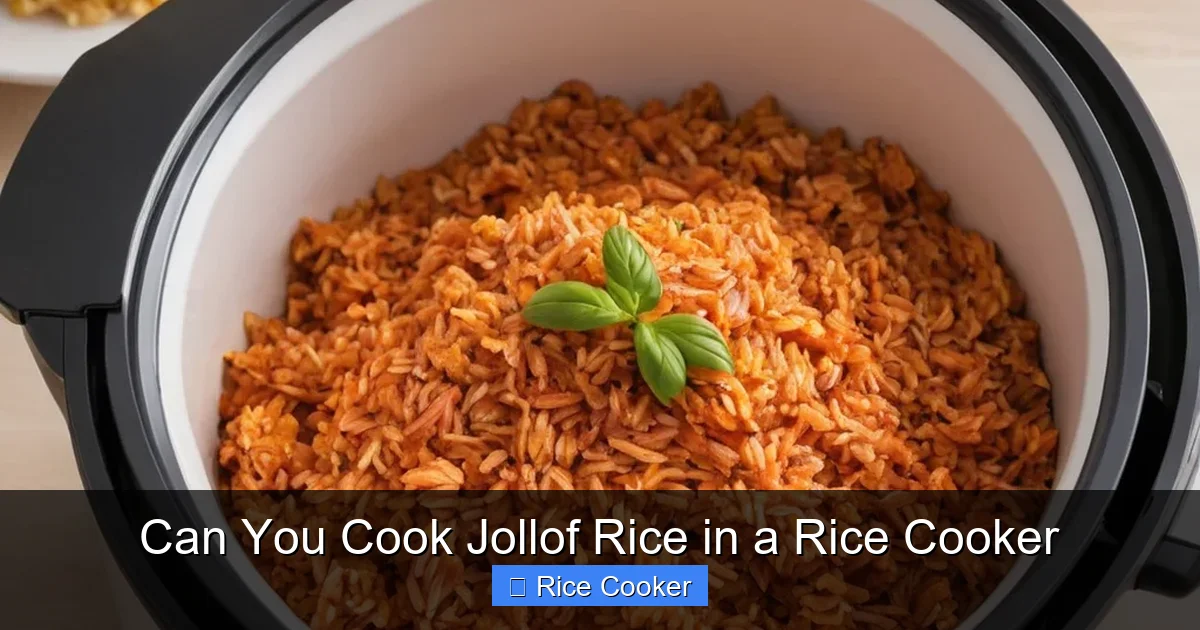
Visual guide about Can You Cook Jollof Rice in a Rice Cooker
Image source: ricecookerjunkie.com
Why People Love Jollof Rice
Jollof rice is more than just a side dish—it’s a celebration on a plate. Its vibrant color draws attention, while the balance of sweet, spicy, and tangy flavors creates a complex taste experience. Families gather around it during holidays, weddings, and casual dinners alike. And because it feeds so many people, it’s often prepared in large batches, making it a staple at communal events across West Africa.
But beyond its cultural significance, jollof rice is incredibly versatile. It pairs well with grilled meats, seafood, beans, or even eaten solo with a spoon. The beauty of jollof lies in its ability to adapt—whether you prefer it spicier, milder, or with added vegetables like carrots or peas, the base remains strong.
Traditional vs. Modern Cooking Methods
Traditionally, jollof rice is cooked on the stovetop in a heavy pot. This method allows for constant stirring and careful monitoring of the sauce’s consistency. However, it requires attention and can be tricky for beginners. On the other hand, modern methods—like using a pressure cooker or rice cooker—simplify the process without sacrificing flavor.
This brings us to the main question: can you cook jollof rice in a rice cooker? Absolutely. In fact, many home cooks today swear by the rice cooker method because it reduces hands-on effort and minimizes the risk of burning or uneven cooking.
Why Use a Rice Cooker for Jollof Rice?
If you’ve ever struggled with sticky rice, mushy grains, or undercooked centers when cooking on the stove, you’re not alone. That’s where the rice cooker shines. Designed specifically for perfect rice, these appliances use precise temperature control and timed cycles to deliver consistently fluffy or tender results—depending on the setting.
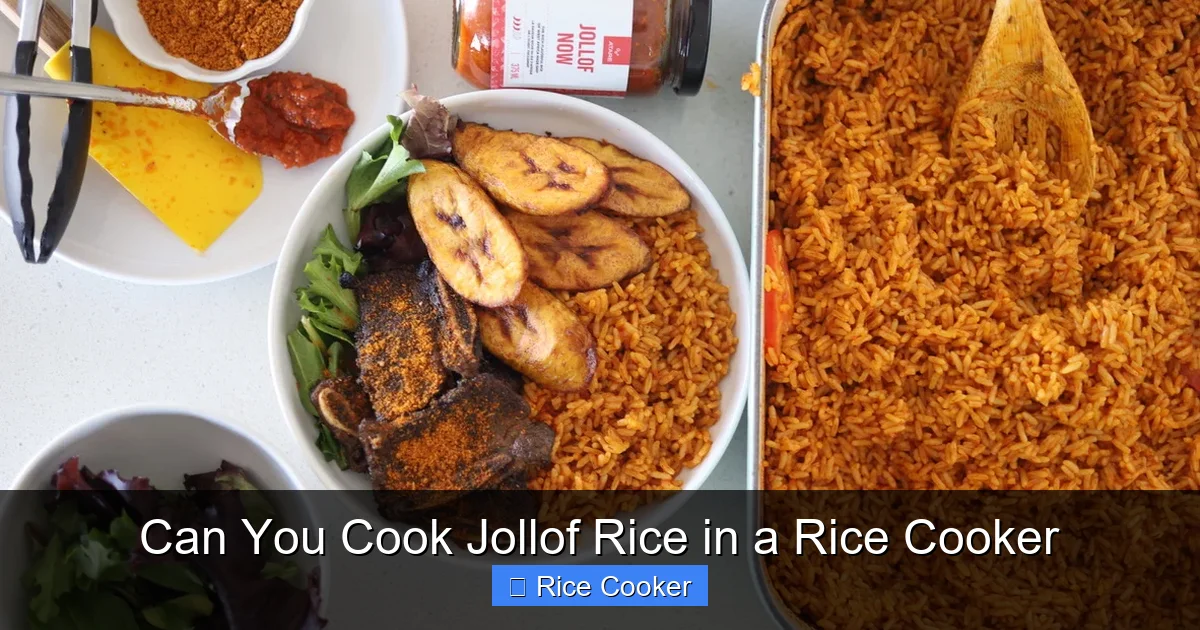
Visual guide about Can You Cook Jollof Rice in a Rice Cooker
Image source: 9jafoodie.com
Benefits of Cooking Jollof Rice in a Rice Cooker
- Even Cooking: The rice cooker distributes heat evenly, ensuring every grain absorbs moisture properly without clumping.
- Hands-Off Convenience: Once you add the ingredients, you can go about other tasks while the cooker does the work.
- Reduced Cleanup: Using a single pot means fewer dishes to wash later.
- Consistent Results: No more guessing if the rice is done—just follow the cycle and enjoy.
- Perfect Texture Every Time: Whether you like your rice slightly dry or creamy, the rice cooker can accommodate different preferences.
Of course, there are a few caveats. For example, some rice cookers don’t have a “keep-warm” feature that lasts very long, which could affect the final texture if left too long. But overall, the advantages far outweigh the drawbacks, especially for busy weeknights or meal prep.
What Kind of Rice Cooker Works Best?
Not all rice cookers are created equal. When making jollof rice, look for models with:
- A non-stick inner pot (easier to clean)
- A keep-warm function (ideal for serving later)
- A timer or delay start (great for scheduling meals)
- Multiple settings (white rice, brown rice, steam, etc.)
Popular brands like Zojirushi, Panasonic, and Instant Pot offer reliable options that handle jollof rice beautifully. If you already own a basic rice cooker, don’t worry—many older models still perform well with this dish.
Ingredients You’ll Need
Making jollof rice in a rice cooker starts with quality ingredients. While you can use canned tomatoes or bottled sauces for convenience, fresh produce gives the best flavor. Here’s what you’ll need:
Core Ingredients
- Rice: Long-grain parboiled rice (like Carolina Gold or Basmati) works best. Avoid instant or short-grain rice, as they tend to become mushy.
- Tomatoes: 4–6 ripe tomatoes (blended into a puree). You can also use tomato paste for a deeper color and richer taste.
- Bell Peppers: 1 red and 1 yellow bell pepper (finely chopped).
- Onions: 2 medium onions (one raw, one caramelized or sautéed).
- Scotch Bonnet or Habanero Peppers: 2–3 (adjust based on spice preference; remove seeds for less heat).
- Vegetable or Palm Oil: ½ cup (palm oil gives an authentic orange hue, but vegetable oil is fine).
- Seasonings: Thyme, curry powder, smoked paprika, garlic powder, salt, black pepper, and bay leaf.
- Water or Broth:: Enough to cover the rice by about 1 inch (usually 2–3 cups).
Optional Additions
- Canned tomatoes or crushed tomatoes
- Peanuts or groundnuts (for extra protein)
- Carrots, peas, or corn (add before cooking for color and nutrition)
- Chicken stock instead of water (boosts flavor)
Pro tip: Toast your spices lightly in a dry pan before adding them to unlock their full aroma. This small step makes a big difference in taste.
Step-by-Step Guide: How to Cook Jollof Rice in a Rice Cooker
Ready to make your first batch? Follow these simple steps for delicious jollof rice every time.
Preparation Phase
- Blend the Sauce: Combine tomatoes, onions, bell peppers, and scotch bonnet peppers in a blender. Blend until smooth. Set aside.
- Sauté Aromatics: Heat oil in a skillet. Sauté the remaining onion until translucent. Add blended mixture and cook on medium-low for 15–20 minutes, stirring occasionally, until thickened and the raw smell disappears.
- Add Spices: Stir in thyme, curry powder, garlic powder, smoked paprika, salt, and black pepper. Cook for another 2 minutes.
- Transfer to Rice Cooker: Pour the sauce into the inner pot of your rice cooker. Add rinsed rice and stir gently to coat.
- Add Liquid: Pour in water or broth so that it reaches about 1 inch above the rice.
- Start Cooking: Close the lid and select the “White Rice” or “Normal” setting. Press start.
Finishing Touches
- Once the cycle ends, let the rice sit for 5–10 minutes with the lid closed. This allows steam to distribute evenly.
- Fluff the rice gently with a fork before serving.
- Garnish with chopped parsley or cilantro if desired.
Common Mistakes to Avoid
- Overloading the rice cooker—stick to the recommended rice-to-liquid ratio.
- Skipping the sauce reduction step—this builds depth of flavor.
- Using cold ingredients—warm the sauce slightly before adding rice to prevent temperature shock.
- Leaving rice in keep-warm mode too long—it can become soggy.
Troubleshooting & Tips for Perfect Jollof Rice
Even with the best intentions, things don’t always go as planned. Here’s how to fix common issues:
Problem: Rice Is Too Wet or Mushy
Cause: Too much liquid or extended keep-warm time.
Solution: Drain excess water before serving, or reduce liquid next time by ¼ cup. Also, avoid leaving rice in keep-warm mode longer than necessary.
Problem: Sauce Is Too Thin
Cause: Insufficient cooking of the tomato mixture.
Solution: Reduce the blended sauce on the stove longer—up to 30 minutes—until it thickens like ketchup.
Problem: Rice Is Dry or Undercooked
Cause: Not enough liquid or low heat.
Solution: Add ½ cup warm water, stir, and cook for an additional 5–10 minutes on the “Keep Warm” setting (if available). Alternatively, use the “Cook” button again briefly.
Problem: Lack of Flavor
Cause: Missing key spices or insufficient sauce reduction.
Solution: Always toast spices and cook the tomato base thoroughly. Consider adding a splash of Worcestershire sauce or a pinch of sugar to balance acidity.
Pro Tips from the Pros
- Soak rice for 15 minutes before cooking to improve texture.
- Use a wooden spoon to stir after adding liquid—it’s gentler on the non-stick coating.
- Serve immediately after fluffing for the best mouthfeel.
- Store leftovers in an airtight container for up to 3 days (reheat with a splash of water to restore moisture).
Serving Suggestions and Pairings
Jollof rice is delicious on its own, but it truly comes alive when paired with complementary dishes. Here are some crowd-pleasing combinations:
Protein Options
- Grilled Chicken: Marinate chicken in lemon juice, garlic, and herbs, then grill until juicy.
- Fried Plantains: Sweet and caramelized, they add a tropical twist.
- Beef Stew: Slow-cooked beef with carrots and potatoes makes a hearty combo.
- Shrimp or Fish: Light and flaky seafood balances the richness of jollof.
Side Dishes
- Coleslaw with lime dressing
- Roasted sweet potatoes
- Boiled yams or plantains
- Fresh salad with cucumber and tomato
Beverage Pairings
- Sparkling water with mint
- Hibiscus tea (known locally as “sobina”)
- Fresh fruit juice (pineapple or mango)
Presentation matters too—serve in deep bowls with a drizzle of extra sauce and a sprinkle of peanuts for crunch.
Regional Variations and Cultural Notes
Jollof rice isn’t just one dish—it’s a family of recipes shaped by local tastes and traditions. In Nigeria, it’s often cooked with palm oil and served at celebrations. In Ghana, the version tends to be spicier and includes more peppers. Senegal uses a mix of tomatoes and mangoes for sweetness.
Interestingly, the “jollof wars” between countries—especially Nigeria and Ghana—have sparked friendly culinary debates online. While both claim authenticity, the truth is: there’s room for everyone. Feel free to tweak the recipe to suit your palate.
Also worth noting: jollof rice is deeply tied to identity and community. Sharing a pot with friends and family strengthens bonds and preserves heritage. So whether you’re cooking for one or twenty, take pride in the tradition you’re honoring.
Frequently Asked Questions
Can I use any type of rice for jollof?
Long-grain parboiled rice is ideal because it holds its shape and absorbs flavors well. Short-grain or instant rice may turn mushy. If you only have white rice, rinse it thoroughly and adjust cooking time slightly.
Do I need a special rice cooker?
No, any standard rice cooker will work. Just ensure it has a non-stick pot and a keep-warm function for best results.
How much sauce should I use?
For every 1 cup of rice, aim for about 2 cups of sauce plus liquid. Too little sauce results in bland rice; too much makes it soupy.
Can I make jollof rice ahead of time?
Yes, but store it in the fridge for no more than 3 days. Reheat with a splash of water to revive texture.
Is jollof rice healthy?
It can be—use lean proteins, plenty of vegetables, and limit palm oil. Balance is key for a nutritious meal.
Can kids eat jollof rice?
Absolutely! Remove the scotch bonnet peppers or use milder alternatives for younger children. Serve with fun sides like mini meatballs or grilled cheese cubes.
Frequently Asked Questions
Can I use brown rice instead of white rice?
Yes, but it will take longer to cook and may require adjusting the liquid ratio. Brown rice needs about 20–25% more water and a longer cooking time.
What if I don’t have scotch bonnet peppers?
Substitute with jalapeños or serrano peppers. You can also omit them entirely for a milder version, though the flavor won’t be as authentic.
Can I freeze leftover jollof rice?
Yes, portion it into freezer-safe containers and store for up to 2 months. Thaw overnight in the fridge before reheating.
How do I make jollof rice vegan?
Use vegetable oil instead of palm oil, skip animal products, and serve with plant-based proteins like lentils or tofu.
Is it okay to add milk or cream?
Traditionally, jollof rice is not creamy. Adding dairy changes the texture and flavor profile significantly. Stick to water or broth for authenticity.
Why is my jollof rice sticky?
Sticky rice usually results from using the wrong type of rice or not rinsing it before cooking. Always rinse long-grain rice until the water runs clear to remove excess starch.