
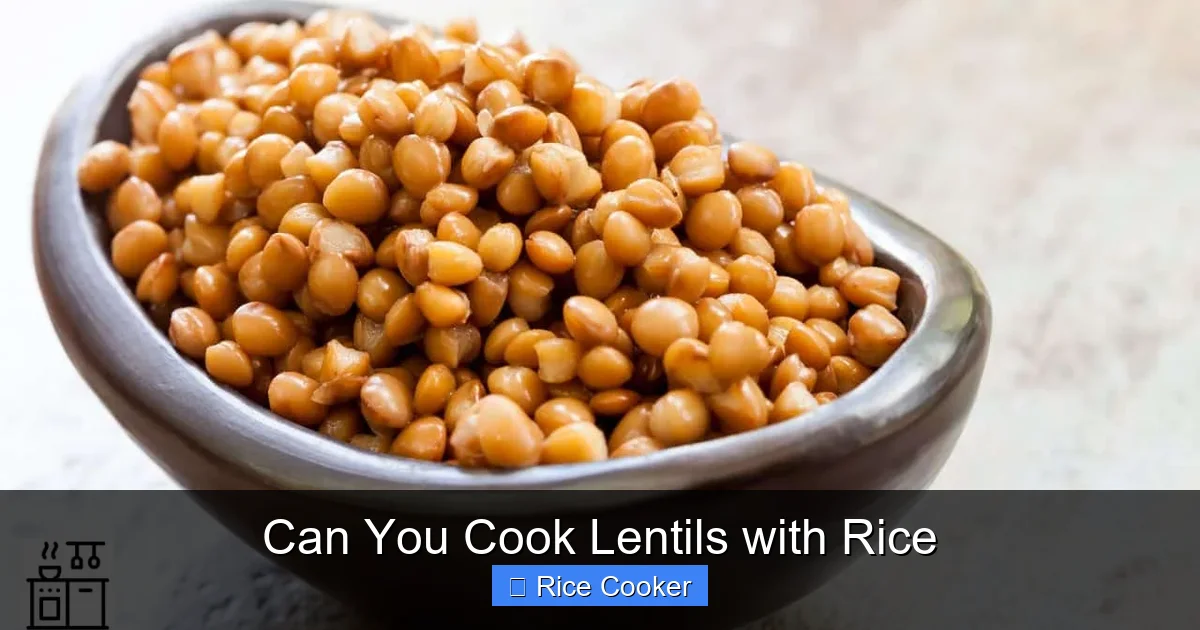
Can you cook lentils with rice? Absolutely! This simple pairing creates a balanced, protein-rich meal that’s perfect for busy weeknights. Using a rice cooker makes it even easier by handling the timing and texture automatically. Whether you’re feeding a family or meal prepping for the week, this combo delivers flavor, nutrition, and convenience in one pot.
Key Takeaways
- Rice and lentils complement each other nutritionally: Together, they form a complete protein, making this dish ideal for vegetarians and vegans.
- A rice cooker simplifies cooking: It ensures consistent results without constant monitoring, saving time and effort.
- You don’t need to soak lentils: Unlike dried beans, lentils cook quickly and work great with rice in most rice cookers.
- Flavor enhances with spices and broth: Adding herbs, garlic, or vegetable stock boosts taste without extra steps.
- Customize to your liking: Swap red lentils for green or brown, or add veggies like carrots and spinach for more nutrients.
- Perfect for meal prep: Cook a large batch and store portions for quick, healthy lunches or dinners all week.
- Texture matters: Brown lentils hold their shape better than red ones, which break down into a soup-like consistency.
📑 Table of Contents
- Can You Cook Lentils with Rice? Yes—And Here’s How!
- Why Combine Lentils and Rice?
- How to Cook Lentils and Rice in a Rice Cooker
- Variations and Flavor Enhancements
- Common Mistakes and How to Avoid Them
- Meal Prep and Storage
- Health Benefits of Lentils and Rice
- Global Inspiration: World Dishes That Use This Duo
- Tips for Different Rice Cooker Models
- Final Thoughts: Why This Meal Works
Can You Cook Lentils with Rice? Yes—And Here’s How!
Imagine coming home after a long day, tossing some rice and lentils into a rice cooker, and having a warm, hearty meal ready in under 30 minutes. That’s not just a dream—it’s reality. Yes, you can cook lentils with rice, and doing so is one of the simplest, most nutritious ways to prepare a complete plant-based meal. Whether you’re new to cooking or a seasoned chef, combining these two pantry staples is both practical and delicious.
Lentils and rice are a classic duo, especially in cultures around the world where they’ve been paired for centuries. From Indian dal-rice dishes like khichdi to Middle Eastern tabbouleh-inspired mixes, this combination has stood the test of time. But why does it work so well? The answer lies in their complementary amino acid profiles: rice is rich in lysine but low in sulfur-containing amino acids, while lentils are high in those very acids. Together, they form a complete protein, something rare in plant foods. That means you get all nine essential amino acids your body needs—without needing animal products.
And let’s be honest: life gets busy. Between work, school, and family, finding time to cook from scratch is tough. A rice cooker makes this pairing effortless. With just rice, lentils, water (or broth), and a pinch of salt, you’re set. No soaking, no boiling on the stove, no watching the clock. Just add ingredients, press start, and relax. In under 45 minutes, you’ll have a nourishing, fiber-rich meal that keeps you full and energized.
Why Combine Lentils and Rice?
Beyond being a time-saver, cooking lentils with rice offers real nutritional benefits. Let’s break it down.
Visual guide about Can You Cook Lentils with Rice
Image source: ovenspot.com
Nutritional Synergy
Rice provides carbohydrates for energy, while lentils deliver plant-based protein and fiber. When combined, they create a balanced macronutrient profile that supports digestion, blood sugar control, and muscle repair. For example, a single cup of cooked brown rice has about 8 grams of protein, and a half-cup of cooked lentils adds another 9 grams—plus 8 grams of fiber. That’s a powerful punch for less than 300 calories.
Fiber is especially important. Most Americans don’t meet their daily fiber goals, but this combo helps. High-fiber meals improve gut health, reduce cholesterol, and keep you feeling full longer—perfect for weight management.
Cost-Effective Nutrition
Lentils and rice are among the most affordable sources of protein and carbs. Buying dried beans and rice in bulk can feed a family of four for under $10. That’s unbeatable value compared to meat or processed packaged meals. Plus, both ingredients have long shelf lives, so you won’t waste food.
Sustainability
Choosing plant-based meals like lentil-rice combos reduces your environmental footprint. Producing lentils requires far fewer resources than beef or chicken—less water, less land, and lower greenhouse gas emissions. Small swaps in your diet can make a big difference over time.
How to Cook Lentils and Rice in a Rice Cooker
Using a rice cooker is the easiest way to cook lentils and rice together. Here’s a step-by-step guide.
Visual guide about Can You Cook Lentils with Rice
Image source: vegetarianseat.com
What You’ll Need
- 1 cup uncooked brown rice (or white rice)
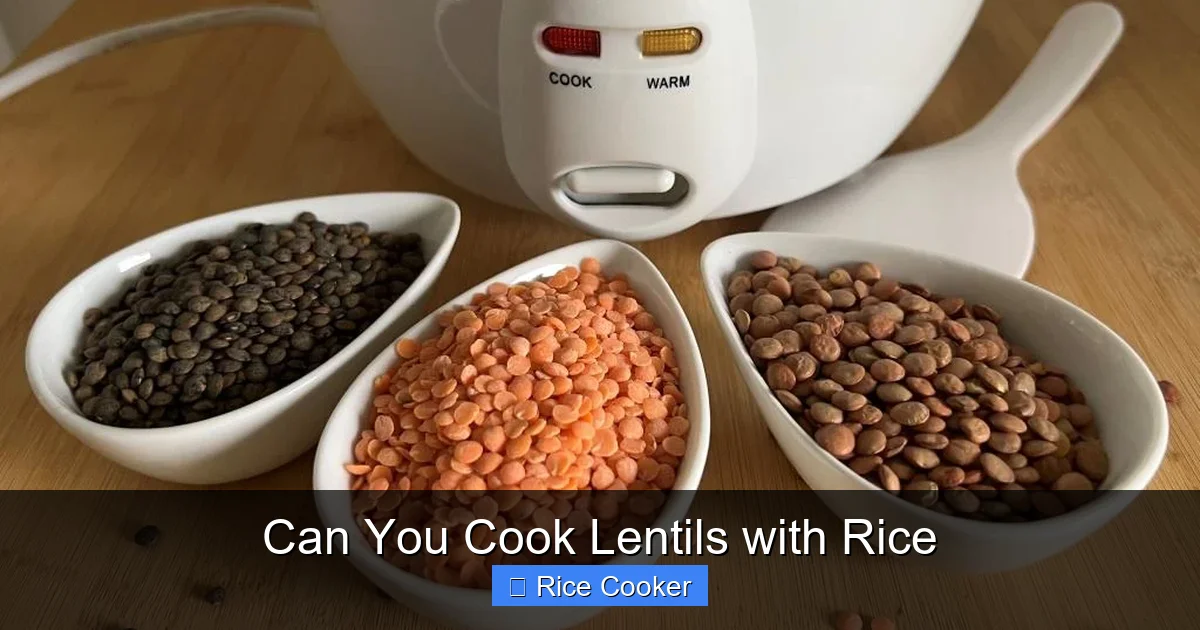
- 1/2 cup dry lentils (green, brown, or red—see tip below)
- 2 cups water or vegetable broth
- Optional: 1 tbsp olive oil or butter
- Optional seasonings: garlic powder, onion powder, turmeric, cumin, salt, pepper
Step-by-Step Instructions
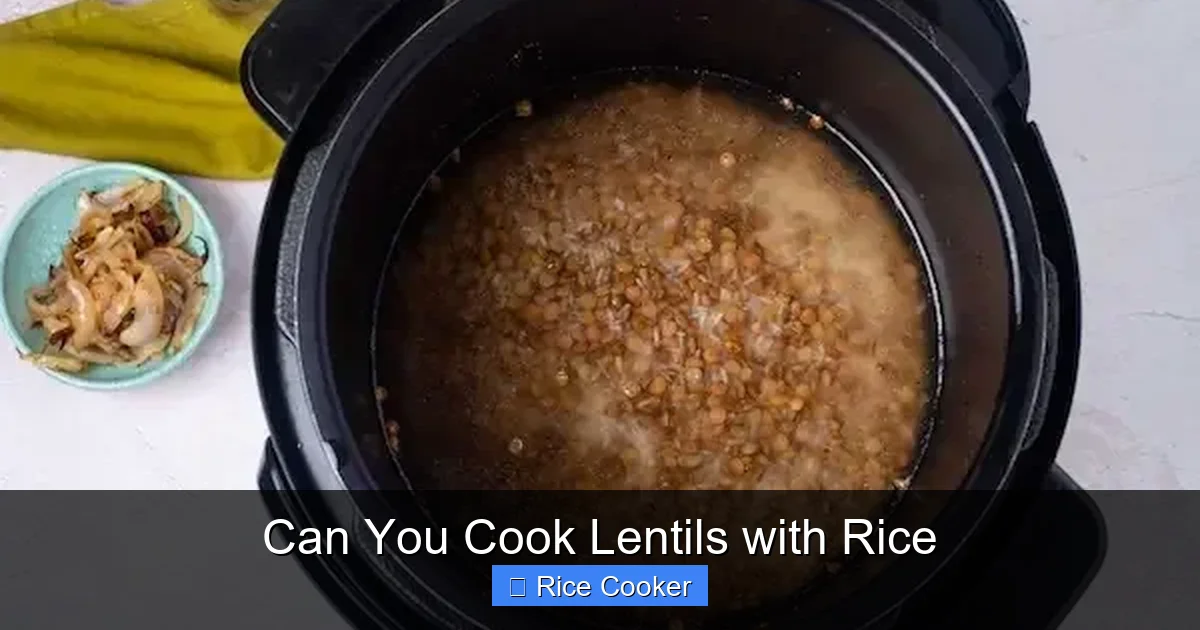
- Measure Ingredients: Rinse the rice and lentils under cold water to remove excess starch. Add them to the rice cooker bowl along with water or broth. If using seasonings, add them now.
- Add Liquid: Use a 2:1 ratio of liquid to rice (and a bit more for lentils). For example, 2 cups water for 1 cup rice and 1/2 cup lentils works well.
- Start Cooking: Close the lid and select the “Cook” or “White Rice” setting. Some advanced models have a “Mixed Rice” or “Soup” mode—use that if available.
- Let It Rest: Once done, let the cooker sit for 5–10 minutes with the lid closed. This allows steam to distribute evenly and the lentils to finish cooking.
- Fluff and Serve: Use a fork to gently fluff the mixture. Taste and adjust seasoning if needed.
Pro Tips for Success
- Don’t Overfill: Leave room for expansion. Most rice cookers work best when filled no more than halfway.
- Pre-Soak Optional: While not required for lentils, soaking rice for 20–30 minutes can improve texture and reduce cooking time.
- Check Doneness: After cooking, taste a lentil and rice sample. Lentils should be tender but not mushy.
- Adjust for Texture: Red lentils break down more than green or brown—ideal for soups. Green or brown hold their shape, perfect for pilafs.
Variations and Flavor Enhancements
The beauty of cooking lentils with rice is how easily it adapts to your taste and dietary needs. Here are some creative ways to elevate your dish.
Spice It Up
Instead of plain water, use vegetable broth or chicken broth for deeper flavor. Add spices like:
– Turmeric and black pepper for golden rice and anti-inflammatory benefits
– Cumin and coriander for a warm, earthy taste (great with brown rice and green lentils)
– Garlic and onion powder for savory depth
– Smoked paprika for a hint of smokiness
Add Veggies
Make it a full meal by tossing in chopped vegetables before cooking:
– Diced carrots and celery for a classic mirepoix flavor
– Peas for sweetness
– Spinach or kale added during the last 5 minutes of cooking (they’ll wilt and blend in)
– Bell peppers or zucchini for extra crunch and color
Try Different Rice Types
Not all rice is created equal. Experiment with:
– Basmati or jasmine rice for fragrant, fluffy results
– Black rice for antioxidants and a striking purple hue
– Wild rice for a nutty flavor and chewy texture
– White rice for a softer, quicker option
Protein Boosts
For extra protein, stir in:
– Cooked chickpeas
– Crumbled tofu or tempeh
– Grilled chicken or shredded beef (for non-vegetarian versions)
Dress It Up
Serve with:
– A squeeze of lemon juice for brightness
– Fresh cilantro or parsley
– A dollop of yogurt or tahini sauce
– Toasted nuts or seeds (like almonds or sunflower seeds) for crunch
Common Mistakes and How to Avoid Them
Even with a foolproof method, things can go wrong. Here’s how to troubleshoot common issues.
Mushy Lentils
If your lentils turn to mush, you likely used red lentils in a rice cooker that runs too hot or added too much liquid. Try using green or brown lentils next time, and check your cooker’s settings. Some models have a “low heat” option for delicate grains.
Undercooked Rice
This usually happens when the rice-to-lentil ratio is off. Stick to a 2:1 liquid-to-grain ratio. Also, avoid opening the lid frequently—each time you do, heat escapes and slows cooking.
Watery Dish
If your mixture is too wet, drain excess liquid after cooking. You can also spread it out on a baking sheet and broil for a few minutes to evaporate moisture.
Off Flavors or Odors
Always rinse rice and lentils before cooking. Leftover food or old spices can affect taste. Use fresh, high-quality seasonings for best results.
Meal Prep and Storage
Cooking lentils and rice in bulk is a game-changer. Here’s how to make it last.
Cooking in Batches
Double or triple the recipe and store portions in airtight containers. Most rice cookers have large enough bowls for this. Make sure to cool completely before refrigerating.
Refrigeration
Store in the fridge for up to 5 days. Reheat with a splash of water or broth to restore moisture.
Freezing
Portion into freezer-safe bags or containers. Frozen, it stays good for up to 3 months. Thaw overnight in the fridge before reheating.
Reheating Tips
Microwave on high with a damp paper towel to prevent drying. Or sauté with a little oil and garlic for a warm, savory side.
Health Benefits of Lentils and Rice
This humble dish packs a serious nutritional punch. Let’s look at the science behind why it’s so good for you.
Complete Protein Source
As mentioned earlier, rice and lentils together provide all essential amino acids. This makes them a valuable protein source for vegetarians and vegans who might otherwise struggle to get complete proteins.
Heart Health
Lentils are rich in folate, magnesium, and potassium—nutrients linked to lower blood pressure and reduced risk of heart disease. Fiber binds to cholesterol and helps remove it from the body.
Blood Sugar Control
The combination of complex carbs and protein slows glucose absorption, preventing spikes in blood sugar. This makes it ideal for people managing diabetes or insulin resistance.
Digestive Support
High fiber content promotes regular bowel movements and feeds beneficial gut bacteria. A healthy gut microbiome is tied to immunity, mood, and overall well-being.
Weight Management
Because it’s filling and nutrient-dense, this meal helps control appetite and reduces overeating. Studies show that people who eat more legumes tend to weigh less and have healthier BMIs.
Global Inspiration: World Dishes That Use This Duo
You’re not the first person to think of cooking lentils with rice. Many cultures have perfected this combo.
Indian Khichdi
A comforting one-pot meal made with rice, split yellow moong dal (lentils), turmeric, ghee, and spices. Often eaten for breakfast or as a light dinner, it’s soothing and easy to digest.
Middle Eastern Tabbouleh-Rice Mix
While traditional tabbouleh uses bulgur wheat, modern variations mix it with rice and lentils. Add parsley, tomatoes, cucumber, and lemon juice for a refreshing twist.
Balkan Grah
In countries like Serbia and Bosnia, grah is a stew of rice, lentils, and meat (often sausage). It’s hearty, flavorful, and perfect for winter meals.
South African Chakalaka
This spicy vegetable relish often includes kidney beans or lentils mixed with rice. Served with roti or bread, it’s a flavorful street food favorite.
Latin American Arroz con Lentejas
In parts of Mexico and Central America, rice and lentils are simmered together with onions, garlic, and cumin. Topped with avocado or lime, it’s a vibrant, satisfying plate.
Tips for Different Rice Cooker Models
Not all rice cookers are the same. Here’s how to adapt your method based on your appliance.
Basic Rice Cookers
These typically have one “cook” setting. Stick to brown rice and lentils, as they need more time and moisture. Use the “softer” or “longer” cooking cycle if available.
Multi-Function Cookers (Like Instant Pot Rice Cooker Mode)
These offer more control. Use the “white rice” or “mixed grain” setting. You can also use the “steam” function to cook vegetables on top while the base cooks.
Smart Rice Cookers
Some models detect grain type and adjust time and temperature automatically. Just follow the app instructions for best results.
Non-Stick vs. Stainless Steel Bowls
Non-stick is easier to clean, but stainless steel distributes heat more evenly. Choose based on preference—both work well.
Final Thoughts: Why This Meal Works
Cooking lentils with rice isn’t just convenient—it’s smart. It’s affordable, sustainable, and packed with nutrients. Whether you’re looking to eat healthier, save money, or simplify meal prep, this dish ticks all the boxes.
With a rice cooker, the process is nearly hands-free. No stirring, no babysitting. Just set it and forget it. And because the flavors meld beautifully—the earthiness of lentils with the mild sweetness of rice—you get a dish that’s both familiar and satisfying.
Try it once, and you might find yourself making it every week. Start with a simple version: rice, lentils, water, salt. Then experiment with spices, veggies, and textures. Before long, you’ll have a whole library of variations.
So yes—can you cook lentils with rice? Absolutely. And now you know how to do it perfectly, every time.
Frequently Asked Questions
Can I cook red lentils with rice in a rice cooker?
Yes, but red lentils break down more than green or brown lentils. They’re great for soups, but if you prefer a firmer texture, choose green or brown lentils instead.
Do I need to soak lentils before cooking them with rice?
No, lentils don’t require soaking. Just rinse them and add directly to the rice cooker with water or broth.
How long does it take to cook lentils and rice together?
About 35–45 minutes for brown rice and lentils, or 25–30 minutes for white rice and red lentils. Exact time depends on your rice cooker model.
Can I add vegetables to the rice cooker with lentils and rice?
Yes, but add hardy veggies like carrots or potatoes early, and leafy greens like spinach near the end so they don’t overcook.
Is lentil and rice a complete protein?
Yes! When combined, rice and lentils provide all nine essential amino acids, making them a complete plant-based protein.
Can I freeze leftover lentil and rice?
Absolutely. Portion into containers or freezer bags and freeze for up to 3 months. Thaw in the fridge before reheating.