
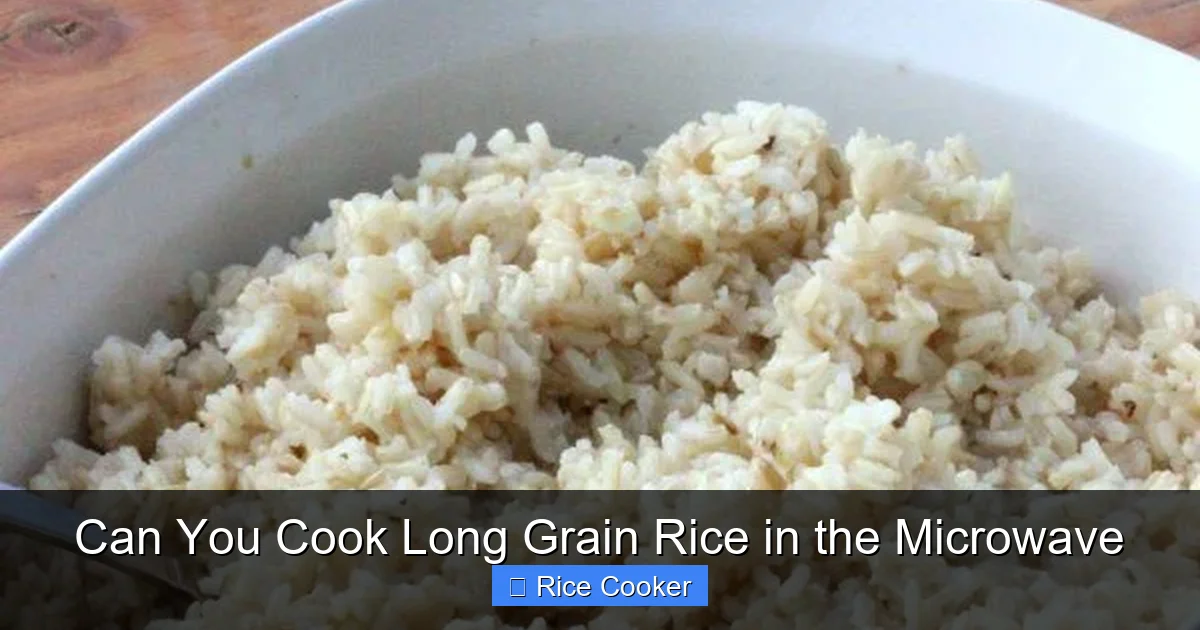
Can you cook long grain rice in the microwave? Absolutely! With the right water-to-rice ratio, a microwave-safe dish, and a little patience, you can achieve fluffy, restaurant-quality rice in under 10 minutes. This method is perfect for busy weeknights when you need a fast, no-fuss side dish or base for stir-fries, salads, and more.
Key Takeaways
- Yes, it’s possible: Long grain rice can be perfectly cooked in a microwave using the right technique and timing.
- Use the correct ratio: A standard 1:2 ratio (1 cup rice to 2 cups water) works best for most long grain varieties.
- Covering is key: Always cover your dish with a lid or vented plastic wrap to trap steam and ensure even cooking.
- Let it rest: After microwaving, let the rice stand for 5 minutes to allow steam to distribute evenly.
- Fluff with a fork: Gently fluff the rice with a fork before serving to break up any clumps and restore fluffiness.
- Adjust for altitude: At higher elevations, increase water slightly and extend cooking time by 1–2 minutes.
- Experiment with flavors: Add a pinch of salt, a bay leaf, or a splash of broth instead of water for extra flavor.
[FEATURED_IMAGE_PLACEHOLDER]
Introduction: The Microwave Rice Revolution
We’ve all been there—standing over a hot stovetop, watching a pot of rice boil over, stirring constantly, and wondering if you’ll ever get that perfect, fluffy texture again. But what if you told you there’s a faster, easier way? Yes, you can cook long grain rice in the microwave, and no, it doesn’t require a fancy rice cooker or complicated steps. In fact, with just a few simple adjustments, your microwave can become your new go-to kitchen tool for quick, consistent, and delicious rice every single time.
Microwaves aren’t just for reheating leftovers or zapping popcorn. When it comes to cooking rice, especially long grain varieties like white or basmati, the microwave can deliver impressive results—especially when you know how. Unlike short grain or sticky rice, which are often better suited for steaming or specialized cookers, long grain rice thrives in the moist, high-heat environment created by microwave steam. And because it cooks faster than on the stove, it’s ideal for last-minute meal prep, dorm room cooking, or anyone who values speed without sacrificing quality.
In this complete guide, we’ll walk you through everything you need to know about cooking long grain rice in the microwave. From choosing the right dish and measuring ingredients accurately to mastering timing and texture, you’ll learn expert techniques that make microwave rice not just acceptable—but outstanding. Whether you’re cooking for one, doubling a recipe, or prepping for a crowd, this method will save you time, reduce cleanup, and give you control over every step of the process.
Why Choose the Microwave for Long Grain Rice?
Cooking rice on the stovetop is traditional, but it’s far from efficient. It requires constant attention, risk of burning, and a lot of water evaporation. The microwave, on the other hand, offers several undeniable advantages—especially when it comes to long grain rice. Let’s break down why this method has become a favorite among home cooks and professionals alike.
Speed and Convenience
One of the biggest perks of microwaving rice is speed. While stovetop rice might take 18–20 minutes to fully cook, microwave rice typically finishes in just 8–10 minutes. That’s almost half the time—perfect when you’re juggling multiple dishes or have hungry guests arriving soon. Plus, once the rice is done, there’s no need to stand over the stove, stirring and monitoring. Just set it and forget it (well, almost).
Consistent Results
The microwave provides even heat distribution, which helps prevent scorching and ensures every grain gets cooked thoroughly. No more uneven batches where some grains are dry and hard while others are mushy. With consistent power levels and proper covering, you get uniform cooking every time.
Less Mess, Less Cleanup
Stovetop rice often leads to splatters, overflow, and sticky residue on the burner. The microwave keeps everything contained in a single dish, minimizing spills and making cleanup a breeze. Simply pop the bowl into the sink, rinse, and wipe—no scrubbing burnt-on rice from the pan required.
Energy Efficiency
Microwaves use significantly less energy than gas or electric burners. For someone cooking rice daily, that adds up to lower utility bills and a smaller environmental footprint. It’s a small change that makes a meaningful difference over time.
Perfect for Small Portions
If you only need a cup or two of rice—say, for a salad or a light dinner—the microwave shines. You don’t need to make a full pot on the stove; just measure the exact amount of water and rice, and you’re done. This is especially helpful in small kitchens, apartments, or dorm rooms where space and equipment are limited.
What Makes Long Grain Rice Ideal for Microwave Cooking?
Not all rice types are created equal when it comes to microwave cooking. Short grain rice, like sushi or glutinous rice, tends to clump and become overly sticky under microwave conditions due to its high starch content. But long grain rice—whether white, brown, basmati, or jasmine—is naturally drier and less sticky, making it a perfect candidate for microwave methods.
Low Starch, High Fluff
Long grain rice contains less amylopectin (the starch that causes stickiness), so it holds its shape better during cooking. This means your rice won’t turn into a dense, glue-like mass when microwaved. Instead, it remains separate, tender, and light—just like it would on the stove.
Even Water Absorption
Because long grain rice has a firmer outer layer, it absorbs water more slowly and evenly. This slow absorption prevents the center from turning mushy while keeping the exterior soft. The microwave’s rapid heating enhances this process, ensuring every grain gets the moisture it needs without overcooking.
Variety Compatibility
You can use almost any long grain rice variety in the microwave. White long grain rice is the most common, but you’ll also find great results with aromatic types like basmati or jasmine. Just remember that some specialty rices may require slight adjustments in water or time, which we’ll cover later.
No Special Equipment Needed
Unlike some rice cookers that use sensors or fuzzy logic, microwave cooking relies on simple science: water, heat, and steam. You don’t need a rice paddle, a colander, or a thermometer. Just a microwave-safe dish, a lid, and a fork for fluffing.
Step-by-Step Guide: How to Cook Long Grain Rice in the Microwave
Ready to try it yourself? Follow this foolproof method to cook perfect long grain rice in the microwave every time. We’ll walk you through each step, including tips for different quantities and common pitfalls to avoid.
What You’ll Need
- 1 cup long grain rice (white, brown, basmati, or jasmine)
- 2 cups water (or broth for added flavor)
- Microwave-safe bowl (glass or ceramic, at least 3–4 quarts in size)
- Tight-fitting lid or vented plastic wrap
- Fork or rice paddle
- Measuring cup
- Optional: Salt, butter, oil, or seasonings
Step 1: Rinse the Rice (Optional but Recommended)
While not always necessary, rinsing removes excess starch and dust, leading to fluffier rice. Place the rice in a fine-mesh strainer and rinse under cold running water until the water runs clear. Pat dry with a paper towel or let air-dry for a minute.
Step 2: Combine Rice and Water
Measure 1 cup of rinsed rice into your microwave-safe bowl. Add 2 cups of water (or broth). If desired, add a pinch of salt, a teaspoon of oil, or a pat of butter for flavor and shine.
Step 3: Cover the Bowl
Securely cover the bowl with a lid or tightly wrap the top with vented plastic wrap. Leave a small vent (about 1 inch) to allow steam to escape slightly. This prevents pressure buildup and ensures even cooking.
Step 4: Microwave on High
Place the covered bowl in the microwave and cook on high power for 10 minutes. Do not open the microwave during this time—this stops the cooking process and can lead to uneven results.
Step 5: Let It Rest
After the timer goes off, remove the bowl carefully (it will be hot!) and let it sit, covered, for 5 minutes. This resting period allows the steam to finish cooking the rice evenly and makes fluffing much easier.
Step 6: Fluff and Serve
Uncover the bowl and gently fluff the rice with a fork, pulling from the bottom upward to avoid breaking the grains. Taste and adjust seasoning if needed. Serve immediately.
Pro Tips for Success
- Use a larger bowl: Rice expands as it cooks, so choose a bowl that’s at least 1.5 times the volume of your rice.
- Don’t peek too early: Resist the urge to open the microwave before the first cycle ends—it disrupts the cooking process.
- Adjust for altitude: At higher elevations (above 3,000 feet), increase water by 1–2 tablespoons and extend cooking time by 1 minute.
- For brown rice: Use a 1:2.5 ratio (1 cup rice to 2.5 cups water) and cook for 12–14 minutes.
- Store leftovers properly: Cool rice completely, store in an airtight container, and reheat with a splash of water to restore moisture.
Common Mistakes and How to Fix Them
Even with the best intentions, things can go wrong when cooking rice in the microwave. But don’t worry—most issues are easy to fix with a few simple tweaks. Here are the most common mistakes and how to avoid them.
Mistake 1: Using Too Little Water
Result: Dry, hard rice that’s difficult to chew.
Fix: Always start with the 1:2 ratio. If your rice is consistently dry, increase water by 1–2 tablespoons next time.
Mistake 2: Not Covering the Bowl
Result: Uneven cooking, excessive evaporation, and potential overflow.
Fix: Use a tight lid or vented plastic wrap. Steam is essential for softening the grains.
Mistake 3: Opening the Microwave Early
Result: Rice stops cooking abruptly, leaving raw or undercooked spots.
Fix: Let the microwave run for the full recommended time. Only open after it’s done.
Mistake 4: Skipping the Resting Period
Result: Rice feels gummy or clumpy because steam isn’t evenly distributed.
Fix: Always let the rice rest for 5 minutes after cooking.
Mistake 5: Using the Wrong Type of Rice
Result: Sticky, clumped rice that falls apart when fluffed.
Fix: Stick to long grain rice. Avoid short grain or glutinous varieties unless specifically adapted for microwave use.
Mistake 6: Overfilling the Bowl
Result: Steam can’t circulate properly, leading to uneven texture.
Fix: Never fill the bowl more than halfway with rice and water combined.
Flavor Variations and Creative Uses
Once you master the basics, the possibilities are endless. The beauty of microwave rice is that it’s incredibly adaptable. You can infuse it with flavor, mix in extras, or repurpose it for countless meals.
Add Herbs and Spices
Before adding water, toast whole spices like cumin seeds or mustard seeds in a dry pan for 30 seconds, then add them to the rice. Alternatively, toss in a bay leaf, a strip of orange peel, or a few sprigs of fresh thyme or parsley.
Try Broth Instead of Water
Replace water with vegetable, chicken, or beef broth for deeper flavor. This is especially good for fried rice, pilafs, or grain bowls.
Mix in Vegetables or Protein
Add diced carrots, peas, or bell peppers to the rice during the last 2 minutes of cooking. For extra protein, stir in cooked shrimp, tofu, or scrambled eggs after fluffing.
Make Saffron or Turmeric Rice
Dissolve a pinch of saffron threads or turmeric in warm water before adding it to the rice. This creates beautiful, aromatic dishes perfect for holidays or special occasions.
Infuse with Coconut Milk
For a creamy, tropical twist, replace half the water with light coconut milk. Add a cinnamon stick and a splash of vanilla for a dessert-style rice.
Use for Fried Rice or Grain Bowls
Let the rice cool completely, then stir-fry it with soy sauce, garlic, and vegetables for quick fried rice. Or use it as a base for Buddha bowls, tacos, or grain salads.
How to Store and Reheat Microwave Rice
Leftover rice is a lifesaver—but only if it’s stored and reheated properly. Follow these tips to keep your rice fresh, safe, and delicious.
Cooling and Storage
Allow the cooked rice to cool to room temperature within 1 hour of cooking. Then transfer it to an airtight container and refrigerate for up to 4 days. For longer storage, freeze in portion-sized containers for up to 6 months.
Reheating in the Microwave
To reheat, place the rice in a microwave-safe dish, sprinkle with 1–2 tablespoons of water, cover, and heat on medium power in 30-second intervals, stirring between each, until warmed through. Avoid high power—it can make the rice tough.
Reviving Cold or Stale Rice
If your rice has dried out, revive it by steaming it in the microwave with a damp paper towel over the bowl for 1–2 minutes. This reintroduces moisture without overcooking.
Safety Note
Never leave cooked rice at room temperature for more than 2 hours (1 hour if above 90°F/32°C). Bacteria like *Bacillus cereus* can grow rapidly in warm, moist environments.
Special Considerations: Brown Rice, Basmati, and Other Varieties
While white long grain rice is the easiest to start with, you can absolutely cook other types in the microwave—each just needs a few tweaks.
Cooking Brown Rice
Brown rice takes longer to absorb water and cook through due to its fiber-rich bran layer. Use a 1:2.5 ratio (1 cup rice to 2.5 cups water) and cook for 12–14 minutes. Let it rest for 10 minutes instead of 5 for best results.
Cooking Basmati Rice
Basmati is a long grain rice known for its fragrant aroma and slightly sticky texture when cooked. Use a 1:1.75 ratio (1 cup rice to 1.75 cups water) and cook for 9–10 minutes. Rinse thoroughly before cooking to remove excess starch.
Cooking Jasmine Rice
Jasmine rice is similar to basmati but slightly stickier. Use 1.75 cups water per 1 cup rice and cook for 10 minutes. Add a splash of fish sauce or lime juice during cooking for an authentic Thai flavor.
Cooking Wild Rice
Wild rice is technically not a true rice but a grass seed. It requires a 1:3 ratio and 20–25 minutes of cooking time. Because it’s so long and chewy, it’s best used in salads or pilafs.
Equipment You’ll Need: Beyond the Microwave
You don’t need a lot of gadgets, but having the right tools makes the process smoother and more effective.
Best Types of Bowls
Choose a glass or ceramic bowl with straight sides and a wide opening. Avoid metal—it can cause sparks. A 3.5-quart bowl is ideal for 1–2 cups of rice.
Lids and Covers
A microwave-safe lid is best, but if you don’t have one, use vented plastic wrap. Secure it tightly, leaving a small gap for steam release.
Fluffing Tools
A regular fork works perfectly. Avoid wooden spoons—they can get too hot and may warp.
Measuring Accuracy
Use a dry measuring cup for rice (not liquid cups) and a liquid measuring cup for water. This ensures precision.
Optional Upgrades
A rice paddle or spatula helps with fluffing. A kitchen scale can improve accuracy for large batches or dietary tracking.
Frequently Asked Questions
Can I cook long grain rice directly in the microwave without a pot?
Yes, you can cook long grain rice directly in the microwave using a microwave-safe bowl. Just ensure it’s large enough and covered properly to trap steam.
Do I need to soak the rice before microwaving?
Soaking is optional and mainly used to reduce cooking time. For most long grain rices, rinsing and cooking directly is sufficient and yields great results.
Can I use a rice cooker in the microwave?
Most rice cookers are designed for stovetop or electric use and won’t function properly in a microwave. Stick to a plain microwave-safe bowl for best results.
Is microwave rice healthy?
Yes, microwave-cooked long grain rice retains the same nutritional value as stovetop rice. It’s low in fat and can be part of a balanced diet when paired with vegetables and protein.
How do I prevent the rice from becoming mushy?
Use the correct water ratio, don’t over-stir, and avoid opening the microwave during cooking. Also, fluff gently with a fork rather than mashing the rice.
Can I cook more than 1 cup of rice in the microwave?
Yes, but increase the water proportionally and extend the cooking time. For example, 2 cups of rice would need about 4 cups of water and 15–18 minutes of cooking.
Conclusion: Master the Microwave, Master Your Meals
Cooking long grain rice in the microwave isn’t just a shortcut—it’s a game-changer. With this simple, reliable method, you gain speed, consistency, and convenience without sacrificing flavor or texture. Whether you’re making a quick side dish, prepping for meal prep, or experimenting with global cuisines, the microwave proves to be a surprisingly capable kitchen ally.
The key lies in understanding the science behind steam, timing, and moisture control. By following the steps outlined here—rinse your rice, use the right water ratio, cover properly, and let it rest—you eliminate guesswork and set yourself up for success every time. And once you see how easy it is, you might never go back to standing over a boiling pot again.
So go ahead—grab your bowl, measure your rice, and fire up the microwave. In under 15 minutes, you’ll have fluffy, golden, perfectly cooked long grain rice ready to elevate any meal. Your future self (and your taste buds) will thank you.
This is a comprehensive guide about can you cook long grain rice in the microwave.
Key Takeaways
- Understanding can you cook long grain rice in the microwave: Provides essential knowledge
Frequently Asked Questions
What is can you cook long grain rice in the microwave?
can you cook long grain rice in the microwave is an important topic with many practical applications.