
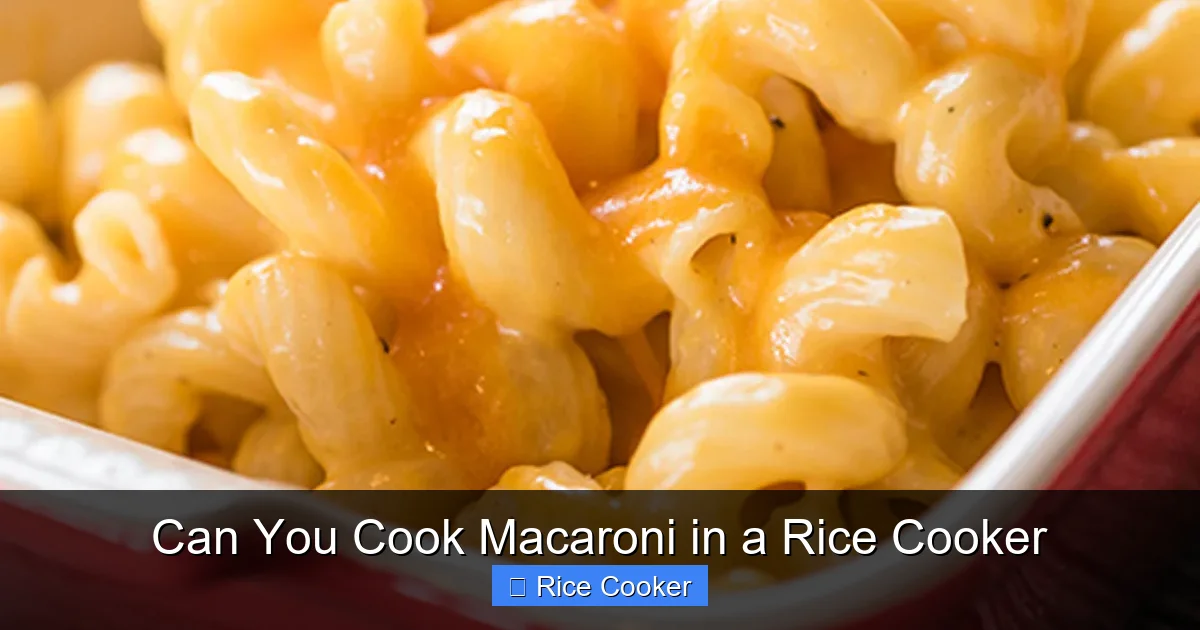
Can you cook macaroni in a rice cooker? Absolutely! This convenient kitchen hack uses your rice cooker to cook pasta with minimal supervision, perfect for busy weeknights or when you’re out of a stovetop. With the right water-to-pasta ratio and timing, you’ll get tender, evenly cooked macaroni without any hassle.
Key Takeaways
- Rice cookers can cook pasta using the same basic principle as cooking rice—boiling water and absorbing moisture.
- Use the right water-to-pasta ratio, typically 3:1 (water to dry pasta), to avoid mushy results.
- Don’t add oil to the water; it prevents sauce from sticking later.
- Timing matters—cook for about 8–10 minutes, then drain if needed.
- Perfect for one-pot meals like mac and cheese or baked ziti.
- Clean-up is easier since you’re using only one pot.
- Not all rice cookers are equal—check your model’s capacity and settings.
Quick Answers to Common Questions
Can I cook any type of pasta in a rice cooker?
Most short, sturdy pasta shapes work well—elbows, shells, penne, and ditalini are ideal. Avoid long noodles like spaghetti or angel hair, as they tend to clump and may not cook evenly.
Do I need to rinse the pasta after cooking?
No, rinsing removes starch that helps sauces cling. Only drain excess water after cooking to keep pasta from getting soggy.
How long does it take to cook macaroni in a rice cooker?
Typically 8–12 minutes, depending on quantity and pasta type. Elbow macaroni usually takes about 10 minutes.
Can I add sauce while cooking?
It’s best to cook pasta first, then combine with sauce afterward. Adding sauce too early can dilute flavors or create separation.
Will my rice cooker break if I cook pasta?
No, as long as you follow water ratios and don’t exceed capacity. Most rice cookers are designed to handle wet ingredients safely.
📑 Table of Contents
- Introduction: The Rice Cooker Revolution in Pasta Cooking
- How Does Cooking Macaroni in a Rice Cooker Work?
- Step-by-Step Guide: How to Cook Macaroni in a Rice Cooker
- Common Mistakes and How to Fix Them
- Creative Recipes Using Rice Cooker Macaroni
- Tips for Different Types of Rice Cookers
- Health and Nutrition Considerations
- Troubleshooting: What If It Doesn’t Work?
- Environmental and Cost Benefits
- Final Thoughts: Is It Worth Trying?
Introduction: The Rice Cooker Revolution in Pasta Cooking
Have you ever been craving a warm bowl of macaroni but realized your stovetop is occupied, or maybe you just don’t want to stand over a pot for 15 minutes? Enter the humble rice cooker—your new best friend in the kitchen. While most people think of rice cookers as tools for making fluffy rice, steamed veggies, or even yogurt, they’re surprisingly versatile. One of the most practical hacks? Cooking macaroni in a rice cooker.
Yes, you read that right. You can make perfectly cooked pasta using nothing more than your rice cooker, a measuring cup, and a little bit of know-how. This method is especially useful for dorm rooms, small apartments, or anyone looking to simplify their meal prep. Plus, it frees up your stove for other tasks—like sautéing garlic or simmering soup. In this comprehensive guide, we’ll walk you through everything you need to know: how to do it, why it works, what to watch out for, and even some delicious recipe ideas to try.
How Does Cooking Macaroni in a Rice Cooker Work?
The Science Behind It
At its core, cooking macaroni in a rice cooker relies on the same principle as boiling pasta: submerging dry pasta in hot water and allowing it to absorb moisture until it becomes soft and edible. The rice cooker’s heating element simulates a rolling boil, which helps the pasta cook evenly. Once the water evaporates and the internal temperature rises enough to trigger the “keep warm” mode, the pasta is done.
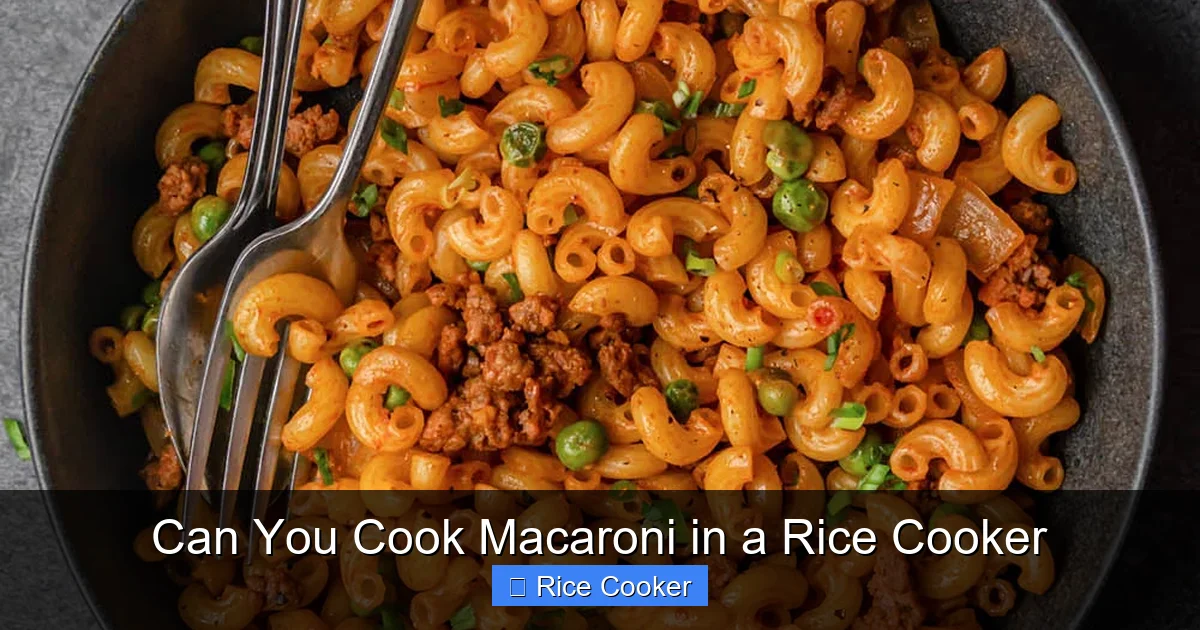
Visual guide about Can You Cook Macaroni in a Rice Cooker
Image source: balancewithjess.com
This process is similar to the way rice absorbs liquid, but instead of absorbing all the water like rice does, pasta needs a bit more moisture during cooking. That’s why you’ll often need to drain excess water afterward—unlike rice, pasta isn’t meant to be served wet.
Why People Love This Method
- No stirring required: Unlike traditional pasta, you don’t have to stir constantly or worry about sticking.
- Consistent results: The rice cooker maintains steady heat, reducing the risk of undercooked or burnt spots.
- Hands-off convenience: Set it and forget it—perfect for multitasking or relaxing while dinner cooks.
- Saves energy: Uses less gas/electricity than boiling a full pot on the stove.
Step-by-Step Guide: How to Cook Macaroni in a Rice Cooker
Gather Your Supplies
You won’t need much. Here’s what to have ready:
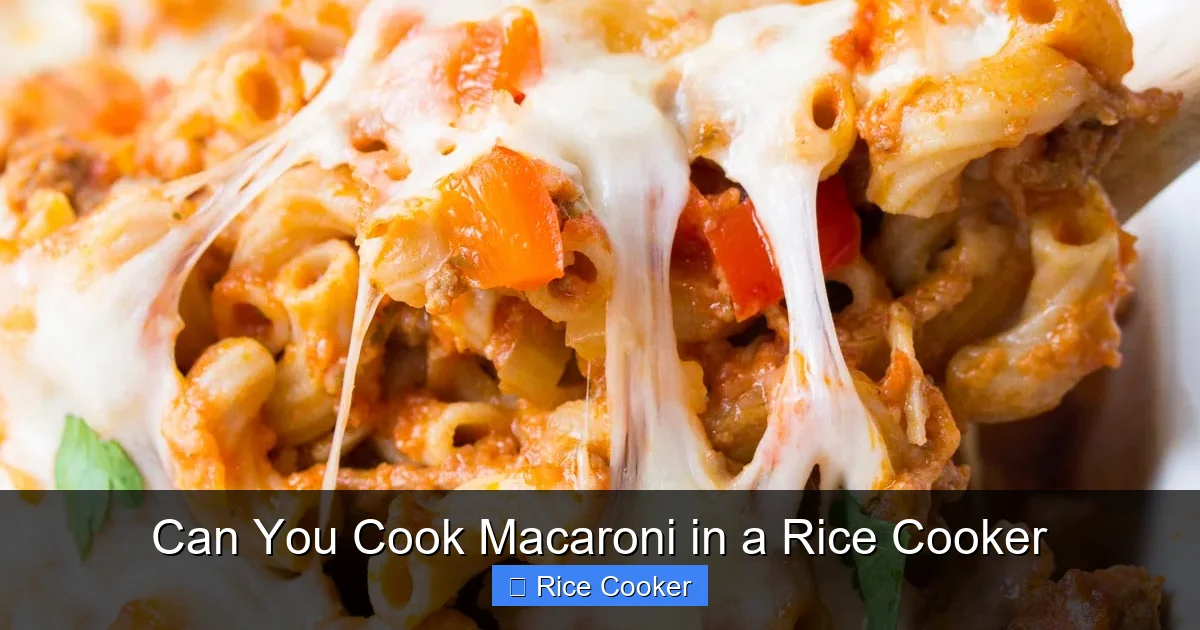
Visual guide about Can You Cook Macaroni in a Rice Cooker
Image source: kristineskitchenblog.com
- A standard rice cooker (with a removable inner pot)
- Dry elbow macaroni (or any short pasta shape)
- Measuring cups and spoons
- A knife and cutting board (for optional garnishes)
- Optional: salt, butter, or cheese for flavor
Choose the Right Pasta Shape
Elbow macaroni is the classic choice because it cooks evenly and holds up well in liquid. But you can also use:
- Small shells
- Ditalini (great for soup bases)
- Pennette or rotini
- Babydoll jumbo shells (if you’re adding fillings)
Avoid long, thin pasta like spaghetti or linguine—they tend to clump and may not cook through properly in a rice cooker.
Measure Water and Pasta Accurately
The golden rule? Use a 3:1 water-to-pasta ratio by volume. For example:
- 1 cup dry macaroni → 3 cups water
- ½ cup dry macaroni → 1½ cups water
Why 3:1? Because pasta expands as it cooks, and it needs extra room to soften without becoming gummy. Too little water leads to uneven cooking; too much makes cleanup harder.
Add Salt (Optional but Recommended)
Most people skip salting pasta water when boiling on the stove, but in a rice cooker, a pinch of salt enhances flavor since there’s no evaporation to concentrate taste. Add about 1 teaspoon per 4 cups of water for seasoning.
Start the Cooking Cycle
- Place the inner pot into the rice cooker.
- Add water and pasta.
- Close the lid and press “Cook” or select “White Rice” mode (this mimics high heat).
- Let it run—usually 8–12 minutes depending on quantity and pasta type.
Check for Doneness
After the cycle ends, open the lid and test a piece of pasta. It should be tender but still slightly firm (al dente). If it’s too soft, your pasta absorbed too much water. If still crunchy, run another cycle for 1–2 minutes.
Drain Excess Water (Important!)
Unlike rice, pasta doesn’t need to soak up all the liquid. Once cooked, remove the inner pot and drain off any remaining water using a fine-mesh strainer or colander. This prevents sogginess and prepares the pasta for sauces.
Add Flavor at the End
This is where the magic happens. Toss your cooked macaroni with:
- Butter or olive oil
- Shredded cheese
- Salt and pepper
- Garlic powder or herbs
This step ensures every bite tastes fresh and delicious—no bland, starchy leftovers!
Common Mistakes and How to Fix Them
Mistake #1: Using Too Much Water
If your macaroni turns into mush, you likely used too much water or didn’t drain properly. Always stick to the 3:1 ratio and drain thoroughly after cooking.
Mistake #2: Not Stirring Before Draining
After the cycle ends, give the pasta a gentle stir before draining. This redistributes any clumps and makes removal smoother.
Mistake #3: Adding Oil to the Water
Some recipes suggest adding oil to prevent sticking, but it actually interferes with sauce adhesion. Skip it unless you’re planning to rinse the pasta afterward.
Mistake #4: Overcooking
Even though rice cookers have timers, it’s easy to assume “longer = better.” But overcooking leads to gluey texture. Check frequently after 8 minutes.
Mistake #5: Ignoring Drainage Needs
Leaving water in the pot keeps pasta soft and soupy. Always drain before adding cheese or sauce to maintain ideal consistency.
Creative Recipes Using Rice Cooker Macaroni
Classic Mac and Cheese
After draining cooked macaroni, return it to the pot and add:
- 2 tablespoons butter
- 2 cups shredded cheddar cheese
- ½ cup milk or cream
- Salt and pepper to taste
Stir until creamy and serve hot. For extra richness, bake at 375°F (190°C) for 10 minutes with breadcrumbs on top.
Italian Sausage Baked Ziti
Cook ziti noodles first, then layer with marinara, crumbled sausage, mozzarella, and Parmesan. Bake covered for 20 minutes until bubbly.
One-Pot Creamy Tomato Basil Pasta
Combine cooked macaroni with canned crushed tomatoes, fresh basil, heavy cream, and grated Parmesan. Simmer gently for 3–5 minutes to meld flavors.
Vegan Mac ‘n’ Cheeze
Use cashew cream (blended soaked cashews + plant milk) mixed with nutritional yeast, turmeric, and garlic powder for a dairy-free alternative.
Breakfast Mac & Eggs
Mix cooked macaroni with beaten eggs, diced ham, spinach, and shredded cheese. Cook covered for 5 more minutes until eggs set. A hearty morning meal!
Tips for Different Types of Rice Cookers
Basic Rice Cookers vs. Induction Heating Models
Induction models offer precise temperature control and faster heating—ideal for quicker pasta cycles. Basic models work fine but may take slightly longer.
Non-Stick vs. Stainless Steel Pots
Both function well, but non-stick pots make cleanup easier. Just avoid metal utensils when stirring.
Capacity Matters
Most rice cookers hold 6–10 cups of uncooked rice equivalent. Remember: 1 cup dry pasta ≈ 3 cups cooked. So if your cooker has a 6-cup capacity, you can safely cook up to 2 cups of dry macaroni.
Multi-Function Models
Some modern rice cookers come with “Pasta” or “Porridge” settings—take advantage of these! They’re programmed for optimal timing and doneness.
Health and Nutrition Considerations
Is Rice Cooker Pasta Healthier Than Boiled?
Nutritionally, there’s little difference. Both methods result in similar calorie counts and carbohydrate levels. However, rice cooker pasta may retain slightly more nutrients due to shorter active cooking time.
Whole Grain Options
Try using whole wheat or legume-based pasta (like lentil or chickpea) for added fiber and protein. Just note they may require slightly longer cooking times.
Portion Control Tips
Since it’s easy to overfill the cooker, measure carefully. Aim for no more than 2–3 cups of dry pasta per batch to ensure even cooking.
Troubleshooting: What If It Doesn’t Work?
Problem: Pasta Sticks to the Pot
Solution: Ensure you’re using enough water and don’t overcrowd the pot. Also, avoid opening the lid too often during cooking.
Problem: Uneven Cooking
Solution: Break large pasta shapes into smaller pieces before adding. Stir once halfway through if possible (though not always necessary).
Problem: No Power or Heat
Solution: Check the power cord and outlet. Some older models may not generate enough steam for proper cycling—consider upgrading if this happens frequently.
Problem: Water Doesn’t Evaporate
Solution: Make sure the heating plate is clean and unobstructed. Mineral buildup can reduce efficiency over time.
Environmental and Cost Benefits
Using a rice cooker to make pasta reduces both energy consumption and dishwashing. Instead of boiling a large pot, steaming, and scrubbing residue, you’re doing it in one compact appliance. Plus, many rice cookers are durable and last for years—making them a smart investment for eco-conscious kitchens.
Final Thoughts: Is It Worth Trying?
Absolutely. Cooking macaroni in a rice cooker isn’t just a novelty—it’s a practical, efficient technique backed by science and real-world success stories. Whether you’re cooking solo, feeding a family, or prepping for meal prep, this method saves time, reduces stress, and yields great-tasting pasta every time.
Give it a try tonight. Measure your pasta, fill your cooker with water, hit “cook,” and come back in ten minutes to discover how simple and satisfying homemade pasta can be—without standing over a hot stove.
Frequently Asked Questions
Can you cook macaroni in a rice cooker?
Yes, you can cook macaroni in a rice cooker using a 3:1 water-to-pasta ratio. It cooks quickly, requires minimal effort, and produces al dente results. Just drain excess water after the cycle ends for best texture.
What kind of rice cooker is best for cooking pasta?
Any standard rice cooker with a removable pot works, but induction-heating models provide more consistent temperatures. Ensure your model has enough capacity—at least 6 cups for 2 cups of dry pasta.
Should I add oil to the water when cooking pasta in a rice cooker?
No, adding oil prevents sauces from sticking to the pasta. Skip it unless you plan to rinse the cooked macaroni afterward.
How much water do I need for 1 cup of dry macaroni?
Use 3 cups of water for every 1 cup of dry macaroni. This ratio ensures even cooking without overflowing or undercooking.
Can I cook frozen macaroni in a rice cooker?
It’s not recommended. Frozen pasta releases too much starch and can lead to mushy results. Always use dry, room-temperature pasta.
Is rice cooker macaroni healthier than boiled macaroni?
Nutritionally similar, but rice cooker pasta may retain slightly more nutrients due to shorter active cooking time. Choose whole grain or legume-based varieties for added benefits.