
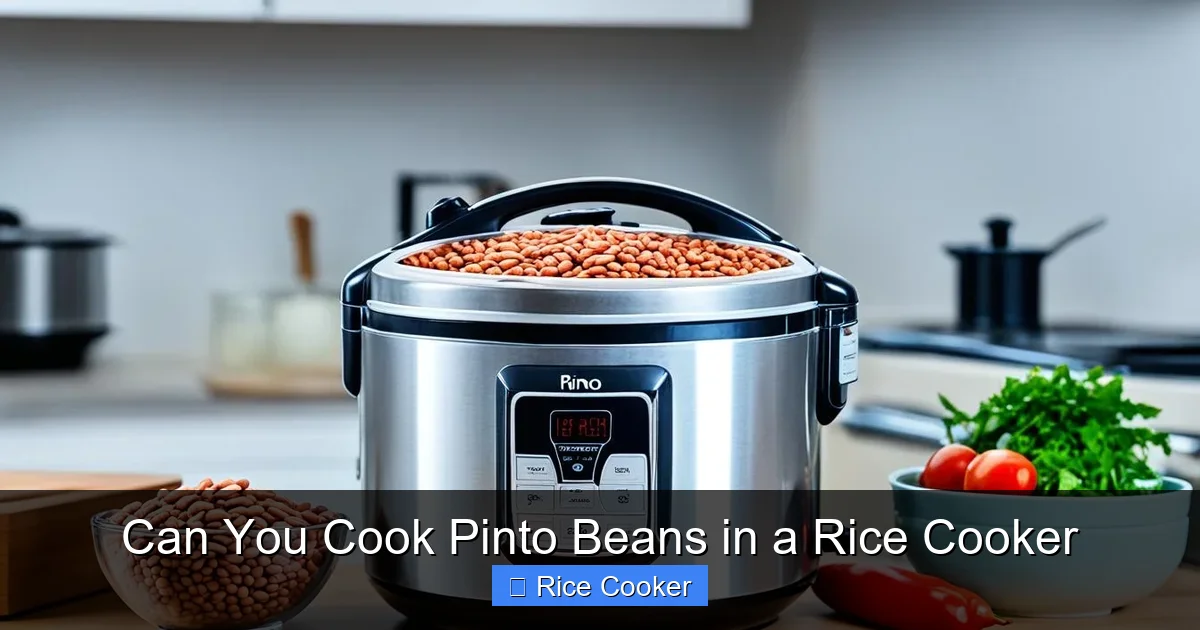
You absolutely can cook pinto beans in a rice cooker—and it’s one of the easiest ways to do it without watching the stove. With just a few ingredients and minimal effort, your rice cooker can produce creamy, flavorful beans perfect for tacos, burritos, or side dishes. This method saves time, reduces cleanup, and works great for meal prep.
Key Takeaways
- Yes, it’s possible: A rice cooker can cook pinto beans perfectly when used correctly.
- Hands-off convenience: No constant stirring or monitoring—just add water and press start.
- Time-saving: Cooks faster than stovetop methods and ideal for busy schedules.
- Energy efficient: Uses less electricity than boiling on the stove.
- Meal prep friendly: Cook large batches and store for quick meals all week.
- Customizable: Add spices, garlic, or bay leaves during cooking for extra flavor.
- Safety first: Always soak dried beans overnight or use the quick-soak method to prevent gas and ensure tenderness.
Quick Answers to Common Questions
Can you cook pinto beans in a rice cooker?
Yes, absolutely! Pinto beans cook beautifully in a rice cooker using just water and optional seasonings. The gentle, consistent heat produces tender, evenly cooked beans without constant monitoring.
How long does it take to cook pinto beans in a rice cooker?
Most rice cookers take about 60–75 minutes to cook soaked pinto beans. Unsoaked beans may require up to 90 minutes. The cooker will switch to “warm” when done.
Do I need to soak beans before cooking in a rice cooker?
Soaking is highly recommended—overnight for best results or a quick soak (boil 2 minutes, rest 1 hour). Soaking reduces cooking time and improves digestibility.
Can I add salt while cooking beans in a rice cooker?
It’s better to add salt at the end. Adding it early can toughen the beans. You can include a pinch at the start if needed, but wait to season fully until after cooking.
What’s the best way to store leftover cooked pinto beans?
Store in an airtight container in the refrigerator for up to 5 days or freeze in portion-sized bags for up to 6 months. Thaw in the fridge overnight before reheating.
📑 Table of Contents
- Can You Cook Pinto Beans in a Rice Cooker? The Ultimate Guide
- The Science Behind Cooking Beans in a Rice Cooker
- How to Cook Pinto Beans in a Rice Cooker – Step-by-Step
- Tips for Perfect Pinto Beans Every Time
- Common Mistakes and How to Avoid Them
- Rice Cooker vs. Stovetop: Which Is Better?
- Meal Ideas Using Cooked Pinto Beans
- Frequently Asked Questions About Cooking Pinto Beans in a Rice Cooker
Can You Cook Pinto Beans in a Rice Cooker? The Ultimate Guide
If you’re tired of standing over a pot of boiling beans, constantly checking for doneness, and dealing with overflow or scorching, it’s time to consider a better way: your rice cooker. That humble kitchen appliance you use for fluffy white rice might just be the secret weapon for cooking beans too. Yes—you read that right. You can cook pinto beans in a rice cooker, and it’s easier than you think. In fact, many home cooks swear by this method for its simplicity and reliability.
Cooking beans in a rice cooker is not only possible but also offers several advantages over traditional stovetop methods. Whether you’re preparing a batch for chili, black bean soup, or a hearty bean salad, using a rice cooker ensures even heat distribution and consistent results. Plus, once the beans are done, you can let the cooker sit for a few minutes to finish steaming—no more babysitting the pot!
In this comprehensive guide, we’ll walk you through everything you need to know about cooking pinto beans in a rice cooker. From soaking methods to seasoning ideas, timing, and troubleshooting common issues, we’ve got you covered. So grab your favorite rice cooker and get ready to discover a whole new level of kitchen efficiency.
The Science Behind Cooking Beans in a Rice Cooker
Before jumping into the recipe, it’s helpful to understand why this method works. Unlike boiling, which relies on direct heat from a flame, a rice cooker uses an internal thermostat and heating element to maintain precise temperatures. Most rice cookers operate at around 185°F (85°C) during the “warm” setting and cycle between heating and keeping food warm to prevent burning.
Visual guide about Can You Cook Pinto Beans in a Rice Cooker
Image source: missvickie.com
This gentle, consistent heat is perfect for beans because it allows them to absorb water slowly, breaking down starches and becoming tender without cracking or turning mushy. The sealed environment also helps retain moisture, so your beans stay hydrated throughout the cooking process. Additionally, rice cookers often have a “cook” mode that mimics slow simmering—ideal for legumes like pinto beans.
Another benefit? Rice cookers are designed to handle long cooking times without supervision. While beans typically take 45–90 minutes on the stove, they can cook for 60–75 minutes in a rice cooker with minimal risk of drying out or burning. This makes them especially useful for people who want nutritious, homemade meals without spending hours in the kitchen.
Why People Love Using a Rice Cooker for Beans
- No stirring required: Once the beans are in, forget about them until they’re done.
- Less splatter: The lid seals tightly, keeping messes contained.
- Even cooking: Beans cook uniformly without hot spots.
- Perfect texture: Gentle heat prevents splitting and ensures creamy interiors.
- Great for dorm rooms or apartments: Small appliances work where stoves might not.
How to Cook Pinto Beans in a Rice Cooker – Step-by-Step
Ready to give it a try? Here’s a foolproof method for cooking pinto beans in your rice cooker. Follow these steps for delicious, ready-to-eat beans every time.

Visual guide about Can You Cook Pinto Beans in a Rice Cooker
Image source: howtocookguides.com
Gather Your Ingredients
- 1 pound (about 2 cups) dried pinto beans
- 3–4 cups filtered water (or vegetable broth for added flavor)
- Optional: 1 teaspoon salt (add after cooking to avoid hardening)
- Optional aromatics: garlic cloves, onion, bay leaf, or cumin
Step 1: Sort and Rinse the Beans
Start by spreading your dried pinto beans on a clean surface and picking out any debris, shriveled beans, or stones. Rinse them thoroughly under cold running water using a colander. This removes dust and reduces the chance of bitterness.
Step 2: Soak the Beans (Recommended)
While soaking isn’t mandatory, it significantly improves digestibility and cuts down on cooking time. There are two popular soaking methods:
- Overnight soak: Cover beans with 3 inches of cold water and let sit for 8–12 hours.
- Quick soak: Bring beans and water to a boil for 2 minutes, then remove from heat, cover, and let stand for 1 hour.
Drain and rinse soaked beans before adding to the rice cooker.
Step 3: Add Beans and Liquid
Transfer the rinsed beans to your rice cooker. Pour in enough water to cover the beans by at least 2 inches. For most rice cookers, 3–4 cups of liquid per pound of beans works well. If you’re adding herbs or spices, toss them in now.
Step 4: Cook on “Cook” Mode
Close the lid securely and select the standard “cook” or “white rice” setting. Avoid using the “keep warm” function unless instructed otherwise. Most rice cookers will automatically switch to “warm” once the beans reach full tenderness—usually after 60–75 minutes.
Step 5: Test for Doneness
After about 60 minutes, check the beans. They should be soft but still hold their shape slightly when poked. If still firm, close the lid and cook for another 10–15 minutes. Remember: overcooking isn’t usually a problem in a rice cooker, since it rarely boils aggressively.
Step 6: Season and Serve
Once tender, drain excess liquid if desired, and stir in salt or other seasonings. Let the beans sit for 10 minutes with the lid off to thicken slightly. Now they’re ready to enjoy!
Tips for Perfect Pinto Beans Every Time
Even though cooking beans in a rice cooker is forgiving, a few smart tricks can make all the difference in taste and texture.
Use Fresh, Quality Beans
Dried pinto beans last up to a year if stored properly in an airtight container away from light and moisture. Old or improperly stored beans may take longer to cook and could develop off-flavors.
Don’t Add Salt Too Early
Salt draws out moisture and can toughen beans during cooking. Wait until the end to season, or add a pinch at the very beginning if needed.
Boost Flavor with Aromatics
Toss in a smashed garlic clove, a quartered onion, or a bay leaf for subtle depth. These won’t dissolve but will infuse the beans with wonderful aroma as they simmer.
Adjust Water Based on Your Cooker
Some rice cookers have taller inner pots than others. Make sure beans have enough room to expand and don’t overflow. Leave about an inch of headspace above the beans.
Save Cooking Liquid
Strained bean broth makes excellent base for soups, sauces, or marinades. Just strain and refrigerate or freeze for later use.
Common Mistakes and How to Avoid Them
Even experienced cooks occasionally run into hiccups when making beans in a rice cooker. Here’s how to sidestep the most frequent pitfalls.
Mistake #1: Not Soaking Enough
Unsoaked beans can take over 2 hours to soften fully, especially if old. Always soak overnight or do a quick soak—it’s worth it.
Mistake #2: Overfilling the Pot
Beans expand as they cook. Filling beyond halfway risks overflowing. Stick to half-full maximum unless your cooker specifically allows more.
Mistake #3: Using Cold Water After Boiling
If doing a quick soak, don’t skip the initial boil. Cold-start soaking doesn’t activate the same enzymes and may lead to uneven cooking.
Mistake #4: Ignoring the Warm Cycle
Once beans hit “warm,” they’re technically cooked—but letting them rest for 10–15 minutes helps flavors meld and texture settle.
Mistake #5: Skipping the Drainage Step
Fresh beans release excess starch during cooking. Draining helps control thickness and prevents gummy textures in recipes like refried beans.
Rice Cooker vs. Stovetop: Which Is Better?
Both methods have pros and cons. Let’s compare them side by side.
| Feature | Rice Cooker | Stovetop |
|---|---|---|
| Ease of Use | ★★★★★ Hands-off | ★★☆☆☆ Requires attention |
| Energy Efficiency | ★★★★☆ Low power draw | ★★★☆☆ High heat output |
| Cooking Control | ★★☆☆☆ Limited | ★★★★★ Adjustable flame |
| Cleanup | ★★★★★ Easy | ★★☆☆☆ Messy |
| Batch Size | ★★☆☆☆ Small capacity | ★★★★☆ Large pots available |
For everyday home cooking, the rice cooker wins on convenience and consistency. But if you’re making massive batches for canning or prefer full control over bubbling and skimming, the stovetop remains a classic choice.
Meal Ideas Using Cooked Pinto Beans
Once you’ve mastered cooking pinto beans in a rice cooker, the possibilities are endless. Here are some tasty ways to use them:
- Refried Beans: Mash cooked beans with a little oil and serve over tortillas or with eggs.
- Bean Burritos: Fill whole wheat tortillas with beans, salsa, cheese, and avocado.
- Chili: Simmer beans with tomatoes, onions, chili powder, and beef or lentils.
- Salads: Toss with corn, black olives, red pepper, and lime dressing.
- Soup Base: Blend half the beans with broth for a creamy purée to thicken soups.
These beans also freeze beautifully! Portion into freezer bags, label with dates, and thaw when needed.
Frequently Asked Questions About Cooking Pinto Beans in a Rice Cooker
Do I need to soak pinto beans before cooking them in a rice cooker?
While not strictly necessary, soaking greatly improves cooking time and digestibility. Overnight soaking is best, but a quick 1-hour soak after boiling also works well.
Can I cook canned pinto beans in a rice cooker?
It’s not recommended. Canned beans are already cooked and high in sodium. Adding them to a rice cooker would overprocess them and ruin their texture.
How much water should I use?
A general rule is 3–4 cups of water per pound of dried beans. Make sure beans are submerged by at least 2 inches.
Will my rice cooker burn the beans?
Unlikely. Rice cookers rarely boil vigorously, which minimizes scorching. Still, avoid filling past halfway and keep an eye after 60 minutes.
Can I cook other types of beans in a rice cooker?
Absolutely! Black beans, kidney beans, and chickpeas all work well. Just adjust soaking and cooking times based on bean variety.
Frequently Asked Questions
Can I cook pinto beans directly from dry in a rice cooker?
Yes, you can cook dry pinto beans in a rice cooker, but soaking them first reduces cooking time and improves texture. Without soaking, expect longer cook times—up to 90 minutes or more.
Is it safe to leave beans in a rice cooker after cooking?
Yes, but only if the cooker is functioning properly. Once beans reach “warm” mode, they’re safe to keep for a few hours. However, for food safety, consume within 2 hours or refrigerate immediately.
Why are my beans still hard after cooking in a rice cooker?
Hard beans are often due to insufficient soaking or low-quality dried beans. Also, adding salt too early can toughen them. Try soaking longer next time and save salt for after cooking.
Can I cook pinto beans with meat in a rice cooker?
Not recommended. Meats like bacon or sausage release fat and juices that don’t distribute evenly in a sealed rice cooker. Best to cook beans separately and combine later.
What temperature does a rice cooker operate at?
During active cooking, most rice cookers maintain around 185°F (85°C), similar to a slow simmer. This gentle heat is ideal for beans without causing rapid evaporation or burning.
Can I use a pressure cooker instead of a rice cooker?
Yes! Pressure cookers cook beans much faster—around 20–30 minutes. But unlike rice cookers, they require careful timing and pressure release, so they demand more attention.