
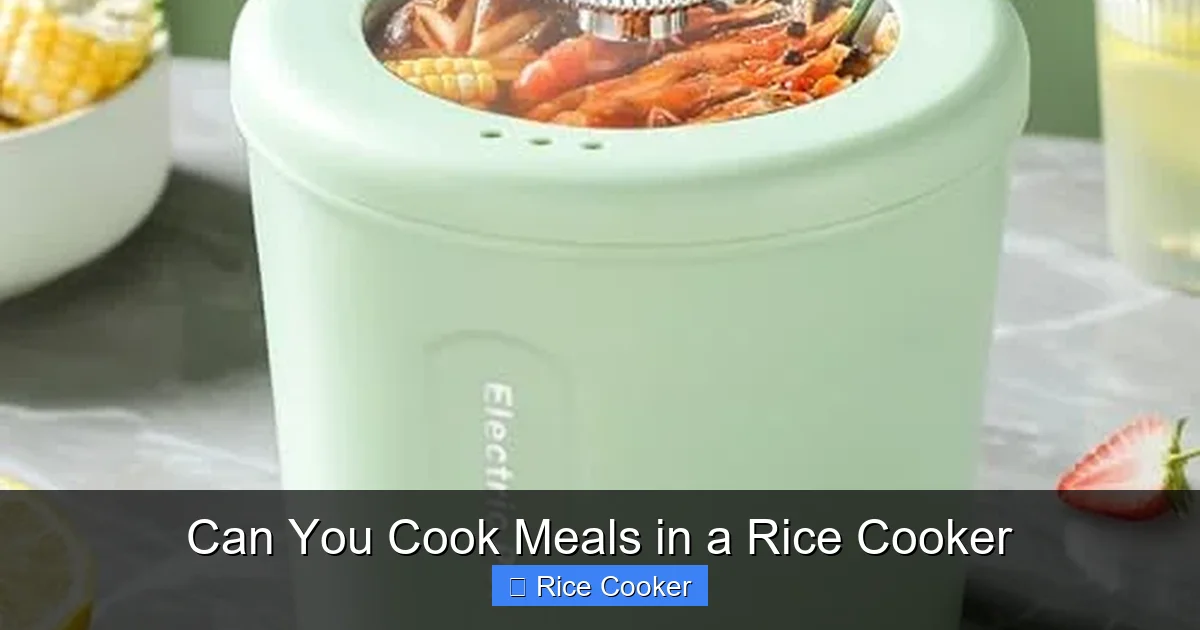
Yes, you can absolutely cook more than just rice in your rice cooker! With its simple design and precise temperature control, a rice cooker is a surprisingly versatile kitchen tool. From steaming vegetables to making hearty stews and even baking cakes, expanding your cooking options with a rice cooker opens up a world of easy, hands-off meal possibilities.
Key Takeaways
- Rice cookers are versatile: Beyond cooking rice, they excel at steaming, boiling, and slow-cooking a wide variety of dishes.
- Hands-off convenience: Once set, your rice cooker does the work, freeing you up to do other tasks or relax while your meal cooks perfectly.
- Healthy meal prep: Steaming and low-fat cooking methods make it ideal for preparing nutritious, balanced meals without added oil.
- Energy-efficient: Rice cookers use less energy than ovens or stovetops, making them an eco-friendly cooking option.
- Beginner-friendly: With minimal ingredients and simple instructions, rice cooker meals are perfect for new cooks or busy families.
- Cost-effective: Using one appliance for multiple cooking functions reduces the need for specialized gadgets.
- Customizable textures: Adjust water levels and cooking times to achieve soft, tender, or firm results in grains, beans, and more.
📑 Table of Contents
- Can You Cook Meals in a Rice Cooker? Absolutely — Here’s How!
- The Surprising Versatility of Rice Cookers
- Essential Tips for Cooking Meals in a Rice Cooker
- Delicious Rice Cooker Meals You Can Make Today
- Health Benefits of Cooking Meals in a Rice Cooker
- Energy Efficiency and Environmental Impact
- Common Misconceptions About Rice Cooker Cooking
- Choosing the Right Rice Cooker for Your Needs
- Creative Recipes Beyond the Basics
- Final Thoughts: Why Every Kitchen Needs a Rice Cooker
Can You Cook Meals in a Rice Cooker? Absolutely — Here’s How!
If someone asked you, “Can you cook meals in a rice cooker?” you might pause. After all, rice cookers are best known for their ability to turn plain rice into fluffy, perfectly cooked grains. But here’s the truth: modern rice cookers are far more than just a one-trick pony. In fact, they’re incredibly versatile kitchen appliances that can prepare entire meals with minimal effort. Whether you’re looking to save time, eat healthier, or simplify your cooking routine, learning how to cook meals in a rice cooker can change the way you approach home-cooked food.
From steaming vegetables to making jambalaya, baking bread, or even crafting overnight oats, the humble rice cooker has evolved into a multi-functional powerhouse. Its ability to maintain consistent heat and offer programmable settings makes it ideal for both novice cooks and seasoned chefs alike. So yes — you absolutely can cook full meals in a rice cooker. And the best part? It’s often easier than you think.
The Surprising Versatility of Rice Cookers
At first glance, a rice cooker looks like a small, unassuming box with a lid and a button. But inside, it’s equipped with advanced technology that controls temperature and moisture with precision. This isn’t just for rice — it’s the same principle that allows you to cook beans, grains, soups, and even desserts. Most modern models come with multiple settings like “slow cook,” “steam,” “warm,” and “quick cook,” which expand your culinary possibilities dramatically.
Visual guide about Can You Cook Meals in a Rice Cooker
Image source: foodandfizz.com
Think about it: when you cook rice, the rice cooker maintains a steady boil until the grains absorb all the water and then automatically switches to a warming mode. That same process can be adapted for legumes, grains, and even proteins. The key is understanding how to adjust ingredients and timing to suit different foods. With a little creativity and experimentation, your rice cooker becomes a secret weapon in the kitchen.
Essential Tips for Cooking Meals in a Rice Cooker
Before diving into recipes, it’s helpful to know some foundational tips for using your rice cooker like a pro. These guidelines apply whether you’re making a simple vegetable stir-fry or a complex one-pot meal.
Visual guide about Can You Cook Meals in a Rice Cooker
Image source: foodiosity.com
1. Use the Right Amount of Liquid
One of the most common mistakes beginners make is adding too much or too little liquid. Unlike traditional pots, rice cookers rely on steam pressure and controlled boiling to cook food. Too much liquid can lead to soggy results; too little may leave food undercooked. As a rule of thumb, follow standard ratios for grains (like 2:1 water-to-rice), but adjust for other foods. For example, when cooking beans, you may need to add more water and let them simmer longer.
2. Pre-Soak Certain Ingredients
Legumes, dried grains, and even certain root vegetables benefit from soaking before cooking. This shortens cooking time and improves texture. For instance, soaking black beans overnight can reduce cook time by half. Just drain and rinse before adding to the rice cooker.
3. Layer Ingredients Strategically
To ensure even cooking, place denser ingredients (like meat or potatoes) at the bottom and lighter ones (like leafy greens or mushrooms) near the top. This helps prevent overcooking delicate items while allowing tougher cuts to simmer thoroughly.
4. Avoid Overcrowding
While rice cookers are great for batch cooking, overcrowding can trap steam and unevenly cook food. Stick to filling no more than two-thirds of the inner pot. This gives room for steam to circulate and prevents sticking.
5. Experiment with Seasonings Early
Since you can’t stir during cooking, add herbs, spices, and sauces at the beginning. Marinades, soy sauce, garlic, and onions all infuse flavor as food simmers. This ensures your meal tastes rich and well-seasoned from start to finish.
6. Clean Immediately After Use
Residue builds up quickly, especially after cooking acidic ingredients like tomatoes or citrus. Rinse the inner pot and steamer basket right after use to prevent stains and odors. A quick wipe-down keeps your rice cooker fresh and ready for next time.
Delicious Rice Cooker Meals You Can Make Today
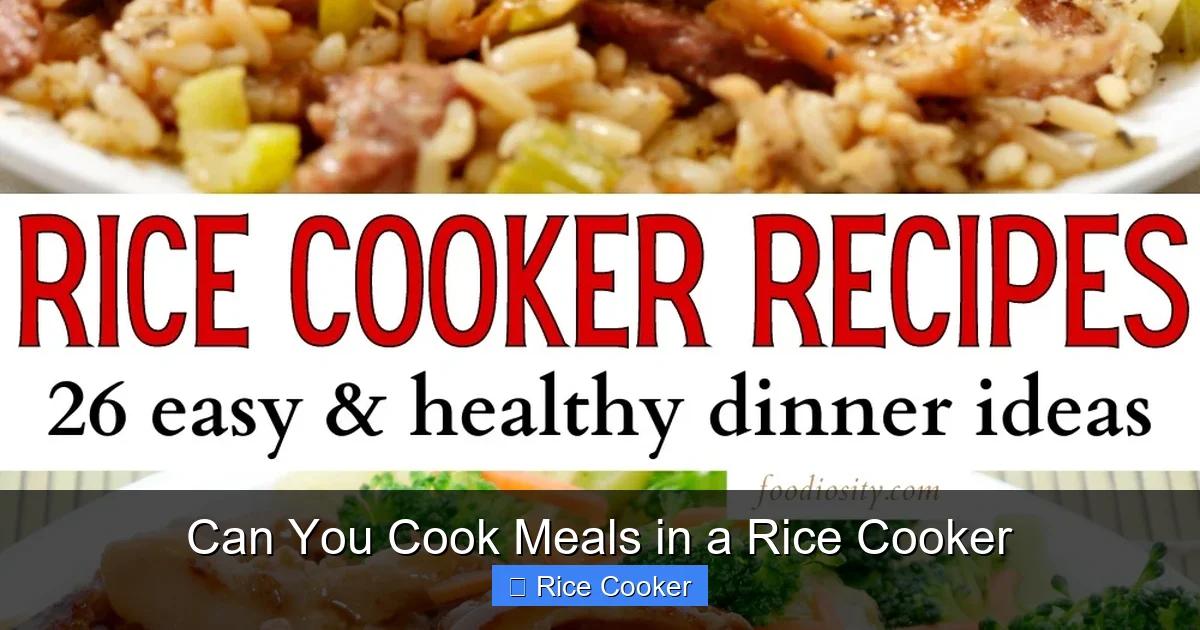
Now that you understand the basics, let’s explore some real-world examples of meals you can cook in a rice cooker. These recipes are not only easy but also delicious and nutritious.
Hearty Vegetable and Bean Stew
This one-pot wonder combines protein-rich beans, fiber-packed veggies, and aromatic spices into a comforting stew. Simply layer diced carrots, celery, onion, and canned kidney beans over cooked quinoa or brown rice. Add a splash of tomato paste, vegetable broth, and a bay leaf. Switch to the “slow cook” setting if available, or let it simmer on high for 30–40 minutes. Serve with a dollop of Greek yogurt or fresh cilantro.
Teriyaki Chicken and Rice Bowl
Toss chicken thighs with soy sauce, ginger, garlic, and a touch of honey. Place them on top of uncooked jasmine rice in the rice cooker. Add water according to rice ratio (about 1.5 cups per cup of rice). Close the lid and press “cook.” In about 40 minutes, the chicken will be tender and juicy, and the rice will be fluffy. Let it rest for 10 minutes before serving. Garnish with green onions and sesame seeds.
Steamed Whole Fish with Ginger and Scallions
Place a whole fish (like cod or tilapia) in the steamer basket. Slice ginger and scallions, and scatter them over the fish. Pour a little soy sauce and rice wine around the edges. Add water to the main pot (not touching the steamer). Steam on high for 15–20 minutes, or until the fish flakes easily. This method keeps fish moist and flavorful without drying it out.
Overnight Steel-Cut Oats
For busy mornings, try this no-cook breakfast hack. Combine steel-cut oats, milk or almond milk, chia seeds, a drizzle of maple syrup, and a pinch of cinnamon in the rice cooker. Set it overnight on the “warm” setting or simply leave it plugged in. In the morning, the oats will be creamy and ready to enjoy with fresh fruit.
Baked Sweet Potato Fries
Slice sweet potatoes into fry shapes and toss with olive oil, paprika, salt, and pepper. Arrange them in a single layer in the steamer basket. Add water to the base (just enough to create steam). Cook on high for 20–25 minutes, flipping halfway through. The result? Crispy-on-the-outside, tender-on-the-inside fries with no oven required.
Health Benefits of Cooking Meals in a Rice Cooker
Cooking meals in a rice cooker isn’t just convenient — it’s also better for your health. Because the appliance uses minimal oil and maintains consistent temperatures, it helps preserve nutrients that would otherwise be lost in high-heat frying or boiling.
Steaming vegetables, for example, retains more vitamins and minerals than boiling or sautéing. And because rice cookers automate the cooking process, there’s less chance of overcooking, which can break down essential nutrients. Plus, the hands-off nature encourages people to cook at home more often, reducing reliance on processed takeout meals.
Another advantage is portion control. Many rice cookers come with measuring cups and timers, helping you stick to recommended serving sizes. This is especially useful for those managing weight or following dietary plans.
Energy Efficiency and Environmental Impact
You might be surprised to learn that rice cookers are among the most energy-efficient kitchen appliances. They use significantly less electricity than stovetops, ovens, or microwaves. According to energy studies, a typical rice cooker uses about 200–300 watts, compared to 1,500–3,000 watts for electric stoves.
This efficiency translates to lower utility bills and a smaller carbon footprint. When you cook a full meal in a rice cooker instead of turning on multiple appliances, you’re saving energy and reducing emissions. It’s a small change that makes a big difference over time.
Additionally, because rice cookers require less water than boiling methods, they help conserve this vital resource. Whether you’re cooking rice, beans, or soup, you’re using fewer gallons of water — another reason why this appliance is both practical and sustainable.
Common Misconceptions About Rice Cooker Cooking
Despite their growing popularity, several myths still surround rice cookers. Let’s clear them up so you can cook with confidence.
Myth 1: You Can Only Cook Rice
This couldn’t be further from the truth. While rice cookers were originally designed for rice, today’s models can handle everything from pasta to desserts. The key is adjusting liquids, timing, and ingredients appropriately.
Myth 2: Rice Cookers Are Slow
While some settings (like slow cook) take longer, many rice cookers have quick-cook modes that rival stove-top speeds. In fact, for certain dishes like oatmeal or steamed dumplings, rice cookers are faster than waiting for water to boil.
Myth 3: Everything Tastes the Same
With proper seasoning and ingredient selection, rice cooker meals can be just as flavorful as stove-cooked dishes. The trick is adding aromatics early and using quality ingredients.
Myth 4: They’re Hard to Clean
Most rice cooker interiors are non-stick and dishwasher-safe. A quick rinse after each use keeps them in top condition. Some models even have removable parts for easy cleaning.
Choosing the Right Rice Cooker for Your Needs
If you’re convinced that cooking meals in a rice cooker is worth exploring, choosing the right model is the next step. Not all rice cookers are created equal — some are basic, while others offer advanced features.
Consider these factors when shopping:
- Capacity: Small (1–3 cups) for individuals or couples; large (6+ cups) for families.
- Settings: Look for models with steam, slow cook, and delay timer functions.
- Non-Stick Coating: Makes cleaning easier and prevents food from sticking.
- Keep-Warm Function: Automatically maintains temperature after cooking.
- Smart Features: Some models connect to apps or offer preset recipes.
Popular brands like Zojirushi, Cuisinart, and Panasonic offer reliable options across various price ranges. Read reviews and compare features to find one that fits your lifestyle.
Creative Recipes Beyond the Basics
Once you master the fundamentals, the possibilities expand. Try these creative ideas to keep your meals exciting:
- Rice Cooker Ramen: Combine instant ramen noodles with broth, egg, and vegetables. Cook on high for 15 minutes.
- Chocolate Rice Pudding: Mix rice, milk, cocoa powder, sugar, and vanilla. Cook on warm for 45 minutes, stirring occasionally.
- Banana Bread: Whisk flour, sugar, eggs, banana, and baking soda. Pour into the inner pot and cook on bake mode (if available) for 45–60 minutes.
- Pasta Primavera: Cook pasta in the rice cooker with water and a pinch of salt. Add frozen peas, carrots, and olive oil. Finish with Parmesan cheese.
These recipes show how adaptable the rice cooker truly is — even dessert and baked goods can thrive in this compact kitchen companion.
Final Thoughts: Why Every Kitchen Needs a Rice Cooker
So, can you cook meals in a rice cooker? The answer is a resounding yes. Whether you’re preparing a quick weekday dinner or planning a cozy weekend feast, this appliance offers simplicity, consistency, and versatility. From steaming fish to making creamy risottos, the rice cooker proves that great meals don’t require complicated tools or hours of prep.
What sets rice cookers apart is their ability to deliver reliable results with minimal supervision. No more watching the pot or worrying about burning food. Just add ingredients, press a button, and enjoy the aroma of a complete meal wafting through your kitchen.
In a world where convenience and nutrition often clash, the rice cooker bridges the gap. It empowers home cooks to prepare wholesome, flavorful meals without sacrificing time or effort. So go ahead — unlock the potential of your rice cooker. You might just discover your new favorite way to cook.
Frequently Asked Questions
Can I cook pasta in a rice cooker?
Yes, you can cook pasta in a rice cooker. Add water and salt, bring to a boil, then add pasta and cook for 8–12 minutes depending on type. Drain excess water before serving.
Is it safe to cook meat in a rice cooker?
Absolutely. Meat like chicken, pork, or beef can be cooked safely in a rice cooker. Ensure internal temperatures reach safe levels and avoid cross-contamination with raw ingredients.
Can I cook soup in a rice cooker?
Yes, rice cookers are excellent for soups. Add broth, vegetables, and protein, then set to “slow cook” or “cook” mode. Simmer for 30–60 minutes until flavors meld.
Do I need special ingredients to cook in a rice cooker?
No, you don’t need anything special. Use regular pantry staples like rice, beans, vegetables, and seasonings. The appliance works with everyday ingredients.
Can a rice cooker replace my oven?
Not entirely, but it can handle many oven-like tasks such as baking muffins, steaming fish, or making casseroles. It’s a great supplement, not a full replacement.
How do I clean a rice cooker properly?
Unplug and let it cool. Remove the inner pot and wash with warm, soapy water. Wipe the exterior and lid with a damp cloth. Avoid submerging the base in water.