
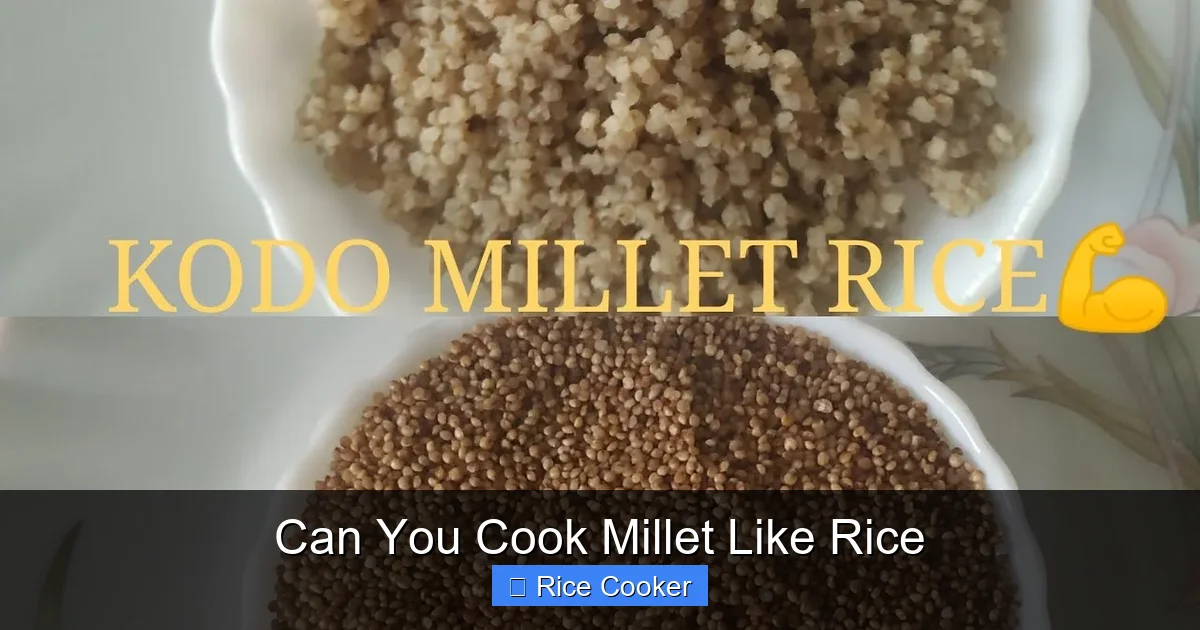
Millet is not only similar to rice in texture and cooking method but also packed with nutrients. You can absolutely cook millet like rice—using a rice cooker, stovetop, or even an Instant Pot. With the right ratio and a little prep, millet becomes fluffy, tender, and perfect for bowls, salads, or side dishes. Whether you’re looking for a gluten-free alternative or just want to try something new, millet offers versatility and great taste.
Key Takeaways
- Millet cooks similarly to rice: It uses a 1:2 water-to-grain ratio and takes about 20–25 minutes on the stove or in a rice cooker.
- Rice cookers work perfectly for millet: Most models handle millet without issue, delivering consistent, fluffy results every time.
- Millet is highly nutritious: Rich in protein, fiber, magnesium, and antioxidants, it supports heart health and digestion.
- It’s naturally gluten-free: A safe and delicious option for those with celiac disease or gluten sensitivity.
- Versatile in the kitchen: Use it as a base for stir-fries, grain bowls, pilafs, or even desserts.
- Easy to prepare: Rinse once, add water, press start, and let your rice cooker do the rest.
- Taste and texture: Slightly nutty and chewy, millet absorbs flavors well and pairs with vegetables, meats, and sauces.
📑 Table of Contents
- Can You Cook Millet Like Rice? Absolutely—and Here’s How!
- What Is Millet and Why Should You Try It?
- How to Cook Millet Like Rice: Step-by-Step Guide
- Why Choose Millet Over Rice?
- Tips for Perfect Millet Every Time
- Creative Ways to Use Millet Like Rice
- Common Mistakes to Avoid When Cooking Millet
- Frequently Asked Questions
- Conclusion: Embrace Millet as Your New Kitchen Staple
Can You Cook Millet Like Rice? Absolutely—and Here’s How!
If you’ve ever wondered whether you can cook millet like rice, the answer is a resounding yes! Millet, one of the world’s oldest cultivated grains, has been growing in popularity thanks to its nutritional punch and versatility in the kitchen. But how does it compare to rice when it comes to preparation? Can you use a rice cooker? Is the texture similar? Let’s dive into everything you need to know about cooking millet just like rice.
In this guide, we’ll walk you through step-by-step instructions, cooking ratios, tips for perfect results, and even some creative ways to enjoy millet. Whether you’re new to alternative grains or looking to switch up your meal routine, this article will help you master millet with ease.
What Is Millet and Why Should You Try It?
Millet is a small-seeded grain originally grown in Asia and Africa. There are several types—finger millet, pearl millet, foxtail millet, and others—but most people use “millet” to refer to yellow millet, which is commonly sold in U.S. grocery stores. It looks almost like tiny beads of gold or cream, depending on how it’s processed.
Unlike rice, which comes from a grass plant and has become a dietary staple worldwide, millet has long been a backbone of traditional diets in parts of India, Africa, and China. Today, it’s gaining attention as a superfood because of its impressive nutrient profile.
Nutritional Powerhouse
Millet is more than just a grain—it’s a nutritional powerhouse. One cup (cooked) of millet contains:
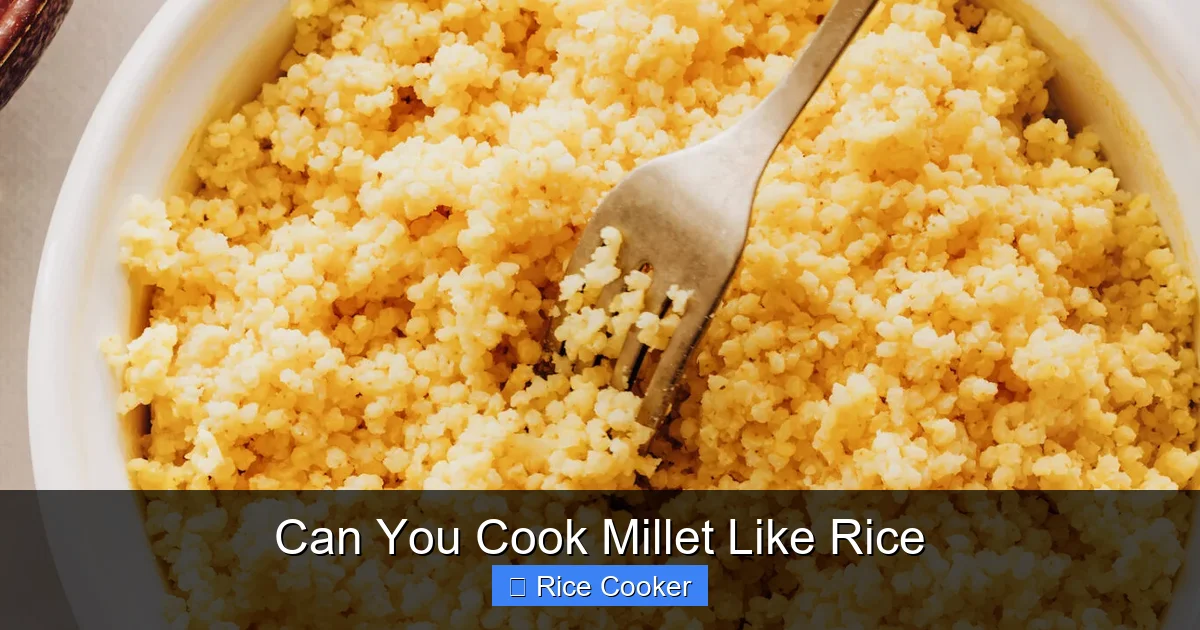
Visual guide about Can You Cook Millet Like Rice
Image source: minimalistbaker.com
- About 200 calories
- 6 grams of protein
- 3 grams of fiber
- Rich in magnesium, phosphorus, and B vitamins
- Antioxidants that support brain and heart health
It’s also naturally gluten-free, making it an excellent choice for those avoiding gluten or managing conditions like celiac disease.
Texture and Flavor
When cooked properly, millet has a light, fluffy texture similar to rice but with a subtle nutty flavor. Unlike some other ancient grains that can be dense or chalky, millet strikes a nice balance between softness and slight chewiness. This makes it ideal for absorbing sauces, mixing into salads, or serving as a warm side dish.
How to Cook Millet Like Rice: Step-by-Step Guide
Cooking millet like rice is simpler than you might think. With just a few basic steps, you can achieve a fluffy, delicious result—whether you’re using a stovetop, rice cooker, or Instant Pot.
Ingredients You’ll Need
- 1 cup millet (rinsed)
- 2 cups water (or broth for extra flavor)
- A pinch of salt (optional)
- 1 tablespoon oil or butter (optional, helps prevent sticking)
Basic Stovetop Method
- Rinse the millet: Place the millet in a fine-mesh strainer and rinse under cold water until the water runs clear. This removes excess starch and prevents gummy texture.
- Combine ingredients: In a medium saucepan, combine rinsed millet, water, salt, and oil (if using).
- Bring to a boil: Heat over high heat until boiling.
- Simmer covered: Reduce heat to low, cover, and simmer for 18–22 minutes. Do not lift the lid during cooking.
- Rest and fluff: Remove from heat and let sit, covered, for 5 minutes. Then fluff gently with a fork.
Cooking Millet in a Rice Cooker
This is where the convenience of a rice cooker shines. The process is nearly identical to cooking rice:
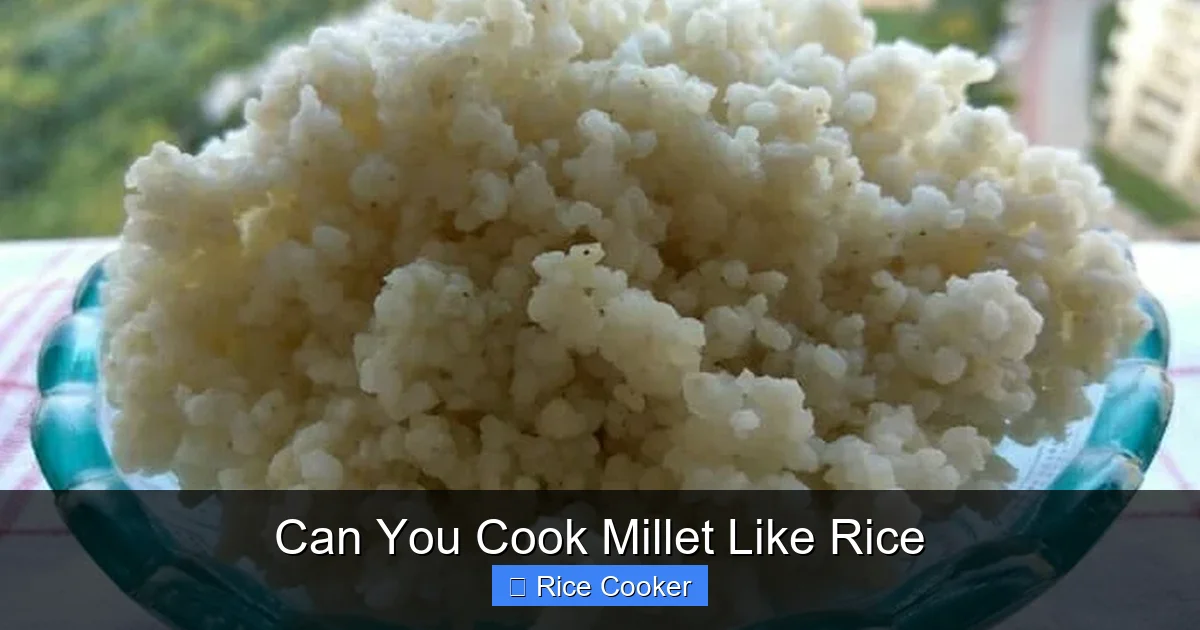
Visual guide about Can You Cook Millet Like Rice
Image source: cdn.millettable.com
- Rinse 1 cup of millet.
- Add it to the inner pot of your rice cooker along with 2 cups of water or broth.
- Press “Cook” and wait.
- Once the cycle ends, let it rest for 5 minutes before opening the lid.
- Fluff with a fork and serve.
Most standard rice cookers work perfectly with millet. Just avoid models labeled “quick-cook” or “pressure” unless they have a specific setting for grains.
Why Choose Millet Over Rice?
While rice remains a global favorite, millet offers several advantages that make it worth considering:
Higher Nutrient Density
Compared to white rice, which is mostly refined carbohydrates, millet retains its bran and germ, meaning it’s loaded with fiber, vitamins, and minerals. Even brown rice doesn’t match millet’s magnesium content—a mineral essential for nerve function and bone health.
Blood Sugar Control
Because of its high fiber and complex carbohydrate content, millet is digested more slowly than white rice. This helps stabilize blood sugar levels and keeps you feeling full longer—ideal for weight management or diabetes-friendly eating.
Sustainability
Millet is drought-resistant and grows well in poor soil, requiring fewer resources than rice. In fact, some climate experts recommend millet as part of a sustainable future diet due to its resilience and low environmental impact.
Allergen-Friendly
Since millet is naturally gluten-free, it’s a safe choice for people with celiac disease or non-celiac gluten sensitivity. It’s also less likely to trigger food allergies compared to common grains like wheat or barley.
Tips for Perfect Millet Every Time
Even though millet cooks quickly, there are a few tricks to ensure it turns out light, fluffy, and never mushy:
Don’t Skip the Rinse
Rinsing removes surface starch that can make millet clump together. Always give it a quick rinse before cooking.
Use the Right Water Ratio
The standard ratio is 1:2 (millet to water). If your millet seems too dry, try increasing the water slightly next time. Some varieties may require a bit more or less, so keep notes!
Let It Rest
Just like rice, millet benefits from resting after cooking. This allows steam to distribute evenly and prevents a gummy center.
Fluff Gently
Over-stirring can break apart the grains. Instead, use a fork to gently separate them while still warm.
Add Flavor Before Cooking
For extra taste, cook your millet in vegetable or chicken broth instead of plain water. You can also toast the rinsed millet in a dry pan for 2–3 minutes before adding liquid—this brings out its nutty aroma.
Creative Ways to Use Millet Like Rice
Now that you know how to cook millet like rice, here are some fun and tasty ideas to get you started:
Millet Pilaf
Sauté onions, garlic, and carrots in olive oil. Add rinsed millet and toast for 1 minute. Pour in broth, bring to a boil, then simmer until tender. Stir in herbs like thyme or parsley before serving.
Millet Fried “Rice”
Use leftover cooked millet as a base for a healthy fried-rice-style dish. Stir-fry with soy sauce, diced veggies, scrambled eggs, and your favorite protein. It’s lower-carb than regular fried rice and just as satisfying.
Grain Bowls
Top cooked millet with roasted sweet potatoes, black beans, avocado, and a tahini-lemon dressing for a colorful, nutritious bowl.
Breakfast Porridge
Make a warm breakfast porridge by cooking millet with almond milk, cinnamon, and a touch of honey. Top with fresh fruit and nuts.
Dessert Option
Try millet pudding! Simmer millet with coconut milk, maple syrup, and vanilla until creamy. Chill and serve with berries.
Common Mistakes to Avoid When Cooking Millet
Even experienced cooks can run into issues with millet if they don’t pay attention to a few key details:
Not Rinsing Enough
This leads to a sticky, clumpy mess. Always rinse thoroughly.
Opening the Lid Too Soon
Steam escapes, and the millet can become undercooked or mushy. Wait until the timer goes off.
Using Too Much Water
Too much liquid results in soggy millet. Stick to the 1:2 ratio unless experimenting.
Skipping the Rest Period
This causes uneven texture. Always let millet sit for 5 minutes after cooking.
Stirring Immediately After Cooking
The grains are fragile when hot. Wait until slightly cooled before fluffing.
Frequently Asked Questions
Is millet the same as rice?
No, millet is a different grain with a nuttier flavor and chewier texture. However, it cooks similarly and can be used as a rice substitute in many dishes.
Can I use a rice cooker for any type of millet?
Yes, standard rice cookers work well with all common types of millet, including pearl and foxtail. Just follow the 1:2 water ratio.
Does millet need soaking before cooking?
No, millet does not require soaking. Rinsing and cooking is sufficient for most recipes.
Is millet safe for people with celiac disease?
Yes, millet is naturally gluten-free and safe for those with celiac disease or gluten intolerance—just ensure it’s certified gluten-free if needed.
How long does cooked millet last in the fridge?
Cooked millet lasts 4–5 days in an airtight container in the refrigerator. It also freezes well for up to 3 months.
Can I cook millet in an Instant Pot?
Absolutely! Use the same 1:2 ratio and set the Instant Pot to “Manual” or “Pressure Cook” for 6 minutes, then allow natural release for 10 minutes.
Conclusion: Embrace Millet as Your New Kitchen Staple
So, can you cook millet like rice? The short answer is yes—and doing so opens the door to a whole new world of flavor, nutrition, and culinary creativity. With its mild nutty taste, fluffy texture, and impressive health benefits, millet deserves a spot in your pantry next to rice.
Whether you’re using a rice cooker, stovetop, or pressure cooker, the process is straightforward and yields delicious results every time. Plus, it’s a sustainable, gluten-free, and nutrient-rich alternative that supports better digestion and long-term wellness.
Next time you’re at the store, grab a bag of millet and give it a try. Start with a simple millet pilaf or swap it for rice in your favorite stir-fry. You might just discover your new go-to grain. And remember—your rice cooker isn’t just for white or brown rice anymore. It’s ready to cook millet like rice, too!
Frequently Asked Questions
Is millet the same as rice?
No, millet is a different grain with a nuttier flavor and chewier texture. However, it cooks similarly and can be used as a rice substitute in many dishes.
Can I use a rice cooker for any type of millet?
Yes, standard rice cookers work well with all common types of millet, including pearl and foxtail. Just follow the 1:2 water ratio.
Does millet need soaking before cooking?
No, millet does not require soaking. Rinsing and cooking is sufficient for most recipes.
Is millet safe for people with celiac disease?
Yes, millet is naturally gluten-free and safe for those with celiac disease or gluten intolerance—just ensure it’s certified gluten-free if needed.
How long does cooked millet last in the fridge?
Cooked millet lasts 4–5 days in an airtight container in the refrigerator. It also freezes well for up to 3 months.
Can I cook millet in an Instant Pot?
Absolutely! Use the same 1:2 ratio and set the Instant Pot to “Manual” or “Pressure Cook” for 6 minutes, then allow natural release for 10 minutes.