
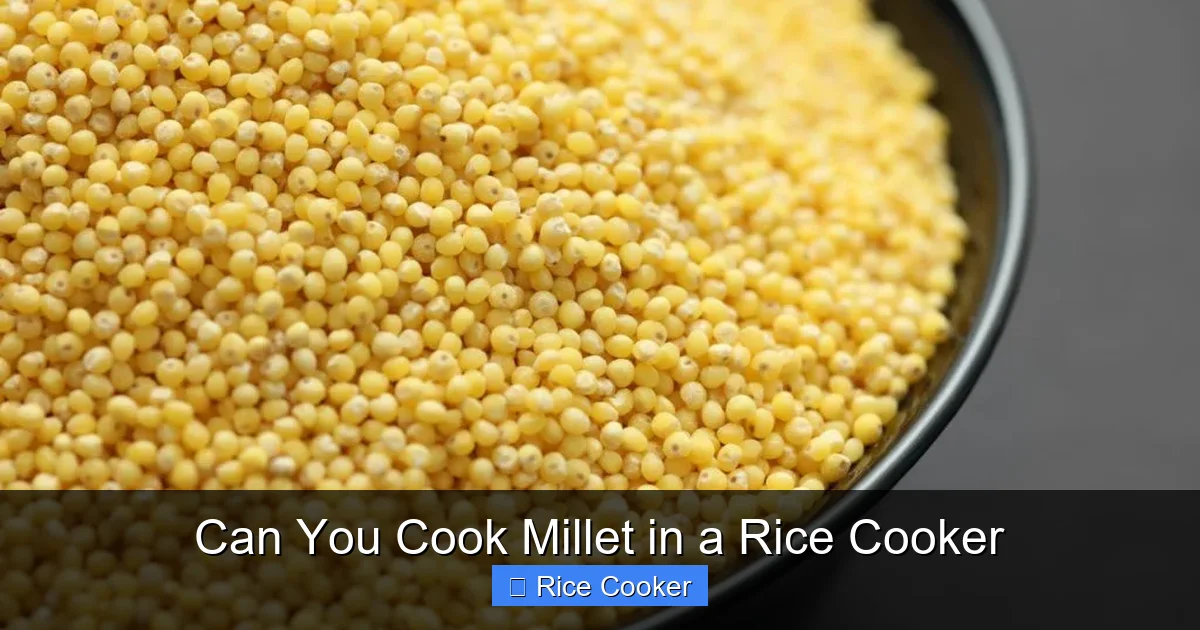
Can you cook millet in a rice cooker? Absolutely! Millet is a nutritious, gluten-free grain that cooks quickly and evenly in a rice cooker, just like rice. With the right water-to-grain ratio and a few simple steps, you’ll have fluffy, delicious millet ready in under 20 minutes—perfect for side dishes, grain bowls, or breakfast porridge.
Key Takeaways
- Yes, millet works great in a rice cooker. It cooks quickly and yields consistent results with minimal effort.
- Use a 2:1 water-to-millet ratio. For example, use 2 cups of water per 1 cup of dry millet for fluffy grains.
- Rinse millet before cooking. This removes surface starch and prevents clumping.
- Cooking time is about 20-25 minutes. Most rice cookers handle millet perfectly without special settings.
- Millet is nutritious and versatile. It’s high in protein, fiber, and minerals, and pairs well with vegetables, meats, and spices.
- You can add flavor during cooking. Try salt, herbs, or broth instead of plain water for extra taste.
- Store leftovers properly. Cool completely, store in an airtight container, and reheat with a splash of water.
📑 Table of Contents
- Can You Cook Millet in a Rice Cooker? A Complete Guide
- What Is Millet?
- Why Use a Rice Cooker for Millet?
- How to Cook Millet in a Rice Cooker: Step-by-Step
- Tips for Perfect Millet Every Time
- Best Ways to Serve Millet
- Troubleshooting Common Millet Issues
- Storing and Reheating Leftovers
- Is Millet Healthier Than Rice?
- Final Thoughts
Can You Cook Millet in a Rice Cooker? A Complete Guide
Have you ever looked at a bag of millet and wondered, “What even is this, and how do I cook it?” If so, you’re not alone. Millet is one of those ancient grains that’s gaining popularity for its health benefits and versatility—but many people still treat it like a mystery ingredient. The good news? Cooking millet is easier than you think, especially if you own a rice cooker.
In this article, we’ll walk you through everything you need to know about cooking millet in a rice cooker. From choosing the right type of millet to mastering the perfect texture, we’ve got you covered. Whether you’re new to millet or just looking for a faster cooking method, this guide will help you make fluffy, nutritious millet every single time.
What Is Millet?
A Brief History and Nutritional Profile
Millet is an ancient grain that has been cultivated for over 10,000 years. Originating in Africa and Asia, it was once a staple food across parts of Europe, India, China, and the Middle East. Today, millet is experiencing a renaissance as more people seek out nutrient-dense, gluten-free grains.
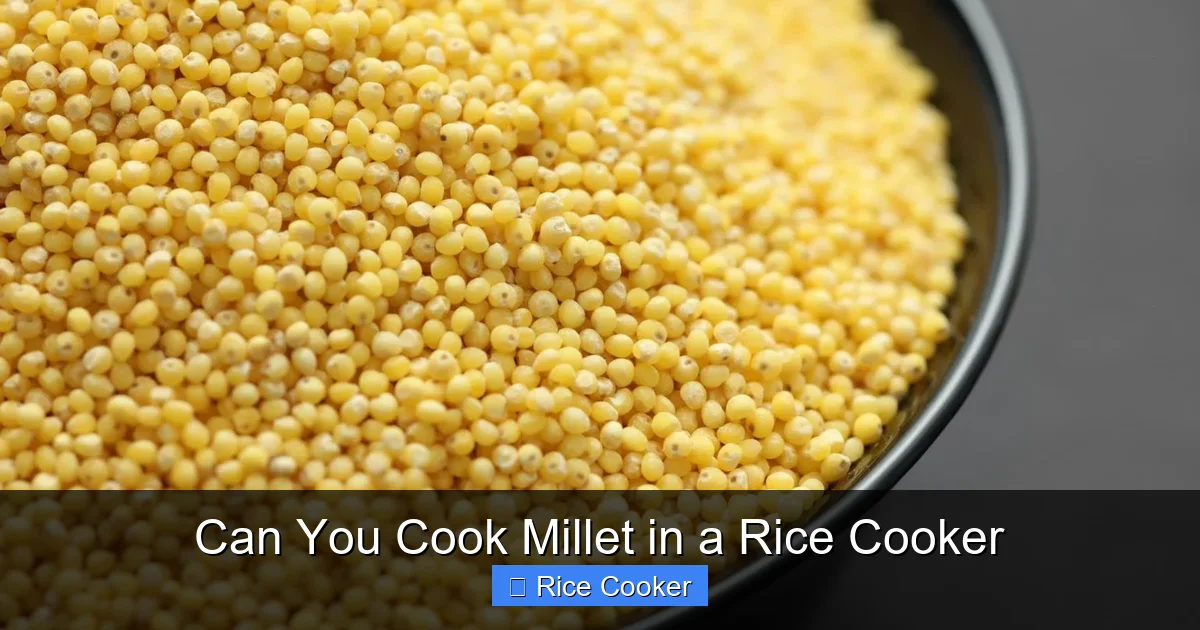
Visual guide about Can You Cook Millet in a Rice Cooker
Image source: ricecookerjunkie.com
Nutritionally, millet is impressive. It’s rich in protein (about 11 grams per cooked cup), contains healthy fats, and provides a good amount of dietary fiber. Millet is also high in magnesium, phosphorus, and B vitamins. Unlike some grains, it’s naturally gluten-free, making it a safe choice for people with celiac disease or gluten sensitivity.
Common Types of Millet
There are several varieties of millet, but the most commonly used in home cooking are:
- Pearl millet: The most widely available type in North America. It has a mild, slightly sweet flavor and a fluffy texture when cooked.
- Foxtail millet: Smaller and lighter in color, foxtail millet cooks quickly and has a softer texture.
- Finger millet: Also known as ragi, this type is denser and chewier, often used in Indian flatbreads and porridges.
For beginners, pearl millet is the best choice because it’s easy to find, cooks reliably, and has a pleasant taste that works well in both savory and sweet dishes.
Why Use a Rice Cooker for Millet?
The Convenience Factor
If you’re already using a rice cooker for oatmeal, quinoa, or brown rice, adding millet to your routine is a natural next step. Rice cookers automate the entire cooking process—no constant stirring or watching the pot. Just add ingredients, press a button, and walk away.
Visual guide about Can You Cook Millet in a Rice Cooker
Image source: ricecookerjunkie.com
This convenience is especially helpful for busy weeknights. Imagine coming home after work, rinsing a cup of millet, adding water, and having a hot, ready-to-eat grain in under 20 minutes. No babysitting the stove. No risk of burning.
Consistent Results Every Time
One of the biggest advantages of using a rice cooker is consistency. Unlike stovetop cooking, where heat fluctuations can lead to unevenly cooked grains, a rice cooker maintains a steady temperature throughout the cycle. This means your millet will come out uniformly fluffy or tender, depending on your preference.
Plus, rice cookers often have a “warm” setting that keeps millet at serving temperature without drying it out. That’s perfect if you’re preparing a large batch for meal prep or feeding a crowd.
Energy Efficiency
Rice cookers use less energy than ovens or stovetops, especially for small batches. They’re designed to cook grains efficiently, which means lower electricity bills and less kitchen heat during summer months.
How to Cook Millet in a Rice Cooker: Step-by-Step
Gather Your Ingredients and Tools
Before you start, make sure you have:
- 1 cup of dry millet (rinsed)
- 2 cups of water (or broth for added flavor)
- A fine-mesh strainer
- Your rice cooker and measuring cup
- A spoon or spatula for fluffing
Optional additions: pinch of salt, a teaspoon of oil, or a bay leaf for flavor.
Step 1: Rinse the Millet
Place the millet in a fine-mesh strainer and rinse it under cold running water for about 30 seconds. This removes excess starch and any dust or debris. Rinsing also helps prevent the millet from becoming gummy.
Step 2: Add Water and Optional Seasonings
Add the rinsed millet to the inner pot of your rice cooker. Pour in 2 cups of water. If you’re using broth or stock, swap it for water for extra flavor. Add a pinch of salt and any other seasonings you like.
Step 3: Cook the Millet
Close the lid and select the “White Rice” or standard cooking setting. Most rice cookers will automatically switch to the “Keep Warm” mode once the millet is done. This usually takes about 18–22 minutes.
Step 4: Let It Rest
After cooking, let the millet sit, covered, for 5–10 minutes. This allows the steam to finish cooking the grains and makes fluffing easier.
Step 5: Fluff and Serve
Open the lid and gently fluff the millet with a fork. Be careful not to mash it. Now it’s ready to serve!
Tips for Perfect Millet Every Time
Adjust the Water Ratio for Texture
The standard 2:1 water-to-millet ratio works well for fluffy millet. But if you prefer a chewier, more porridge-like texture, try using 2.5 cups of water per 1 cup of millet. Conversely, for firmer grains, use only 1.75 cups of water.
Toast the Millet First (Optional)
For deeper flavor, toast the rinsed millet in a dry pan over medium heat for 3–5 minutes before adding water. Stir constantly until the grains are fragrant and lightly golden. This step adds nuttiness and enhances the overall taste.
Don’t Overfill the Rice Cooker
Most rice cookers have a maximum fill line—usually around 1.5 to 2 cups of dry ingredients. Adding too much millet can block airflow and result in uneven cooking. Stick to the manufacturer’s guidelines.
Experiment with Flavors
Try cooking millet in vegetable broth instead of water for a savory base. You can also add a cinnamon stick, a slice of lemon, or fresh herbs like thyme or rosemary during cooking. After fluffing, stir in a pat of butter, a drizzle of honey, or a sprinkle of cheese for variety.
Reheat with Care
To reheat leftover millet, place it in a microwave-safe bowl with a tablespoon of water. Cover and heat in 30-second intervals until warm. Alternatively, steam it in a saucepan with a splash of milk or broth.
Best Ways to Serve Millet
As a Side Dish
Fluffy millet makes a fantastic alternative to rice or quinoa. Serve it alongside grilled chicken, roasted vegetables, or lentil curry. Its mild flavor lets other ingredients shine while adding a satisfying bite.
In Grain Bowls
Top your millet with black beans, corn, avocado, salsa, and a fried egg for a complete, plant-based meal. The grain acts as a hearty base that holds all the flavors together.
Breakfast Porridge
Cook millet with milk (dairy or plant-based) and a pinch of cinnamon overnight in the rice cooker (if it has a slow cook function). In the morning, you’ll have a creamy, nutritious porridge ready to enjoy with fruit or nuts.
Baked Goods and Bread
Millet flour can be used in baking, though it’s best combined with other flours due to its strong flavor. Try substituting a portion of wheat flour with millet flour in muffins, pancakes, or breads for added nutrition.
International Dishes
In parts of Africa and Asia, millet is used in flatbreads, porridges, and even beer. In India, finger millet is ground into flour for rotis and dosas. Experiment with global recipes to explore millet’s full potential.
Troubleshooting Common Millet Issues
Millet Sticks Together
If your millet turns into a dense clump, it’s likely due to insufficient rinsing or too much water. Always rinse thoroughly, and avoid overfilling the cooker. Also, make sure to fluff immediately after cooking—don’t let it sit too long on the “keep warm” setting.
Millet Is Too Dry
This happens when there’s not enough liquid. Next time, increase the water by ¼ cup. You can also add a bit of broth or stock when reheating to restore moisture.
Millet Doesn’t Cook Through
Old or improperly stored millet may take longer to cook. Check the expiration date and store it in a cool, dry place in an airtight container. If the grains are old, soaking them for 30 minutes before cooking can help soften them.
Texture Is Too Gummy
Overcooked millet can become sticky. To fix this, cook it for a shorter time and check for doneness earlier. You can also rinse the cooked millet under cold water to remove excess starch.
Storing and Reheating Leftovers
Proper Storage
Allow cooked millet to cool completely before storing. Place it in an airtight container and refrigerate for up to 5 days. You can also freeze it in portion-sized containers for up to 3 months.
Reheating Methods
- Microwave: Transfer to a microwave-safe bowl, add 1–2 tablespoons of water, cover, and heat in 30-second bursts.
- Stovetop: Heat a small amount of water or broth in a saucepan, add the millet, and simmer for 3–5 minutes, stirring occasionally.
- Steamer: Place the millet in a steamer basket over boiling water and steam for 5–7 minutes.
Revive Stale Millet
If your leftover millet has dried out, revive it by microwaving with a damp paper towel for 1–2 minutes. The steam will help soften the grains.
Is Millet Healthier Than Rice?
Comparing Nutritional Value
Both millet and white rice are carbohydrates, but millet offers significantly more nutrients. One cup of cooked millet contains:
- Approximately 200 calories
- 6 grams of protein
- 2 grams of fiber
- Rich in magnesium, phosphorus, and B vitamins
In contrast, white rice has fewer nutrients and less fiber. Brown rice falls somewhere in between, offering more fiber than white rice but less than millet.
Gluten-Free and Gut-Friendly
Since millet is naturally gluten-free, it’s a safe choice for people with celiac disease or gluten intolerance. It’s also gentle on the digestive system and can support gut health due to its fiber content.
Blood Sugar Impact
Millet has a lower glycemic index than white rice, meaning it causes a slower, more gradual rise in blood sugar. This makes it a better option for people managing diabetes or insulin resistance.
Final Thoughts
So, can you cook millet in a rice cooker? The answer is a resounding yes—and it’s one of the easiest, most reliable ways to prepare this nutritious grain. With just a few simple steps and the right ratio of water to millet, you can enjoy perfectly cooked, fluffy grains every time.
Whether you’re new to millet or looking to diversify your grain intake, your rice cooker is a powerful tool. It saves time, ensures consistency, and opens the door to a world of healthy, delicious meals. From breakfast porridge to hearty grain bowls, millet adapts beautifully to any dish.
Give it a try today. Rinse a cup of millet, add water, press the button, and in under 20 minutes, you’ll have a nutritious, gluten-free grain that’s as easy to make as rice—but far more beneficial for your health.
Frequently Asked Questions
Can you cook millet in a rice cooker?
Yes, millet cooks perfectly in a rice cooker using a 2:1 water-to-grain ratio. It takes about 20 minutes and requires no supervision.
How much water do you use for millet in a rice cooker?
Use 2 cups of water for every 1 cup of dry millet. Adjust slightly if you prefer a softer or firmer texture.
Do you need to soak millet before cooking?
No, soaking is optional. However, rinsing the millet thoroughly before cooking helps remove excess starch and prevents clumping.
Can you substitute millet for rice in recipes?
Absolutely. Millet can replace rice in most dishes, including pilafs, stir-fries, casseroles, and grain bowls. It holds its shape well and has a pleasant, nutty flavor.
Is millet healthier than white rice?
Yes, millet is more nutritious than white rice. It’s higher in protein, fiber, and essential minerals like magnesium and phosphorus, and it’s naturally gluten-free.
How do you store cooked millet?
Store cooled millet in an airtight container in the refrigerator for up to 5 days or freeze for up to 3 months. Reheat with a splash of water or broth.