
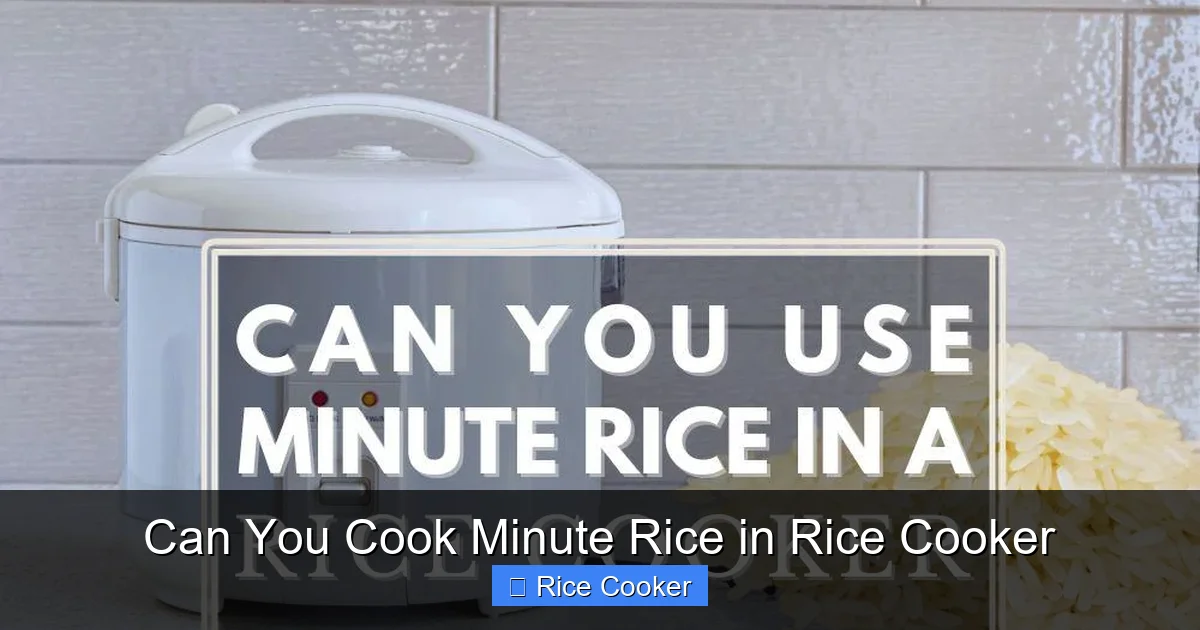
Can you cook Minute Rice in a rice cooker? Absolutely—and it’s one of the easiest ways to get perfectly cooked, fluffy rice with minimal effort. Whether you’re using instant white rice or brown rice varieties, your rice cooker handles the timing and heat control so you don’t have to. No guesswork, no overcooked batches.
Key Takeaways
- Yes, Minute Rice works great in a rice cooker: Despite being marketed as “instant,” Minute Rice can be cooked in a rice cooker with excellent results—fluffy, tender, and evenly done.
- Follow water-to-rice ratios carefully: Use about 1½ cups of water per cup of dry Minute Rice to avoid mushy or undercooked grains.
- Pre-soaking isn’t necessary: Unlike traditional long-grain rice, Minute Rice is pre-cooked and dried, so it doesn’t need soaking before cooking.
- Adjust cooking time slightly: Most rice cookers will handle Minute Rice automatically, but check after 5–7 minutes if you want to avoid overcooking.
- Flavor and texture improvements: Add butter, salt, garlic powder, or broth instead of plain water for richer, more flavorful rice.
- Safety and convenience: Using a rice cooker reduces the risk of burning or sticking compared to stovetop methods.
- Clean-up is easier: Rice cookers come with non-stick pots that are simple to wash—no scrubbing stuck-on rice residue.
📑 Table of Contents
- Can You Cook Minute Rice in a Rice Cooker? The Simple Truth (And Why You Should Try It)
- Understanding Minute Rice: What Is It, Really?
- Why Use a Rice Cooker Instead of Boiling or Microwaving?
- Step-by-Step Guide: How to Cook Minute Rice in a Rice Cooker
- Common Mistakes People Make (And How to Avoid Them)
- Creative Ways to Elevate Your Minute Rice
- Comparing Methods: Rice Cooker vs. Stovetop vs. Microwave
- Final Thoughts: Why Every Home Cook Needs This Hack
Can You Cook Minute Rice in a Rice Cooker? The Simple Truth (And Why You Should Try It)
Let’s cut to the chase: yes, you absolutely can cook Minute Rice in a rice cooker, and doing so might just become your new favorite kitchen shortcut. If you’ve ever wondered whether that convenient, shelf-stable box of instant rice belongs in your countertop appliance, the answer is a confident yes—especially when you’re aiming for foolproof, consistent results every single time.
Minute Rice has long been a go-to for busy families, college students, and anyone needing a fast side dish. But while the package says “boil for 1 minute” or “microwave in 2 minutes,” many people shy away from using their rice cooker because they assume it’s only meant for regular long-grain rice like Jasmine or Basmati. That couldn’t be further from the truth. In fact, rice cookers are ideal for cooking Minute Rice because they maintain steady heat, prevent scorching, and ensure even moisture distribution—resulting in uniformly fluffy grains without constant attention.
In this comprehensive guide, we’ll walk you through everything you need to know about cooking Minute Rice in a rice cooker: why it works so well, how to do it right, what common mistakes to avoid, and even some pro tips to take your dish from good to gourmet. So whether you’re cooking for one or feeding a crowd, grab your measuring cup and let’s get started!
Understanding Minute Rice: What Is It, Really?
The Science Behind Instant Rice
Before we dive into the how-to, it helps to understand what makes Minute Rice different from traditional rice. Minute Rice undergoes a process called parboiling—where raw rice is partially boiled before being dried and flash-frozen or air-dried. This partially breaks down the starches inside the grain, which allows it to rehydrate quickly during cooking.
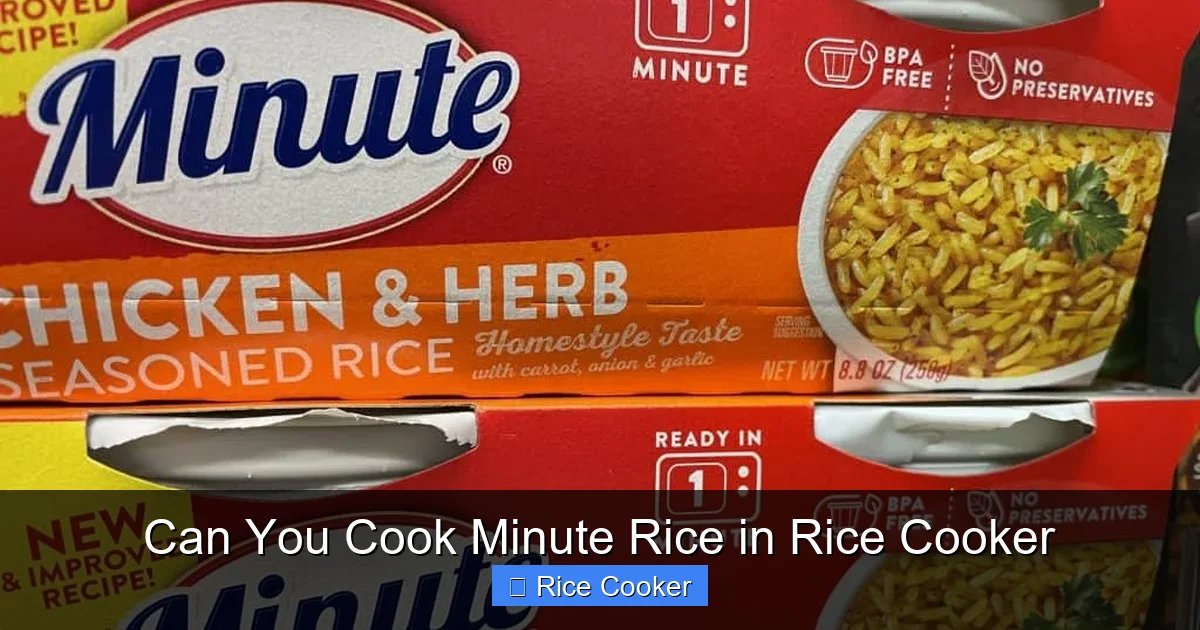
Visual guide about Can You Cook Minute Rice in Rice Cooker
Image source: stretchrecipes.com
This partial cooking also means that when you add hot liquid (like water or broth), the rice absorbs moisture rapidly and regains its texture almost instantly. That’s why you can stir-fry it in minutes—but it’s also why it responds differently in a rice cooker than whole-grain varieties.
Types of Minute Rice Worth Trying
Not all Minute Rice is created equal. Here are the most popular types you’ll find on store shelves—and which ones work best in a rice cooker:
- Minute White Rice: The classic choice. Mild flavor, light color, and super versatile. Best for everyday meals.
- Minute Brown Rice: Made from brown rice kernels that have undergone similar parboiling. Nuttier taste and chewier texture than white; takes slightly longer but still cooks fast.
- Minute Flavored Varieties: Look for options like “Minute Cheddar” or “Minute Wild Rice.” These often contain added seasonings or mix-ins—check labels carefully, as some may not cook evenly in a standard rice cooker.
- Minute Long-Grain Rice: Specifically formulated for longer grains (like Basmati). These tend to perform even better in rice cookers due to their structure.
If you’re unsure which type to buy, start with plain Minute White Rice—it’s widely available, affordable, and adapts beautifully to rice cooker use.
Why Use a Rice Cooker Instead of Boiling or Microwaving?
Consistency Over Convenience
While boiling or microwaving Minute Rice is undeniably fast, it comes with trade-offs. Stovetop boiling can lead to uneven cooking—some grains puff up while others stay hard—especially if you’re not stirring constantly. Microwaves often create hot spots that overcook parts of the batch while leaving others underdone.
Visual guide about Can You Cook Minute Rice in Rice Cooker
Image source: chefreader.com
A rice cooker solves these problems by maintaining a precise temperature throughout the cooking cycle. Once you press “cook,” you don’t need to watch the pot or stir—just set it and forget it. Plus, modern rice cookers often have settings like “warm” or “keep warm” that hold your rice at serving temperature without drying it out.
Better Texture and Flavor Development
Using just water with Minute Rice can result in bland, slightly starchy results. But by swapping water for broth, adding a pat of butter, or tossing in herbs and spices, you transform the dish entirely. A rice cooker allows those flavors to meld gently over low heat rather than getting lost in rapid boiling.
For example, try cooking Minute White Rice with chicken broth instead of water, plus a teaspoon of olive oil and a pinch of smoked paprika. The final product tastes like restaurant-quality cilantro-lime rice—without the hassle.
Safety and Clean-Up Perks
Have you ever had rice stick to the bottom of a pot and burn despite constant stirring? That won’t happen in a rice cooker thanks to its non-stick inner pot and automated shut-off feature. And since there’s no direct flame or hot surface to monitor, it’s safer—especially in homes with kids.
Clean-up is another win: just remove the inner pot, rinse it under warm water (no soap needed most of the time), and wipe the lid. No scrubbing, scraping, or burnt-on messes.
Step-by-Step Guide: How to Cook Minute Rice in a Rice Cooker
Gather Your Ingredients and Tools
Before you begin, make sure you have:
- 1 cup of dry Minute Rice (white or brown)
- Approximately 1½ cups of liquid (water, broth, or milk for creaminess)
- Optional: butter, salt, garlic powder, onion powder, or fresh herbs
- Your rice cooker with clean inner pot
- A measuring cup and spoon
Step 1: Measure the Rice and Liquid
Use a dry measuring cup to scoop your rice. Don’t pack it down—just level it off with the back of a knife. Then measure your liquid using the same cup. For reference:
- White Minute Rice: 1 cup rice + 1½ cups liquid
- Brown Minute Rice: 1 cup rice + 1¾ to 2 cups liquid (slightly more because brown rice absorbs more water)
Step 2: Add Everything to the Inner Pot
Pour the rice into the inner pot first, then slowly add your liquid. If you’re using seasonings, mix them directly into the water before combining. Avoid adding salt too early when using milk-based liquids, as dairy can curdle under high heat.
Step 3: Close the Lid and Select the Right Setting
Most basic rice cookers have just one “Cook” button. Press it once, and the machine will automatically heat the pot, bring the mixture to a boil, then switch to a simmer until the water is absorbed. After that, it cycles to “Keep Warm.”
If your rice cooker has multiple settings (like “White Rice,” “Brown Rice,” or “Quick Cook”), choose “White Rice” for best results with Minute Rice. Avoid “Quick Cook” unless your model specifically recommends it for instant rice.
Step 4: Let It Do Its Thing
Once you hear the “ding,” wait about 5 minutes before opening the lid. This lets residual steam finish hydrating any remaining dry spots. Then fluff the rice gently with a fork—don’t mash it!
Step 5: Serve Immediately or Hold Warm
Minute Rice can sit in the “Keep Warm” mode for up to an hour without becoming soggy—but for best texture, serve within 30–45 minutes. Pro tip: if your rice feels dry after warming, sprinkle a few drops of water over it and cover again for 2–3 minutes.
Common Mistakes People Make (And How to Avoid Them)
Mistake #1: Using Too Much Water
Overdoing the liquid leads to gummy, soupy rice. Stick to the recommended ratios above, and remember that Minute Rice expands significantly as it rehydrates.
Mistake #2: Skipping the Wait Time After Cooking
Just because the timer dings doesn’t mean the rice is fully ready. Give it a few minutes off-heat to absorb any leftover moisture.
Mistake #3: Stirring Too Soon
Don’t stir until the rice cooker switches to “Keep Warm.” Early stirring breaks apart delicate grains and releases excess starch, making the rice sticky.
Mistake #4: Ignoring the Non-Stick Surface
Some users scrape the bottom of the pot thinking they’re removing burnt bits—but they’re actually damaging the coating. Just rinse the pot gently after cooking.
Mistake #5: Buying Pre-Seasoned Varieties Without Checking Labels
Products like “Minute Mexican Rice” or “Minute Spanish Rice” usually include dried vegetables or cheese powders. While tasty, they may not cook evenly in small batches or cause separation in a rice cooker.
Creative Ways to Elevate Your Minute Rice
Add Butter and Salt for Classic Flavor
It sounds simple, but adding 1 tablespoon of unsalted butter and ¼ teaspoon of kosher salt per cup of rice makes a huge difference. Melt the butter in the inner pot before adding liquid if you prefer.
Use Broth Instead of Water
Cooking rice in chicken, vegetable, or even coconut milk broth adds depth and eliminates the need for extra sauces later. Just reduce the liquid amount slightly since broths contain solids.
Make It Creamy with Milk or Coconut Milk
Replace half the water with milk or full-fat coconut milk for a richer, dairy-free option. Great for desserts or Thai-inspired dishes.
Toss in Fresh Herbs or Spices
Add chopped parsley, cilantro, or chives at the end. For warmth, try turmeric, cumin, or curry powder mixed into the cooking liquid.
Try a “Risotto-Like” Method
After the rice cooker finishes, let it stand covered for 5 minutes. Then stir vigorously—this mimics risotto technique and creates a creamy, cohesive texture.
Double Up with Protein or Veggies
Add diced ham, shredded chicken, peas, or corn during the last 3 minutes of cooking. The residual heat will warm everything through without overcooking.
Comparing Methods: Rice Cooker vs. Stovetop vs. Microwave
| Method | Time | Texture | Ease of Use | Best For |
|---|---|---|---|---|
| Rice Cooker | 8–12 mins | Fluffy, even | Very easy | Everyday meals, meal prep |
| Stovetop (Boiling) | 5–7 mins | Uneven, sometimes mushy | Moderate (needs stirring) | Quick fix when cooker’s busy |
| Microwave | 2–3 mins | Variable, can be dry or wet | Easy but inconsistent | Single servings, dorm rooms |
As shown above, the rice cooker strikes the perfect balance between speed, consistency, and hands-off convenience.
Final Thoughts: Why Every Home Cook Needs This Hack
Cooking Minute Rice in a rice cooker isn’t just about saving time—it’s about upgrading your entire approach to fast sides. You gain reliability, better texture, and the freedom to infuse flavor without extra steps. Whether you’re whipping up fried rice for dinner, making a base for burrito bowls, or simply craving a warm bowl of comfort, this method delivers.
Plus, now that you know how to do it properly, you can experiment fearlessly. Try different liquids, spices, and add-ins. Turn a humble box of instant rice into something extraordinary—all while standing back and letting technology do the heavy lifting.
So next time you reach for that orange-and-yellow package on the shelf, don’t hesitate. Pop it into your rice cooker, follow the simple steps we outlined, and enjoy perfectly cooked, restaurant-worthy rice—every single time.
Frequently Asked Questions
Can you cook Minute Rice directly in the rice cooker without rinsing?
Yes, you can cook Minute Rice directly in a rice cooker without rinsing. Rinsing isn’t necessary because Minute Rice is already parboiled and dried, meaning it’s designed to cook quickly and evenly without losing texture. Rinsing might actually remove some of the surface starch that helps it rehydrate properly.
How much water do I need for 1 cup of Minute Rice in a rice cooker?
For 1 cup of dry Minute White Rice, use approximately 1½ cups of water. For Minute Brown Rice, use 1¾ to 2 cups due to its higher fiber content and greater absorption rate. Always measure both rice and liquid carefully for consistent results.
Do I need to soak Minute Rice before cooking it in a rice cooker?
No, you do not need to soak Minute Rice before cooking it in a rice cooker. Unlike traditional long-grain rice, Minute Rice has already been partially cooked and dried, so it rehydrates quickly and thoroughly during the cooking process. Soaking would be unnecessary and could lead to overly soft or mushy grains.
Can I cook flavored Minute Rice varieties in a rice cooker?
Yes, but with caution. Some flavored Minute Rice products (like Cheddar or Spanish-style) contain added ingredients such as dried vegetables, cheese, or sauces. These may not cook evenly in a standard rice cooker and could separate or burn. Check the ingredient list and avoid versions with large chunks or thick sauces if you’re using a basic model.
What happens if I leave Minute Rice in the rice cooker too long after cooking?
Minute Rice can safely remain in the “Keep Warm” setting for up to an hour without significant quality loss—however, extended warmth can make it slightly drier or firmer. For best texture, serve within 30–45 minutes. If it becomes too dry, add a splash of water or broth and cover for 2–3 minutes to rehydrate.
Is it safe to use Minute Rice in a rice cooker every day?
Absolutely. Minute Rice is made from real rice and contains no artificial preservatives when labeled as “natural” or “organic.” Cooking it in a rice cooker is completely safe and healthy as long as you use appropriate water-to-rice ratios and avoid repeatedly reheating leftovers past recommended safety guidelines (generally 2 hours max at room temperature).